


After a show, driving can be risky due to fatigue, alcohol, or medications that impair your reaction time and judgment. Recognize signs like yawning, heavy eyelids, or drifting lanes, and stop immediately if you feel microsleeps. To stay safe, plan your departure when you’re well-rested, take regular breaks, and keep your environment alert. If you’re feeling sleepy, explore your safe transportation options and vehicle preparations—more strategies to help you stay safe are just ahead.

Get audio and creator gear delivered free — and shop member deals
- Fast, free delivery on millions of items
- Access to Prime Big Deal Days deals on October 6–7
- Prime Video, Amazon Music and more included
Key Takeaways
- Recognize fatigue symptoms like yawning, eyelid drooping, and drifting attention; pull over immediately if microsleeps occur.
- Schedule safe departure times after the show, ideally when fully rested and outside peak sleep hours (1-4 a.m.).
- Take regular breaks every 2 hours or 100 miles, stretching and hydrating to maintain alertness during driving.
- Avoid driving under the influence of alcohol, medications, or when feeling overly tired; consider alternative transportation options.
- Prepare your vehicle by checking lights, mirrors, and windshield, and use engaging music or podcasts to stay alert.
driver fatigue warning alert device
As an affiliate, we earn on qualifying purchases.
As an affiliate, we earn on qualifying purchases.
Why Driving After a Show Is Risky and How to Stay Safe

After a show, you’re often tired, distracted, or still buzzing from the excitement, which can impair your ability to drive safely. Even if you feel fine, alcohol impairment can linger if you’ve had a drink during the event, reducing your reaction time and judgment. Similarly, medication effects from prescription or over-the-counter drugs can cause drowsiness, dizziness, or slowed reflexes. These factors markedly increase your risk of accidents on the road. Driving under the influence of alcohol or medication effects impairs your ability to respond quickly to unexpected hazards. To stay safe, avoid driving immediately after a show if you’ve consumed alcohol or are taking medications. Instead, consider alternative transportation options or give yourself time to fully recover before hitting the road. Understanding how reliable connections are crucial in network setups highlights the importance of ensuring your safety measures are equally dependable when it comes to your personal well-being behind the wheel.
As an affiliate, we earn on qualifying purchases.
How to Recognize Fatigue and Drowsiness After a Long Event
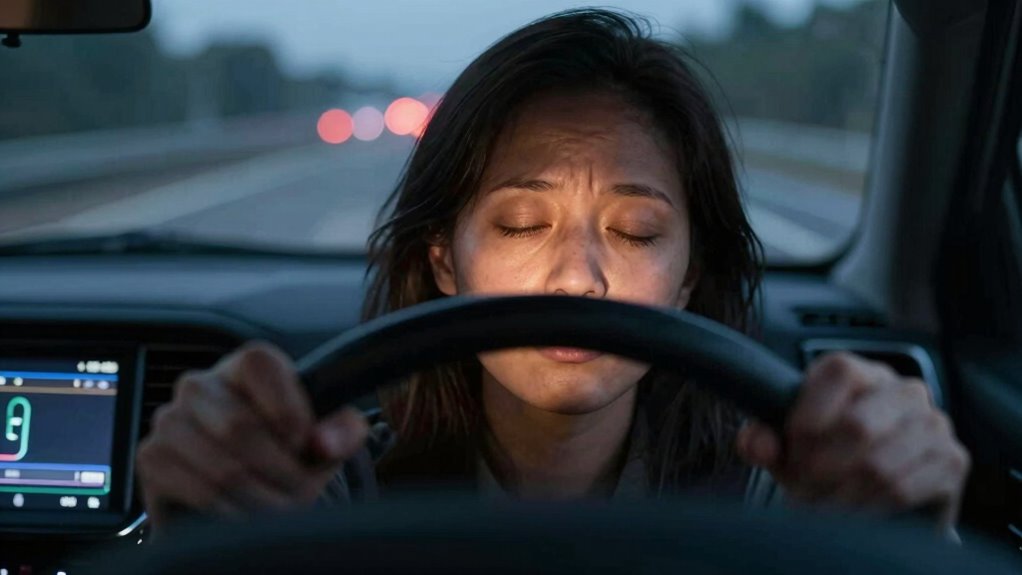
You might notice yourself yawning or blinking more often than usual after a long event. Difficulty staying alert or feeling yourself nod off can also be signs you’re too tired to drive safely. Keep an eye out for microsleeps—they’re quick lapses where your eyes close or you lose focus. Additionally, fatigue can impair your reaction time, making it even more important to recognize these signs before getting behind the wheel.
Yawning and Blinking Frequently
Recognizing signs of fatigue during a long drive is essential for safety, and two common indicators are frequent yawning and blinking. These drowsiness cues are clear fatigue indicators that your body signals when it needs rest. You might notice yourself yawning repeatedly, even if you’re not tired at first, as your brain tries to stay alert. Similarly, blinking more often or slower than usual can suggest your eyes are struggling to stay focused, another sign you’re becoming drowsy. Paying attention to these fatigue indicators helps you identify when it’s time to take a break. Ignoring these signs increases the risk of microsleeps or losing focus. Stay alert to your body’s signals, and don’t push through exhaustion while driving. Indoor air quality can also impact alertness and overall well-being during long drives, so ensuring a fresh environment in your vehicle may help maintain focus.
Difficulty Staying Alert
Difficulty staying alert often becomes evident through subtle changes in your behavior and physical state, especially following a long event or period of intense activity. You might notice your focus waning or that your reactions are slower than usual. Recognizing these alertness challenges is vital for effective fatigue management. When your body signals fatigue, it’s a sign to pause and reassess. Look out for these signs:
- Frequent yawning or eye rubbing
- Difficulty focusing or drifting attention
- Slight head nods or body shifts
- Reduced responsiveness to stimuli
- Feeling unusually sluggish or restless
Being aware of these cues helps you act before fatigue impairs your driving safety. Managing alertness challenges after a long event is essential to prevent accidents and ensure safe travel. Incorporating energy-efficient solutions can also support sustained alertness by reducing overall fatigue.
Microsleeps or Nodding Off
After a long event, fatigue can sneak up unexpectedly, sometimes causing involuntary episodes of sleep or near-sleep states known as microsleeps. During a microsleep, you might briefly nod off or experience a fleeting lapse in awareness, even if you’re still behind the wheel. These episodes can last just a second or two but critically impair your reaction time and judgment. Recognizing microsleeps is essential; you might feel your eyes drooping, your head nodding, or notice drifting thoughts. If you find yourself nodding off or experiencing microsleeps, it’s a clear sign you need to pull over and rest. Connected devices and alertness monitoring systems can help detect signs of fatigue in real-time, providing an additional layer of safety. Ignoring these signs increases the risk of accidents, so always prioritize safety by responding promptly to any drowsiness symptoms.
vehicle interior lights for night driving
As an affiliate, we earn on qualifying purchases.
As an affiliate, we earn on qualifying purchases.
When Is the Best Time to Leave to Minimize Risks?

To reduce your risk of accidents, timing your departure carefully is essential. Proper travel planning and timing considerations can help you avoid driving when fatigue is highest, typically late at night or early morning. The best time to leave is when you’re most alert and rested, usually after a break or nap. Consider leaving at least an hour after your show ends to allow your energy levels to normalize. Avoid leaving during hours when your body naturally feels sleepy, like between 1 a.m. and 4 a.m. Additionally, plan your trip so you arrive home before fatigue sets in deeply. Being strategic about your departure time minimizes risks and ensures a safer drive. Remember, well-timed travel is key to staying alert and avoiding fatigue-related accidents. Incorporating outdoor wisdom about rest and timing can further enhance your safety on the road.
hands-free Bluetooth speaker for driving
As an affiliate, we earn on qualifying purchases.
As an affiliate, we earn on qualifying purchases.
Tips for Staying Alert and Driving Safely Home
Once you’ve chosen the right time to leave, staying alert during your drive is essential for safety. After the concert aftermath, musician exhaustion can make it harder to stay focused, increasing your risk of drowsiness or mistakes. To stay alert, avoid relying solely on caffeine; instead, take short breaks to stretch and refresh your mind. Keep the temperature cool and ensure good ventilation in your vehicle. Stay engaged by listening to lively music or an engaging podcast, but avoid distractions. If you feel tired, don’t push through—find a safe place to rest or switch drivers if possible. Recognizing signs of fatigue early helps you maintain control and arrive home safely, even after a demanding concert night. Regularly monitoring alertness levels can also help prevent fatigue from impairing your driving performance.
Simple Ways to Boost Your Energy Before Hitting the Road

Boosting your energy before hitting the road is key to staying alert and safe during your drive. To combat fatigue, try quick strategies to boost your alertness. Drinking an energy drink can provide a caffeine boost, but don’t rely solely on it. Incorporate stretching exercises to increase blood flow and reduce stiffness, helping you feel more awake. Eating a light, healthy snack can also give you sustained energy without a crash. Additionally, taking deep breaths can refresh your mind. Remember, small actions make a big difference in maintaining focus. Here are some simple ways to energize before driving:
- Sip on an energy drink in moderation
- Do stretching exercises to boost circulation
- Eat a nutritious snack for sustained energy
- Practice deep breathing to clear your mind
- Step outside briefly for fresh air
Understanding food and its effects can help you choose the right snacks and drinks to stay alert.
How Often Should You Take Rest Breaks During a Long Drive?
You should take a rest break roughly every two hours to stay alert and safe. Pay attention to signs of fatigue like heavy eyelids or drifting thoughts, which indicate it’s time to pause. Knowing the recommended intervals and recognizing fatigue early can help prevent accidents on long drives. Additionally, incorporating support breakfast options before or during your drive can help maintain energy levels and alertness.
Recommended Rest Intervals
During a long drive, taking regular rest breaks is essential to stay alert and safe on the road. Rest interval scheduling helps prevent fatigue and maintains your focus. Experts recommend stopping every 2 hours or every 100 miles, but listen to your body’s signals. Incorporate these fatigue management strategies to optimize your safety:
- Take a 15-minute break to stretch and refresh
- Switch drivers if possible to share fatigue
- Avoid heavy meals during breaks to stay alert
- Use quick physical activities to boost circulation
- Stay hydrated to maintain concentration
- Understanding sleep comfort and how your environment affects rest can help you recover more effectively during breaks
Consistent rest intervals help you stay alert and reduce fatigue risks. By planning your breaks ahead of time, you ensure you’re following effective fatigue management strategies, making your long drives safer and more comfortable. Proper rest interval scheduling is key to arriving safely at your destination.
Recognizing Fatigue Signs
Recognizing the signs of fatigue is essential for maintaining safety on long drives. If you notice frequent yawning, heavy eyelids, or drifting out of your lane, you’re likely experiencing sleep deprivation and need to stop. Other signs include difficulty concentrating, slower reaction times, or a blurred vision. Relying on caffeine intake can temporarily boost alertness, but it doesn’t replace rest. Pay attention to your body’s signals; if you feel mentally foggy or unsteady, it’s time for a break. Taking regular rest intervals—every two hours or sooner if symptoms appear—helps prevent accidents caused by fatigue. Remember, acknowledging these signs early keeps you safe and ensures you arrive alert and ready.
What Are Your Safe Transportation Options When Tired?
When fatigue hits, driving becomes risky regardless of how familiar the route is. If you’re tired, consider safer transportation options instead of risking a crash. You have several choices:
- Use ride sharing options like Uber or Lyft for a safe ride home
- Arrange for a designated driver who’s alert and sober
- Public transportation, such as buses or trains, to avoid driving altogether
- Carpool with a colleague or friend who is rested
- Call a taxi service if other options aren’t available
These alternatives help you avoid the dangers of drowsy driving. Recognizing when you’re too tired and opting for these safe transportation methods can prevent accidents and keep you and others safe after a long day at the show.
How to Create a Post-Show Routine to Recover and Recharge

After ensuring you get home safely, it’s important to prioritize your recovery and recharging. Establishing a post-show routine helps you combat fatigue and stay alert for your next drive. Focus on post-show relaxation to unwind your mind and body, reducing stress. Hydration is essential—drink plenty of water to replenish fluids lost during the show. Proper nutrition fuels your recovery; choose balanced meals rich in protein, fruits, and vegetables. Use the following table as a quick guide:
| Recovery Step | Tips |
|---|---|
| Post-show relaxation | Take deep breaths, stretch, or listen to calming music |
| Hydration | Drink water or electrolyte drinks |
| Nutrition | Eat a nutritious meal or snack |
| Rest | Prioritize quality sleep |
| Recharge | Plan your next day for a smooth start |
This routine helps you recover faster and stay safe on the road.
Preparing Your Vehicle and Environment for a Safer Drive

Before hitting the road, take a moment to check that all your vehicle lights are working properly, so others can see you clearly. Make sure your windshield is completely clear of any dirt or obstructions for maximum visibility. Finally, adjust your seat and mirrors to guarantee a comfortable, safe driving posture and a clear view of your surroundings.
Check Vehicle Lights
Checking your vehicle lights is an essential step in preparing for a safe drive, especially after a show when your vehicle might have been parked for a while. A thorough light check guarantees all vehicle lighting functions properly, increasing visibility and safety on the road. Malfunctioning lights can lead to accidents or citations, so don’t skip this step. Before hitting the road, inspect each light, including headlights, taillights, brake lights, turn signals, and reverse lights. Make sure they’re clean, free of cracks, and fully operational. Consider having a friend help with the light check or use reflective surfaces to verify all lights are working. Proper vehicle lighting isn’t just about legality; it’s about keeping you and others safe during your drive.
Clear Windshield Properly
A clear windshield is essential for maintaining ideal visibility and ensuring a safe drive. Start by thoroughly cleaning both the interior and exterior surfaces to improve windshield clarity. Use a quality glass cleaner and a microfiber cloth to remove dirt, smudges, and streaks that can impair visibility. Don’t forget to clear away any ice, snow, or frost if conditions require it, and remove any obstructions like leaves or bugs. Ensuring your windshield is spotless enhances visibility improvement, especially during night or bad weather. Regularly check for cracks or chips that could worsen over time and impair your view. A well-maintained, spotless windshield helps you react faster to hazards, keeping you safer on the road.
Adjust Seat and Mirrors
Having a spotless windshield is just the first step; now it’s time to set up your seat and mirrors for peak visibility and control. Start by adjusting your seat so you can comfortably reach the pedals and steering wheel without straining. Align your mirrors to eliminate blind spots and ensure a clear view of your surroundings. Properly positioned mirrors reduce the need to turn your head frequently, helping you stay focused. Check that your seat height allows a full view of the road ahead. Make small adjustments until you feel balanced and in control. Remember, a well-adjusted seat and mirrors boost safety and reduce fatigue. Keep these tips in mind for a confident, safer drive after your show.
What Should You Do If You Feel Sleepy While Driving?
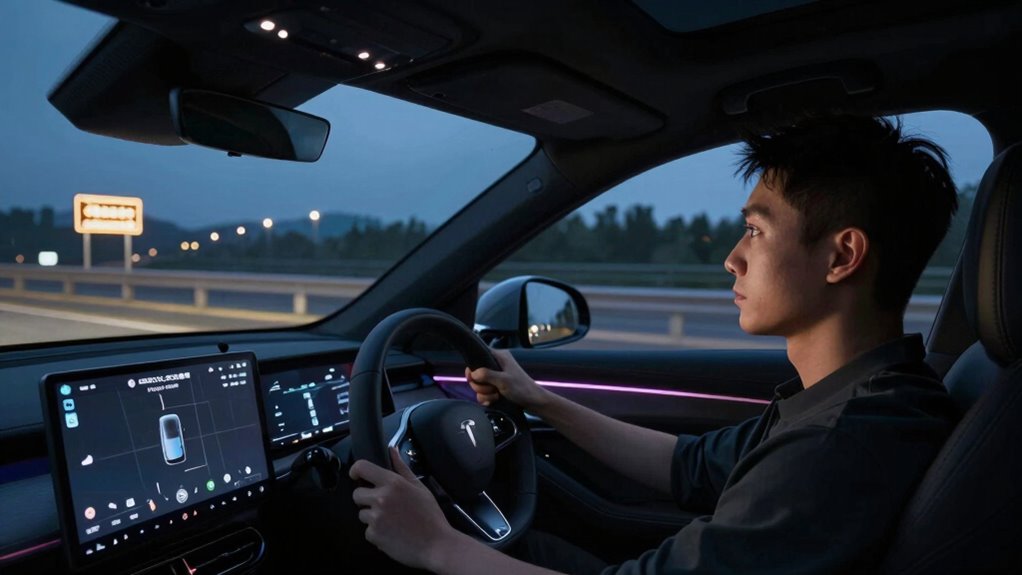
Feeling sleepy behind the wheel can be dangerous, so it’s important to recognize the signs early and take action immediately. Drowsiness triggers like heavy eyelids, frequent yawning, or drifting out of your lane signal you need to act fast. If you start feeling sleepy, don’t push through; instead, pull over safely to rest or switch drivers if possible. To combat drowsiness temporarily, use alertness techniques such as opening windows for fresh air, listening to lively music, or doing quick physical movements like stretching. Drinking water or caffeinated beverages can also help boost your alertness briefly. Remember, your safety and others’ depend on staying vigilant—never ignore the signs of fatigue while driving.
Frequently Asked Questions
How Can Technology Help Monitor Driver Fatigue Effectively?
Technology helps monitor driver fatigue effectively through advanced driver monitoring systems that track eye movement, facial expressions, and steering patterns. Fatigue detection features alert you when signs of drowsiness appear, prompting you to take breaks. These tools work proactively, reducing risks by catching fatigue early. By integrating driver monitoring and fatigue detection, you stay safer on the road, maintaining alertness and preventing accidents caused by tiredness.
Are There Legal Consequences for Driving While Drowsy?
Yes, driving while drowsy can lead to serious legal consequences. If you’re involved in an accident, you might face legal liabilities for negligence, especially if fatigue contributed to the crash. Insurance companies could deny liability insurance claims, leaving you responsible for damages. You should always prioritize rest to avoid legal trouble and protect yourself from potential lawsuits or increased insurance premiums.
What Are the Signs of Microsleeps During Driving?
Think of microsleeps as tiny blackouts behind the wheel. When you’re drowsy, you might experience sudden eyelid droops, blurred vision, or momentary lapses in focus—these are your fatigue indicators. Drowsiness cues like yawning, heavy eyelids, or drifting out of your lane signal danger. Recognize these signs early; they’re your body’s way of begging you to rest before losing control. Stay alert to stay safe.
How Do Different Vehicle Types Impact Fatigue Management?
Different vehicle types impact fatigue management through vehicle ergonomics and cargo distribution. When driving an ergonomically designed vehicle, you experience less strain, helping you stay alert longer. Proper cargo distribution prevents imbalance, reducing physical fatigue and discomfort. Larger trucks may cause more fatigue due to prolonged concentration, while smaller vehicles offer easier handling. Adjust your seat and cargo to optimize comfort, and take regular breaks to stay safe and alert on the road.
Can Certain Medications Affect Alertness After a Show?
Did you know that certain medications can impair alertness by up to 50%? Yes, medication effects can considerably impact your ability to stay alert after a show. If you take sedatives, antihistamines, or other drowsiness-inducing drugs, your alertness impairment increases, making driving dangerous. Always check labels and consult your doctor about medication effects before driving, especially after a demanding show, to ensure your safety and others on the road.
Conclusion
After a long show, you might think fatigue is just a minor inconvenience. Ironically, it’s the sneakiest threat on your drive home. So, instead of risking it, take those extra steps—rest, energize, or find a safe ride. Because nothing says “I survived the concert” like arriving safely, not asleep at the wheel. Remember, your best encore is staying alert—your life and others’ depend on it.
Fall Picks
fall essentials
As an affiliate, we earn on qualifying purchases.