Modes like Dorian and Mixolydian are musical frameworks that can be used to craft effective jamming signals by influencing the tonal quality of your interference. Dorian offers a minor but bright sound, while Mixolydian provides a dominant seventh tone that can disrupt communication patterns. By understanding these modes, you can create more adaptable, unpredictable interference. Keep exploring, and you’ll uncover how these tonal techniques can give you a strategic edge in signal jamming.
Key Takeaways
- Different musical modes, like Dorian and Mixolydian, can be used to craft interference signals that blend with or disrupt legitimate transmissions.
- Dorian mode offers a minor yet bright tonal quality suitable for subtle jamming, while Mixolydian provides a dominant sound for more aggressive interference.
- Switching between modes during jamming enhances unpredictability and makes countermeasures more difficult for targeted systems.
- Improvisation allows real-time adjustments to modes, tailoring interference to dynamic signal environments.
- Mastering these modes enables precise, strategic jamming that can selectively disrupt specific communication channels.

Have you ever wondered how electronic jamming disrupts communication systems? It’s a complex process that involves more than just blasting noise; it’s about understanding the modes or techniques used to interfere with signals. When you explore modes for jamming, you’re essentially exploring different approaches that can target specific communication channels or frequencies. These modes often rely on scale applications and improvisation techniques, which are vital for adapting to various situations and achieving effective interference.
Exploring jamming modes involves strategic techniques like scale applications and improvisation for effective signal interference.
In the context of jamming, scale applications refer to the different musical or tonal frameworks that can be used to craft signals that interfere with legitimate transmissions. Think of scales like Dorian or Mixolydian; these are not just musical concepts but also strategic tools. By applying these scales, jammers can create signals that blend into or disrupt communication without immediately revealing their presence. Improvisation techniques come into play because effective jamming often requires real-time adjustments. You need to listen carefully and modify your signals on the fly to adapt to changing frequencies or countermeasures. This improvisational flexibility makes the jamming more resilient and harder to detect.
For instance, using a Dorian mode for jamming means tapping into a specific set of tonalities that can mimic or mask legitimate signals. The Dorian scale, with its minor yet slightly brighter sound, can be used to craft interference that feels natural to the receiver but actually disrupts the clarity of the original communication. Similarly, Mixolydian mode, characterized by its dominant seventh sound, can produce signals that interfere with systems relying on certain tonal patterns, making it easier to jam without raising suspicion. Your ability to switch between these modes, applying improvisation techniques, enhances your effectiveness because it keeps your signals unpredictable. This unpredictability is key in avoiding counter-jamming efforts and maintaining control over the interference.
Understanding the role of scale applications and improvisation techniques in modes for jamming allows you to craft more sophisticated and targeted interference strategies. It’s not just about flooding the frequency with noise; it’s about creating precise, adaptable signals that can selectively disrupt communication channels. By mastering different modes and knowing when to switch or adjust your approach, you can improve your jamming capabilities markedly. This knowledge can be applied in various scenarios—whether for testing communication security or understanding how adversaries might attempt to block signals—making your approach more strategic and effective. Ultimately, the use of different modes for jamming highlights the importance of technological skill and adaptability in electronic warfare.

Shine A Light
As an affiliate, we earn on qualifying purchases.
As an affiliate, we earn on qualifying purchases.
Frequently Asked Questions
How Do Modes Influence Emotional Expression in Music?
Modes substantially influence emotional storytelling in your music by shaping your melody’s mood. For instance, Dorian adds a bluesy, soulful feel, while Mixolydian creates a relaxed, funky vibe. Your choice of mode guides how listeners interpret your song’s emotion, making your melodies more expressive. By understanding modes, you can craft a more compelling emotional narrative, allowing your music to resonate deeply and vividly with your audience.
Can Beginners Easily Learn to Switch Between Different Modes?
Like a traveler steering unfamiliar terrain, you can learn to switch between modes, but it takes practice. While modal versatility might seem intimidating at first, beginner challenges are common. Focus on understanding the unique sound of each mode and practice switching smoothly. With patience and consistent effort, you’ll find that playing in different modes becomes more natural, enriching your musical expression and expanding your creative horizons.
Are Modes Only Useful for Jazz and Blues Genres?
Modes aren’t only useful for jazz and blues; their modal versatility applies across many genres like rock, pop, and folk. You can use modes to add different flavors and emotional tones to your playing, regardless of style. Understanding genre applicability helps you choose the right mode for your musical context, making your improvisation more expressive and dynamic. So, explore modes beyond jazz and blues—they’re valuable tools in many musical settings.
What Are Common Mistakes When Applying Modes to Jam Sessions?
Imagine trying to navigate a new city with a confusing map—that’s like scale confusion when applying modes in jams. A common mistake is overusing modes, which stifles creativity and leads to muddy sounds. To avoid this, focus on understanding the mood each mode creates, and don’t force-fit every note. Instead, listen and adapt, letting the music breathe naturally without overthinking your scale choices.
How Do Modes Relate to Improvisation Techniques?
You relate modes to improvisation techniques by using scales versus modes to add color and variety. Instead of sticking to basic scales, you can explore modal interchange, borrowing modes from different keys to create interest. This helps you craft solos that sound more expressive and dynamic. By understanding how modes fit into your improvisation, you gain more options to shape your sound and keep your playing fresh.
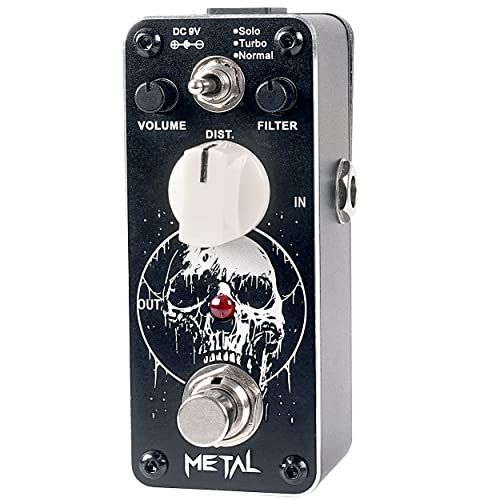
Sondery Metal Distortion Pedal for Electric Guitars, 3 Modes of Solo Turbo and Normal, Warm Smooth Wide Range of Vintage Distortion Sound, Mini Effect Pedal True Bypass, Art Design Series
Metal distortion guitar effect pedal gives a warm, smooth and wide range of vintage distortion sound. 3 Controls…
As an affiliate, we earn on qualifying purchases.
As an affiliate, we earn on qualifying purchases.
Conclusion
Now that you’ve got a handle on Dorian, Mixolydian, and the other modes, you’re basically armed with a musical superpower. Imagine transforming any jam session into a legendary performance—your solos could easily shake the very foundations of the room! Keep experimenting, trust your ear, and don’t be afraid to break the rules. With these modes in your toolkit, you’re on your way to becoming a true musical wizard—so go out there and make magic happen!

Mel Bay Hokum: Theory & Scales for Fiddle Tunes & Fiddle Improvisation
Author: by Leon Grizzard
As an affiliate, we earn on qualifying purchases.
As an affiliate, we earn on qualifying purchases.
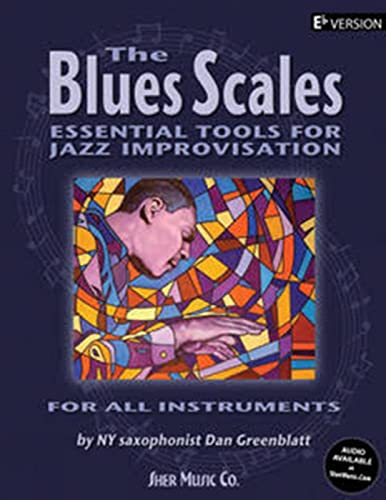
The Blues Scales: Essential Tools for Jazz Improvisation (Eb Version)
As an affiliate, we earn on qualifying purchases.
As an affiliate, we earn on qualifying purchases.