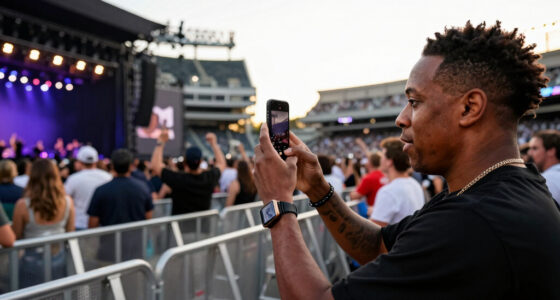
When your ears ring after shows, it usually means loud music temporarily overstimulated your inner ear’s hair cells, causing tinnitus. This ringing, often called temporary tinnitus, signals your ears have experienced excessive sound levels, but it typically fades quickly—unless exposure repeats often, which can cause damage. Understanding your ear’s response can help you protect your hearing. Keep exploring to find out how to tell if this ringing is normal or a sign of something more serious.

Get audio and creator gear delivered free with Prime
- Fast, free delivery on millions of items
- Prime Video, Amazon Music and more included
- Member-only deals all year
Key Takeaways
- Temporary ringing after shows often results from ear hair cell overstimulation due to loud sound exposure.
- Persistent or worsening ear ringing may indicate potential hearing damage requiring medical attention.
- Short-term tinnitus usually resolves quickly, but prolonged symptoms can signal underlying ear health issues.
- Using ear protection and taking breaks during loud events can help prevent damage and reduce ringing.
- Monitoring the duration and intensity of ear ringing helps determine if it’s normal or a sign of hearing injury.
As an affiliate, we earn on qualifying purchases.
What Is Ear Ringing After Concerts?

After a concert, you might notice a ringing or buzzing sound in your ears, which is a common experience known as tinnitus. This happens because your ears have been exposed to loud sound levels, impacting your ear health. When you’re near powerful speakers or loud music, your ears absorb intense sound exposure, which can temporarily disrupt the delicate hair cells in your inner ear. These cells send signals to your brain, and when overstimulated, they may cause the perception of ringing or buzzing. While this ringing often fades quickly, repeated exposure to loud sounds can lead to more serious hearing issues. Protecting your ears during concerts helps maintain your ear health and reduces the likelihood of persistent ringing. Proper hearing protection can significantly reduce the risk of damage from loud environments.
As an affiliate, we earn on qualifying purchases.
Why Do Our Ears Ring After Loud Music?
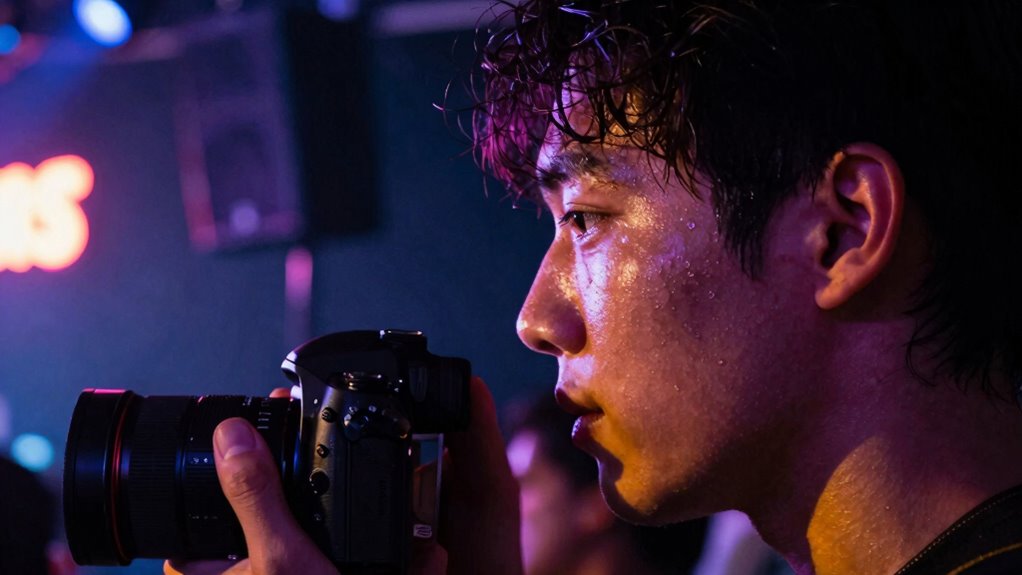
When you experience ringing in your ears after loud music, it’s caused by the way your inner ear responds to intense sound waves. Your ear’s delicate hair cells get overstimulated from excessive sound exposure, leading to temporary disruption in how you perceive sound. This overload can cause the cells to send abnormal signals to your brain, resulting in that familiar ringing or buzzing. Protecting your ear health involves understanding that loud environments can cause this reaction, even if it feels brief. The ringing is a sign your ears are reacting to the volume and intensity of the sound. Regular sound exposure at high levels can cause more lasting damage, so it’s essential to be mindful of your hearing during and after loud events. Additionally, the contrast ratio of your listening environment can influence how sharply you perceive sounds, emphasizing the importance of a balanced acoustic setting to prevent overstimulation.
As an affiliate, we earn on qualifying purchases.
Is Temporary Tinnitus Normal or a Sign of Damage?
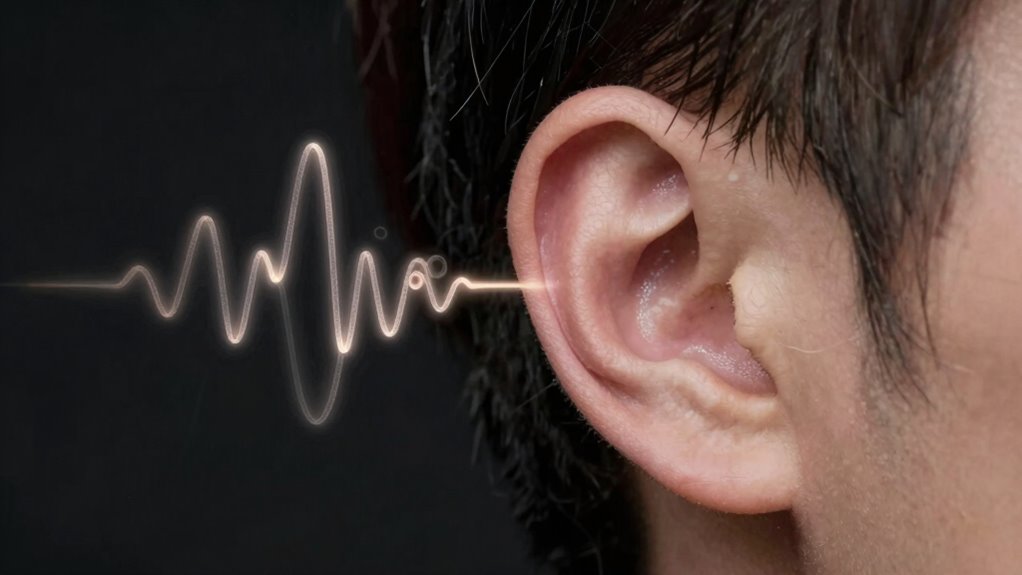
Temporary tinnitus is a common response to loud noise exposure, and in most cases, it’s harmless and resolves on its own within a few hours or days. This fleeting ringing or buzzing isn’t usually a sign of permanent damage and can be part of your body’s natural response to safeguard your hearing health. However, frequent or prolonged noise exposure can sometimes lead to more serious issues over time. If your tinnitus persists beyond a couple of days or worsens, it might indicate underlying damage that needs professional attention. It’s crucial to pay attention to how your ears react after shows and protect your hearing to prevent long-term harm. Understanding this balance helps you maintain good hearing health and reduces the risk of permanent tinnitus. Being aware of noise exposure levels and taking precautions can further support your ear health.
As an affiliate, we earn on qualifying purchases.
How Loud Music and Long Exposure Affect Your Hearing

When you listen to loud music for extended periods, your ears can temporarily lose some hearing ability. This short-term damage increases your risk of developing tinnitus, the ringing or buzzing sound many experience after a show. Protecting your hearing now can help prevent long-term issues later. Being aware of indoor air quality and maintaining a healthy environment can also support overall ear health and reduce other noise-related risks.
Temporary Hearing Loss
Listening to loud music at concerts or clubs can quickly lead to temporary hearing loss, leaving your ears ringing and muffled afterward. When sound levels are too high, your ear protection isn’t enough to prevent damage. The intense noise overloads your inner ear, causing temporary threshold shifts that impair your ability to hear clearly. This type of hearing loss usually recovers within hours or days, but repeated exposure increases the risk of permanent damage. To protect yourself, keep an eye on sound levels and wear ear protection if possible. Reducing volume or taking breaks can also help minimize the impact. Remember, even short-term exposure to loud music can strain your ears, so always prioritize your hearing health during shows. Understanding safe listening practices can help you enjoy music without risking your hearing health.
Risk of Tinnitus
Long exposure to loud music can considerably increase your risk of developing tinnitus, a persistent ringing or buzzing in your ears. When you’re at concerts or clubs without hearing protection, you expose your ears to acoustic trauma, damaging delicate hair cells in your inner ear. This damage can lead to tinnitus, which may become a long-term problem if not addressed. To minimize this risk, always use hearing protection like earplugs designed for high-volume environments. Protecting your ears reduces the chance of irreversible damage and helps prevent the onset of persistent ringing. Remember, the louder and longer the exposure, the greater your risk. Being proactive with hearing protection is your best defense against tinnitus and preserving your hearing health. Additionally, incorporating essential oils for ear health, such as lavender or eucalyptus, may provide soothing relief and support recovery if your ears have experienced strain.
How Ear Anatomy Can Influence Post-Concert Ringing

Your ear’s shape, like the canal’s size and flexibility, can affect how you experience ringing after a concert. Variations in cochlea sensitivity mean some people are more prone to noise-induced damage, while how your eardrum vibrates influences sound perception. These anatomical differences can make all the difference in how your ears respond to loud music. Additionally, smart sound management features in some hearing protection devices can help minimize potential damage and protect your hearing health.
Ear Canal Structure
Have you ever wondered why some people experience more ringing in their ears after a concert? It all comes down to your ear canal structure, part of your ear anatomy. The shape and size of your ear canal can influence how sound waves travel and how sensitive your ear is to loud noises. A narrower or more curved ear canal might amplify certain frequencies, making you more prone to damage and ringing. Conversely, a wider or straighter canal could allow sound to dissipate more effectively, reducing strain. Your ear canal’s anatomy also affects how sound is delivered to the eardrum, impacting your overall hearing sensitivity. This means that even with similar noise levels, your ear canal structure can determine just how much you experience post-concert ringing. Ear canal anatomy plays a crucial role in how your ears respond to loud environments and recover afterward.
Cochlea Sensitivity Variations
The sensitivity of your cochlea, the inner ear structure responsible for converting sound waves into nerve signals, varies based on your ear anatomy. Differences in the inner ear’s shape and size influence how your cochlear hair cells respond to loud sounds. If your cochlear hair are more delicate or densely packed, they may be more susceptible to damage from noise exposure. This heightened sensitivity makes you more likely to experience ringing after loud shows. Conversely, a less sensitive inner ear might better withstand loud environments, reducing post-concert ringing. Your unique cochlear structure determines how much sound stress your inner ear can absorb. Understanding these variations helps explain why some people experience ringing more intensely or frequently after concerts, based on their ear anatomy. Additionally, cochlear hair cell health plays a crucial role in maintaining hearing sensitivity and resilience to noise-induced damage.
Eardrum Vibration Response
Variations in ear anatomy also influence how your eardrum vibrates in response to loud sounds. Your eardrum’s size, thickness, and tension can affect its vibration response, altering how sound waves are transmitted to your inner ear. If your eardrum is more flexible or thinner, it may vibrate more intensely, increasing the risk of ringing after exposure to loud music. Conversely, a thicker or less responsive eardrum might dampen vibrations, potentially reducing damage but still risking temporary ringing. These anatomical differences mean your ear’s sensitivity to loud sounds varies from person to person. Understanding this can help you recognize why some people experience more pronounced ringing or hearing fatigue after concerts, based on how their eardrum responds to loud noise. Eardrum anatomy plays a crucial role in determining your vulnerability to noise-induced hearing issues.
Signs That Ear Ringing Means Hearing Damage
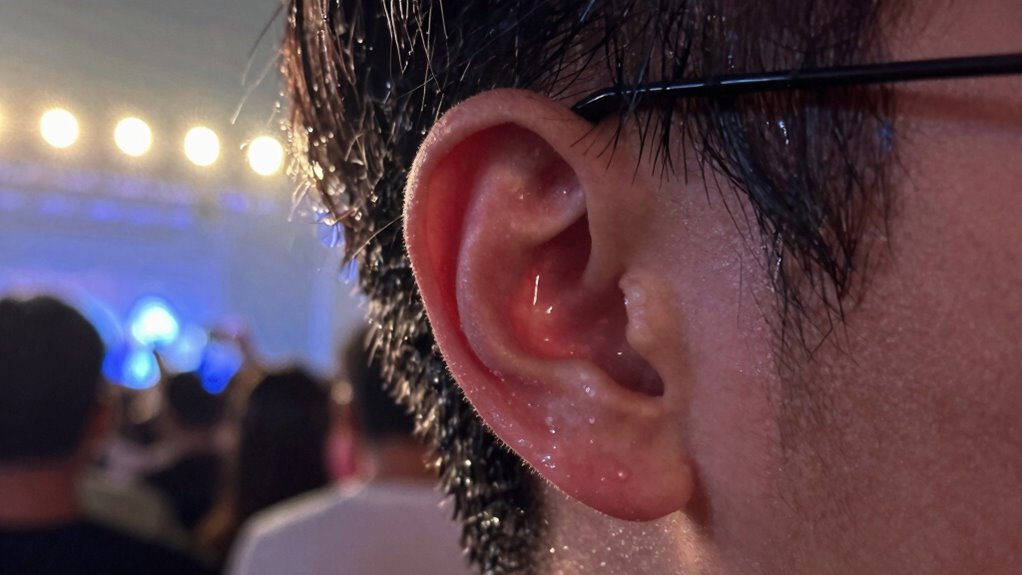
Although ringing in your ears after a loud event might seem temporary, it can also signal hearing damage. Persistent or recurring tinnitus indicates that your ear health may be compromised. If the ringing lasts longer than a few hours or worsens over time, it’s a clear warning sign. Protecting your hearing with proper hearing protection during loud events can prevent further damage. Ignoring these signs puts your ear health at risk and may lead to permanent hearing loss. Be attentive to any changes in your hearing or ringing patterns, especially if they persist beyond the event. Early recognition of these signs allows you to take action and seek medical advice, safeguarding your ears from long-term damage.
Tips to Protect Your Ears During Live Events
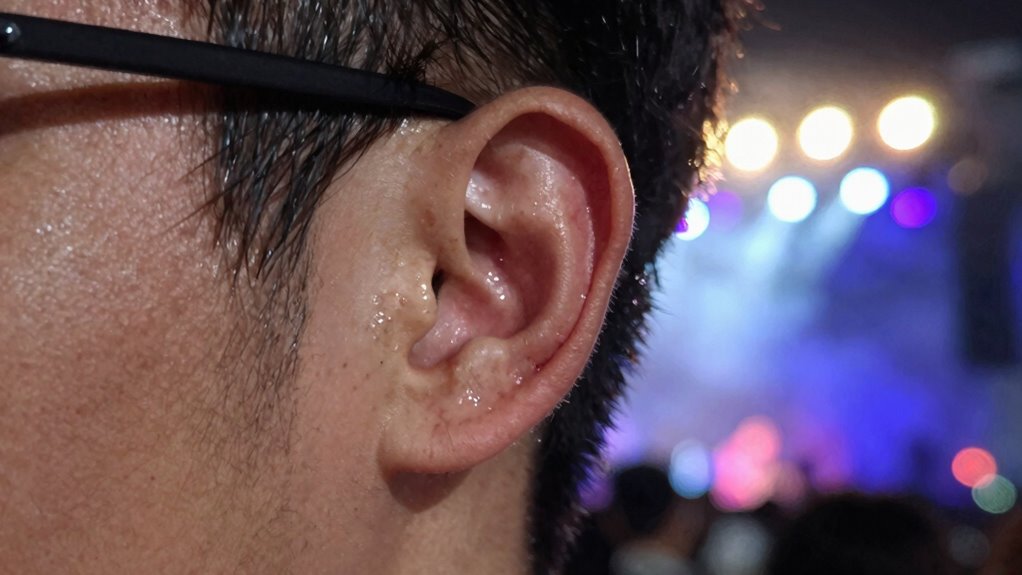
To protect your ears during live events, start by wearing high-quality earplugs designed for noise reduction. Good ear protection can *considerably* lower the risk of damage from loud sounds while still allowing you to enjoy the music. Keep volume control in mind; avoid standing too close to speakers or amplifiers where sound levels are highest. Use ear protection that fits well and blocks excessive noise without muffling everything completely. Consider taking breaks from the loud environment to give your ears a rest. Staying mindful of volume control and using proper ear protection helps prevent temporary or permanent hearing issues. By taking these simple steps, you can enjoy live shows without risking the ringing or other ear problems afterward.
How to Tell Normal Ringing From Ear Problems
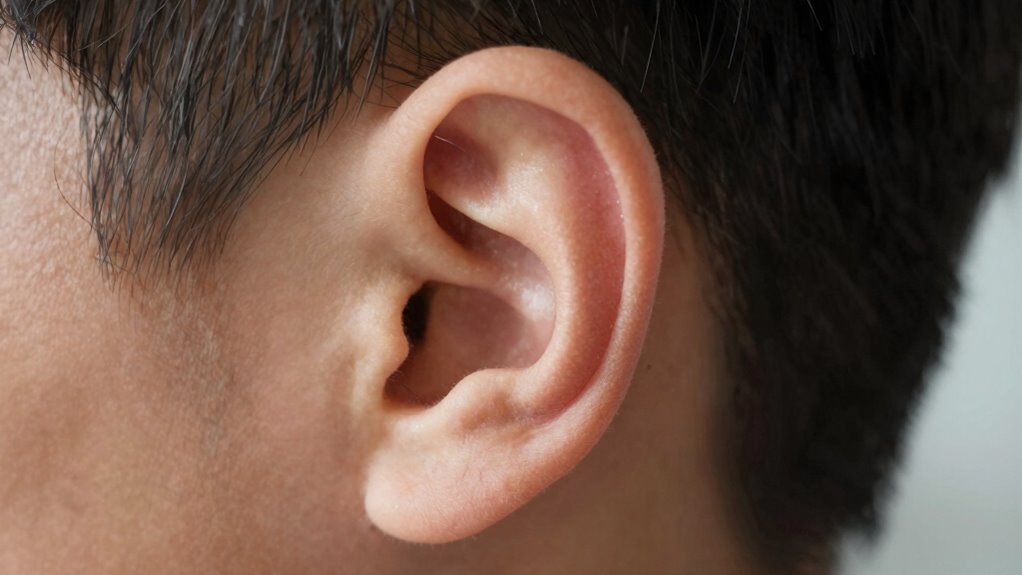
If your ears are ringing, consider how long the sound lasts and whether it’s a one-time thing or keeps coming back. Pay attention to any other symptoms like pain, dizziness, or hearing loss, as these can signal a problem. Also, note how often it happens to help determine if it’s normal or needs medical attention.
Duration of Ringing
When your ears start ringing after a concert or loud event, paying attention to how long the sound lasts can help you determine whether it’s normal or a sign of a problem. Generally, brief ringing that fades within a few seconds to minutes indicates normal auditory fatigue and healthy ear health. Longer-lasting ringing may signal ear damage or hearing issues. To visualize:
- The ringing fades quickly, like a whisper fading into silence.
- It persists for a few minutes, then gradually disappears.
- It lingers for hours, making it hard to concentrate.
- The ringing remains constantly, not fading at all.
If the ringing lasts more than a few minutes or persists into the next day, it’s a sign you should consult a healthcare professional. This helps prevent long-term damage and supports ear health.
Accompanying Symptoms
While occasional ringing after loud events is common, paying attention to other symptoms can help you distinguish normal ear fatigue from potential problems. If you notice dizziness, balance issues, or a feeling of fullness in your inner ear, these may indicate a more serious concern. Persistent or worsening ringing, especially when accompanied by sharp pain or loss of hearing, suggests that excessive sound pressure has affected your inner ear. You might also experience muffled sounds or a sensation of pressure that doesn’t resolve quickly. These accompanying symptoms signal that your ear may be reacting to sound trauma or injury, rather than normal noise exposure. Recognizing these signs early can prompt you to seek appropriate care and prevent further damage.
Frequency of Occurrences
How can you tell if your ringing ears are a normal response to noise or a sign of a problem? If the ringing occurs occasionally after loud shows, especially when your auditory processing returns to normal quickly, it’s likely normal. However, frequent or persistent ringing might indicate an underlying issue. Consider these scenarios:
- You hear ringing after every concert, not just once.
- The sound lasts hours or persists into the next day.
- The ringing interferes with your ability to focus or enjoy music therapy.
- You notice additional symptoms like dizziness or muffled hearing.
Repeated exposure to loud noise can strain your ears, affecting auditory processing. If your ringing becomes regular, seek advice to prevent long-term damage or hearing problems.
Easy Ways to Relieve Ringing After a Show
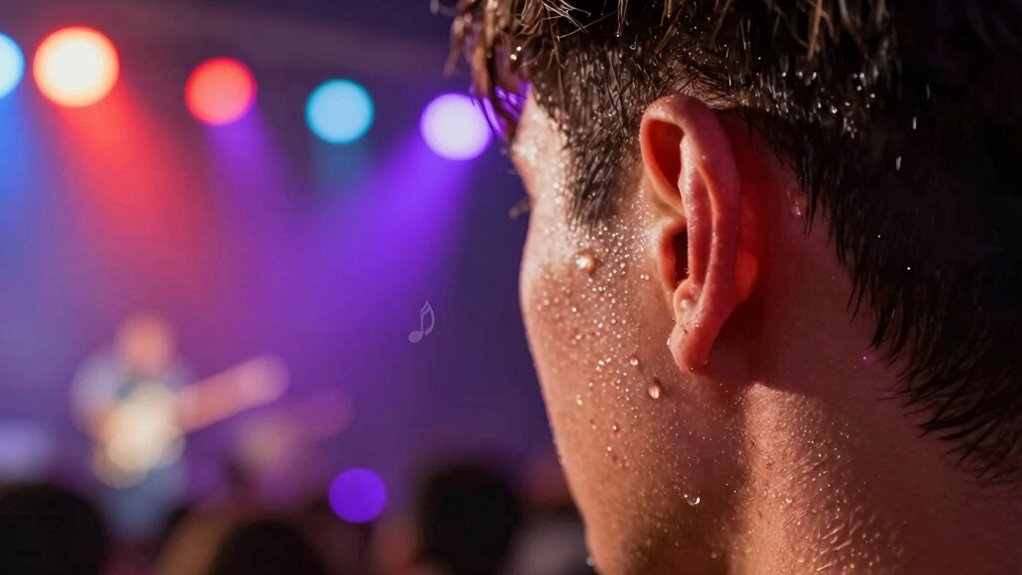
After a loud show, your ears can feel overwhelmed and start ringing, but quick and simple steps can help ease this discomfort. First, give your ears a break by moving to a quieter area to reduce sound levels. Avoid further exposure to loud noise, and consider using ear protection like foam earplugs if you’re at another event. Staying hydrated can also help your body recover, as dehydration may worsen ringing. Rest your ears by refraining from inserting objects or listening to loud music immediately afterward. If possible, gently massage the outer ear or do breathing exercises to promote relaxation. These small actions can help your ears recover faster and reduce the ringing, making you more comfortable until your ears settle down naturally.
When Should You See a Doctor About Persistent Tinnitus?
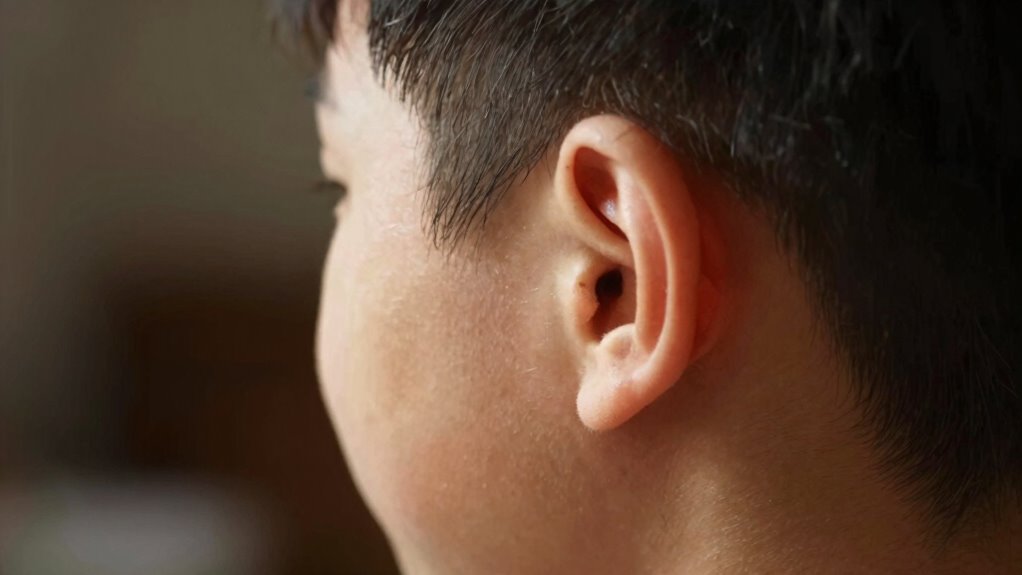
Persistent tinnitus warrants a timely visit to the doctor, especially if the ringing lasts longer than a few weeks or worsens over time. Ignoring these signs can harm your hearing health and delay effective treatment. You should see a healthcare professional if:
Persistent tinnitus needs prompt medical attention to prevent hearing damage and ensure proper treatment.
- The ringing persists despite resting your ears or avoiding loud environments
- You experience sudden hearing loss or dizziness
- The tinnitus worsens or becomes more frequent
- You notice ear pain, discharge, or a feeling of fullness
Seeking medical advice helps identify underlying issues and guarantees proper ear protection. Early intervention can prevent permanent damage and improve your quality of life. Don’t wait—prioritize your hearing health and get checked out if tinnitus becomes persistent or severe.
Frequently Asked Questions
Can Ear Ringing After Concerts Indicate Permanent Hearing Loss?
Ear ringing after concerts can indicate temporary damage from high sound levels, but it doesn’t necessarily mean permanent hearing loss. To protect your hearing, always use hearing protection in loud environments and avoid prolonged exposure to intense sound levels. If the ringing persists or worsens, it’s essential to see a specialist. Taking these precautions helps prevent long-term damage and preserves your hearing health.
How Long Does Temporary Tinnitus Typically Last?
Did you know that over 15% of people experience temporary tinnitus after loud events? Usually, temporary tinnitus lasts from a few minutes to a few hours, with most recovering within 24 hours. The duration of your tinnitus depends on exposure intensity and your ear health. To guarantee quick recovery, avoid loud noises and give your ears time to rest. If ringing persists beyond a day, consult a healthcare professional.
Are Certain Genres of Music More Likely to Cause Ear Ringing?
Certain genres of music can be more likely to cause ear ringing because of genre-specific damage linked to sound intensity. Loud genres like rock, metal, or electronic dance music often reach higher volumes, increasing your risk of temporary or permanent tinnitus. If you attend concerts or listen at high volumes, your ears are more vulnerable to damage, so always protect your hearing by keeping sound levels manageable.
What Are Early Signs of Hearing Damage From Loud Music?
You might notice early signs of hearing damage from loud music as muffled sounds, difficulty understanding speech, or a temporary ringing in your ears. To protect yourself, consider using hearing protection like earplugs at concerts and engaging in music therapy to promote ear health. Recognizing these signs early can help prevent long-term damage, so always be mindful of volume levels and give your ears regular breaks.
Can Ear Ringing Be a Sign of an Underlying Health Issue?
Hearing health isn’t just about loud noises; ear ringing can signal underlying health issues. While it’s common to associate tinnitus with noise exposure, persistent or sudden ringing may indicate auditory symptoms linked to circulatory problems, neurological conditions, or medication side effects. Don’t ignore these signs, as they could reveal more serious health concerns. Pay attention to your body, seek medical advice promptly, and protect your ears to maintain overall well-being.
Conclusion
Remember, about 15% of people experience temporary ringing after loud concerts, but it usually isn’t cause for concern. However, if your ears keep ringing or the sound doesn’t fade, it’s a sign to see a doctor. Protecting your ears now can prevent long-term damage. So next time you go to a show, bring earplugs and keep the volume in check—your hearing will thank you later!
Halloween Picks
halloween
As an affiliate, we earn on qualifying purchases.