
To understand satellite messenger specs, focus on placement for clear signal reception—ensure unobstructed sky views and consider external antennas for better connectivity. Pay attention to privacy features like encryption and controls to protect your data, especially in sensitive areas. Practical security includes regular updates, strong passwords, and disabling sharing when not needed. Durability matters too, so pick devices built tough for outdoor environments. Keep these basics in mind, and you’ll be ready for reliable, secure communication wherever you go.

Get audio and creator gear delivered free — and shop member deals
- Fast, free delivery on millions of items
- Access to Prime Big Deal Days deals on October 6–7
- Prime Video, Amazon Music and more included
Key Takeaways
- Optimal device placement with an unobstructed sky view enhances satellite signal reception and communication reliability.
- Privacy controls and encryption protect sensitive location data, allowing users to manage sharing and prevent unauthorized access.
- Rugged construction, water resistance, and shockproof features ensure durability in harsh outdoor conditions.
- Regular firmware updates and strong passwords strengthen device security against potential threats.
- Proper placement and security practices support effective emergency preparedness and safeguard personal information.
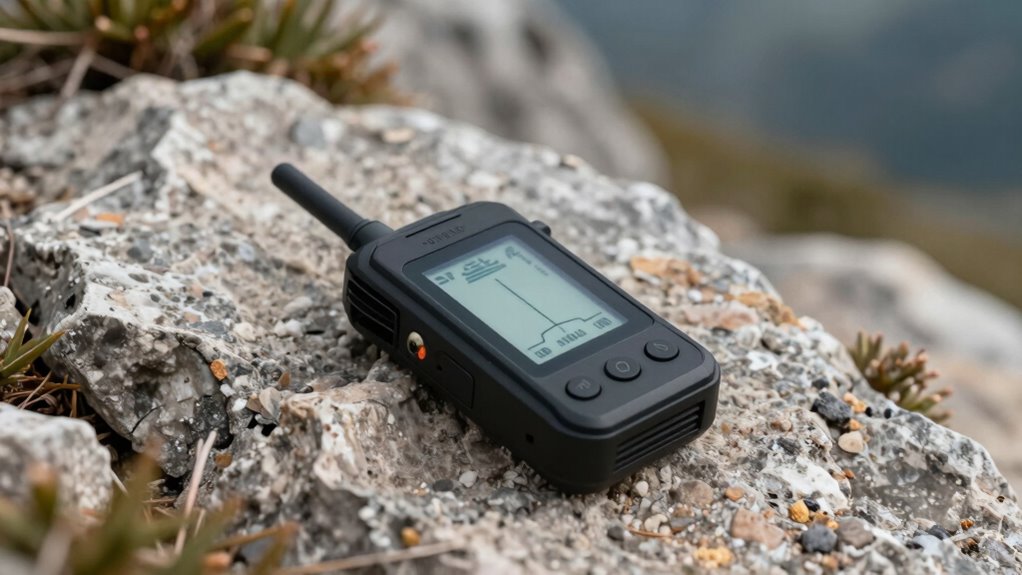
Satellite messenger devices are crucial tools for staying connected in remote areas where cell service is unavailable. Whether you’re hiking, camping, or heading into wilderness regions, these devices ensure you can reach out for help if needed. When evaluating a satellite messenger’s specifications, it’s important to take into account how well it supports your emergency preparedness plan. A key aspect of this is device durability. You want a device built to withstand the elements—think rugged construction, water resistance, and shockproof features. Hiking through rain, crossing rivers, or dropping your device shouldn’t compromise its functionality. Durability isn’t just about withstanding rough handling; it also means operating reliably under extreme temperatures and harsh conditions. A sturdy device ensures you’re prepared for unexpected situations, providing peace of mind that your communications will work when you need them most.
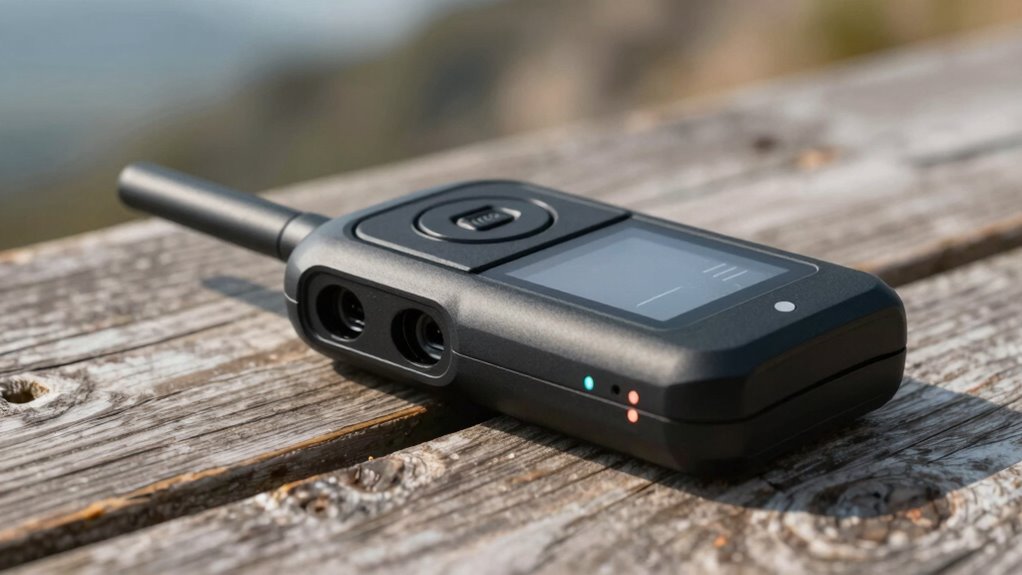
Placement of the device plays a significant role in performance. You should always carry it in a location that maximizes satellite signal reception—typically, an unobstructed view of the sky. If you’re in dense forests or deep canyons, signals can be obstructed, leading to delays or failures in message delivery. Many satellite messengers come with features like external antennas or clip-on attachments that can help improve reception, but the basic principle remains: the clearer the view of the sky, the better your chances of staying connected. Understanding the ideal placement helps you prepare strategically, ensuring your device functions effectively during emergencies. Additionally, device placement can influence the strength and reliability of your signal, which is vital for timely communication.
Optimal device placement with an unobstructed sky view enhances satellite signal reception and emergency connectivity.
Privacy is another critical consideration when choosing a satellite messenger. These devices often transmit sensitive location data, so you want to be sure your information stays secure. Look for models that use encryption protocols to protect your messages from interception. Additionally, understand how your device stores and shares data—some allow you to set privacy controls or disable location sharing when not needed. The ability to manage your privacy settings gives you control over who can see your information, which is especially important if you’re traveling through unfamiliar or sensitive areas. Proper placement and usage also contribute to your privacy; keeping the device close and secure prevents accidental sharing or theft.
Finally, understanding the practical security basics of your satellite messenger can prevent mishaps. Regularly updating firmware, using strong passwords or PINs, and knowing how to disable location sharing when necessary all contribute to your safety. Remember, your device’s durability ensures it can handle tough environments, but your personal security practices are equally crucial. Combining a rugged, well-placed device with strong privacy controls guarantees you’re prepared for emergencies, no matter where your adventures take you.
satellite messenger with external antenna
As an affiliate, we earn on qualifying purchases.
As an affiliate, we earn on qualifying purchases.
Frequently Asked Questions
How Long Do Satellite Batteries Typically Last During Extended Use?
During extended use, satellite messenger batteries typically last between 24 to 48 hours, depending on battery longevity and power management. You can maximize the device’s runtime by turning off non-essential features and enabling power-saving modes. Properly managing your satellite messenger’s settings guarantees you get the most out of its battery life, especially during long trips or emergencies. Regularly check and recharge the device to stay connected when you need it most.
Can Satellite Messengers Work Underwater or in Extreme Weather?
Like a ship weathering stormy seas, your satellite messenger isn’t designed to work underwater or in extreme weather. Underwater durability is limited, and most devices aren’t waterproof enough for submersion. Extreme weather resilience varies but generally isn’t sufficient for harsh conditions like heavy snow, lightning, or hurricanes. To stay connected, keep your device in protected, dry locations and avoid exposing it to severe weather, ensuring reliable communication when it matters most.
Are Satellite Signals Affected by Dense Urban Environments?
In dense urban environments, satellite signals can be affected by urban signal interference and building density effects. You might experience delayed or weak signals because tall buildings and infrastructure block or reflect satellite transmissions. To improve reception, try positioning your satellite messenger in open areas away from tall structures, and make certain it has a clear view of the sky. This helps minimize urban signal interference and enhances connectivity in busy city settings.
How Accurate Is the GPS Location Provided by Satellite Devices?
To cut to the chase, satellite devices usually offer GPS accuracy within 10 meters, but signal precision can vary based on conditions. Factors like weather, obstructions, and satellite positioning can throw a wrench in things, making your location less pinpointed. While they’re quite reliable, don’t expect them to replace your GPS app for turn-by-turn directions—think of it more as a general compass rather than a laser-focused tool.
What Are the Costs Associated With Satellite Messenger Subscriptions?
You’ll find that satellite messenger service plan costs vary depending on the provider and subscription tiers. Basic plans typically start around $5 to $25 per month, offering limited features like GPS tracking and basic messaging. Premium tiers, which include unlimited messaging, emergency services, and global coverage, can cost $40 or more monthly. It’s important to compare these service plan costs to choose the best option for your needs and budget.
rugged satellite communication device
As an affiliate, we earn on qualifying purchases.
As an affiliate, we earn on qualifying purchases.
Conclusion
Understanding satellite messenger specs isn’t just about tech; it’s about your safety when you need it most. When you choose the right device, you’re not only investing in security but also in peace of mind—just like that unexpected moment when a signal connects just in time. So, pay attention to placement, privacy, and security basics. After all, in the unpredictable outdoors, the right gear could be the coincidence that keeps you safe when it matters most.
waterproof satellite messenger for outdoor use
As an affiliate, we earn on qualifying purchases.
As an affiliate, we earn on qualifying purchases.
satellite messenger privacy encryption
As an affiliate, we earn on qualifying purchases.
As an affiliate, we earn on qualifying purchases.
Fall Picks
fall essentials
As an affiliate, we earn on qualifying purchases.