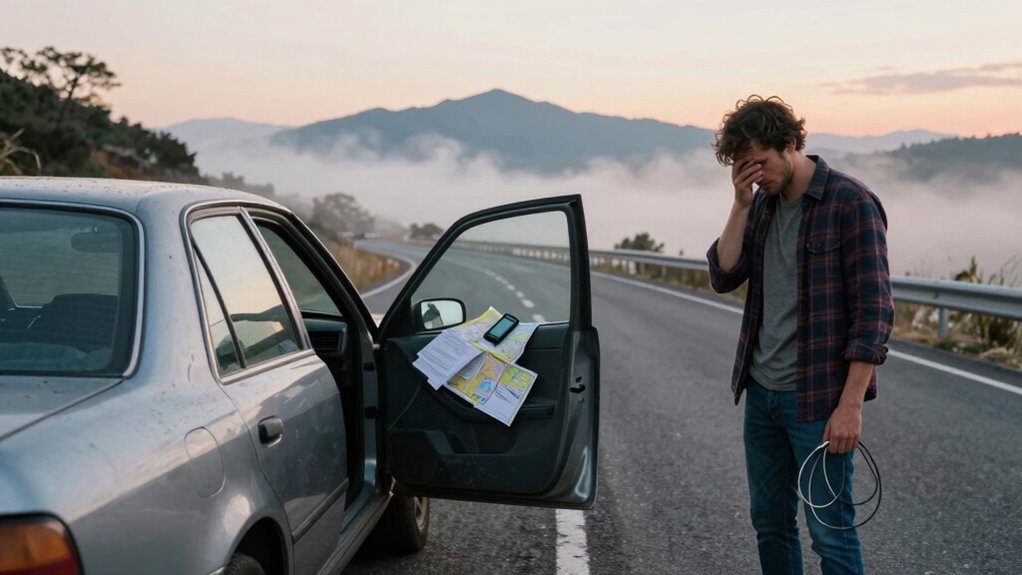

The biggest mistake that makes you late for every show is failing to plan your departure and travel time accurately. If you underestimate how long packing, loading, or traffic will take, delays are inevitable. Proper planning involves breaking your route into manageable segments, adding extra buffer time, and staying flexible for the unexpected. Keep these tips in mind, and you’ll avoid unnecessary delays—continue on to discover how to master your schedule effectively.
Key Takeaways
- Failing to plan an accurate departure time causes late arrivals and missed shows.
- Underestimating travel and setup time leads to rushing and delays.
- Neglecting proper vehicle maintenance results in unexpected breakdowns or stops.
- Overlooking buffer time for traffic and parking increases chances of being late.
- Poor organization of gear and pre-trip checks causes last-minute delays.
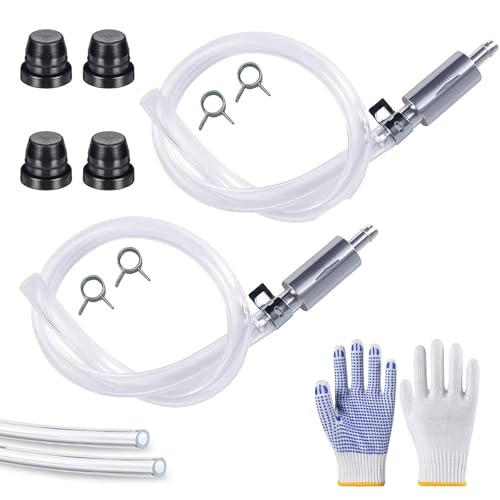
Liramera 2PCS Brake Bleeder Hose – One Way Check Valve Tube Bleeding Tool Kit for Car Motorcyle with Metal Clips
One Way Check Valve Brake Bleeder: Features an efficient one-way check valve to ensure brake fluid flows out…
As an affiliate, we earn on qualifying purchases.
As an affiliate, we earn on qualifying purchases.
The Biggest Road Trip Mistake That Makes You Late for Shows

The biggest road trip mistake that makes you late for shows is underestimating the significance of planning your departure time. If you neglect fuel planning, you risk running low or needing extra stops, which can delay your arrival. Before leaving, make sure your tank is full, and map out fuel stations along your route. Vehicle maintenance is equally vital; a poorly maintained vehicle can break down unexpectedly, causing serious delays. Check tire pressure, fluid levels, and the condition of belts and brakes beforehand. Skipping these steps might save time initially but can lead to costly setbacks. Proper preparation keeps your trip on schedule, helping you arrive on time for every show. Don’t underestimate how small maintenance and fuel checks can prevent major delays. Additionally, understanding the importance of projector setup can be crucial if you’re trying to catch a performance or presentation on time, as technical delays can be just as disruptive as vehicle issues.

ETENWOLF T300 Digital Tire Pressure Gauge 3-200 PSI, Industrial Tire Gauge Calibrated to ANSI B40.7 Grade 2A(Plus-Minus 0.5%), Replaceable AAA Batteries (Vivid Orange)
PROCESS LEVEL ACCURACY: Each ETENWOLF’s digital tire pressure gauge is calibrated manually to ANSI B40.7 Grade 2A(plus-minus 1…
As an affiliate, we earn on qualifying purchases.
As an affiliate, we earn on qualifying purchases.
How Underestimating Travel and Setup Time Causes Delays
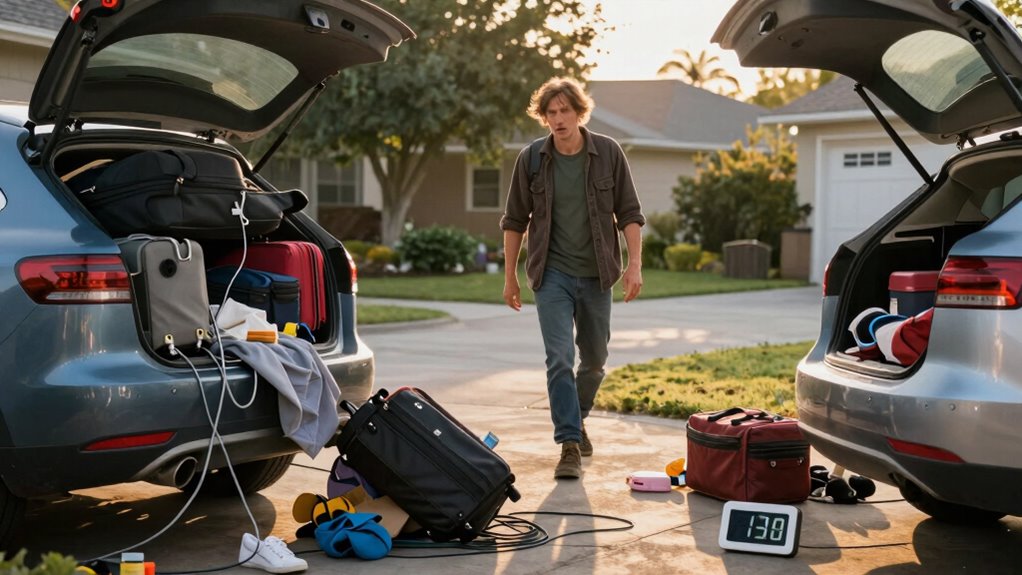
Underestimating how long travel and setup will take often leads to missed showtimes and stressful delays. Poor departure planning and disorganized gear can throw off your entire schedule. When you don’t allocate enough time, you risk rushing through setup or missing key departure windows, causing delays. Proper gear organization helps streamline loading and minimizes unexpected stops. Consider this:
| Step | Time Needed | Tips |
|---|---|---|
| Departure prep | 30 minutes | Pack night before, double-check gear |
| Travel | Varies, add buffer | Use maps and traffic info |
| Setup | 20 minutes | Organize gear in advance |

ONE PIX Backseat Car Organizer Mats Back Seat Organizers and Storage Bag with Touch Screen Tablet Holder for Kids Toddlers Car Seats, Travel Accessories, Road Trip Essentials Kids
【ULTIMATE SPACE SAVER & KEEP CAR CLEAN】: Tired of a messy backseat? Our car organizer with 8 large…
As an affiliate, we earn on qualifying purchases.
As an affiliate, we earn on qualifying purchases.
How to Accurately Estimate Your Travel and Prep Time
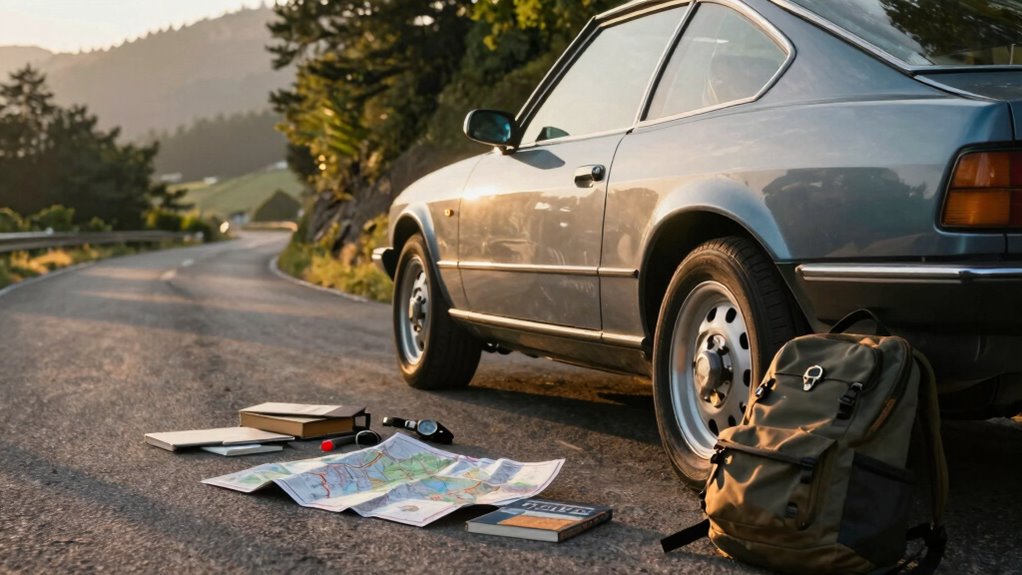
Accurately estimating your travel and prep time starts with a clear understanding of all the steps involved and their typical durations. Effective route planning helps you anticipate driving times and potential delays, so you can allocate enough time for each segment. When packing gear, give yourself extra minutes for unexpected issues or last-minute additions. To improve your estimates, consider these tips:
- Break down your route into segments and add buffer time between stops
- Account for time to load and unload gear packing
- Check for real-time traffic updates before departure
- Include time for bathroom breaks and meals
- Practice packing efficiently to avoid last-minute scrambling
- Incorporate European cloud solutions to streamline your trip planning and communication, ensuring all logistics are managed smoothly.

Motorcycle Fuel Line Hose with 5mm ID & 8mm OD,Portable Dirt Bike Fuel Line Hose for Fuels Transportation,Small Engine Fuels Lines Motorcycle Accessories for Motorcycles,Dirt Bike
Product Specification: Our motorcycle fuel line has total length is 39.37 inch, an OD of 0.31 inch and…
As an affiliate, we earn on qualifying purchases.
As an affiliate, we earn on qualifying purchases.
Create a Realistic Schedule and Build Buffer Time

Creating a realistic schedule is essential to staying on time, but it’s just as important to build in buffer time for unexpected delays. Achieving timing precision helps you avoid rushing and reduces stress, but even with perfect estimates, things can go awry. That’s where contingency planning comes in. Allocate extra time between stops, loading, and travel segments to account for traffic, last-minute prep, or unforeseen issues. By intentionally adding buffer time, you create a safety net that prevents small delays from snowballing into lateness. Remember, a well-structured schedule isn’t just about strict timings; it’s about flexibility and foresight. Incorporating home décor inspiration into your planning can help you visualize and organize your trip more effectively. This approach ensures you stay on track, arrive prepared, and avoid the last-minute scramble that often causes you to be late for every show.
Stay Flexible and Handle Unexpected Delays
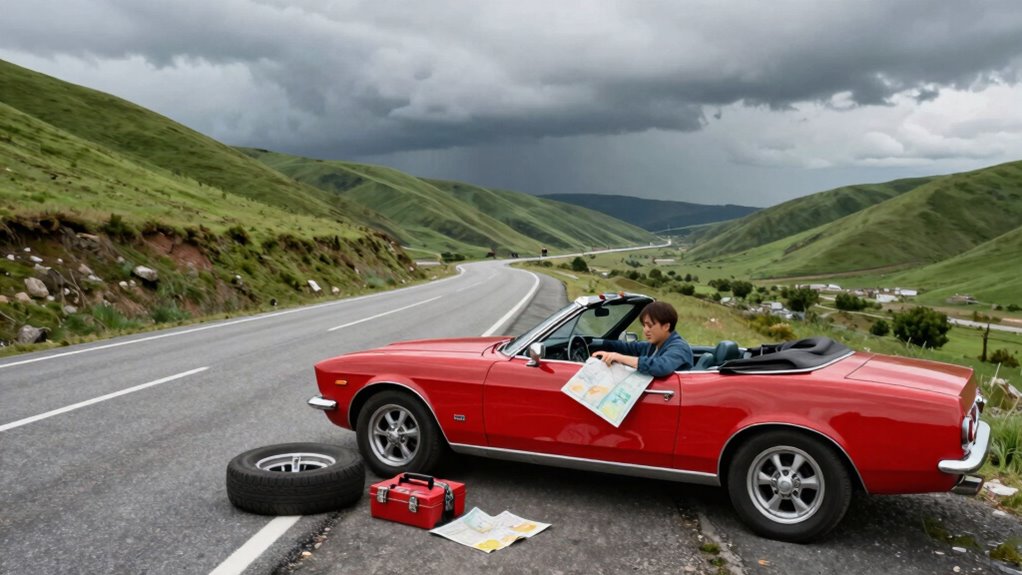
Even with a well-planned schedule, unexpected delays can still throw you off course. Traffic, loading zones, or finding parking spots can cause last-minute setbacks. Staying flexible keeps you from panicking and helps you adapt quickly. When delays happen, reassess your plan and adjust your timing. Keep a close eye on parking options and loading zones to avoid wasting extra minutes searching. Consider alternative parking spots a little farther away and be ready to change your route if necessary. Remember, most delays are temporary, so staying calm and adaptable helps you stay on schedule. Additionally, being aware of auditory processing challenges can help you better interpret real-time traffic updates and communicate effectively if plans shift.
Frequently Asked Questions
How Can I Better Predict Traffic Conditions on My Route?
To better predict traffic conditions, you should study traffic patterns on your usual routes and use route forecasting tools. Check live traffic updates on GPS apps or websites before leaving, and consider alternative routes in case of delays. Keep an eye on real-time data, and plan to leave earlier during peak hours. This proactive approach helps you avoid unexpected delays and arrive on time for every show.
What Tools Can Help Me Plan More Accurate Travel Times?
You can improve your travel time accuracy by using travel apps that specialize in route optimization. Apps like Google Maps, Waze, or Apple Maps analyze real-time traffic data to suggest the fastest routes and estimated arrival times. These tools update frequently, helping you adjust your plans on the fly and avoid delays. Incorporating these travel apps into your planning guarantees more precise timing, so you arrive on schedule for every show.
How Do I Communicate Delays to Event Organizers Effectively?
Imagine the chaos if you don’t communicate delays effectively! You should give event organizers real-time updates as soon as you spot a delay, showing you’re proactive and responsible. Use clear, concise language, and include your contingency plan—like estimated arrival time changes. This honest approach builds trust, keeps everyone in the loop, and shows you’re committed to making it right, even when things go awry.
What Are Common Signs of Underestimated Travel Times?
You can spot underestimated travel times by paying attention to traffic patterns, like sudden slowdowns or frequent congestion, which often indicate your initial travel estimations are off. If you notice your route is taking longer than expected, it’s a sign to reassess and leave earlier next time. Keeping an eye on real-time traffic updates helps you adjust your plans and avoid unexpected delays, ensuring you stay on schedule.
How Should I Adjust My Schedule When Unexpected Delays Occur?
When unexpected delays happen, you should immediately add a time buffer to your schedule and stay flexible with your route. Adjust your departure time or reroute if possible to avoid further delays. Keep an eye on real-time traffic updates and be ready to adapt. This way, you minimize lateness and stay on track, ensuring you arrive prepared and on time for your shows.
Conclusion
If you want to stay on time, don’t let your plans drift like a leaf in the wind. Build in extra time like a safety net beneath a high wire, and stay flexible like a river carving its path. Remember, even the best-laid plans can hit a bump, but with a little foresight and patience, you’ll glide smoothly from one show to the next, never letting delays dance around your schedule again.