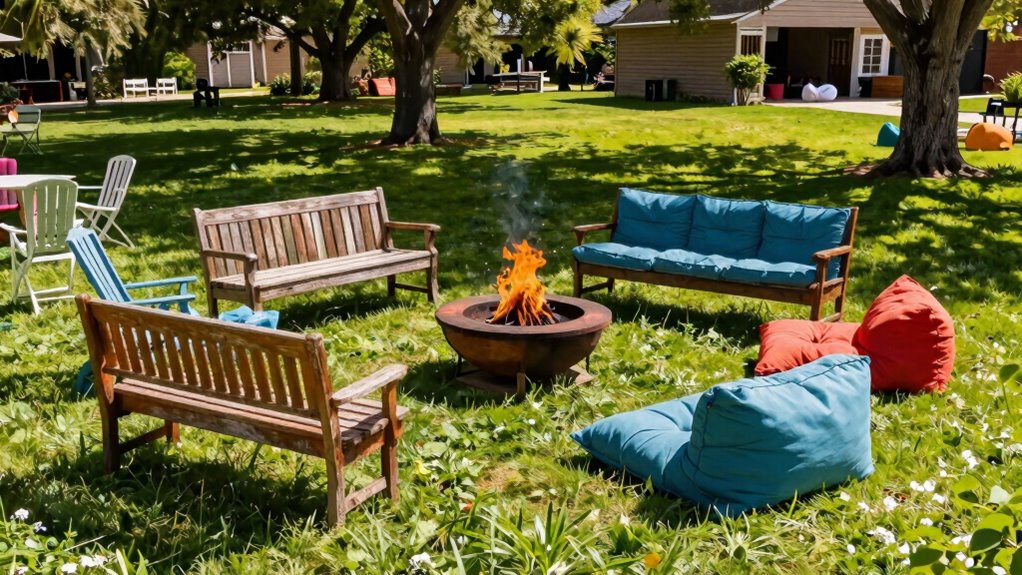

When considering pits, seats, and lawns, you’ll find practical pros like creating inviting social spaces, boosting outdoor comfort, and adding natural beauty—all at the expense of upkeep and safety concerns. Fire pits offer warmth and ambiance but need careful placement and maintenance. Durable seating provides comfort but varies in cost and weather resistance. Lawns add appeal but require regular care and water management. To make the most of your outdoor area without hype, explore the key factors that suit your lifestyle and style.
Key Takeaways
- Fire pits create inviting focal points and extend outdoor seasons but require safe placement and ongoing maintenance.
- Outdoor seats offer comfort and durability with weather-resistant materials but need regular cleaning and protective treatments.
- Lawns add aesthetic appeal and cooling benefits but demand consistent care and water management for sustainability.
- Combining these elements enhances outdoor space functionality and style, avoiding fleeting trends for long-term appeal.
- Proper planning balances safety, comfort, and environmental impact, ensuring a timeless and practical backyard environment.
What Are Your Outdoor Space Options? Pits, Seats, and Lawns
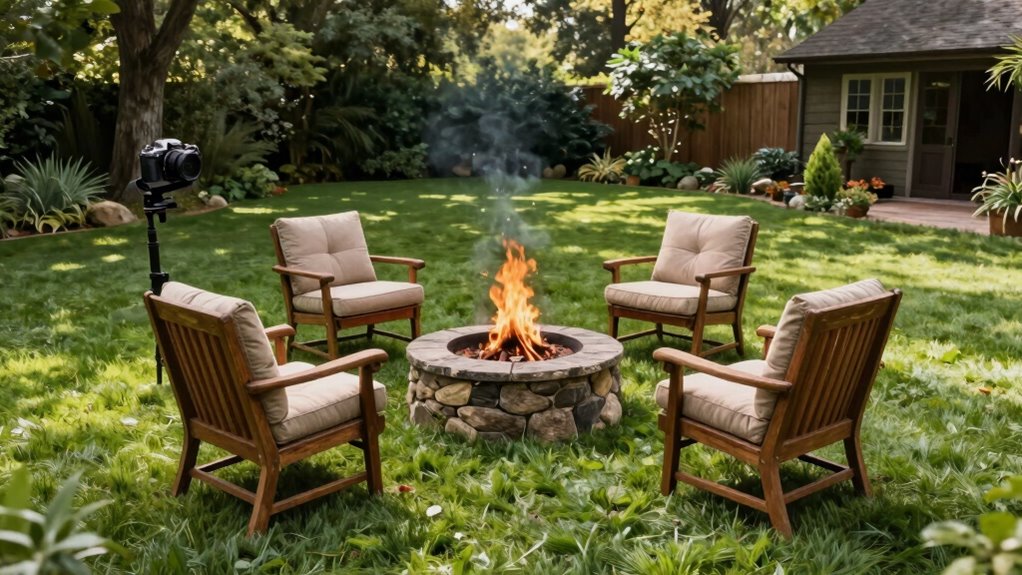
Your outdoor space offers a variety of options to enhance your backyard experience, including pits, seats, and lawns. When adding a fire pit, prioritize fire pit safety by keeping it away from flammable materials and never leaving it unattended. Proper lawn aeration is also essential to maintain healthy grass, allowing air, water, and nutrients to reach roots effectively. These improvements can create a welcoming environment while preventing potential hazards. Think about seating arrangements that encourage conversation and relaxation, complementing your outdoor features. You can also choose to incorporate a lawn for activities or simply for aesthetic appeal. By carefully planning these elements, you’ll maximize your outdoor space, making it both functional and enjoyable for family and friends alike. Understanding the 16PF traits can also help you tailor your outdoor spaces to better suit your personality and preferences.
How Do Fire Pits Enhance Outdoor Living? Benefits and Best Uses

Fire pits are a popular addition to outdoor spaces, offering more than just warmth and light. They considerably enhance fire pit aesthetics, creating a focal point that elevates your outdoor ambiance. A well-designed fire pit invites gatherings, encouraging conversation and relaxation. It extends your outdoor living season, allowing you to enjoy chilly evenings comfortably. With the right placement, a fire pit can define zones within your yard, making the space feel more inviting. Besides aesthetics, fire pits add value by making your outdoor area more functional and enjoyable. They’re perfect for roasting marshmallows, telling stories, or simply unwinding under the stars. Overall, a fire pit transforms your backyard into a cozy retreat, enriching your outdoor living experience in countless ways. Modern outdoor design trends emphasize integrating energy-efficient and sustainable features, making your fire pit not only attractive but also eco-friendly and cost-effective.
Which Outdoor Seating Options Are Comfortable and Durable? Pros and Cons
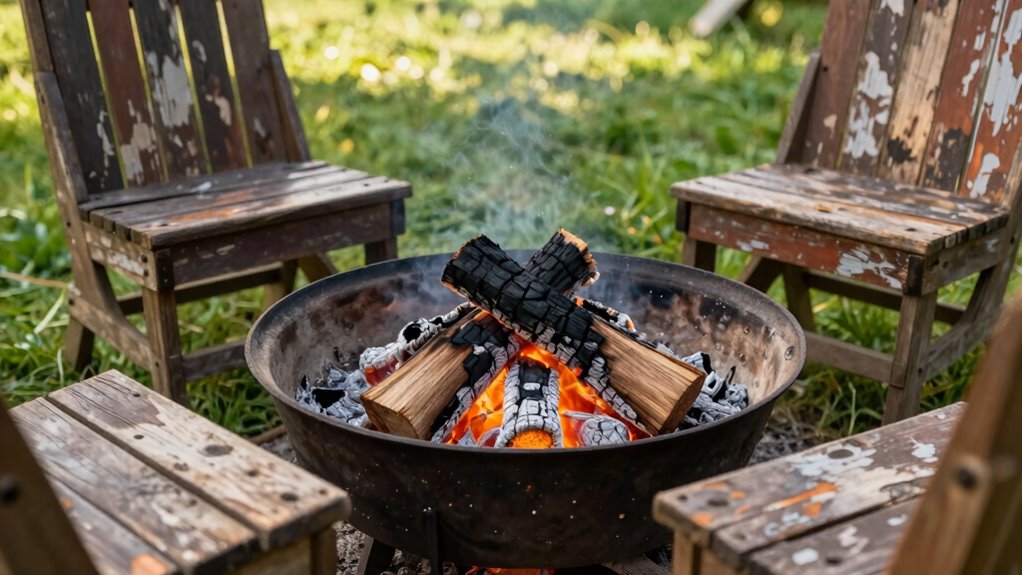
Choosing outdoor seating means balancing comfort with durability, so you get both relaxation and longevity. Material quality plays a key role, affecting how well your furniture withstands weather and wear over time. Considering maintenance needs helps guarantee your seating remains inviting and functional year after year. Additionally, selecting furniture with weather-resistant materials ensures your investment endures through changing seasons and environmental conditions.
Comfort and Seating Style
When selecting outdoor seating, comfort and durability are key factors to contemplate. You want something that feels good to sit on and withstands weather, especially if you plan to enjoy your fire pit or maintain your lawn care routine. Comfortable options like cushioned chairs or deep-seated loungers make relaxing easy, while durable materials such as treated wood or metal stand up over time. Additionally, choosing builds confidence in your seating choices ensures you can enjoy your outdoor space without worry. Consider these when choosing your seating: – Cushioned seats for added comfort during long lawn care sessions – Weather-resistant materials that don’t warp or rust – Ergonomic design for better posture around the fire pit – Stylish options that match your outdoor aesthetic – Easy-to-clean surfaces to keep your space inviting Prioritize comfort and style to create a cozy, durable outdoor retreat.
Material Durability Factors
Selecting outdoor seating that balances comfort with durability means understanding how different materials perform in outdoor conditions. Material strength is vital, as it determines how well a piece withstands daily use and weight. Weather resistance is equally important, ensuring your seats resist rain, sun, and temperature fluctuations without deteriorating quickly. For example, metal options like aluminum offer excellent weather resistance and high material strength, but can get hot in the sun. Teak wood is naturally durable and resists moisture, though it may require treatment over time. Plastic or resin seats are lightweight and resistant to weather, but may crack or fade faster. Additionally, UV protection can help prevent fading and degradation caused by sun exposure. By considering both material strength and weather resistance, you can select outdoor seating that lasts and remains comfortable over the years.
Maintenance and Longevity
Outdoor seating options vary widely in both comfort and durability, so understanding their maintenance needs and lifespan is essential for making a smart investment. To keep your seats in top shape, regular cleaning and protective treatments are crucial. For example, wooden seats may need sealing to prevent weather damage, while metal options require rust prevention. Fire safety considerations are vital, especially around open flames or grills. Pest control is also important; cushions and fabric can attract insects, so proper storage and cleaning help. Longevity depends on material quality and upkeep. Using the right maintenance techniques can significantly extend the lifespan of your outdoor furniture.
Should You Plant a Lawn? Key Benefits and Things to Consider

Thinking about planting a lawn? Consider how it naturally cools your outdoor space, but also be aware of its water needs and maintenance requirements. Additionally, weigh the environmental impact to decide if it’s the right choice for your yard. Incorporating lawn maintenance practices can help manage water consumption and upkeep effectively.
Natural Cooling Benefits
Have you ever noticed how a lush lawn can make a hot day feel more bearable? It’s not just about looks—grass provides natural cooling by reducing the surrounding air temperature. This cooling effect helps you stay comfortable outdoors, especially when hosting gatherings around your fire pit. Plus, a healthy lawn can improve fire pit safety by preventing dry, cracked grass that’s prone to sparks. Proper lawn fertilization guarantees your grass stays vibrant and resilient, maximizing its cooling benefits. Additionally, a well-maintained lawn reduces heat absorption, lowering your overall energy costs. Remember, a cooler yard invites more outdoor enjoyment and less heat-related stress. So, planting a lawn isn’t just for aesthetics; it’s a smart move for a cooler, safer outdoor space. Incorporating compact sweepers into your outdoor maintenance routine can help keep the area clean and safe, further enhancing your outdoor experience.
Maintenance and Water Needs
Maintaining a lush, healthy lawn requires understanding its water and care needs. Proper watering ensures your grass stays vibrant without wasting resources, supporting water conservation efforts. Be mindful of your sprinkler schedule to avoid overwatering, which can lead to fungal issues and increased fire safety risks during dry seasons. Regular mowing, aeration, and fertilization help keep the grass resilient and healthy, reducing the need for excessive watering. Avoid watering during the hottest parts of the day to minimize evaporation. Keeping your lawn well-maintained also reduces fire hazards by preventing dry, dead patches that can easily ignite. Additionally, understanding watering best practices can help you strike the right balance between hydration and conservation. Balancing adequate hydration with mindful water use not only keeps your lawn green but also promotes safety and responsible resource management.
Environmental Impact Considerations
Deciding whether to plant a lawn involves weighing its environmental benefits against potential drawbacks. Lawns can promote biodiversity and reduce heat, but they may also require significant water and chemical use. To minimize environmental impact, consider local environmental policies about pesticide and fertilizer use. Recycling options for grass clippings and organic waste help reduce landfill waste and improve soil health. Here are some key points to think about:
- Choose drought-resistant grass varieties to cut water use
- Limit chemical fertilizers and pesticides
- Implement composting and recycling options
- Follow local environmental policies for sustainable landscaping
- Reduce lawn size to conserve resources
Additionally, selecting eco-friendly lawn care practices can further decrease your environmental footprint.
What Are Common Maintenance Challenges With Pits, Seats, and Lawns?
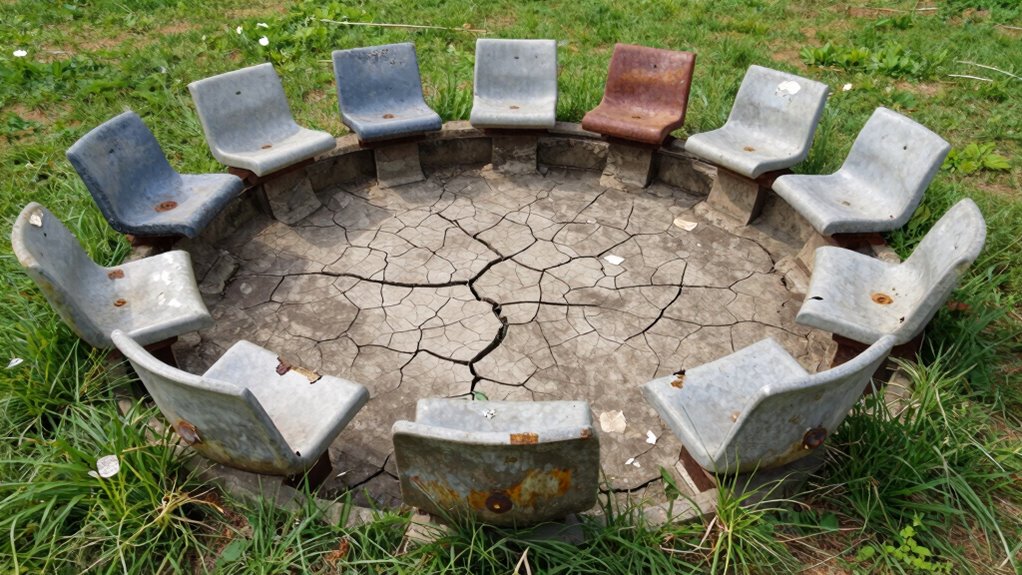
One common challenge with pits, seats, and lawns is dealing with wear and tear that can quickly diminish their appearance and functionality. For fire pits, maintaining fire pit safety is essential; over time, dirt, debris, and corrosion can compromise safety and performance. Regular cleaning and inspections help prevent hazards. When it comes to lawns, pest control becomes a constant battle—unsightly damage from insects and rodents can ruin your outdoor space. You’ll need to stay vigilant with lawn pest control to keep your grass healthy and vibrant. Seats, especially wooden or fabric ones, are prone to weather damage, rotting, or fading. Protecting your outdoor furniture with covers and performing routine repairs can extend their lifespan. Addressing these challenges early keeps your outdoor areas looking great and functioning safely.
How Much Do Outdoor Features Cost and What Is the Maintenance?

The costs of outdoor features like pits, seats, and lawns vary widely depending on materials, size, and quality. You could spend a few hundred dollars on simple garden lighting or thousands on custom-built fire pits and premium seating. Keep in mind, maintenance isn’t just about upkeep; it involves contemplating outdoor storage for tools and accessories. Here’s what to consider:
Outdoor feature costs vary from affordable lighting to premium fire pits, with maintenance and storage considerations.
- Basic lawn care is inexpensive but can add up with regular watering and fertilizing
- Installing durable seating options may require a bigger upfront investment
- Fire pits vary from DIY setups to professional installations
- Garden lighting costs depend on complexity and type, affecting energy use
- Proper outdoor storage keeps everything organized and extends the lifespan of your features
Budget accordingly for both initial costs and ongoing maintenance.
How Do You Choose the Best Setup for Your Lifestyle? Relaxing, Entertaining, or Playing

Choosing the best outdoor setup depends on how you plan to use your space—whether for relaxing, entertaining, or playing. If relaxation is your goal, prioritize comfortable seating and a fire pit, but always keep fire pit safety in mind, guaranteeing proper clearance and supervision. For entertaining, create a versatile area with ample seating, lighting, and easy access to a well-maintained lawn irrigation system that keeps your yard lush and inviting. If you want a space for playing, focus on a durable lawn with enough open area for games and activities. Consider how your lifestyle involves social gatherings or quiet evenings. Tailoring your setup to these needs ensures you get the most enjoyment and functionality from your outdoor space while maintaining safety and proper lawn care.
What Materials and Designs Work Best for Outdoor Features? Tips and Ideas
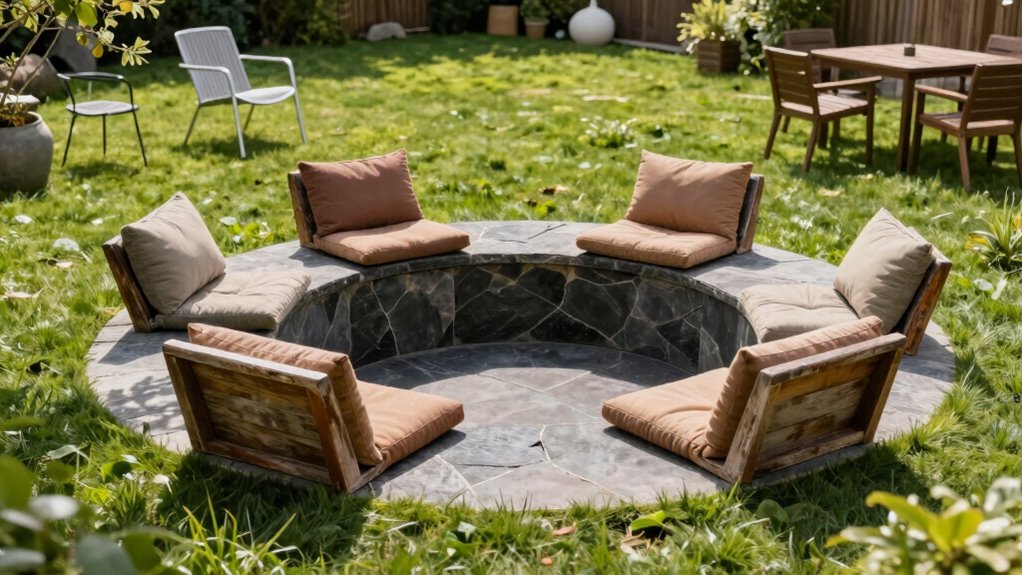
Selecting the right materials and designs for your outdoor features can dramatically enhance durability and style. For garden lighting, opt for weather-resistant fixtures like stainless steel or copper to withstand the elements. Privacy screens made from bamboo, lattice, or outdoor fabric add privacy while keeping a natural look. When choosing seating, consider sturdy materials like teak, metal, or recycled plastic that resist weathering. Incorporate versatile designs that blend function and aesthetics, such as modular furniture or built-in benches. For your lawn, durable turf or natural grass adapted to your climate works best. Remember, combining practical materials with thoughtful design creates a cohesive, inviting outdoor space that lasts. Focus on weather-resistant, low-maintenance options for longevity and visual appeal.
How Can You Balance Looks and Practicality in Your Outdoor Space?
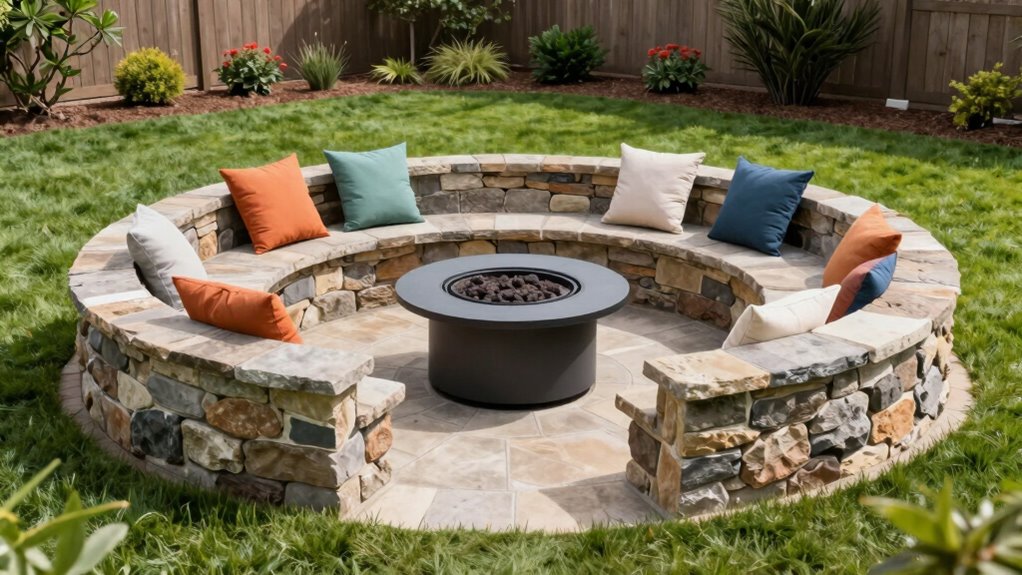
Balancing style and practicality in your outdoor space means choosing materials that look great and stand up to weather. You’ll also need to take into account how much maintenance each option requires to keep things looking fresh. Finally, finding the right mix of comfort and functionality ensures your space is inviting without sacrificing usefulness.
Material Durability and Style
Finding the right materials for your outdoor furniture means considering both durability and style from the start. You want furniture that withstands weather and looks great. Fireproof materials are a smart choice for safety and longevity, especially around fire pits. When selecting style options, think about colors, textures, and finishes that complement your landscape.
To balance looks and practicality, consider:
- Weather-resistant wood with a sleek finish
- Powder-coated metal for a modern vibe
- Synthetic wicker that mimics natural textures
- Fireproof materials like treated stone or concrete
- Bright cushions with fade-resistant fabrics
Choosing versatile, durable options guarantees your outdoor space remains attractive and functional for years to come.
Maintenance Needs and Appearance
When choosing outdoor furniture, considering both how it looks and how much maintenance it needs helps keep your space attractive and practical. Regular cleaning and sealing can preserve its appearance, but be mindful of garden pests that might damage surfaces. For wooden pieces, maintaining good soil quality around your furniture can prevent rot and pest issues. If you prefer low-maintenance options, choose materials like resin or metal, which resist pests and weathering with minimal upkeep. Pay attention to the finish; a well-sealed surface reduces dirt buildup and keeps the furniture looking fresh. Balancing aesthetics and upkeep involves selecting durable materials, managing pests, and nurturing soil health—so your outdoor space remains inviting without demanding excessive effort.
Comfort Versus Practicality
Creating an outdoor space that looks inviting and feels comfortable often involves choosing furniture that balances style with practicality. You want it to be appealing yet functional, without sacrificing safety or ease of use. To achieve this, consider fire safety—avoid placing flammable decor near your fire pit—and how your garden design influences comfort.
Here are some tips:
- Opt for durable, weather-resistant furniture
- Incorporate cushions that are easy to clean
- Use lighting that enhances ambiance and safety
- Select a fire pit with proper clearance and safety features
- Balance aesthetics with ease of maintenance
Making the Most of Your Outdoor Area Without Falling for Trends
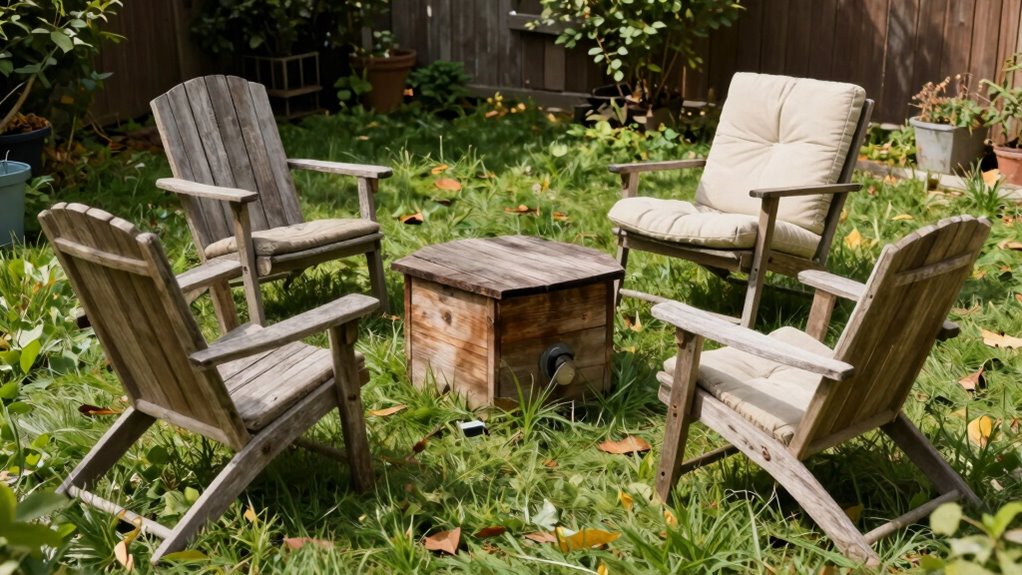
To make the most of your outdoor space without chasing fleeting trends, focus on timeless pieces that suit your lifestyle and personal style. Invest in quality garden décor that adds character without feeling trendy or fleeting. Choose classic furniture pieces made from durable materials that won’t quickly go out of style. Incorporate outdoor lighting that enhances safety and ambiance, rather than following the latest lighting fads. Thoughtful placement of string lights, lanterns, or solar-powered fixtures can create a warm, inviting atmosphere. Remember, your outdoor area should reflect your taste and be functional for your needs. By selecting versatile, enduring elements, you build a space that remains appealing year after year—without the constant need for upgrades or trendy replacements.
Frequently Asked Questions
How Do Local Climate Conditions Influence Your Outdoor Feature Choices?
Your local climate greatly influences your outdoor feature choices by dictating climate adaptation and seasonal planning. If you face cold winters, you might opt for durable, weather-resistant materials or heated seating options. In warmer climates, shade structures and drought-tolerant plants become essential. Adjusting your outdoor setup based on seasonal changes guarantees comfort and longevity, allowing you to enjoy your space year-round while minimizing maintenance and weather-related issues.
What Safety Considerations Should Be Prioritized for Outdoor Pits and Seating?
You should prioritize child-proofing hazards and fire safety measures around outdoor pits and seating. Make certain the pit is securely enclosed or has a protective barrier to prevent children from falling in. Keep fire extinguishers nearby and never leave a burning pit unattended. Use spark guards and choose safe, non-flammable materials for seating. Regularly inspect your setup for hazards, and educate everyone about fire safety to prevent accidents.
Are There Eco-Friendly Materials Suitable for Outdoor Pits, Seats, and Lawns?
Yes, you can choose eco-friendly materials like recyclable plastics for outdoor pits, which reduce waste and are durable. For seats and lawns, natural fibers such as hemp or jute work well, offering sustainability and comfort. These materials are environmentally friendly, helping you minimize your carbon footprint while maintaining functionality and style. By selecting recyclable plastics and natural fibers, you support greener outdoor spaces that are both safe and eco-conscious.
How Can You Personalize Outdoor Features to Reflect Your Style?
You can personalize your outdoor features by adding garden art that reflects your style, like sculptures or decorative planters. Incorporate unique lighting accents, such as string lights or solar lanterns, to create ambiance. Choose colors and materials that match your personality, and arrange your seating and pits in a way that feels inviting and personal. This way, your outdoor space becomes a true extension of your individual taste.
What Are the Best Practices for Winterizing Outdoor Pits and Lawns?
To winterize your outdoor space, follow these simple steps. First, focus on fire pit maintenance—clean out ashes, cover the pit, and store any tools safely. Next, plan lawn winter prep by mowing the grass short, removing debris, and applying a winterizer fertilizer. Protect plants and furniture with covers, and drain hoses to prevent freezing. Proper preparation prevents problems and keeps your outdoor oasis pristine through the winter.
Conclusion
Your outdoor space is a canvas waiting for your personal touch—each feature a brushstroke symbolizing comfort, connection, and energy. By thoughtfully balancing pits, seats, and lawns, you create a sanctuary that reflects your lifestyle and values. Remember, the true beauty lies in harmony, where practicality meets beauty, and function nurtures your soul. Embrace each element as a story, and let your outdoor area become a living symbol of your life’s journey.