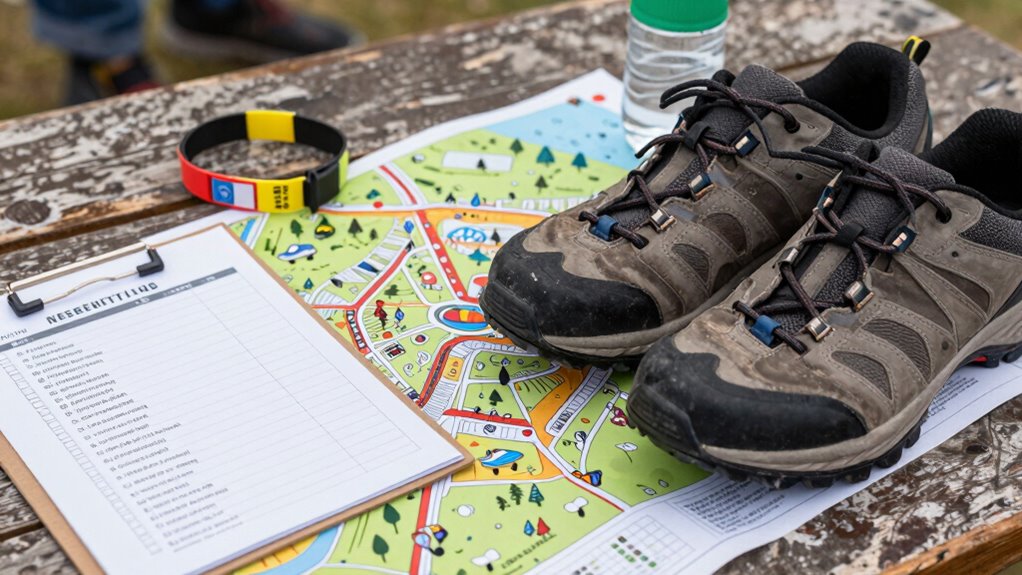

To prepare your premium walking shoes for all-day festivals, avoid common mistakes like choosing the wrong material, which can cause discomfort. Make sure your shoes fit well and are properly broken in to prevent blisters. Confirm they provide good arch support and have flexible, supportive soles suited to the terrain. double-check the heel fit and use cushioned insoles if needed. Taking these steps helps keep your feet comfortable and healthy throughout the event—if you continue, you’ll learn even more tips for a perfect setup.
Key Takeaways
- Choose breathable, lightweight materials like mesh or leather to prevent heat buildup and blisters.
- Ensure proper arch support tailored to your foot type to reduce fatigue and maintain comfort.
- Break in shoes gradually and confirm a snug fit with enough toe space and secure heel to avoid blisters.
- Select flexible, shock-absorbing soles suitable for extended walking and the festival environment.
- Double-check fit and support before extended use, adding insoles or pads if needed to prevent discomfort.
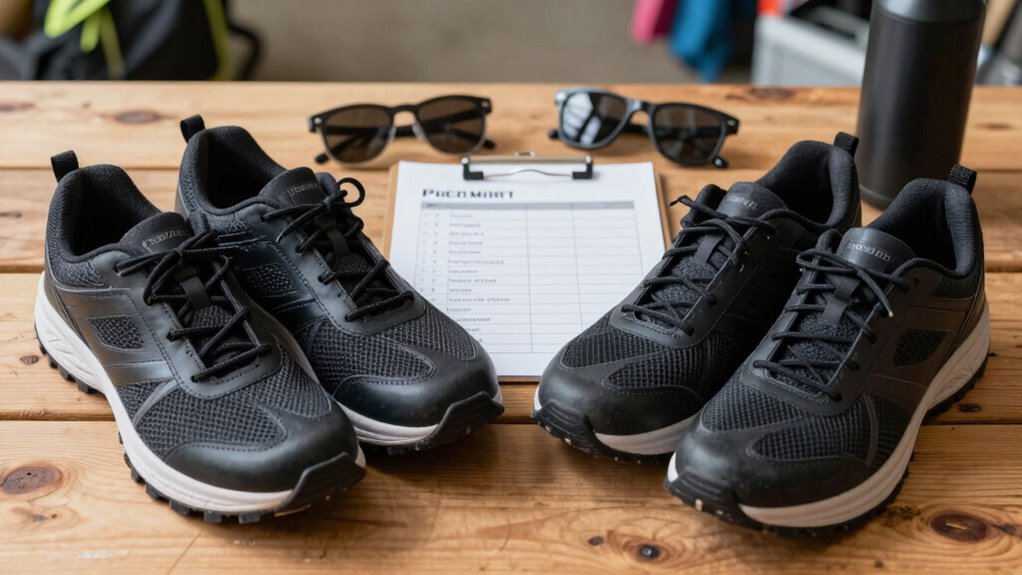
Choosing the right walking shoes is essential for comfort and preventing injuries, but setting them up properly guarantees you get the most out of each step. When selecting your footwear, the shoe material plays a crucial role. Opt for breathable fabrics like mesh or lightweight leather that allow airflow, helping to keep your feet dry and comfortable throughout long hours. Avoid synthetic materials that trap heat and moisture, which can lead to blisters and discomfort. The sole should be flexible enough to accommodate your natural stride, yet supportive enough to absorb shock. Remember, the material of the shoe influences its durability and breathability, so choose wisely based on the festival environment and your personal needs.
Choose breathable, flexible shoes with supportive soles suited to your needs and environment.
Equally important is ensuring your shoes provide proper arch support. Arch support helps distribute pressure evenly across your feet, reducing fatigue and preventing common issues like plantar fasciitis or arch pain. If you have high arches, look for shoes with extra cushioning in the midsole, or consider custom insoles tailored to your foot shape. Conversely, if your arches are flat, choose shoes with enhanced stability features to prevent overpronation. When trying on walking shoes, pay attention to how they support your arch — you should feel a gentle lift without any pinching or excessive tightness. Proper arch support not only enhances comfort but also guards against injuries by maintaining correct foot alignment during extended walking sessions.
Before heading out, break in your shoes gradually. Wear them around the house or for shorter walks to allow the shoe material to adapt to your feet. This step is vital, especially if your shoes feature stiff soles or new arch support inserts. Make sure your shoes fit snugly but leave enough room for your toes to move freely — about a thumb’s width of space at the front. Tight shoes can cause blisters and restrict circulation, while loose shoes may lead to chafing and instability. Double-check that the heel fits securely without slipping, as this can cause blisters and disrupt your stride. Consider using cushioned insoles or gel pads to enhance comfort, but avoid overstuffing your shoes, which can alter their fit and compromise support. Additionally, proper footwear fit is essential for preventing discomfort during extended walks.
Ultimately, setting up your walking shoes correctly involves paying attention to the material, ensuring adequate arch support, and getting the fit just right. Doing so prevents common problems like blisters, foot pain, and fatigue, making your festival experience more enjoyable. Remember, well-prepared shoes help you stay comfortable and energized, letting you focus on the fun rather than discomfort or injuries. Proper setup isn’t just about choosing the right shoes — it’s about making sure they’re ready to support you every step of the way.
Frequently Asked Questions
How Often Should I Replace My Festival Walking Shoes?
You should replace your festival walking shoes when their shoe durability starts to decline, usually every 6 to 12 months depending on how often you wear them. Keep an eye on signs like worn-out soles, loss of support, or discomfort. Regularly inspecting your shoes helps determine the right replacement frequency, ensuring you stay comfortable and protected during long festival days. Don’t wait too long to switch out worn shoes for maximum support.
Are Waterproof Shoes Necessary for Outdoor Festivals?
Waterproof shoes aren’t always necessary for outdoor festivals, but they can be a smart choice. Shoes made with waterproof material offer water resistance, keeping your feet dry if it rains or if you encounter muddy areas. If the forecast predicts rain or you’re attending a muddy festival, investing in waterproof shoes will help you stay comfortable and avoid blisters. Otherwise, look for water-resistant options to provide some protection without sacrificing breathability.
What Are Signs My Shoes Are Causing Foot Discomfort?
Imagine feeling a dull ache in your foot after hours of walking; that’s a sign your shoes might be causing foot discomfort. If you notice persistent foot pain, especially around your toes or arches, it’s likely due to poor shoe fit. Tight shoes squeeze, while loose ones cause friction. Pay attention to how your feet feel — discomfort signals it’s time to check your shoe fit and consider better support.
How Can I Prevent Blisters During Long Walks?
To prevent blisters during long walks, focus on blister prevention techniques and proper sock selection. Always wear moisture-wicking socks that fit well, avoiding tightness or bunching. Break in your shoes beforehand, and keep your feet dry by changing socks if they get sweaty. Use blister pads or lubricants on hotspots, and guarantee your shoes provide enough room without causing friction. These steps will help keep your feet comfortable all day.
Should I Break in New Shoes Before the Festival?
You should definitely break in new shoes before the festival. Imagine wearing shoes that fit perfectly and match your foot arch, preventing discomfort. For example, if your shoes are slightly tight or your foot arch isn’t supported, you risk blisters and pain on long walks. Breaking them in allows the shoes to mold to your feet, ensuring the right shoe size and support. This prep helps you stay comfortable all day.
Conclusion
Now that you’ve got your premium walking shoes setup checklist, you’re ready to conquer all-day festivals like a pro. Think of your shoes as your trusty sidekick, guiding you smoothly through every step. Avoid common mistakes, stay comfortable, and enjoy the event without worry. With proper preparation, you’ll be dancing and exploring all day long, feeling as confident as a star performer on stage. Just remember, great shoes are your festival best friend!