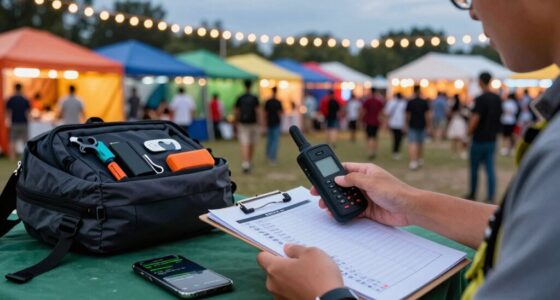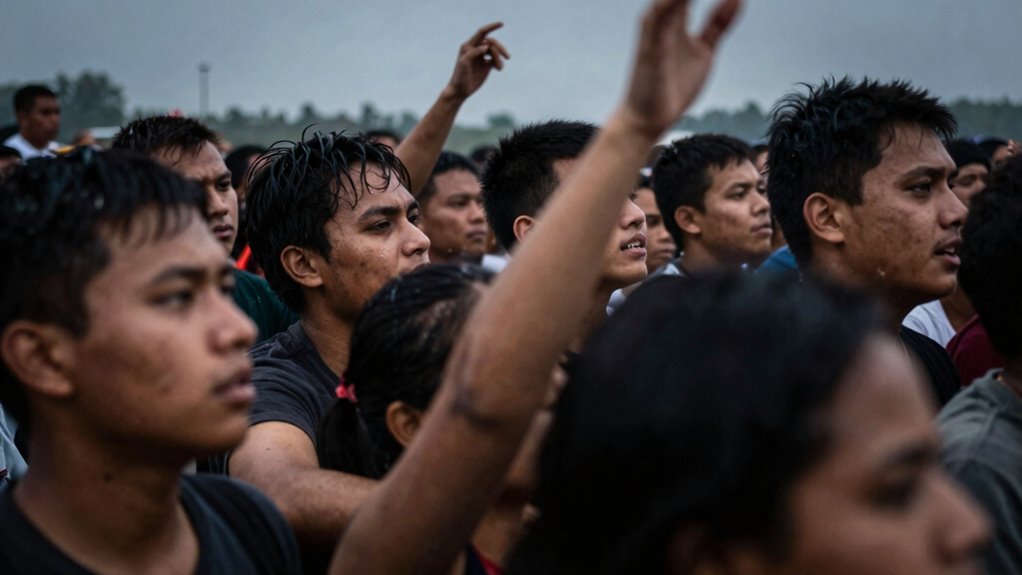

To spot hidden warning signs of crowd crush, watch for increasing density, tight clusters, and movement stalls that can signal danger. Physical cues like sweating, dizziness, or discomfort often go unnoticed but indicate rising distress. Erratic behaviors, sudden shifts, or panic responses also signal trouble. Recognizing these early indicators can help prevent tragedies, but understanding the full list of signs and responses will give you the tools to stay safe in crowded situations.
Key Takeaways
- Early signs like increasing crowd density and formation of tight clusters often go unnoticed until physical distress or movement stalls occur.
- Sudden shifts in crowd movement, such as erratic changes or rapid acceleration, are common warning signs that are frequently missed.
- Physical indicators like sweating, dizziness, or discomfort signal rising tension but are often overlooked until a crush develops.
- Loud vocalizations or confusion may indicate panic but are sometimes ignored as minor disturbances.
- Recognizing early crowd behavior patterns—such as pushing or crowd pressure—can prevent escalation if identified promptly.

Hotlemon Large Bluetooth Speaker: 240W Peak Powerful Loud Sound with Deep Bass, 15H Playtime, Fast Charge, TWS, Portable Wireless Speakers for Outdoor, Party, Beach, Backyard, Home, Outside (Black)
BEAST POWERFUL SOUND: 240W (PEAK) Party Bluetooth Speaker delivers intense power. Deep bass, crisp highs, even cranked up,...
As an affiliate, we earn on qualifying purchases.
What Are the Early Signs of Crowd Overcrowding?

Have you ever noticed the subtle signs that a crowd is becoming too crowded? When crowd density increases, physical cues become noticeable. You might see people pushing against each other or shifting to create space, signaling rising tension. Look for clusters forming in tight areas or a lack of personal space, which indicates the crowd is thickening. You may also observe people frequently adjusting their position or looking uncomfortable. As these physical cues emerge, the crowd can quickly become more unpredictable. Recognizing these early signs helps you understand that the situation is shifting toward overcrowding. Staying alert to these subtle indicators allows you to react promptly before conditions escalate into danger. Awareness of crowd density and physical cues is essential for safety in crowded environments, especially when understanding crowd behavior is crucial for effective response.
Large Party Bluetooth Speaker, 260W Peak Powerful Loud Sound with Deep Bass, 15Hr Playtime, Fast Charge, RGB Cool Light Show, TWS, Portable for Outdoor Beach, Camping, Backyard, Work, Home (Black)
260W Powerful Sound and Deeper Bass - Equipped with four high-performance speaker units, this big speaker bluetooth delivers...
As an affiliate, we earn on qualifying purchases.
Why Does High Crowd Density Make Events Dangerous?

High crowd density makes events dangerous because it markedly increases the risk of accidents and injuries. When crowds become tightly packed, crowd psychology kicks in—people often follow the behaviors of those around them, sometimes leading to panic or chaotic movement. As individuals feel pressured or scared, their reactions can amplify the danger, causing pushing, trampling, or crushing. During event planning, understanding this dynamic is essential; organizers need to design spaces that prevent overcrowding and facilitate smooth flow. Without proper management, dense crowds can quickly turn hazardous, making it difficult for attendees to move freely or escape if needed. Recognizing how high density influences behavior helps you anticipate risks and implement safety measures to keep everyone safer. Additionally, crowd behavior can change rapidly in these situations, highlighting the importance of real-time monitoring and swift intervention.

Rockville Rock Party 9 1000W Portable Bluetooth Speaker, Dual 8" Woofers, Deep Bass, LED Lights, Karaoke Mic/Guitar Inputs, for Parties and Outdoor Events
POWERFUL AUDIO PERFORMANCE: Delivers 1000W peak power and 250W RMS with dual 8" woofers and 2" tweeters for...
As an affiliate, we earn on qualifying purchases.
How to Spot Physical Signs That a Crowd Is Getting Unmanageable

You need to stay alert for signs of physical distress, like people appearing exhausted or needing help. Watch for unusual crowd movements, such as sudden shifts or mass pushing, that can signal trouble. Recognizing these signs early helps you act before the situation becomes unmanageable.
Signs of Physical Distress
How can you tell if a crowd is becoming physically distressed? Pay attention to signs like people visibly sweating, clutching their chests, or appearing dizzy. Shallow or rapid breathing can also indicate trouble. Crowd psychology shows that panic can spread quickly when individuals show signs of discomfort, so noticing these cues early is vital. Look for people trying to push through or avoid contact, which signals discomfort or fear. In terms of emergency preparedness, recognizing these physical signs allows you to act swiftly, helping to prevent escalation. Be alert to anyone visibly struggling, as their distress could be contagious and trigger further chaos. Additionally, observing signs of free floating agitation or restlessness can help identify underlying issues before they escalate into a dangerous situation. Quick identification of physical distress is essential for managing crowd safety and preventing a potential crush.
Unusual Crowd Movements
Unusual crowd movements often serve as early warning signs that a situation is becoming unmanageable. When you notice people suddenly shifting directions, rushing toward exits, or clustering aggressively, it reflects underlying crowd psychology that signals escalating tension. These shifts can indicate panic, confusion, or attempts to escape danger. During event planning, anticipating such movements helps you prepare for rapid responses. Look for signs like groups moving against the flow, abrupt stops, or chaotic dispersal patterns. Recognizing these physical signs early allows you to intervene before a situation spirals out of control. Being aware of crowd psychology can help you better understand and predict these behaviors. Staying alert to these movements, understanding crowd psychology, and adjusting crowd management strategies are essential to prevent a potentially dangerous crush or stampede.

JBL PartyBox 110 - Portable Party Speaker with Built-in Lights, Powerful Sound and deep bass, Black
POWERFUL JBL ORIGINAL PRO SOUND: Whether you're at home or outdoors, the JBL PartyBox 110 makes your music...
As an affiliate, we earn on qualifying purchases.
Recognizing When Crowd Behavior Indicates Panic or Distress
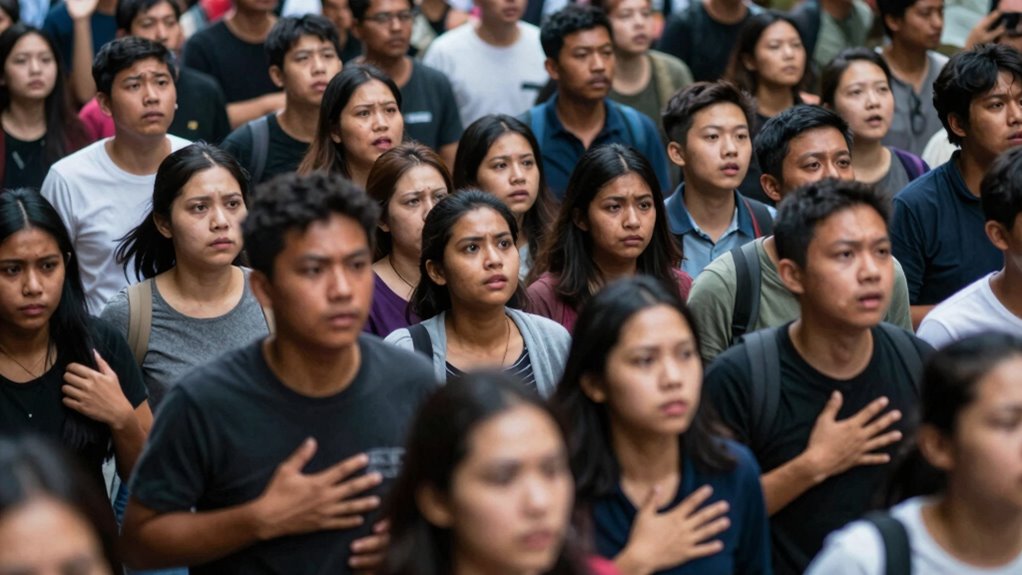
You need to stay alert for signs that the crowd is in distress, like strange movement patterns or sudden changes in direction. Listen for heightened vocalizations or loud, panicked shouting that can signal trouble. Also, watch for disorientation, such as people appearing confused or unable to find their way, which can indicate increasing panic. Recognizing these warning signs early can help prevent dangerous situations from escalating.
Unusual Movement Patterns
When crowd members suddenly change their movement patterns, it often signals distress or panic taking hold. These movement anomalies disrupt normal crowd dynamics, making it clear something’s wrong. Look for abrupt shifts, like people pushing or running in unpredictable directions, which can cause dangerous bottlenecks. Recognizing these signs early helps prevent escalation. Noticing high-frequency movement can also be an indicator of imminent danger, prompting quicker response to manage the situation effectively.
Heightened Vocalizations
Heightened vocalizations often serve as early signals that a crowd is experiencing panic or distress. When noise levels spike unexpectedly, you should pay close attention to vocal cues like shouting, screaming, or frantic calls for help. These sounds indicate that people are reacting emotionally, often out of fear or confusion. Increased vocal activity can quickly escalate, making it harder to hear instructions or identify the source of the distress. If you notice a sudden rise in loud, agitated voices, it’s a sign that the crowd may be losing control. Recognizing these indicators early can help you take swift action—either to move away or alert others—potentially preventing a dangerous situation from worsening. Staying aware of auditory cues such as auditory processing skills can improve your ability to interpret these signals accurately. Stay alert to the sounds around you at all times.
Signs of Disorientation
Disorientation often manifests through specific crowd behaviors that signal confusion or panic. When you notice signs of crowd fatigue, people may appear sluggish, unresponsive, or physically exhausted, increasing their vulnerability. Emotional disorientation becomes evident as individuals seem overwhelmed, anxious, or disconnected from their surroundings. Look for repeated wandering, stumbling, or inconsistent movement—these are clear indicators someone is losing their sense of direction. You might also see a lack of coordination or sudden stops, suggesting panic or distress. People may appear disoriented, unable to process cues, or display signs of emotional overload. Recognizing these signs early helps you identify when the crowd is at risk of escalation, allowing you to act quickly before the situation worsens. Awareness of crowd behavior patterns enables better prediction of potential dangers and timely intervention.
What Movement Patterns Signal Imminent Crowd Crush Risk?

Certain movement patterns in a crowd can signal that a crush is imminent. Watch for sudden shifts in movement dynamics, such as people accelerating or changing direction abruptly. When pedestrian flow becomes congested with little room for adjustment, it indicates rising pressure within the crowd. Tight clusters forming without an exit or escape route can also be warning signs, especially if movement stalls or slows dramatically. If you notice people pushing forward or trying to break free from a dense area, it suggests increasing risk. Such patterns show that the crowd is becoming less fluid and more compressed, raising the danger of a crush. Recognizing these signs early can help you take steps to avoid being caught in a dangerous situation. Support Breakfast can also be a helpful reminder for event organizers to ensure adequate exits and crowd management strategies are in place.
What To Do Immediately When You See Warning Signs?
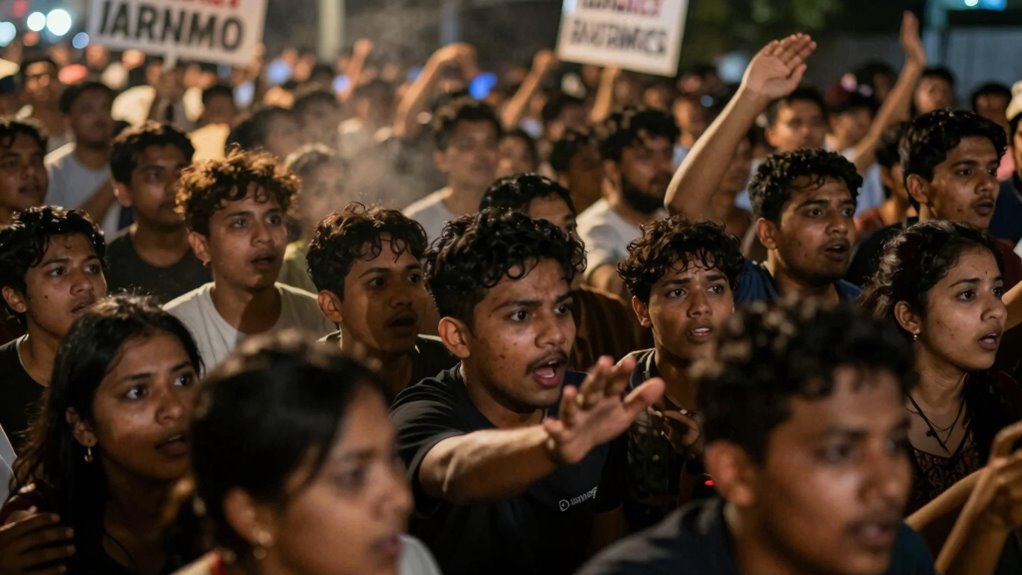
When you notice movement patterns indicating a potential crush, acting quickly can make all the difference. Your response should prioritize safety and understanding crowd psychology. Immediately alert nearby authorities or security personnel if possible. Stay calm and avoid pushing or shoving—panic worsens the situation. Move to the edges or open spaces if you can, and encourage others to do the same. Remember, emergency response planning involves clear communication and swift action. Use this table to guide your response:
| Action | Why it matters |
|---|---|
| Signal authorities or security | Initiates professional intervention |
| Keep others calm | Prevents escalation, reduces panic |
| Move to open space | Eases pressure and reduces crush risk |
| Avoid confrontations | Maintains order and personal safety |
Quick, decisive action based on crowd psychology can prevent tragedy. Understanding crowd behavior can help you recognize warning signs earlier and respond more effectively.
How Can You Help Prevent Crowd Crushes Before They Happen?

Preventing crowd crushes starts with proactive planning and awareness. Effective crowd management involves designing spaces that prevent overcrowding and ensuring clear pathways for movement. Organizers should set capacity limits based on space size and have trained staff monitor the crowd continuously. Emergency preparedness is equally essential; having a clear plan for evacuation and quick access to exits can save lives. Communicate safety guidelines to attendees upfront, emphasizing the importance of staying alert and respectful of others’ space. Encourage crowd awareness, so individuals recognize early signs of trouble. By combining good crowd management strategies with robust emergency preparedness, you reduce the risk of dangerous situations escalating. Your proactive approach can make the difference between a safe event and a tragic crowd crush.
Frequently Asked Questions
How Do Weather Conditions Influence Crowd Safety Risks?
Weather conditions markedly influence crowd safety risks, especially when weather hazards like rain effects come into play. Rain can make surfaces slippery, increasing fall risks and reducing visibility, which can lead to confusion and panic. You should stay alert for sudden weather changes, avoid crowded areas during storms, and wear appropriate footwear. Being aware of these weather hazards helps you stay safe and reduces the chances of accidents or crowd crushes.
What Role Does Crowd Composition Play in Crush Incidents?
You see crowd composition shaping every incident, with crowd density, participant demographics, and behavior merging like a ticking time bomb. When you pack diverse groups tightly together, with varying ages, abilities, and awareness, risks escalate. You must recognize that dense crowds with mixed demographics can lead to misunderstandings or panic, increasing crush danger. Staying alert to these factors helps you better anticipate and prevent potential crowd crush situations.
Are There Specific Event Types More Prone to Crowd Crushes?
Certain event types, like festivals and religious gatherings, are more prone to crowd crushes due to large, dense crowds and high emotional intensity. You should stay alert during these events, watching for signs of overcrowding and agitation. Recognizing festival dangers and religious gathering risks helps you respond quickly and stay safe. Always follow safety instructions, maintain personal space, and avoid pushing through dense crowds to prevent tragedy.
How Effective Are Barriers in Preventing Crowd Crushes?
Barriers act as the steady arms of a guardian in a chaotic dance, guiding the crowd with firm handrails. Their effectiveness in crowd control depends on proper placement and strength, preventing surges and bottlenecks. When used wisely, barriers can disperse energy and reduce risks, but if overlooked or weak, they become mere illusions of safety. You must see barriers as essential tools, shaping flow and safeguarding lives amid the chaos.
What Legal Responsibilities Do Event Organizers Have for Crowd Safety?
As an event organizer, you have liability obligations to guarantee crowd safety by adhering to safety regulations. You must plan for adequate crowd control, provide clear signage, and coordinate emergency responses. Ignoring these responsibilities can lead to legal consequences if accidents occur. You’re responsible for evaluating risks, implementing preventive measures, and making sure all safety standards are met, protecting attendees and minimizing your legal liability.
Conclusion
By staying alert to early crowd signs and acting quickly, you can help prevent tragedies. Remember, even if you think you’re just one person, your awareness and prompt response can make a difference. Some might argue that crowd control is solely the organizers’ responsibility, but your vigilance adds an essential layer of safety. Trust your instincts—recognize warning signs, intervene if needed, and prioritize safety to protect everyone around you.