


In emergencies, a simple hand signal for “I need out” is raising your open palm and waving it side to side. This clear, universally understood gesture quickly communicates the need to evacuate without noise. Using consistent signals like this helps your group respond swiftly and safely. Practice these gestures regularly so everyone knows what to do when seconds count—if you keep exploring, you’ll discover more essential signals for every situation.
Key Takeaways
- Use an open palm, facing outward, and wave side to side to signal “I need out” during emergencies.
- Combine the open palm gesture with pointing towards exits for clarity.
- Practice consistent hand signals to ensure quick recognition in stressful situations.
- Supplement hand signals with visual cues like flashlights in low-light conditions.
- Establish and teach a standardized safety code of simple gestures for effective group communication.
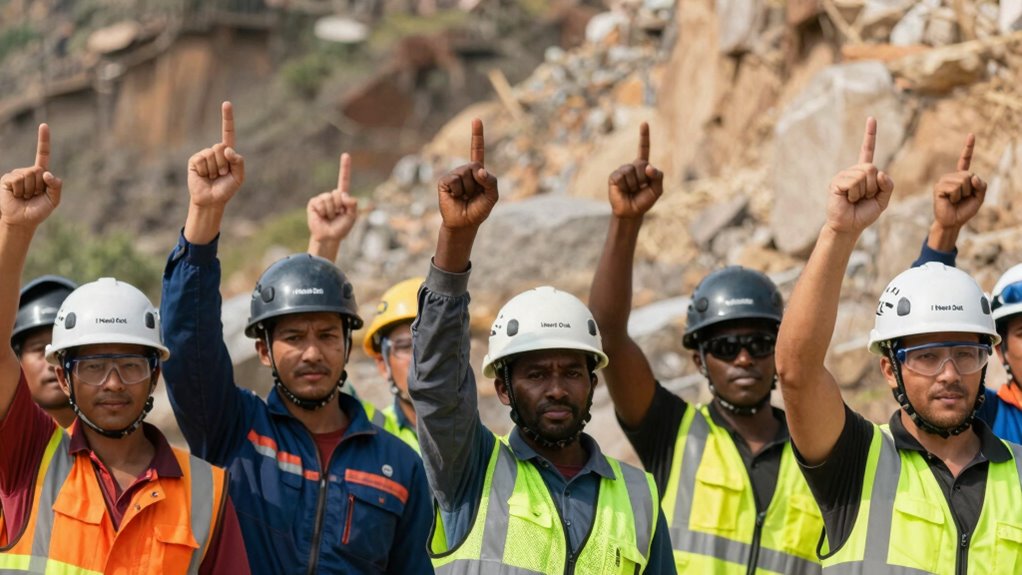
When you’re in a situation where you need to get out quickly, knowing the right hand signals can make all the difference. In emergency scenarios, clear communication is essential, and hand signals serve as a critical part of communication protocols designed for safety. These signals allow you to convey urgent messages silently, which can be lifesaving when verbal communication isn’t possible due to noise, danger, or the need for discretion. Recognizing and using simple, standardized gestures for emergency signaling helps guarantee everyone in your group understands your need to evacuate or seek help immediately. The most common hand signal for indicating that you need to get out is raising your hand with an open palm, then waving it side to side. This gesture is straightforward and universally recognized in many safety protocols. When you see this signal, it’s a clear indicator to others that there’s an emergency, and immediate action is required. Some groups also use a closed fist held high, signaling a stop or a warning to halt current activities. Combining this with a quick wave or pointing toward the exit can reinforce your message. The key is consistency; everyone should learn and practice these signals so that they become second nature during real emergencies. Effective emergency signaling isn’t just about choosing the right gestures; it’s about guaranteeing they’re understood quickly and correctly. Using a predefined set of hand signals as part of your communication protocols minimizes confusion, especially in chaotic situations. For instance, some organizations develop a simple code where a specific hand gesture means “escape now,” while another indicates “call for help.” Practicing these signals regularly helps build muscle memory, so when panic sets in, you don’t have to think twice before acting. Remember, the goal is to communicate your need to get out without raising your voice or creating additional chaos. In high-stakes environments, clear visual communication can prevent accidents and save lives. In addition to individual signals, it’s wise to establish a visual signaling system that everyone in your group understands. This might include specific gestures, signs, or even objects like flashlights used in low-light conditions. Emergency signaling through hand signals can be complemented with other non-verbal cues, but the focus remains on clarity and speed. When you familiarize your team with these protocols, you enable faster, more coordinated responses, reducing risk and guaranteeing everyone’s safety. Whether in a building evacuation, outdoor adventure, or industrial setting, mastering these simple hand signals ensures your group can communicate effectively when it matters most.

Emergency Zone 5 in 1 Survival Whistle. Compass, Whistle, Water-Resistant Container, Signal Mirror, Ferro Rod. Available in 1, 3, 30, and 300 Pack. (3)
✅[5-in-1 Survival Whistle]: This must-have survival gear and supplies features a shrill whistle and essential survival tools for…
As an affiliate, we earn on qualifying purchases.
As an affiliate, we earn on qualifying purchases.
Frequently Asked Questions
How Do Hand Signals Differ Across Various Industries?
You’ll find that industry-specific signals vary based on safety protocols and equipment, ensuring clear communication. For example, construction uses distinct hand gestures from maritime or aviation sectors. Cultural variations also influence signals, so what’s understood in one country might differ elsewhere. Always familiarize yourself with the specific signals used in your industry and region to prevent misunderstandings, keep everyone safe, and promote effective teamwork.
What Should I Do if a Hand Signal Is Misunderstood?
If a hand signal is misunderstood, you should immediately clarify to prevent misinterpretation. Use signal clarification strategies like repeating the signal, adding verbal confirmation, or gesturing more clearly. Always stay alert and encourage your team to ask questions if unsure. This proactive approach helps maintain safety, guarantees everyone understands each other, and minimizes the risk of accidents caused by miscommunication.
Are There Alternative Signals for ‘I Need Out’ in Emergencies?
Yes, there are alternative signals for ‘I need out’ in emergencies. Emergency signaling often includes visual cues like waving your arms or flashing lights, combined with sound signals like whistles or radios. Signal training helps you learn these methods effectively, making sure swift communication during crises. You should familiarize yourself with multiple signals and protocols, so you can quickly alert your team and ensure everyone’s safety in urgent situations.
How Often Should Team Members Review Hand Signal Protocols?
You should review hand signal protocols regularly, ideally during training sessions every 3 to 6 months. This guarantees everyone stays familiar with the signals and responds quickly in emergencies. Incorporate protocol updates promptly into training, so team members always have current information. Regular reviews reinforce safety procedures, improve communication, and reduce confusion during critical moments, making sure your team is prepared to act swiftly when needed.
Can Digital Communication Replace Hand Signals in Safety Protocols?
Digital communication can supplement but shouldn’t substitute hand signals in safety protocols. Your digital literacy helps guarantee message clarity, but in noisy or hazardous environments, hand signals enhance communication effectiveness by providing immediate, visual cues. Relying solely on digital methods risks misunderstandings or delays, especially if technical issues arise. Combining digital tools with traditional hand signals creates a robust safety system, ensuring clear, quick communication in all situations.
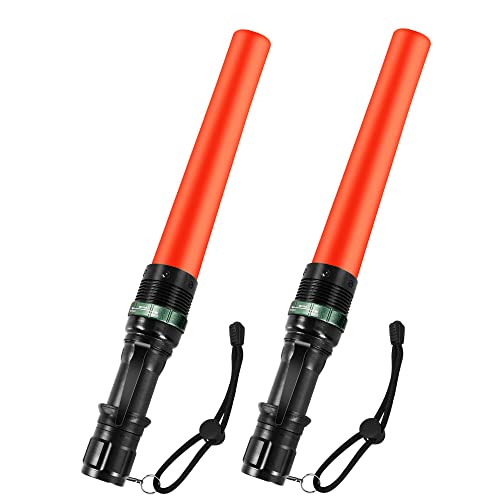
NLWELOA 2 Pieces 11-inch Traffic Wand Safety Signal LED Flashlight,Traffic Control Wands Lights with 7 Red Flash Modes,for Parking Attendant, Traffic Directing,Using 3 AAA Batteries(Not Included)
Ultra Bright & Long-Lasting:LED Flashlight with Traffic Wand,Easy to light up an entire room or focus in on…
As an affiliate, we earn on qualifying purchases.
As an affiliate, we earn on qualifying purchases.
Conclusion
Using clear hand signals like ‘I need out’ is your lifeline in a sea of chaos. They’re the lighthouse guiding your team safely to shore, cutting through confusion like a sharp knife. When every second counts, these simple gestures become your secret language, turning silent communication into a powerful safety net. Remember, in the dance of teamwork, your hand signals are the rhythm that keeps everyone in sync, ensuring no one gets lost in the storm.

Federal Signal AD-27A Atkinson Dynamics Industrial Intercom, Talk/Listen Switch, Volume Control, Call Button, 120 VAC
Multi-voltage design accepts 24VDC and 120/240VAC
As an affiliate, we earn on qualifying purchases.
As an affiliate, we earn on qualifying purchases.
evacuation signaling hand gestures
As an affiliate, we earn on qualifying purchases.
As an affiliate, we earn on qualifying purchases.