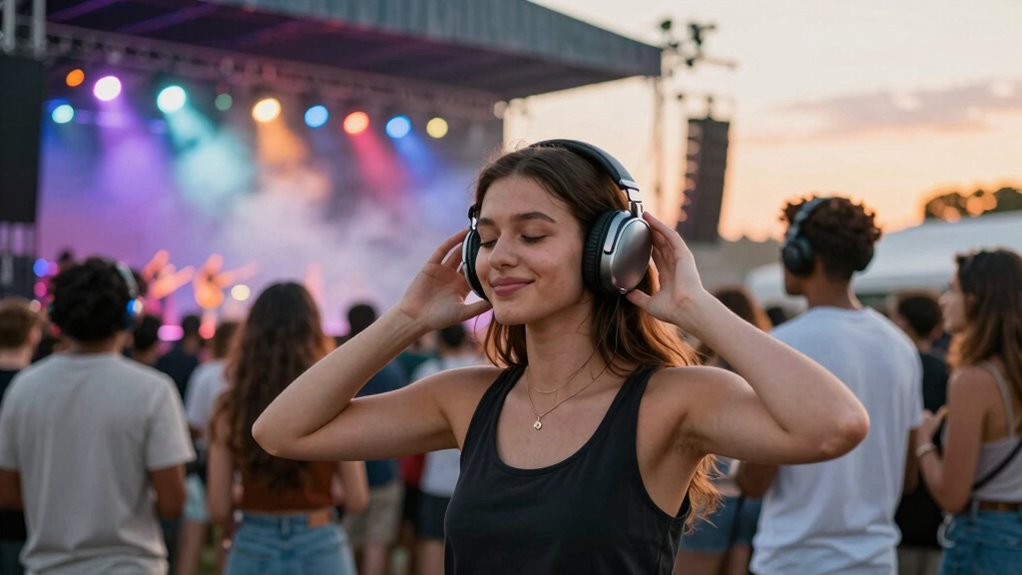

To protect your hearing and still enjoy your favorite tunes, keep the volume at safe levels below 60%, take regular breaks, and choose headphones or earplugs with noise-canceling features. Use apps to monitor noise exposure and watch for signs of damage like ringing or muffled sounds. With these simple steps, you can enjoy great sound without risking your ear health—there’s more you can do to stay safe while having fun.
Key Takeaways
- Use high-quality noise-canceling headphones to enjoy music at lower volumes in noisy environments.
- Limit listening sessions to 15-20 minutes and take regular breaks to protect your ears.
- Keep volume levels below 60% of maximum to prevent hair cell damage.
- Wear ear protection like earplugs during loud concerts or noisy settings.
- Use sound monitoring apps to track noise exposure and maintain safe listening habits.

Polk Audio Atrium 4 Outdoor Speakers with Powerful Bass (Pair, White), All-Weather Durability, Broad Sound Coverage, Speed-Lock Mounting System
ALL WEATHER CERTIFICATION - The speaker for all seasons. With rugged durability and premium build, these outdoor wired...
As an affiliate, we earn on qualifying purchases.
How to Enjoy Music Safely Without Damaging Your Hearing
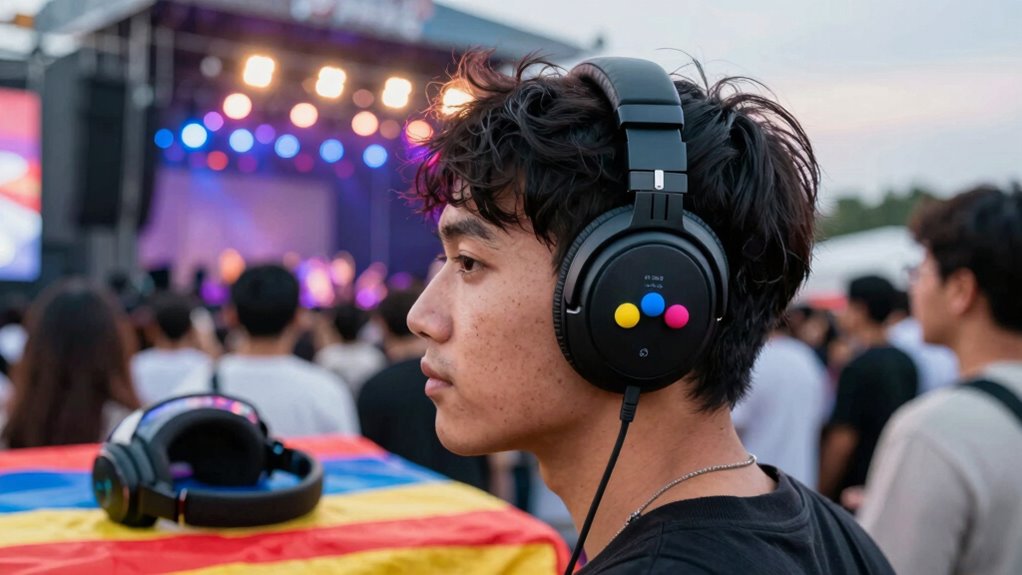
Have you ever wondered how to enjoy your favorite music without risking your hearing? Prioritizing concert safety is essential, especially during live events where sound levels can be overwhelming. Use ear protection like earplugs designed for concerts; they reduce volume without muffling sound quality. Additionally, incorporate music therapy into your routine, which can enhance your well-being without exposing you to loud environments. When listening to music at home, keep the volume at a moderate level, and take regular breaks to give your ears a rest. Being mindful of sound levels during concerts and practicing safe listening habits helps preserve your hearing while still enjoying the music you love. Protecting your ears now guarantees many more years of musical enjoyment. Free Floating can also help you understand how to balance enjoyment with ear health.

2026 Outdoor Speakers, Gift for Men, Bluetooth 5.3 Speakers Wireless IPX6 Waterproof, Auto-Pairing, Multi-Sync Up to 100-Speaker, Portable for Party Patio Deck Porch Backyard RV, Cool Gadget for Him
2026 Upgraded Flame Ambience LED Speakers: This cool outdoor bluetooth speakers boost outdoor vibes. It serves up 10W...
As an affiliate, we earn on qualifying purchases.
Understanding Hearing Damage and Its Risks
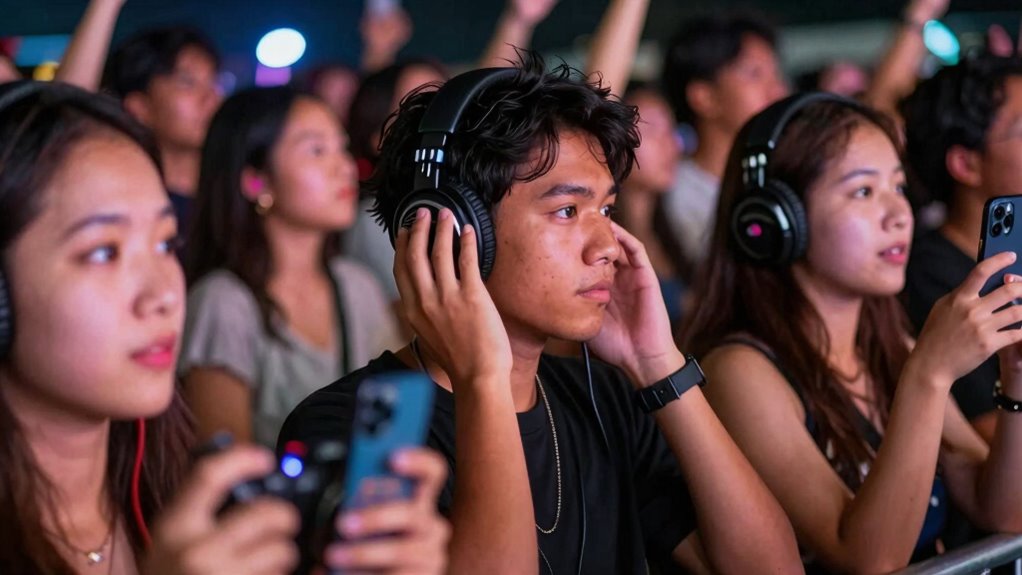
Understanding hearing damage is essential because exposure to loud sounds can cause irreversible harm to your ears. Ear damage from excessive noise can lead to permanent hearing loss, making it harder to enjoy music or communicate effectively. Loud environments, like concerts or clubs, put your ears at risk if you’re not careful. The damage occurs when high decibel levels break down delicate hair cells in your cochlea, which are fundamental for converting sound into signals your brain interprets. Once damaged, these cells don’t regenerate, increasing your risk of hearing loss over time. Recognizing the dangers helps you take proactive steps to protect your hearing. Avoiding prolonged exposure to loud sounds and understanding the risks of ear damage are essential for maintaining healthy ears and preserving your ability to enjoy music safely. Proper ear protection can significantly reduce the risk of damage during noisy activities.
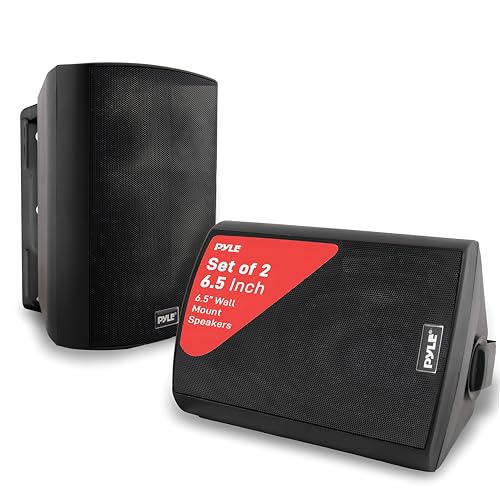
Pyle 6.5-Inch Wall Mount Waterproof Bluetooth Speaker System – Indoor/Outdoor Audio Pair with Built-in Digital Amplifier, Weather-Resistant Housing, High-Power Sound, Easy Installation (Black)
300 WATT POWER: This high powered 2-way full range audio projection loudspeaker system has a maximum power output...
As an affiliate, we earn on qualifying purchases.
Pick Safe Headphones and Set Your Volume Right
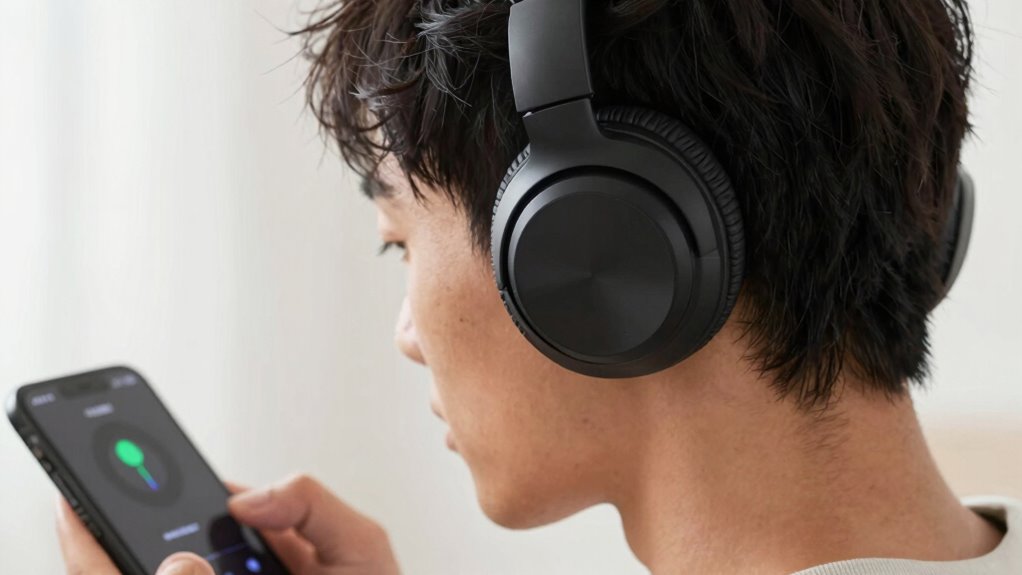
Choosing the right headphones and setting your volume correctly are essential steps in protecting your hearing. Opt for headphones with good headphone durability, ensuring they can withstand daily use without compromising sound quality. When selecting, consider models with reliable build quality to avoid sudden breakages that could lead to unsafe listening habits. Use effective volume control techniques, such as keeping the volume below 60% of the maximum and taking regular breaks to give your ears a rest. Avoid listening at high volumes for extended periods, as loud sounds can cause irreversible damage. Properly adjusted headphones help you enjoy your music without exposing your ears to unnecessary risk. Remember, safe listening isn’t just about volume but also about choosing durable gear that encourages responsible habits. Additionally, understanding audio technology can help you select headphones that deliver clear, high-quality sound at lower volumes, further protecting your hearing.

Herdio 3.5" Outdoor Bluetooth Speakers Wired Waterproof, 200W 3 Way Upgrade Premium Wall Mount Speakers, Durable Mountable Loud Sound System for Patio Indoor Deck Garage (Black Pair)
【BLUETOOTH 5.3 TECHNOLOGY】This bluetooth outdoor speaker features one active speaker and one passive speaker. The active speaker features...
As an affiliate, we earn on qualifying purchases.
Use Noise-Canceling Headphones to Protect Your Ears
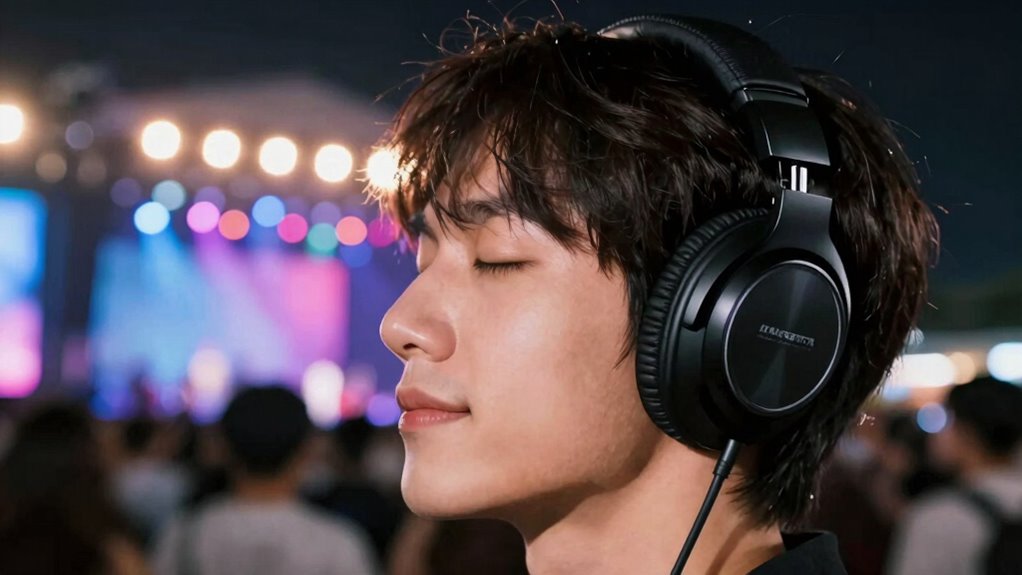
Since noise is one of the biggest threats to your hearing, using noise-canceling headphones can substantially reduce the risk of damage. The noise canceling benefits allow you to enjoy your music at lower volumes, protecting your ears from loud sounds. These headphones create a quiet environment by actively blocking out background noise, so you don’t need to turn up the volume excessively. Plus, noise-canceling headphones often offer better headphone comfort because you won’t have to press them tightly against your ears to drown out noise. This reduces fatigue and discomfort during long listening sessions. Additionally, integrating smart audio management features can help monitor and optimize your listening levels for maximum hearing protection. By choosing noise-canceling options, you can enjoy high-quality sound while keeping your ears safe and comfortable over extended periods.
Take Regular Breaks During Long Listening Sessions

Long listening sessions can put significant strain on your ears, increasing the risk of damage over time. To protect your hearing, it’s essential to take regular rest breaks, especially during prolonged listening. Limit your session duration to avoid overexposure to loud sounds, and pause every 60 minutes to give your ears a break. During these rest periods, step away from the noise and lower the volume, allowing your ears to recover. Short breaks help reduce fatigue and prevent long-term damage, ensuring you enjoy your music without risking your hearing health. Remember, consistent rest breaks are a simple yet effective way to maintain hearing protection without sacrificing your listening experience. Keep your ears healthy by listening responsibly and taking these small but crucial precautions. Recognizing the importance of hearing health can motivate you to adopt safer listening habits and protect your auditory senses for years to come.
Watch for Signs That Your Hearing Might Be Damaged
Your ears can often give warning signs if your hearing is being damaged, so it’s important to stay alert to these indicators. Early symptoms might include muffled sounds, difficulty understanding speech, or ringing in your ears. Recognizing these signs early can help you take action before the damage worsens. Be aware of risk factors like exposure to loud noises, using headphones at high volumes, or working in noisy environments. If you notice any of these symptoms or if your ears feel full or clogged, it’s a sign to reduce noise exposure and see a healthcare professional. Paying attention to these early symptoms and understanding your risk factors can help protect your hearing in the long run. Additionally, incorporating protective measures such as ear protection can further mitigate potential damage.
Apps and Tools to Help You Monitor Your Hearing Health
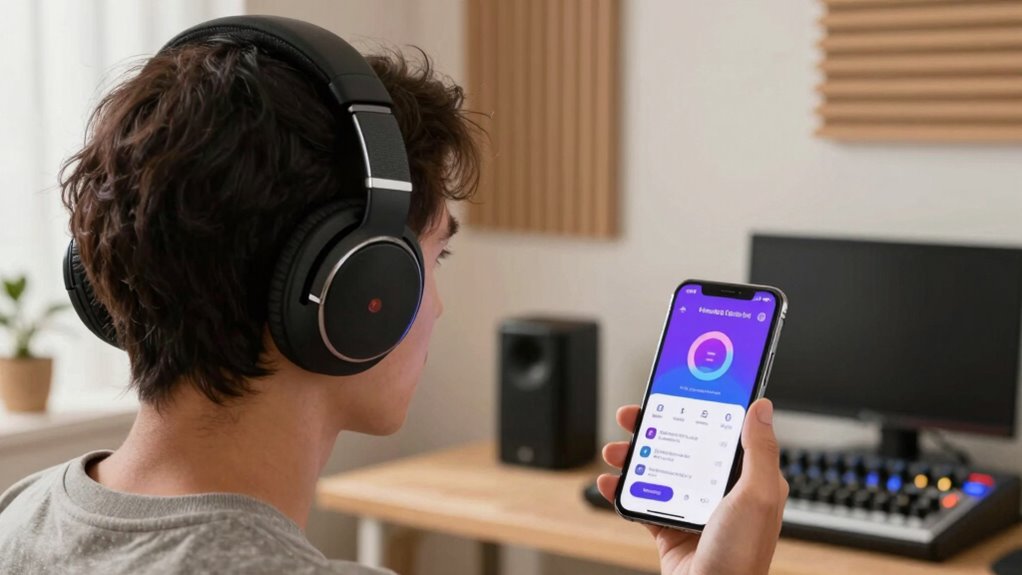
There are now apps and tools that let you monitor your hearing health right from your phone. These resources can help you track changes over time and catch potential issues early. Let’s explore some of the top options available to keep your hearing in check. Incorporating modern hearing technology into your routine can enhance your ability to maintain optimal hearing health while enjoying your favorite sounds.
Personal Hearing Monitoring
Keeping track of your hearing health has become easier thanks to various apps and tools designed for personal monitoring. These tools allow you to regularly check your hearing status and make informed decisions. When it comes to personal monitoring, consider these key points:
- Use apps that provide real-time feedback on your noise exposure levels.
- Choose earbud customization options to guarantee a comfortable fit and maximum sound control.
- Regularly review your hearing data to identify patterns or issues early.
- Incorporate sound level awareness practices to prevent overexposure and protect your hearing health.
Top Apps for Hearing Health
With numerous apps and digital tools available, monitoring your hearing health has never been easier. Hearing test apps let you quickly assess your hearing sensitivity from your smartphone, providing insights into potential issues. These apps typically guide you through simple tests to identify any early signs of hearing loss. Volume control tools are also essential; they help you manage sound levels on your devices, preventing exposure to damaging noise. Some apps even offer personalized recommendations based on your test results, empowering you to take proactive steps. By regularly using hearing test apps and adjusting volume control tools, you stay aware of your hearing health and can catch problems early. Incorporating sound therapy techniques can further enhance your auditory well-being. These tools are convenient, user-friendly, and a fundamental part of protecting your hearing while enjoying your favorite sounds.
Balance Great Sound and Ear Safety: Expert Tips

To enjoy great sound without risking your hearing, you need to take simple precautions. Wearing protective ear gear and limiting your exposure time can make a big difference. These expert tips help you balance enjoying music or loud environments with ear safety. Being mindful of sound levels and understanding how sound works can further improve your ability to protect your hearing while still enjoying the mix.
Use Protective Ear Gear
Wearing protective ear gear is essential for preserving your hearing, especially in noisy environments. Proper ear protection helps block out harmful sounds while still allowing you to enjoy music. When selecting protective gear, keep these tips in mind:
- Choose ear protection that fits snugly without causing discomfort.
- Opt for high-quality earplugs or earmuffs designed for noise reduction.
- Use protective gear consistently whenever you’re exposed to loud sounds.
Limit Exposure Duration
Balancing great sound quality with ear safety requires paying attention to how long you’re exposed to loud noises. Limiting your exposure duration is key to preventing hearing damage. Use volume control to keep sound levels at a safe and comfortable level, avoiding the temptation to turn it up in noisy environments. Take regular breaks when listening to music or working with loud equipment—pause every 15-20 minutes to give your ears a rest. Hearing protection, like earplugs or noise-canceling headphones, can also help reduce overall noise exposure. By managing both volume and exposure time, you protect your hearing without sacrificing the quality of your listening experience. Remember, shorter exposure equals lower risk of damage, so stay mindful of how long you’re in loud environments.
Frequently Asked Questions
Can Hearing Damage Be Reversed if Caught Early?
Hearing damage can’t usually be reversed, but early intervention can prevent further loss. If you notice signs of hearing loss, see a specialist promptly. Addressing issues early helps protect your remaining hearing and may improve your condition. Avoid loud noises, use hearing protection, and get regular check-ups to catch problems soon enough. Taking quick action is vital to preserving your hearing health and preventing permanent damage.
Are There Specific Music Genres More Harmful to Hearing?
Think of music genres as different storms—some are gentler, others more intense. Genres like rock, metal, and electronic often produce louder volumes and higher frequencies, making them more harmful to your hearing. Listening to these genres at high volumes increases your risk of hearing damage. To protect yourself, keep the volume moderate and take breaks. Your ears are the delicate instruments that help you enjoy every beat—treat them with care.
How Does Age Affect Susceptibility to Hearing Damage?
As you age, your susceptibility to hearing damage increases due to age-related decline and reduced hearing sensitivity. You might notice sounds become less clear or muffled, especially at higher frequencies. This makes you more vulnerable to damage from loud noises or prolonged exposure. To protect your hearing, be mindful of volume levels, wear ear protection when needed, and get regular hearing check-ups. Taking these steps helps preserve your hearing health over time.
What Insurance Options Cover Hearing Protection Devices?
Did you know 60% of hearing loss cases could be prevented? Hearing insurance often covers protection devices like earplugs and earmuffs, helping you safeguard your hearing. Check your protection coverage options with your health plan or employer, as some policies include hearing aid benefits and protective gear. Investing in hearing insurance guarantees you stay protected without sacrificing your love for music, keeping your ears safe while you enjoy the mix.
Are There Natural Remedies to Improve Hearing Health?
You can try herbal supplements like ginkgo biloba or garlic to support your hearing health, but always consult your doctor first. Additionally, making dietary changes such as reducing salt intake and increasing omega-3 fatty acids can promote better ear health. Staying hydrated and avoiding loud noises also helps. These natural remedies may help improve your hearing over time, but they work best when combined with overall healthy habits.
Conclusion
By following these tips, you’re steering your hearing clear of danger while still enjoying your favorite tunes. Think of your ears as fragile gardens—tend to them with care, and they’ll reward you with years of rich, vibrant sound. Remember, it’s possible to have your cake and eat it too—crank up the volume without risking the silence of your future. Protect your hearing today, so your love for music never fades away.