

To get your belongings back, start by organizing your search—check usual spots and retrace your steps calmly. Use tech tools like tracking apps or Bluetooth finders to locate lost items quickly. Contact lost & found offices and report promptly, providing detailed descriptions and photos. Develop habits like always placing valuables in designated spots and acting fast when something’s missing. Keep these strategies in mind—there’s more to discover about effective recovery techniques.
Key Takeaways
- Act quickly by retracing your steps and checking recent, likely locations to increase recovery chances.
- Use technology like smartphone tracking apps and Bluetooth finders to locate lost items efficiently.
- Report the loss promptly to authorities, lost & found offices, and relevant social networks with detailed descriptions.
- Develop routines and organizational habits, such as designated spots and checklists, to prevent future losses.
- Spread the word through community networks and social platforms to maximize the chances of recovery.

GPS Tracker for Dogs
✅【No Subscription Required】This tracker doesn't need to insert a SIM card and doesn't use a paid APP, so...
As an affiliate, we earn on qualifying purchases.
Why Do We Keep Losing Valuables and How Can You Prevent It
Many valuables go missing because we often become distracted or misplace items without realizing it. Building valuable habits through personal organization helps prevent this. When you develop routines like always placing keys in the same spot or checking your belongings before leaving a place, you reduce the chances of losing things. Staying organized means being intentional with your space—using trays, hooks, or designated containers keeps your valuables in sight. Avoid clutter that can hide or mix up your belongings. By practicing these habits consistently, you create a mental map of where everything belongs, making it easier to find items quickly. Incorporating mindful organization into your daily routine can further enhance your ability to keep track of your possessions. Personal organization isn’t just about neatness; it’s a practical way to protect your valuables and prevent unnecessary stress from lost possessions.
Amazon Product B0G4881T2C
As an affiliate, we earn on qualifying purchases.
How to Determine the Value and Types of Your Lost Items
Once you’ve identified your lost items, the next step is to assess their value and understand what types they are. Valuing possessions helps you prioritize which items to recover or replace quickly, especially if they’re high-value or sentimental. Start by categorizing your items—jewelry, electronics, documents, or clothing—to streamline your inventory process. Proper item categorization simplifies tracking and helps you estimate their worth more accurately. For valuable possessions like heirlooms or expensive gadgets, consider appraisals or receipts to determine their true value. Less valuable items can be grouped together for easier assessment. Knowing the types and worth of your belongings gives you clarity and focus, making the recovery process more effective and less stressful. Additionally, understanding the horsepower of electric dirt bikes can help you evaluate the performance and potential value of these items if they are part of your belongings.

Air Tags for Android,Air Tags-4 Pack Android,Android Tracker Tags,2 Year Battery Life,Google Find Trackers for Google'S Find Hub App,IP65 Waterproof Luggage Tracker Android for Keys,Wallets,Suitcases
📱 Global Cloud Positioning – Works with both Google's Find Hub (Android Only,Not for GPS & ios)
As an affiliate, we earn on qualifying purchases.
Where and How to Search Effectively for Your Belongings
To find your belongings efficiently, you need to search both strategically and methodically. Using technology like tracking apps or surveillance footage can give you a significant edge, while tapping into your network might uncover helpful leads. Together, these approaches make your search more focused and effective. Incorporating innovative cloud solutions can also help organize and access your data from multiple devices, streamlining your recovery efforts.
Search Strategically and Systematically
Have you ever wondered where to start when searching for lost belongings? Begin by organizing your space through clutter management. Clearing away unnecessary items helps you see what’s truly important and narrows your search area. Think about your emotional attachment to certain items—these often influence where you look first. Instead of random rummaging, develop a systematic plan: search one area thoroughly before moving on to the next. Use a logical sequence, like starting in the most likely spot based on your routines. Keep a mental or written checklist to ensure no place is overlooked. This strategic approach saves time and reduces frustration, making your search more efficient. Remember, a methodical search aligns with your emotional connection and helps you recover your belongings faster. Additionally, understanding Free Floating concepts can assist you in managing your environment more effectively, increasing the chances of locating misplaced items.
Utilize Technology and Networks
Leveraging technology and social networks can considerably improve your chances of recovering lost belongings. Use social networking platforms to spread the word quickly, sharing detailed descriptions and photos. Confirm your digital security is intact to prevent unauthorized access or scams. Post in local community groups, lost and found pages, and neighborhood forums. Reach out to local authorities or lost property services via apps or websites. Keep your contact info updated and monitor responses regularly. Additionally, understanding the importance of color accuracy in visual identification can assist in providing precise descriptions when seeking help.

LandAirSea 54 GPS Tracker - Made in the USA from Domestic & Imported Parts. Long Battery, Magnetic, Waterproof, Global Tracking. Subscription Required
Premium GPS Tracker — The LandAirSea 54 GPS tracker provides accurate global location, real-time alerts, and geofencing. Easily...
As an affiliate, we earn on qualifying purchases.
Which Tech Tools Can Help You Find Lost Items
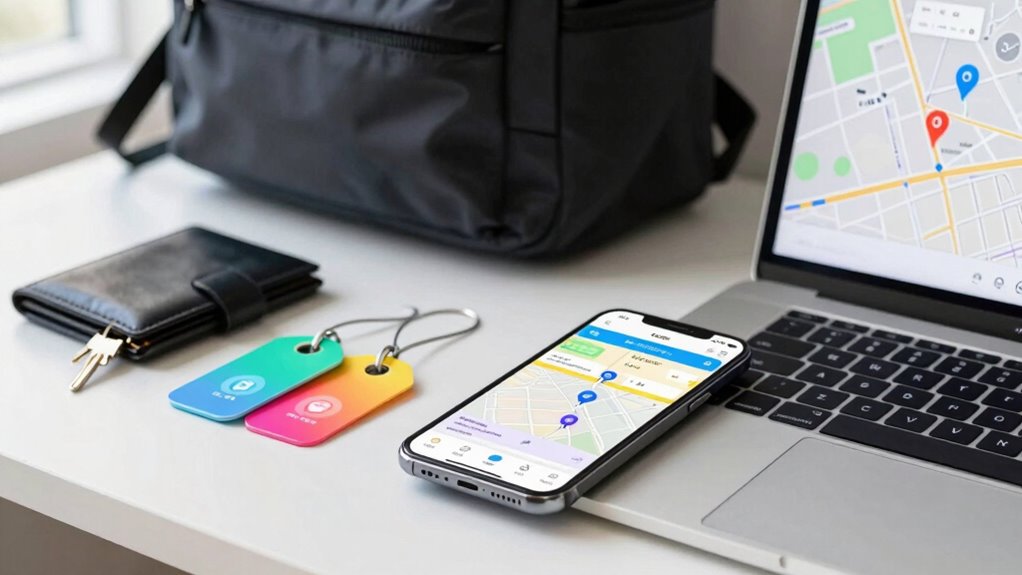
Tech tools like smartphone tracking apps, Bluetooth item finders, and smart tag integrations can make locating your lost items much easier. These devices work seamlessly to help you pinpoint where your belongings are. Exploring these options can save you time and frustration when things go missing. Incorporating home organization techniques can further enhance your chances of quickly finding misplaced items.
Smartphone Tracking Apps
Wondering how to locate your lost smartphone quickly? Smartphone tracking apps are your best bet. They help you pinpoint your device’s location, protecting your personal security and easing your emotional attachment to it. If you use an Android, Google’s Find My Device helps you see where your phone is on a map, ring it loudly, or lock it remotely. For iPhone users, Find My iPhone offers similar features, including playing a sound or erasing data if needed. These apps work quietly in the background, giving you peace of mind. They’re especially useful if you’re worried about sensitive information or sentimental photos. By enabling these tools before losing your phone, you can act swiftly and increase your chances of recovery without compromising your personal security. Additionally, understanding criminal investigation 101 – individual evidence can help you better grasp the importance of preserving your device as potential evidence.
Bluetooth Item Finders
Bluetooth item finders are small, portable devices that help you locate lost belongings such as keys, wallets, or bags. These Bluetooth trackers work by connecting to your smartphone via an app, turning your device into an effective item locator. When you misplace something, simply open the app to see the last known location or activate a sound on the tracker to help you find it nearby. Many Bluetooth trackers also feature community find features, where other users’ devices can help locate your item if it’s out of range. Compact and easy to attach, these item locators are ideal for everyday essentials. They offer a simple, tech-savvy solution to prevent long searches, giving you peace of mind knowing your valuables are always within reach.
Smart Tag Integrations
Integrating smart tags with your existing devices can substantially enhance your ability to find lost items. These smart tag integrations seamlessly connect with your smartphones, tablets, or smart home systems, creating a complete digital inventory of your belongings. When an item goes missing, you can quickly locate it through an app that shows its last known location. Imagine the relief of pinpointing your keys or wallet instantly, reducing stress and saving time. Here’s a glimpse of how these integrations make a difference:
| Item | Location Last Seen |
|---|---|
| Wallet | Living Room Couch |
| Keys | Office Desk Drawer |
| Backpack | School Entrance |
With smart tag integrations, your lost items become less of a mystery and more of a manageable puzzle, giving you peace of mind. Evidence-based insights can help you choose the right tools for your needs.
Simple Steps to Prevent Losing Items in the Future
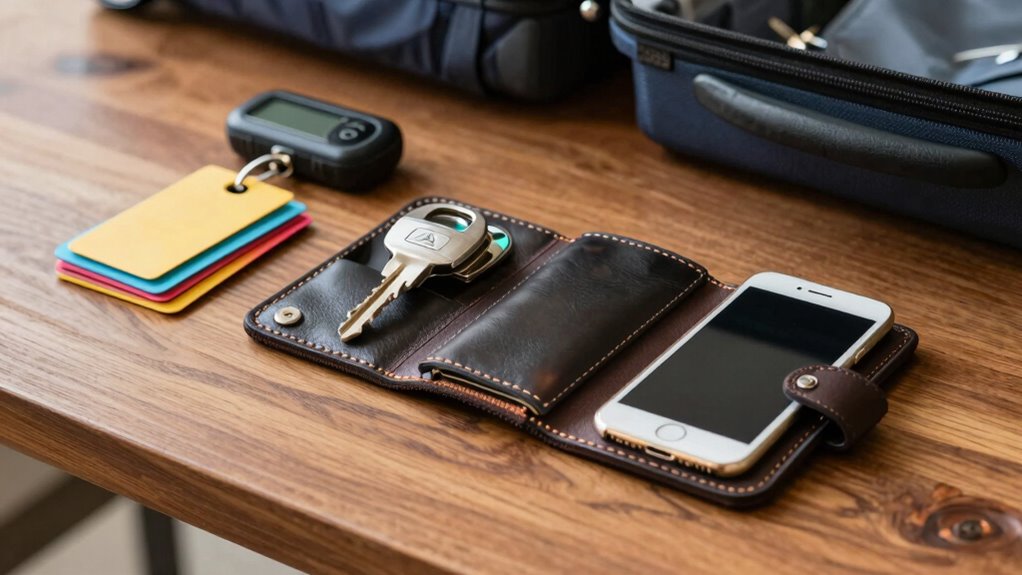
Have you ever lost your keys or wallet at the worst possible moment? To prevent this, develop simple preventive habits like always putting your essentials in the same spot. Use organizational strategies such as designated bowls or hooks near your door for keys and wallets. Make it a routine to check for these items before leaving, ensuring you don’t forget them. Keep your belongings in clutter-free zones to reduce the chance of misplacing things. Carry only what you need to minimize clutter and confusion. Consider using small compartments or pouches for your essentials, making them easier to locate quickly. Establishing proper storage solutions can further help keep your items organized and easy to find. By establishing these habits and strategies, you’ll cut down on accidental losses and make finding your items much easier when needed.
What Immediate Actions Should You Take When You Lose Something
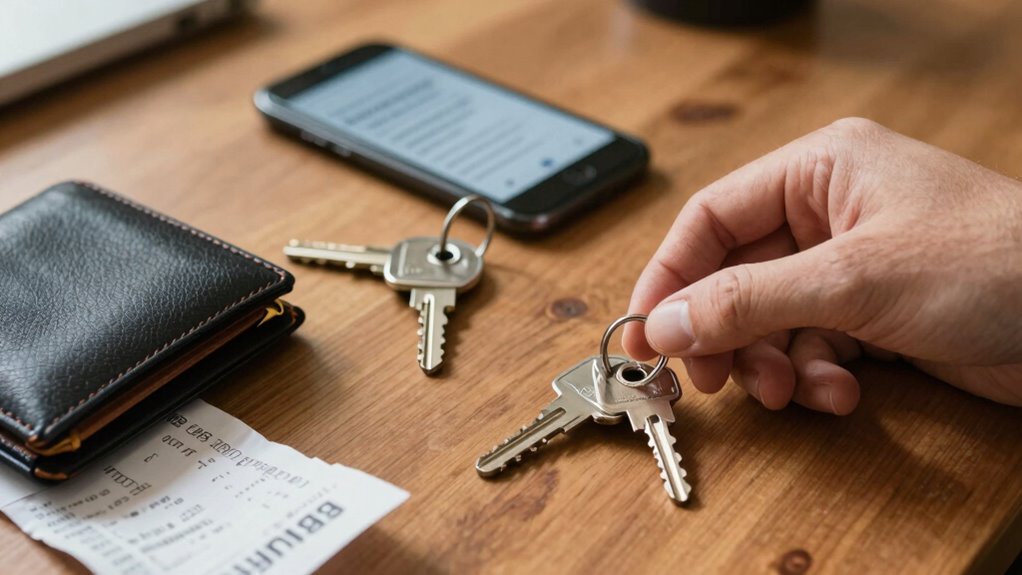
When you realize you’ve lost something, acting quickly can make all the difference. Your emotional attachment to the item can heighten your sense of urgency, so stay calm to think clearly. Start by retracing your steps and checking obvious places where it might be. Use memory triggers—think about where you last had it or what you were doing—to jog your memory. Reach out to people nearby or places you visited recently; they might have seen it. Take photos or notes to help visualize its last known location. Keep a cool head and avoid jumping to conclusions. Immediate action helps you gather clues and narrows down where your item might be, increasing your chances of recovery. Incorporating project management support strategies can help organize your search efforts more effectively.
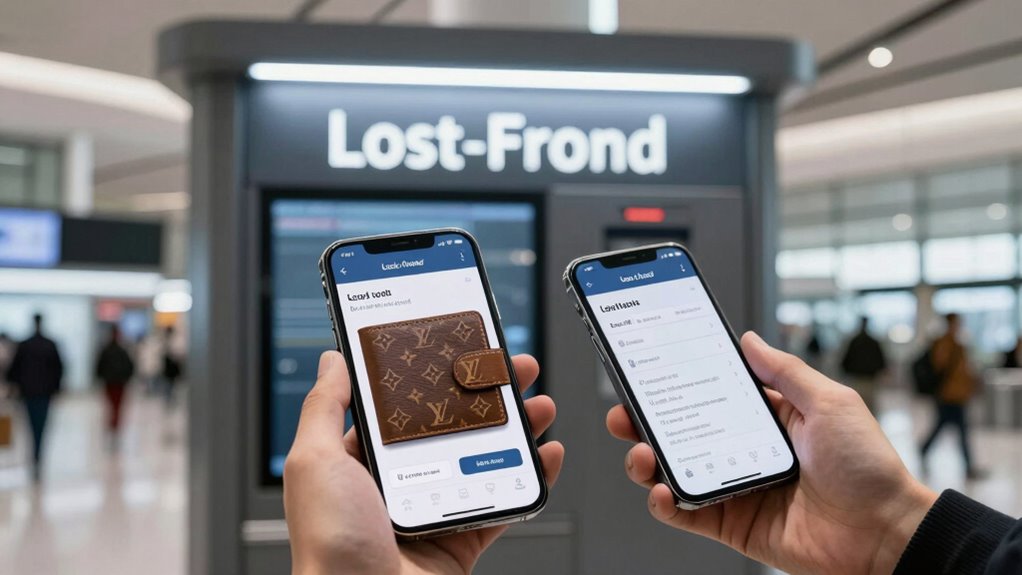
Knowing the right time and way to contact authorities or lost & found services can considerably increase your chances of recovering your lost item. Contact emergency contacts immediately if safety is a concern, and file lost property reports promptly to document the loss. Timing matters: report within 24 hours for better results. Use the table below to determine whom to contact based on the situation:
| Situation | Contact To | Recommended Action |
|---|---|---|
| Lost in public place | Lost & Found Services | Visit or call local lost property office |
| Suspected theft or crime | Authorities (police) | File a report and provide details |
| Valuable or high-value item | Authorities & Insurance | Report and consider insurance claim |
Being proactive and knowing whom to contact ensures you’re taking the right steps to recover your belongings.
Frequently Asked Questions
How Can I Recover Sentimental or Irreplaceable Lost Items?
To recover a sentimental or irreplaceable personal artifact, start by retracing your steps and checking places where you last had it. Contact lost and found offices, and ask friends or family if they’ve seen it. Use social media to spread the word. Remember, your emotional attachment makes the search urgent—stay persistent, and don’t give up until you recover that special item.
What Are Common Mistakes to Avoid When Searching for Lost Belongings?
When searching for lost belongings, avoid misidentification issues and improper documentation. For example, if you assume a lost ring is in the jewelry box without checking nearby areas, you might overlook it. Always carefully verify items and document your search steps. This prevents confusion and ensures you don’t waste time chasing the wrong leads. Stay organized, double-check, and record your findings to increase your chances of recovery.
How Do Insurance Claims Relate to Lost Valuables?
When your valuables go missing, understanding the insurance process is essential. You need to follow the claim procedures carefully, providing detailed documentation of your lost items and their value. This helps streamline your claim and increases your chances of reimbursement. Make sure to report your loss promptly, stay organized with receipts or photos, and communicate clearly with your insurer to navigate the claim procedures effectively and recover your belongings.
Can Social Media Help in Recovering Lost Items?
Think of social media as a digital lighthouse guiding your lost treasures home. Its benefits include quick dissemination of info and reaching an online community enthusiastic to help. You can post photos, details, and ask for help, turning your lost item into a shared mission. Social media amplifies your voice, connecting you with people who might have seen or found your belongings, making recovery efforts faster and more effective.
What Legal Steps Are Involved if Someone Finds My Stolen Property?
When someone finds your stolen property, you should start with legal procedures by reporting the theft to authorities. They’ll guide you through ownership verification to prove it’s yours. Provide any receipts, photos, or descriptions to establish your claim. The police will investigate, and if your ownership is confirmed, they’ll work to recover your property and take appropriate legal action against the thief, ensuring your rights are protected.
Conclusion
Losing things can feel like searching for a needle in a haystack, but with the right approach, you can turn the tide. By understanding why you lose items and using smart strategies, you’ll keep your valuables safer and find them faster when they go missing. Remember, prevention is better than cure, so stay proactive. Keep these tips in mind, and you’ll be back on track in no time—because a stitch in time saves nine.