
To keep your phone and wallet safe without paranoia, stay aware of common scams like phishing and social engineering. Use strong, unique passwords and enable two-factor authentication on your accounts. Keep your devices updated and review privacy settings regularly. Practice environmental awareness by keeping valuables close and avoiding distractions in crowded places. Establish simple routines for securing your belongings, and if you keep these habits, you’ll stay protected without stress—more practical tips await to enhance your security effortlessly.
Key Takeaways
- Always store your phone and wallet in a consistent, secure spot to prevent misplacement or theft.
- Enable biometric security and two-factor authentication to protect your devices and accounts.
- Stay alert and aware of your surroundings, especially in crowded or unfamiliar areas.
- Avoid displaying valuables openly and keep belongings close to minimize theft risk.
- Regularly review account activity and update security settings to detect and prevent unauthorized access.

Polk Audio Atrium 4 Outdoor Speakers with Powerful Bass (Pair, White), All-Weather Durability, Broad Sound Coverage, Speed-Lock Mounting System
ALL WEATHER CERTIFICATION - The speaker for all seasons. With rugged durability and premium build, these outdoor wired...
As an affiliate, we earn on qualifying purchases.
What Are the Real Risks to Your Phone and Wallet?
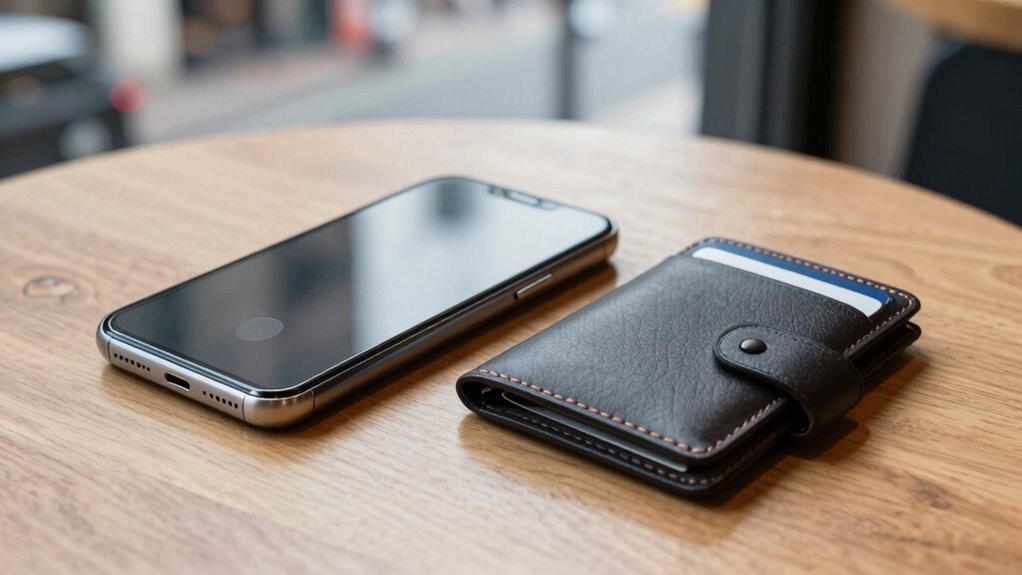
Have you ever wondered how vulnerable your phone and wallet really are? The risks are real and can happen quickly. Phishing scams target you online, tricking you into revealing sensitive information through fake emails or messages. Once your data is compromised, thieves can access your accounts or make unauthorized purchases. Physical theft is another major threat—someone could snatch your wallet or phone in a crowded place or from your bag. These thieves don’t always need to break in; sometimes they just take advantage of distracted moments. Both risks highlight how important it is to stay vigilant. Being aware of these dangers helps you recognize potential threats and, ultimately, reduces your chances of falling victim to theft or scams. Understanding art care and living can also include safeguarding your personal belongings from theft and damage.

2026 Outdoor Speakers, Gift for Men, Bluetooth 5.3 Speakers Wireless IPX6 Waterproof, Auto-Pairing, Multi-Sync Up to 100-Speaker, Portable for Party Patio Deck Porch Backyard RV, Cool Gadget for Him
2026 Upgraded Flame Ambience LED Speakers: This cool outdoor bluetooth speakers boost outdoor vibes. It serves up 10W...
As an affiliate, we earn on qualifying purchases.
How Can You Easily Protect Your Phone and Wallet?
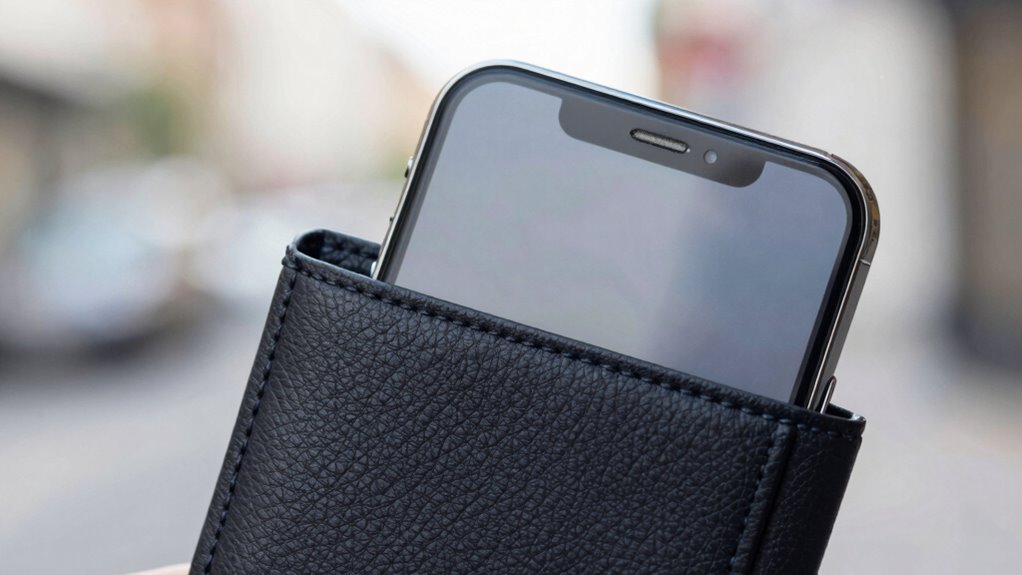
You can protect your phone and wallet easily by using strong passcodes and enabling two-factor authentication. Staying vigilant and aware of your surroundings also helps prevent theft or accidental loss. These simple steps make a big difference in safeguarding your essentials, especially when you understand the importance of privacy policies and how cookies can be used to enhance or compromise your online security.
Use Strong Passcodes
Wondering how to keep your phone and wallet secure? Using strong passcodes is essential. Avoid obvious choices like birthdays or simple sequences. Instead, create a complex, unique passcode that’s difficult for others to guess. Good password management involves changing your codes regularly and not reusing them across accounts. Consider enabling biometric security, such as fingerprint or facial recognition, for quick yet secure access. These methods add an extra layer of protection, making it harder for intruders to unlatch your device if it’s lost or stolen. Remember, the stronger your passcode and security measures, the less likely your personal information will fall into the wrong hands. Prioritize creating a combination that’s both strong and memorable to keep your phone and wallet safe. Wave and wind can also influence the effectiveness of certain security features, so stay aware of environmental factors that could impact your device’s safety.
Enable Two-Factor Authentication
Enabling two-factor authentication (2FA) adds a vital extra layer of security to your phone and wallet. It requires you to verify your identity through a second method, like a one-time code sent to your device or biometric security such as fingerprint or facial recognition. This makes it much harder for hackers to access your accounts even if they steal your password. 2FA also simplifies account recovery, as it provides an additional way to verify your identity if you forget your login details. Make sure to enable 2FA on your important accounts, including banking apps and email, to protect your personal information. Incorporating local automation features can further enhance your device security by allowing you to set specific security routines. With this simple step, you markedly reduce the risk of unauthorized access and keep your phone and wallet safer.
Practice Vigilant Awareness
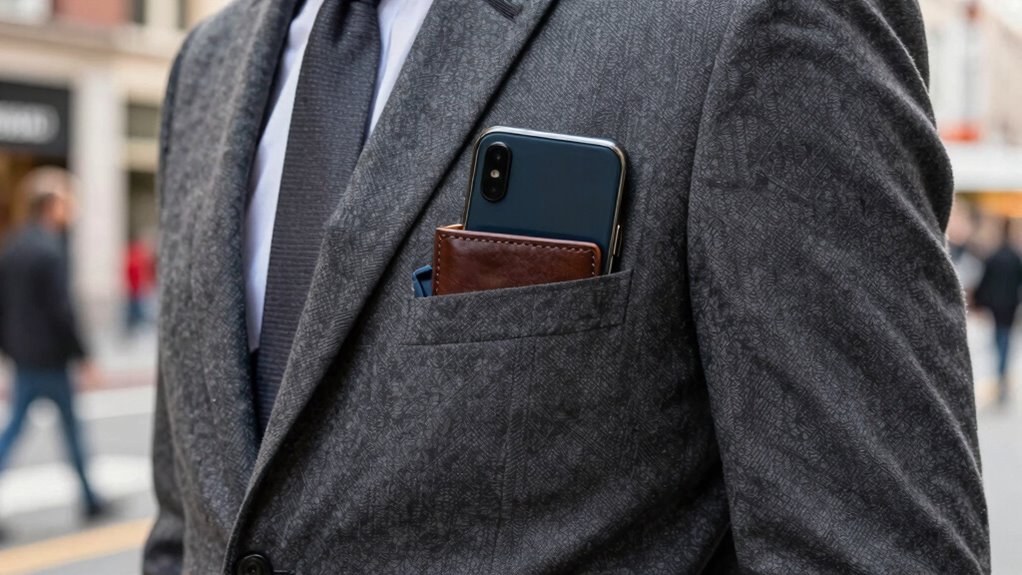
Practicing vigilant awareness is one of the simplest ways to keep your phone and wallet secure. Always stay alert to your surroundings, especially in crowded or unfamiliar places. Use device encryption to protect your data in case of theft, making it harder for others to access your information. Keep your wallet close and avoid displaying it openly, reducing the risk of pickpocketing. Be cautious when handling your phone in public; don’t leave it unattended or in plain sight. Regularly check your belongings and be mindful of anyone loitering nearby. Remember, physical security starts with awareness—trust your instincts and act quickly if something feels off. Staying alert helps prevent theft and keeps your personal info safe without overreacting or paranoia. Comprehensive security measures can further enhance your protection against theft and unauthorized access.
Pyle 6.5-Inch Wall Mount Waterproof Bluetooth Speaker System – Indoor/Outdoor Audio Pair with Built-in Digital Amplifier, Weather-Resistant Housing, High-Power Sound, Easy Installation (Black)
300 WATT POWER: This high powered 2-way full range audio projection loudspeaker system has a maximum power output...
As an affiliate, we earn on qualifying purchases.
Which Apps and Settings Help Keep Your Data Safe?
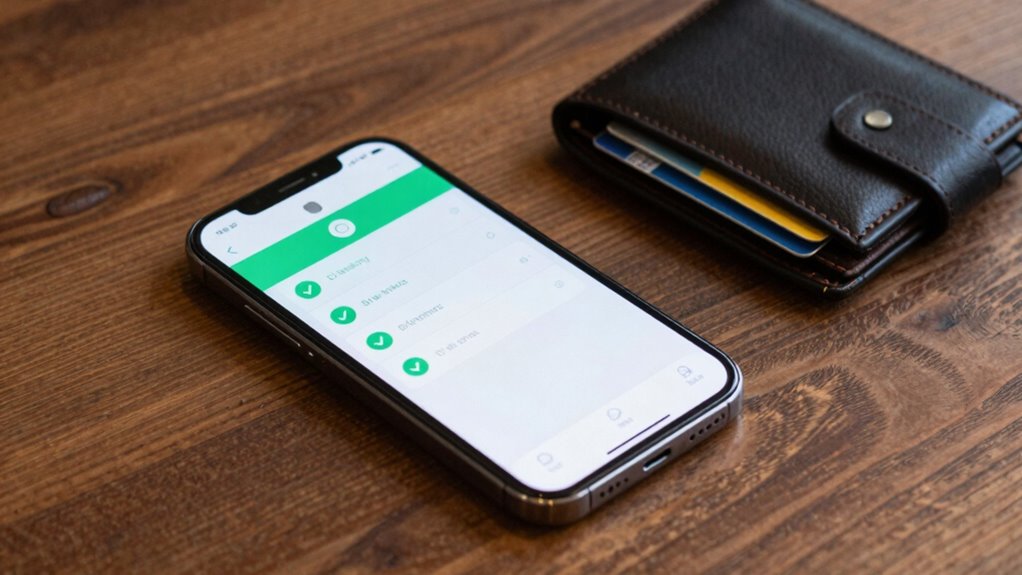
Using two-factor authentication adds an extra layer of security to your accounts, making it harder for hackers to access your data. You should also review and adjust your privacy settings to control what information is visible and shared. These simple steps help protect your personal information from unauthorized access. Additionally, enabling security features such as device encryption can further safeguard your data from potential threats.
Enable Two-Factor Authentication
While it might seem like a small step, turning on two-factor authentication (2FA) adds a crucial extra layer of security to your accounts. It helps protect your data even if your password is compromised. To maximize safety, consider these key points:
- Enable 2FA on your email, banking, and social media apps to prevent unauthorized access.
- Use biometric security options, like fingerprint or facial recognition, as your second factor for quick, secure access.
- Remember that 2FA also enhances account recovery, making it harder for hackers to lock you out.
- Incorporate connected device security features to further safeguard your accounts across all your smart devices.
Adjust Privacy Settings
Adjusting your privacy settings is one of the most effective ways to control who can access your data and prevent unauthorized use. Start by reviewing your device’s privacy controls to limit what information apps can access. Check app permissions regularly and disable any that are unnecessary, especially for location, camera, and microphone access. Many apps request permissions you don’t need; deny or revoke these to protect your privacy. On both Android and iPhone, you can customize settings to restrict data sharing and control visibility. Keep your apps up to date, as updates often improve privacy controls. By managing app permissions and adjusting privacy settings, you reduce the risk of data leaks and unauthorized access, keeping your personal information safer without feeling paranoid. Understanding app permissions helps you make informed choices about your privacy settings.

Herdio 3.5" Outdoor Bluetooth Speakers Wired Waterproof, 200W 3 Way Upgrade Premium Wall Mount Speakers, Durable Mountable Loud Sound System for Patio Indoor Deck Garage (Black Pair)
【BLUETOOTH 5.3 TECHNOLOGY】This bluetooth outdoor speaker features one active speaker and one passive speaker. The active speaker features...
As an affiliate, we earn on qualifying purchases.
How Can Your Habits and Environment Keep You Secure?
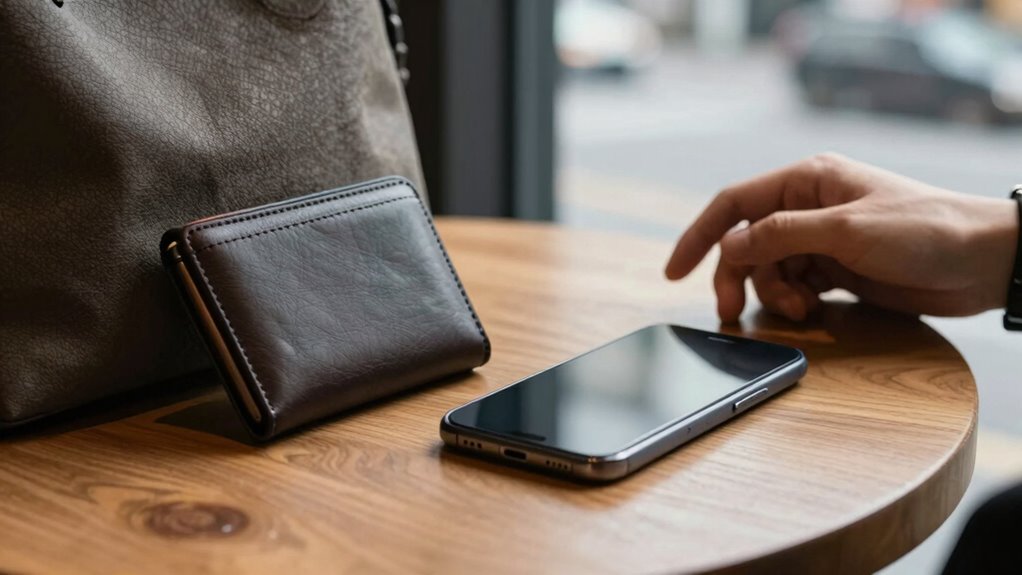
Your habits and environment play a crucial role in keeping your phone and wallet secure. By practicing environmental awareness, you stay alert to potential risks around you. Habit formation helps you develop routines that protect your belongings consistently. For example:
- Always keep your wallet and phone in the same, secure place when not in use.
- Stay aware of your surroundings, especially in crowded or unfamiliar areas.
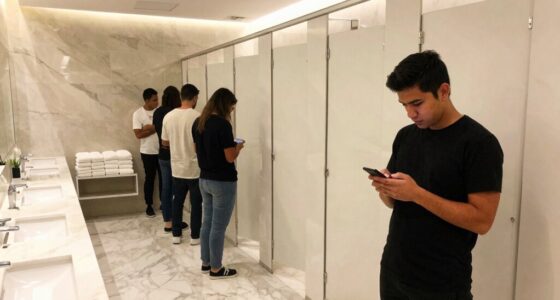
- Avoid distractions like checking your phone while walking or in busy places.
- Using consistent placement for your valuables reduces the chances of forgetting or losing them.
These habits make security automatic, reducing chances of accidental loss or theft. Creating an environment that minimizes risks—such as avoiding cluttered spots or unsafe areas—further supports your efforts. Small, consistent adjustments in your habits and surroundings greatly boost your overall security.
How Do Scams Work, and How Can You Avoid Them?
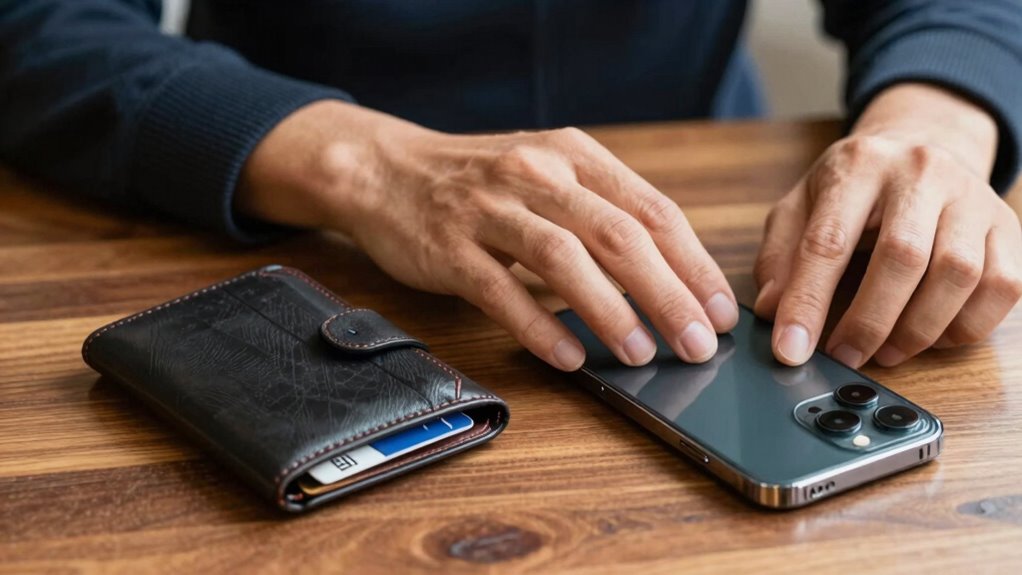
Scams often target your habits and environment, exploiting moments when you’re least alert. Phishing scams, for example, trick you into revealing sensitive information through fake emails or messages that look legitimate. Social engineering manipulates your trust, making you share details or click links without realizing the danger. Scammers may pose as your bank, a coworker, or a trusted company to gain access to your data. To avoid falling for these tricks, always verify the sender’s identity before responding or clicking links. Never share personal or financial info unless you’re sure of the recipient’s legitimacy. Stay cautious of urgent requests or unusual messages, and take your time to assess their authenticity. Staying vigilant helps you prevent scams from compromising your phone and wallet. Being aware of common media literacy tactics used by scammers can further strengthen your defenses.
What’s the Best Routine to Stay Secure Without Overdoing It?
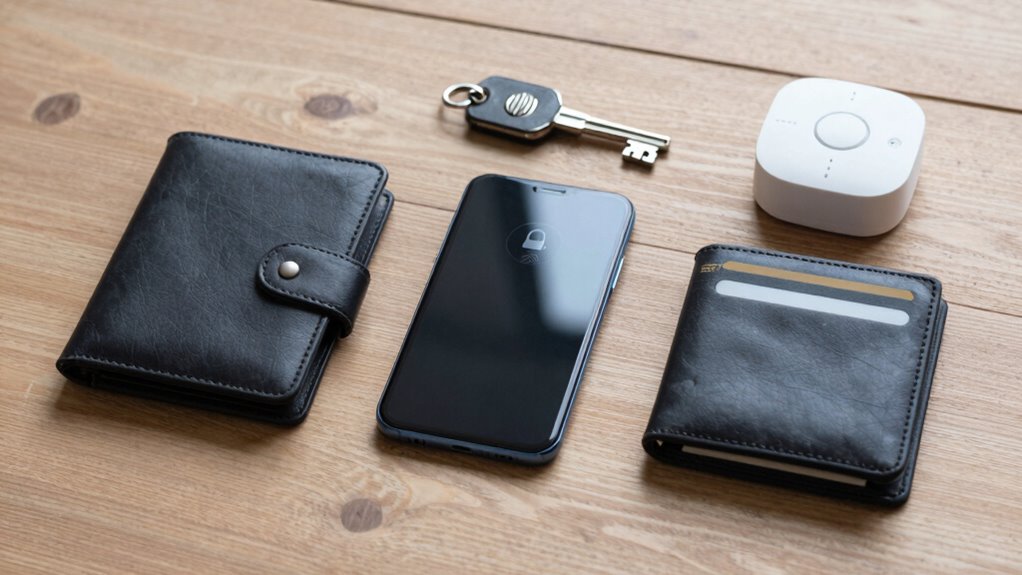
Creating an effective security routine doesn’t mean you have to overcomplicate your daily habits. You can stay secure by following simple, consistent steps. First, manage your passwords carefully by using a password manager to create strong, unique codes for each account. Second, practice physical security by keeping your phone and wallet in designated, secure spots and never leaving them unattended. Third, regularly review your account activity and security settings to spot any suspicious activity early. These habits help protect you without feeling overwhelming. Balancing password management with physical security guarantees you’re not overdoing it but still staying vigilant. Keep your routine straightforward, and security becomes second nature rather than a hassle.
Frequently Asked Questions
How Often Should I Update My Phone and Wallet Security Measures?
You should update your phone and wallet security measures at least once every three to six months. Regular security audits help identify vulnerabilities, so consider scheduling them periodically. Update frequency depends on new threats or if you notice suspicious activity. Staying proactive ensures your personal info stays protected without becoming paranoid. Always keep your software and apps current, and review your security settings regularly to maintain maximum safety.
Are There Specific Brands or Models That Are More Secure?
Some brands prioritize security, offering models with biometric authentication and RFID blocking features. Look for phones from Apple or Samsung, which have advanced biometric options like fingerprint and facial recognition. For wallets, choose RFID-blocking designs from brands like Ridge or Bellroy to prevent unauthorized scanning. These features enhance your security without making you overly paranoid, giving you peace of mind while staying protected against theft and digital threats.
What Are Common Signs My Phone or Wallet Has Been Compromised?
If your phone or wallet has been compromised, you might notice signs like unusual device malware behavior or suspicious app activity. Your phone may freeze unexpectedly, drain battery quickly, or show unfamiliar apps. For your wallet, watch for unauthorized transactions or missing funds. Stay alert to these signs, and if you spot them, act quickly by scanning for malware, updating passwords, or contacting your bank to protect your finances.
Can Using Public Wi-Fi Increase My Security Risks?
Using public Wi-Fi can increase your security risks due to public Wi-Fi dangers like data interception or hacking. To stay safe, avoid accessing sensitive info and use secure browsing tips, such as enabling VPNs, HTTPS sites, and avoiding auto-connect features. Always log out after use and consider using your mobile data for sensitive transactions. Staying cautious helps protect your personal information without feeling paranoid.
How Do I Recover My Data if My Device Is Lost or Stolen?
When your device is lost or stolen, act swiftly to access encrypted backups and employ effective data recovery methods. First, log into your cloud service or security app to locate or lock your device. Use remote wipe features to protect sensitive info. Restoring data from encrypted backups guarantees your files, photos, and contacts are safely recovered. Stay calm, follow these steps, and you’ll get your data back with minimal stress.
Conclusion
Staying cautious keeps your valuables safe without turning into a worrywart. By embracing simple habits and smart choices, you create a gentle shield around your phone and wallet. Think of it as tending a delicate garden—regular care keeps everything thriving and secure. So, stay aware without overthinking, and enjoy peace of mind with a light touch. After all, a little mindfulness goes a long way in keeping your essentials safe and sound.