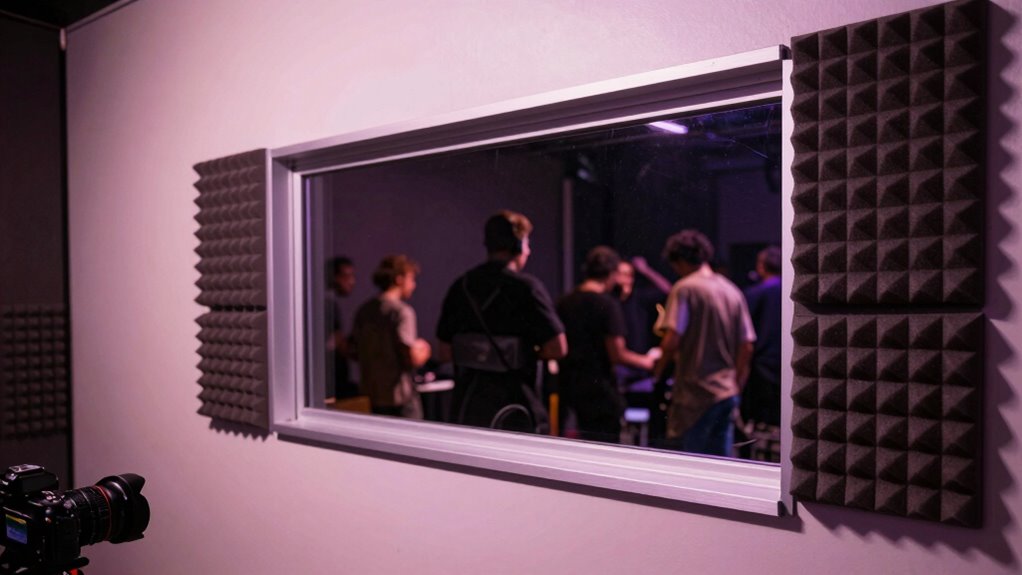

After a loud show, giving your ears a quiet window helps prevent hearing damage and speeds recovery. Step away from noisy areas and avoid loud environments immediately afterward. This break allows your ears to recover from the intense sound exposure and reduces the risk of long-term damage. Protecting your hearing starts with simple steps like this. If you want to learn more about how to keep your ears healthy after concerts, keep exploring these helpful tips.
Key Takeaways
- Giving your ears a quiet period immediately after shows helps them recover from loud noise exposure.
- The ‘quiet window’ reduces the risk of long-term hearing damage caused by cumulative noise.
- Using ear protection during shows and taking a break afterward minimizes auditory fatigue.
- Monitoring symptoms like ringing or muffled sounds guides appropriate rest and recovery time.
- Incorporating a sound-free period and hydration supports optimal ear health post-event.
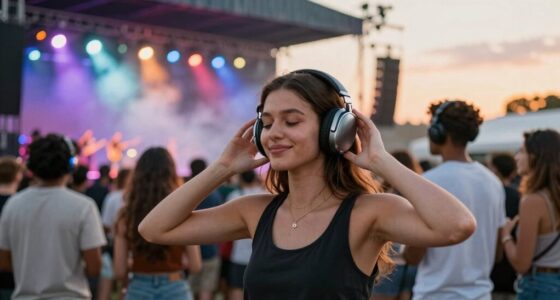
Attending concerts and shows can be an exhilarating experience, but if you’re not careful, they can also harm your hearing. In loud environments, your ears are exposed to intense sound levels that can cause temporary or even permanent damage. That’s why using ear protection is essential whenever you find yourself immersed in these noisy settings. Earplugs or noise-canceling headphones help reduce the volume, allowing you to enjoy the event without risking your hearing health. But protecting your ears during the event is just the first step; what you do afterward is equally important.
Many people overlook the importance of a “quiet window” after attending a loud show. This concept involves intentionally giving your ears a break from noise immediately following the event. When you leave a concert or club, your ears are often still processing high-decibel sounds, which can contribute to fatigue and potential damage if exposed to more loud noise right away. Taking a break in a quiet environment allows your auditory system to recover, reducing the risk of long-term hearing issues. You might spend a few minutes in a calm, sound-free space or simply avoid loud conversations and environments for a little while. Recognizing the importance of this recovery period is supported by hearing health research, emphasizing how critical it is to give your ears time to heal.
This quiet period is especially vital if you’ve been in an environment with persistent loud noise. The goal is to give your ears a chance to reset, preventing the cumulative effects of sound exposure. During this time, avoid turning up the volume on your devices or engaging in noisy activities. Hydration also plays a role in ear health, so drinking water can aid in recovery. If you’re concerned about your hearing after a show, paying attention to how your ears feel can be a good indicator. If you experience ringing, muffled sound, or discomfort, it’s wise to rest your ears even longer and consider consulting a professional if symptoms persist.
Frequently Asked Questions
How Long Does It Take for Hearing to Recover After Loud Shows?
Hearing recovery after loud shows varies, but typically, your ears can start to recover within a few hours. For noise-induced damage, full recovery might take 24 to 48 hours, depending on the exposure’s intensity. To protect your hearing, avoid loud environments immediately afterward and give your ears time to heal. If you experience persistent ringing or muffled hearing, consider consulting a healthcare professional for further evaluation.
Can Repeated Concert Exposure Cause Permanent Hearing Damage?
Repeated concert exposure can cause permanent hearing loss if you’re regularly exposed to loud noise levels without protection. Noise exposure damages your hair cells in the inner ear, which don’t regenerate. Over time, this damage accumulates, leading to irreversible hearing loss. To protect your hearing health, always wear ear protection at concerts and limit your exposure to loud environments, especially if you notice ringing or muffled sounds afterward.
Are There Specific Signs Indicating Hearing Damage From Concerts?
Yes, you can notice signs of hearing damage from concerts, like auditory fatigue and ringing symptoms, such as tinnitus. If your ears feel tired or muffled after loud events, or if you experience persistent ringing, these are warning signs. Don’t ignore them—take a break from loud sounds, and consider using ear protection next time. Early awareness helps prevent permanent damage.
What Are the Best Ear Protection Options for Concertgoers?
You absolutely need the best concert ear protection, or your ears might turn into tiny rock stars losing their hearing! Opt for high-fidelity earplugs or custom-molded earplug types designed for concertgoers, which reduce volume without distorting sound. These fantastic concert ear protection options keep you safe while still letting you groove to the music. Don’t risk your hearing—choose the right earplugs and enjoy the show without worry!
How Does Age Affect Hearing Recovery After Loud Events?
As you age, hearing recovery after loud events slows down due to age-related hearing decline, making you more vulnerable to damage. Teens, on the other hand, often have greater hearing resilience, allowing quicker recovery. However, repeated exposure can still cause long-term harm. To protect your hearing, use ear protection and give your ears time to recover, especially as you get older.
Conclusion
Think of your ears as delicate gardens that bloom with care. When you enjoy loud shows, it’s like planting seeds in a storm—sure to damage the blooms inside. But with mindful listening and proper quiet time afterward, you’re nurturing those blossoms back to health. Embrace the ‘quiet window’ as your personal refuge, allowing your hearing to recover and flourish. Protect your garden today, and let your soundscape stay vibrant for years to come.