
Many people nod along to audio terms like “bitrate,” “impedance,” and “sound frequency” without fully understanding what they mean or how they affect sound quality. These technical-sounding words are often used to sound knowledgeable, but they can be confusing. Understanding these terms can actually improve your ability to choose and evaluate audio gear, enhancing your listening experience. Keep exploring, and you’ll discover how these concepts truly impact what you hear.

Get audio and creator gear delivered free with Prime
- Fast, free delivery on millions of items
- Prime Video, Amazon Music and more included
- Member-only deals all year
Key Takeaways
- Many people feign understanding of technical terms like “bitrate” and “impedance” to sound knowledgeable.
- “Sound frequency” relates to pitch, but not everyone fully grasps its impact on audio quality.
- Impedance differences between equipment can cause muffled sound, yet this concept is often misunderstood.
- Manufacturers emphasize specs like frequency range and impedance to boost sales, making these terms seem more critical than they are.
- A solid grasp of these terms improves troubleshooting, equipment choices, and overall listening experience.

Most of us have nodded along when someone throws around audio terms like “bitrate” or “impedance,” even if we aren’t entirely sure what they mean. These terms get tossed into conversations about sound quality or audio equipment, making us feel like insiders, but often, we’re just pretending to understand. Take “sound frequency,” for example. You might know it’s related to the pitch of the sound—highs and lows—but you might not realize how essential it is in shaping your listening experience. Sound frequency, measured in Hertz, determines whether you’re hearing the crisp treble of a cymbal or the deep rumble of a bass guitar. When audio gear claims to reproduce a wide frequency range, it’s promising to cover all these sonic nuances, but what really matters is how well it can do so across different frequencies. Understanding sound frequency ranges can help you better evaluate audio equipment based on your listening preferences.
Then there’s “acoustic impedance,” a term that sounds more technical than it is. If you look it up, you’ll find it’s about how sound waves transfer from one medium to another—say, from air into your headphones or speakers. Think of acoustic impedance as resistance, but for sound. If the impedance mismatches between components aren’t aligned, you might notice muffled sound or loss of clarity. It’s especially important when designing or troubleshooting audio equipment because mismatched impedance means less efficient transfer of sound energy, resulting in a duller or less dynamic audio experience. Most people don’t think about impedance beyond buying the right cables, but it’s a behind-the-scenes factor that impacts how clear and accurate your sound is. Being aware of audio component compatibility can help you avoid common issues and improve your listening setup.
You might not realize how these terms connect to what you’re hearing daily. When you listen to music, watch movies, or attend concerts, the clarity, richness, and depth of the sound rely on how well the equipment handles different frequencies and manages impedance. Manufacturers often advertise high sound frequency ranges and impedance specifications to impress buyers, but knowing what they really mean can help you pick gear that sounds better to your ears. Understanding these terms isn’t just about sounding knowledgeable; it’s about making smarter choices and truly appreciating the technology behind the sound. So next time someone mentions sound frequency or acoustic impedance, you’ll at least know they’re talking about the core factors that shape your entire listening experience—without pretending to understand, but genuinely knowing what’s involved.
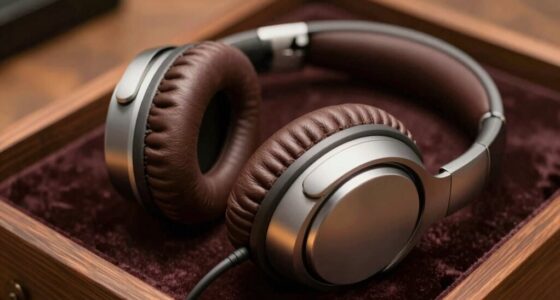
high fidelity headphones with wide frequency range
As an affiliate, we earn on qualifying purchases.
As an affiliate, we earn on qualifying purchases.
Frequently Asked Questions
What Is the Difference Between Impedance and Resistance?
Impedance and resistance both relate to how electrical signals flow, but impedance includes resistance plus reactance, which affects AC signals. Impedance matching guarantees ideal transfer of audio signals, preventing distortions. Resistance measurement only concerns DC circuits, while impedance measurement considers frequency-dependent effects. Understanding this difference helps you choose the right equipment for audio setups, ensuring your gear interacts smoothly and sounds clear without unwanted noise or loss of detail.
How Does Digital Audio Differ From Analog Audio?
You might think digital and analog audio are the same, but they differ in how they handle sound waves. Digital audio converts sound into binary data, capturing the audio frequency precisely, making it easier to edit and reproduce without degradation. Analog audio, on the other hand, directly records sound waves, which can introduce noise over time. Digital provides clearer, more consistent sound, especially for complex audio like music or speech.
What Does “Bit Depth” Mean in Audio Recording?
Bit depth in audio recording refers to the number of bits used to represent each audio sample, affecting your dynamic range—the difference between the quietest and loudest sounds. A higher bit depth means more detail and less noise, enhancing sound quality. It works alongside sample rate to define the overall fidelity of your recording, with higher values capturing more nuances and making your audio clearer and more accurate.
Why Do Some Audio Terms Sound Similar but Mean Different Things?
Like twins with different personalities, similar-sounding audio terms can mean different things. For example, frequency response describes how well a system reproduces all audible sounds, while sound staging refers to the perceived space and depth of the audio. Although they sound alike, they focus on distinct aspects of sound quality. Understanding these differences helps you better evaluate audio equipment and enjoy a richer listening experience.
How Do I Choose the Right Audio Equipment for My Needs?
To choose the right audio equipment, consider your space and listening habits. Pay attention to speaker placement—placing speakers properly enhances sound quality. Also, evaluate your room acoustics; adding rugs or curtains can reduce echo and improve clarity. Select equipment that matches your room size and usage, whether for casual listening or professional audio work. Testing different setups ensures you find the best balance between equipment and environment for maximum sound.
As an affiliate, we earn on qualifying purchases.
Conclusion
So, next time you hear someone throw around audio terms, you’ll know you’re not alone. In fact, a recent survey found that over 60% of people feel overwhelmed by audio jargon, even if they pretend to understand it. Remember, mastering these terms isn’t about impressing others—it’s about truly understanding your audio gear and sound quality. With a little practice, you’ll be confidently speaking the language of audio in no time!
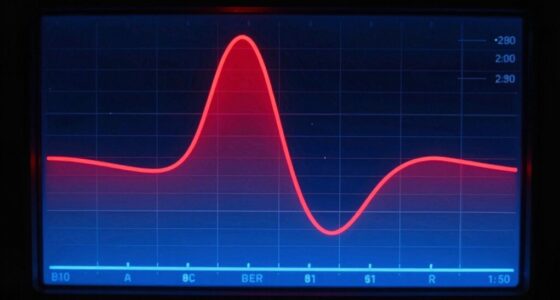
sound frequency analyzer for audio
As an affiliate, we earn on qualifying purchases.
As an affiliate, we earn on qualifying purchases.
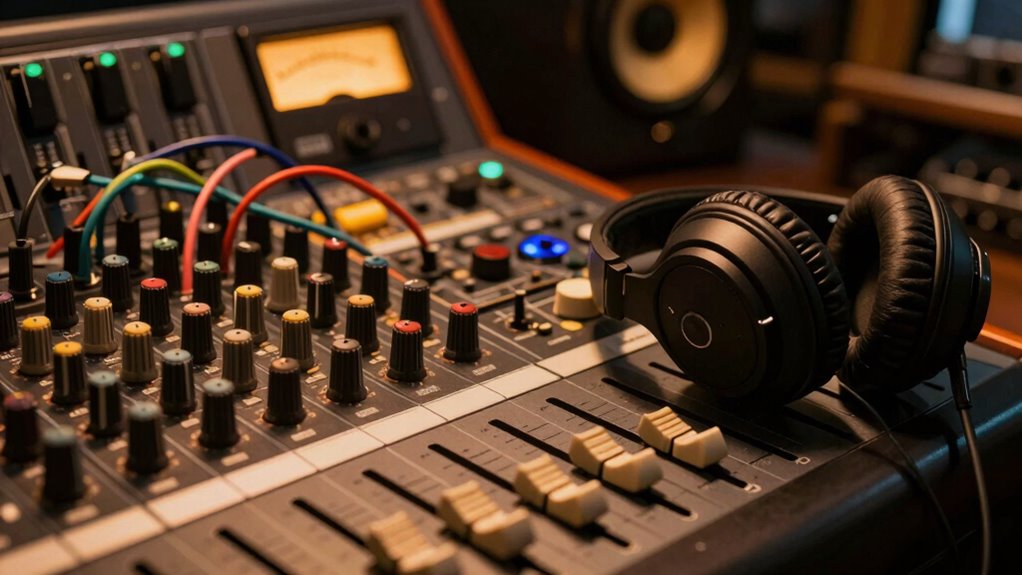
audio gear with detailed specifications
As an affiliate, we earn on qualifying purchases.
As an affiliate, we earn on qualifying purchases.
Halloween Picks
halloween
As an affiliate, we earn on qualifying purchases.