A proper headphone seal is essential because it directly influences bass quality and overall sound clarity. When you fit the tips well, sound waves stay contained inside your ear canal, creating richer, deeper bass and reducing external noise. Factors like ear shape, tip material, and fit all affect this seal. Small adjustments can dramatically improve your listening experience. If you want to discover how fine-tuning your fit can boost sound even further, keep exploring this important detail.
Key Takeaways
- A proper headphone seal traps sound waves, boosting bass response and overall sound clarity.
- Ear canal shape and movement can affect seal quality, requiring adjustments for optimal fit.
- Foam tips conform better to ear shape, creating a tighter seal that enhances bass and noise isolation.
- Even slight shifts in headphone position can break the seal, reducing sound quality and bass depth.
- Experimenting with tip size and material helps achieve and maintain the best seal for consistent audio performance.

A proper headphone seal is essential for delivering the best sound quality and comfort. When you fit your headphones correctly, you’re ensuring that the sound waves stay contained within your ear, which directly impacts how rich, deep, and accurate your listening experience becomes. The way your ear canal responds—its dynamics—plays a significant role in this process. No two ears are alike, and ear canal dynamics involve how your ear canal’s shape, size, and movement influence the seal. As you insert your headphones, the canal might expand or shift slightly, affecting the seal’s integrity. If the seal isn’t tight enough, you’ll notice a loss in bass response and overall sound clarity. Conversely, if it’s too tight, it can cause discomfort or even sound distortion. Understanding these subtle movements helps you appreciate why a good seal is essential and why some headphones fit better than others.
The seal material differences also come into play, affecting both comfort and sound quality. Different materials—like silicone, foam, or memory foam—interact uniquely with your ear canal. Silicone tips tend to be firmer and provide a more stable seal, which can be ideal for active use or when you prefer a more precise fit. Foam tips, especially memory foam, conform to your ear canal’s shape over time, creating a personalized seal that enhances bass and noise isolation. This adaptability makes foam an excellent choice if you’re seeking a snug fit that remains comfortable during long listening sessions. The material’s flexibility influences how well the seal maintains itself despite ear canal dynamics, ensuring consistent sound performance even when your head moves or you change positions. Additionally, understanding ear canal dynamics and how different seal materials respond can help you select the most suitable headphones for your needs. Achieving the perfect seal isn’t just about choosing the right tips; it’s also about how well they fit your unique ear anatomy. You might need to experiment with different tip sizes or materials to find what works best for you. A good seal maximizes bass response by increasing the acoustic pressure inside your ear, making the low frequencies sound richer and more immersive. It also minimizes external noise, allowing you to enjoy your music without distractions. Keep in mind, the seal should feel secure but not uncomfortable. Over time, you’ll learn to recognize when your headphones are properly sealed—there’s typically a noticeable increase in bass and clarity—and adjust accordingly. By understanding ear canal dynamics and seal material differences, you can optimize your headphone fit for the best sound experience every time.

BLLQ 12 Pairs Silicone Replacement Earbud Ear Buds Tips Compatible with Skullcandy Sesh Evo and Other 3.8mm to 5.5mm Nozzle Earbuds Earphones, S/M/L Black
BLLQ 12 Pairs of Black Silicone Replacement Earbud Tips fit for most In-Ear Earbuds Earphones(S/M/L, Each Size 4…
As an affiliate, we earn on qualifying purchases.
As an affiliate, we earn on qualifying purchases.
Frequently Asked Questions
Can Headphone Seal Affect Long-Term Ear Health?
Yes, headphone seal can influence your long-term ear health. If the seal isn’t comfortable or causes excessive pressure, it might lead to ear infections or irritation over time. Poorly fitting headphones can also contribute to hearing loss if you listen at high volumes for extended periods. To protect your ears, make certain of a proper fit, take breaks, and keep your headphones clean to minimize risks like infections or damage.
Does Headphone Seal Influence Noise Cancellation Effectiveness?
Yes, your headphone seal markedly influences noise cancellation effectiveness. When you achieve a proper seal, it creates ear canal pressure that blocks sound leakage, enhancing noise cancellation. If the seal is loose, sound escapes, and external noise seeps in, reducing performance. So, ensuring a snug fit not only boosts audio quality but also maximizes noise cancellation, making your listening experience more immersive and effective.
Are There Different Seal Types for Specific Headphone Designs?
Yes, there are different seal types tailored to specific headphone designs. You can find various earcup materials, like foam, silicone, or leather, that influence the seal’s effectiveness. Some headphones allow seal customization, enabling you to adjust or replace seals for a better fit and improved sound isolation. Choosing the right seal type based on your headphone’s design ensures maximum comfort and sound quality, especially for bass response.
How Can I Improve Seal Comfort During Extended Listening?
Think of your headphones as a gentle handshake, where a comfortable seal is the key to harmony. To improve seal comfort during long sessions, focus on seal adjustment—try different ear tips or reposition your headphones. This helps prevent ear fatigue by reducing pressure points and maintaining a snug fit without discomfort. Regularly adjusting the seal guarantees you stay immersed in sound while keeping your ears happy and fatigue-free.
Does Seal Quality Vary Across Headphone Brands?
Yes, seal quality does vary across headphone brands. You’ll notice differences in brand consistency, especially because each brand uses different seal materials like foam, silicone, or hybrid designs. These materials impact comfort and sound isolation. To find the best seal, try different brands, and pay attention to how each material fits your ears. A good seal enhances bass and overall sound quality, making your listening experience much better.
![[6 Pairs] Earphone Tips New bee 12pcs Replacement Earbud Tips Blocking Out Ambient Noise Memory Foam Earbuds Inner 4.9mm for in-Ear Headphones with 5mm-7mm Tips (Black, S/M/L)](https://m.media-amazon.com/images/I/41ugOgjVjrL._SL500_.jpg)
[6 Pairs] Earphone Tips New bee 12pcs Replacement Earbud Tips Blocking Out Ambient Noise Memory Foam Earbuds Inner 4.9mm for in-Ear Headphones with 5mm-7mm Tips (Black, S/M/L)
Slow rebound earphone, enhance the comfort of the headset to wear. Available and general; Soft and fitting your…
As an affiliate, we earn on qualifying purchases.
As an affiliate, we earn on qualifying purchases.
Conclusion
Once you perfect the headphone seal, you’ll liberate bass so deep and powerful, it’ll feel like your ears are hosting a private concert for an entire orchestra. That tiny fit detail transforms your listening experience from good to mind-blowingly immersive. Don’t underestimate its importance—this small tweak can turn ordinary sound into an epic sonic adventure. Master the seal, and you’ll never settle for less than audiophile perfection again. Your ears will thank you for this game-changing upgrade!
![ALXCD Triple Flange Ear Tip, 6 Pairs S/M/L Size Triple Three Flange Noise Isolation Silicone Earbuds Tips with 4mm Connector Hole, Fit for Most in Ear Earphone (Black)[S/M/L]](https://m.media-amazon.com/images/I/41Xi5BGugoL._SL500_.jpg)
ALXCD Triple Flange Ear Tip, 6 Pairs S/M/L Size Triple Three Flange Noise Isolation Silicone Earbuds Tips with 4mm Connector Hole, Fit for Most in Ear Earphone (Black)[S/M/L]
Applicable Model: In Ear Earphone with connection size of approximately 11/64" (4.25mm) up to 15/64" (6mm) Fits select…
As an affiliate, we earn on qualifying purchases.
As an affiliate, we earn on qualifying purchases.
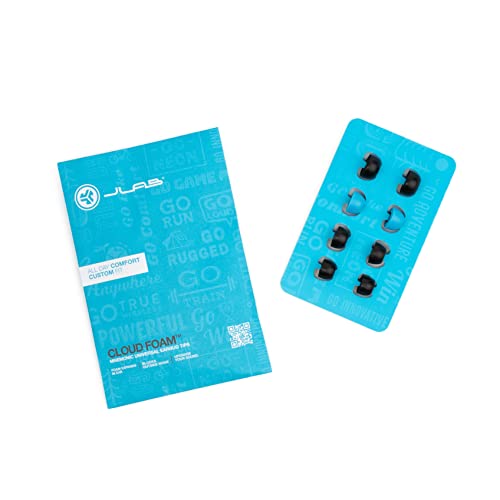
JLab Cloud Foam Mnemonic Earbud Tips, 4 Pairs of Custom Fit Universal Tips, Memory Cloud Foam, Black/Blue
🔊 ENHANCED SOUND: These earbud tips are designed to provide the optimal listening experience with deep, enhanced bass…
As an affiliate, we earn on qualifying purchases.
As an affiliate, we earn on qualifying purchases.