
To spot center image problems early, pay close attention to how sounds shift when you move your head or change environments. Notice if voices or music seem to come from different directions or feel unstable, especially after exposure to loud noises or noisy places. External factors like earwax or pressure changes can cause these issues, so monitoring how your hearing responds can help. If you stay aware of these signs, you’ll better understand your hearing health and find solutions sooner.

Get audio and creator gear delivered free with Prime
- Fast, free delivery on millions of items
- Prime Video, Amazon Music and more included
- Member-only deals all year
Key Takeaways
- Pay attention to sounds shifting or seeming off-center during movement or different environments.
- Notice if voices or music appear to come from the side instead of directly ahead.
- Monitor if auditory sensations worsen after loud noise exposure or environmental changes.
- Check for external factors like earwax buildup or pressure fluctuations that may affect perception.
- Seek professional evaluation if persistent or worsening center image issues occur.
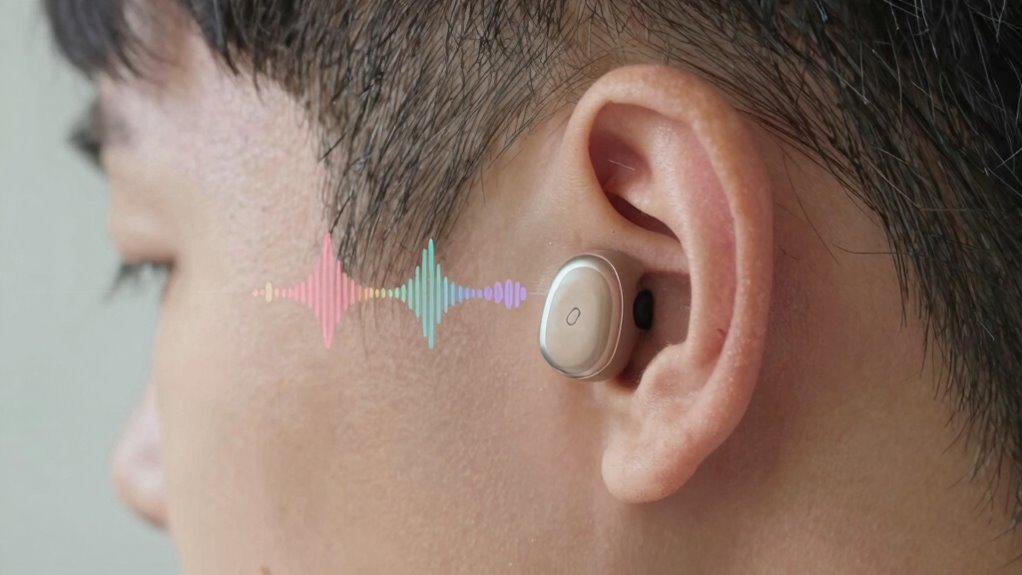
Have you ever noticed your music or voices sounding uneven or off-center? If so, you’re not alone. These experiences often involve auditory illusions—perceptions that trick your brain into hearing sounds differently than they actually are. Our hearing sensitivity varies from person to person, and even small changes in how your ears process sound can create the impression that something’s off with the center image of what you’re listening to. Recognizing these subtle cues early can save you from unnecessary frustration and help you address potential issues before they become overwhelming.
Your brain constantly works to interpret complex sound environments, but sometimes it gets confused by auditory illusions. These illusions can make it seem like the sound is shifting or that voices are coming from different directions, even when everything is properly balanced. Hearing sensitivity, which influences how sharply you perceive sound variations, plays a big role here. If your hearing sensitivity is heightened, minor discrepancies in sound can seem exaggerated, making the center image appear unstable or out of place. Conversely, reduced sensitivity might cause you to miss cues that would otherwise help your brain localize sounds accurately. Understanding this dynamic can help you pinpoint whether your perception is affected by external factors or if it’s a matter of your auditory processing. Additionally, fluctuations in ear pressure can also influence how your brain interprets sound direction and clarity.
Auditory illusions can distort sound perception, influenced by hearing sensitivity and external factors, affecting how we localize sounds accurately.
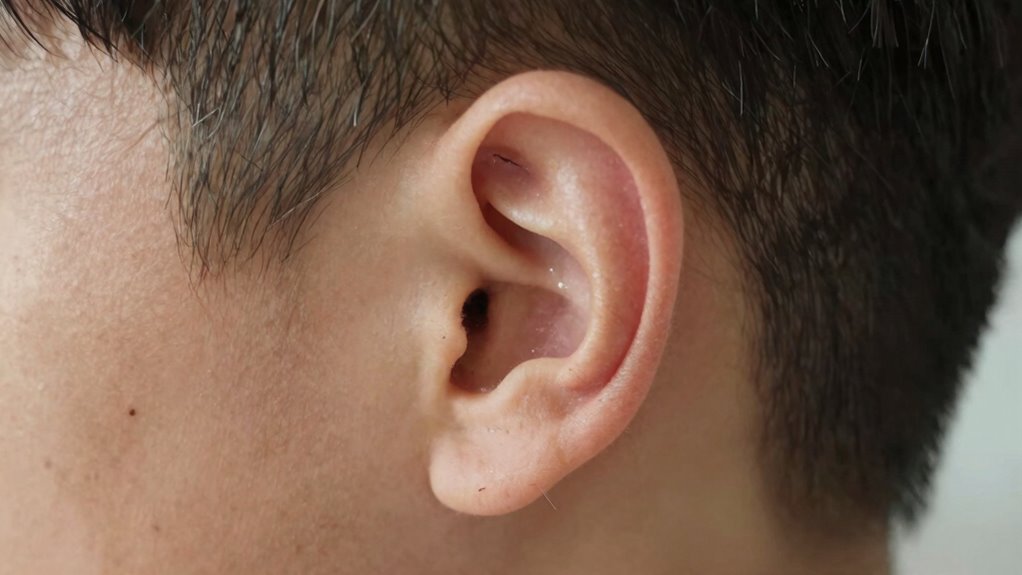
To catch center image problems early, pay attention to how your environment sounds during different activities. Do voices or music seem to shift when you move your head, or do they sometimes sound like they’re coming from the side instead of straight ahead? These are common signs that your auditory perception might be experiencing issues. It’s also helpful to note if these sensations worsen after exposure to loud noises, certain environments, or if they persist over time. Sometimes, the cause can be as simple as earwax buildup or temporary hearing sensitivity changes, but other times, it might indicate underlying conditions needing professional evaluation. Additionally, earwax accumulation can physically block sound pathways and alter your auditory perception, further emphasizing the importance of proper ear care. Maintaining good ear hygiene is essential for preventing these issues from escalating.
Listening carefully to these nuances can help you distinguish between normal auditory illusions and genuine problems with your hearing. The key is to be mindful of when these perceptions occur and under what circumstances. If you notice consistent issues with your center image, consulting an audiologist can provide clarity. They can perform tests to measure your hearing sensitivity and identify if auditory illusions are affecting your perception. Addressing the root cause early prevents minor disturbances from escalating into more significant hearing or balance concerns. Regularly checking your hearing health and environment can also help maintain clarity in sound and prevent the development of more serious issues. Ultimately, understanding how auditory illusions impact your perception empowers you to take control of your hearing health and maintain clarity in sound. Additionally, ensuring proper ventilation and air quality in your environment can help reduce ear pressure changes that might contribute to hearing perception issues.
As an affiliate, we earn on qualifying purchases.
Frequently Asked Questions
Can Hearing Center Image Problems Affect My Overall Hearing Health?
Yes, hearing center image problems can affect your overall hearing health. When you notice issues, it’s essential to get hearing aid adjustments promptly, as poorly fitting devices can harm your ear canal health. Ignoring these problems might lead to discomfort or further hearing loss. Regular check-ups ensure your hearing aids work properly and keep your ear canal healthy, preventing minor issues from escalating into more serious concerns.
Are There Specific Signs That Indicate Worsening Center Image Issues?
Yes, signs of worsening center image issues include decreased perception clarity, making sounds seem distorted or muffled. You might notice difficulty distinguishing speech in noisy environments or a sense that your perception of sound is becoming less precise. If these signs appear or intensify, it’s essential to consult a hearing professional. Recognizing these early indicators helps prevent further deterioration and maintains your overall hearing health.
How Often Should I Get My Hearing Center Image Checked?
Think of your hearing center image like a garden needing regular tending. You should get it checked every 6 to 12 months, especially if you wear hearing aids or notice changes. Acoustic processing can shift over time, affecting sound clarity. Regular check-ups help catch issues early, ensuring your hearing aids work most effectively and your center image stays balanced. Don’t wait for problems to grow—stay proactive for better hearing health.
Do Center Image Problems Impact Speech Understanding?
Center image problems can definitely impact your speech understanding. You might struggle with sound localization, making it hard to tell where sounds are coming from, which affects how well you understand speech in noisy environments. These issues can also reduce auditory clarity, causing words to sound muffled or unclear. Recognizing these symptoms early helps you seek treatment, improving your overall communication and reducing frustration.
Can Lifestyle Changes Improve Center Image Perception?
Yes, lifestyle adjustments can improve your center image perception. By making simple changes like reducing noise exposure, managing stress, and maintaining a healthy diet, you support your auditory system. Regular exercise and good sleep also enhance perception. These actions promote perception enhancement, helping your brain process sounds more accurately. Consistent lifestyle modifications can lead to noticeable improvements, making it easier to interpret sounds clearly and reducing frustration over time.
As an affiliate, we earn on qualifying purchases.
Conclusion
So, next time your stereo sounds like it’s auditioning for a one-man band, remember—catching center image problems early isn’t just for audio geeks. It’s your ticket to sanity, or at least a peaceful walk through your living room. Don’t wait until your speakers start plotting against you; tune in, troubleshoot, and keep your ears happy. After all, who needs a psychic when you’ve got a good ear and a little skepticism?
As an affiliate, we earn on qualifying purchases.
As an affiliate, we earn on qualifying purchases.
Halloween Picks
halloween
As an affiliate, we earn on qualifying purchases.