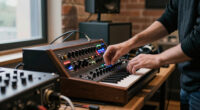
When choosing a streamer for hi-res listening, prioritize one that supports high-quality codecs like FLAC, ALAC, or MQA to guarantee the best sound fidelity. Check if it supports essential streaming protocols such as DLNA, AirPlay, or Chromecast for compatibility with your devices. A stable internet connection, preferably wired, helps prevent interruptions. Invest in a good DAC to handle high-bitrate streams. Keep these key points in mind, and you’ll be ready to explore more about creating your perfect setup.

Get audio and creator gear delivered free — and shop member deals
- Fast, free delivery on millions of items
- Access to Prime Big Deal Days deals on October 6–7
- Prime Video, Amazon Music and more included
Key Takeaways
- Ensure the streamer supports high-resolution audio codecs like FLAC, ALAC, or MQA for optimal sound quality.
- Check device compatibility with streaming protocols such as DLNA, AirPlay, or Chromecast.
- Prioritize a stable internet connection, preferably wired Ethernet, to prevent interruptions during high-res playback.
- Select a streamer with flexible codec support and strong hardware decoding capabilities.
- Consider your budget while balancing features like interface, remote control, and integration with existing audio gear.

Are you new to streaming and feeling overwhelmed by the array of equipment options? Steering through the world of digital streaming for high-res listening can seem intimidating at first, but understanding some key fundamentals will make the process smoother. Your goal is to enjoy crystal-clear audio, which hinges on choosing the right components, especially when it comes to audio codecs and the digital streaming setup.
Digital streaming involves transmitting audio data over the internet, so knowing how this data is compressed and decoded is essential. Audio codecs are algorithms that compress audio files to reduce their size while maintaining sound quality. When streaming high-res music, you’ll want to prioritize codecs that support lossless or near-lossless quality. Common codecs like FLAC (Free Lossless Audio Codec) or ALAC (Apple Lossless Audio Codec) preserve the original audio fidelity, making them ideal for hi-res setups. Some streaming platforms also support higher-bitrate codecs like MQA (Master Quality Authenticated), which delivers studio-quality sound. Your choice of codec affects not only sound quality but also compatibility with your streaming device and network stability.
Choosing the right audio codecs like FLAC, ALAC, or MQA is essential for high-quality streaming and device compatibility.
To get started, you’ll need a device capable of decoding these codecs—whether that’s a dedicated streamer, a DAC (digital-to-analog converter), or a high-quality audio receiver. Make sure your hardware supports the codecs used by your streaming service to avoid conversion issues and loss of quality. It’s also important to ponder your internet connection: higher-quality streams require faster, stable bandwidth to prevent interruptions. Many services automatically adjust quality based on your network, but if you’re aiming for the best hi-res experience, a wired Ethernet connection is preferable over Wi-Fi for stability. Additionally, understanding digital streaming protocols can help you select compatible devices and optimize your setup for seamless playback. Being aware of audio codec compatibility is crucial for ensuring your hardware and streaming service work harmoniously to deliver the best sound.
When choosing your streaming setup, prioritize devices that support digital streaming protocols like DLNA, AirPlay, or Chromecast, which facilitate seamless transmission of high-res audio. These protocols ensure your device can communicate effectively with your network and high-quality sources. Keep in mind that some devices may support specific audio codecs better than others, so check compatibility before purchasing. Additionally, understanding the fundamentals of digital streaming can help you troubleshoot issues and optimize your setup for the best sound quality. A solid grasp of network stability and bandwidth requirements will also prevent interruptions and ensure a consistent listening experience.
Finally, investing in a quality digital streaming setup involves balancing your budget with your desired sound quality. Focus on acquiring a good DAC that can handle high-bitrate streams and support your preferred codecs. As you grow more comfortable with your equipment, you’ll find that understanding these core elements—digital streaming fundamentals and audio codecs—makes the entire experience more enjoyable and rewarding.
As an affiliate, we earn on qualifying purchases.
Frequently Asked Questions
How Do I Choose the Right Streaming Platform for Hi-Res Audio?
To choose the right streaming platform for hi-res audio, prioritize audio quality and available subscription plans. Look for platforms that offer lossless or high-resolution formats, ensuring crisp, clear sound. Compare subscription plans to find one that fits your budget and listening habits. Consider platform compatibility with your devices and whether they support your preferred hi-res formats. This way, you get the best listening experience tailored to your needs.
What Are the Differences Between Wi-Fi and Ethernet Streaming?
They say, “A chain is only as strong as its weakest link,” and that’s true for streaming. Wi-Fi offers wireless convenience, letting you move freely, but it can suffer from network stability issues, causing interruptions. Ethernet provides a stable connection, ensuring consistent high-res audio quality. If you want reliable, uninterrupted streaming, Ethernet is the way to go. If flexibility matters more, Wi-Fi’s your best bet.
Can I Upgrade My Existing Streamer for Better Hi-Res Performance?
Yes, you can upgrade your existing streamer for better hi-res performance. Start by checking for firmware updates, as they often improve audio quality and functionality. Additionally, consider upgrading your power supply, which can reduce noise and enhance sound clarity. These simple upgrades can substantially boost your streamer’s performance without needing a complete replacement, helping you enjoy higher-resolution audio with more detail and richness.
How Important Is DAC Quality in a Streaming Setup?
DAC quality is essential in a streaming setup because it directly impacts your listening experience. Better DAC calibration guarantees accurate sound reproduction, preserving the details of high-resolution audio. The analog output quality also matters, as it influences the clarity and richness of your sound. Investing in a high-quality DAC can transform your setup, providing cleaner, more precise audio, so don’t overlook this component when upgrading your gear.
What Are the Compatibility Considerations With Various Audio Formats?
You need to take into account audio codecs and format compatibility when choosing your gear. Make sure your DAC and streamer support popular audio codecs like FLAC, ALAC, and DSD, which are essential for high-res audio. Check that your devices can handle various formats without conversion issues. Compatibility ensures seamless playback, preserves audio quality, and prevents frustration, so always verify supported formats before purchasing to match your preferred audio sources.
FLAC compatible Network Streamer
As an affiliate, we earn on qualifying purchases.
As an affiliate, we earn on qualifying purchases.
Conclusion
Think of your streamer as the key to opening a world of sonic treasures, where each note is a shimmering gem waiting to be discovered. As you choose your setup, you’re crafting a bridge to pure auditory bliss—your personal gateway to musical paradise. Remember, the right equipment isn’t just gear; it’s the compass guiding you through the vast ocean of sound. Embrace the journey, and let your high-res listening experience become a voyage of endless discovery.
As an affiliate, we earn on qualifying purchases.
As an affiliate, we earn on qualifying purchases.
Fall Picks
fall essentials
As an affiliate, we earn on qualifying purchases.