To prevent your cooler from turning into soup by day 2, place ice packs around your supplies—not just on top—and use barriers like towels to slow melting. Keep the cooler in a shaded, cool spot, and pre-chill it beforehand. Tightly pack items to limit air spaces, and minimize opening it to maintain cold temperatures. Proper placement, insulation, and handling can help, and more tips follow to keep your cooler dry and effective longer.

Get audio and creator gear delivered free with Prime
- Fast, free delivery on millions of items
- Prime Video, Amazon Music and more included
- Member-only deals all year
Key Takeaways
- Use well-insulated, high-quality coolers and pre-chill them before packing.
- Properly place ice packs around sides and bottom, not just on top, for even cooling.
- Keep the cooler in shaded, cool areas and avoid direct sunlight exposure.
- Minimize opening the cooler; plan access to reduce warm air entry.
- Ensure the cooler is dry, clean, and tightly packed to prevent water buildup and spoilage.

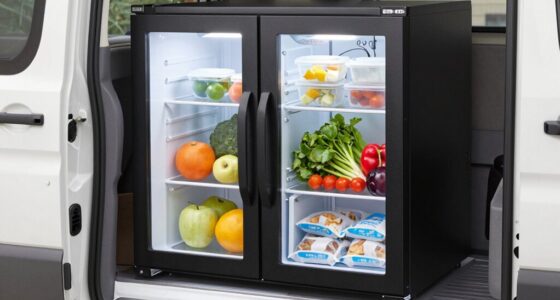
If you want your cooler to stay effective beyond the first day, you need to take specific steps to prevent it from turning into a soggy, unmanageable mess. The key is managing temperature and moisture carefully. Proper ice pack placement plays an essential role in keeping your contents cold without flooding the interior. Instead of just tossing ice packs on top of your items, position them strategically around your food and drinks. Place some along the sides and at the bottom for consistent cooling. This guarantees cold air circulates evenly, preventing hotspots that can cause melting and leaks. Avoid stacking ice packs directly on your food, which can cause rapid melting and increase moisture inside. Instead, use a barrier like a towel or a dry cloth between the ice packs and your supplies to slow down direct contact, reducing excess water accumulation.
In addition to smart ice pack placement, the insulation quality of your cooler is key. Cooler insulation determines how well the cold stays inside and how much heat it resists. If your cooler has thin or worn-out insulation, it’ll struggle to keep items cold for more than a day. Consider investing in a high-quality, well-insulated cooler designed for longer trips. Before packing, confirm the cooler is clean and dry. Moisture inside the cooler can compromise insulation effectiveness and create a damp environment that encourages spoilage and mold growth. Packing your cooler tightly also helps, as empty space allows warm air to circulate more easily, speeding up melting and condensation.
Another tip is pre-chilling your cooler before packing. Fill it with ice and run it for a couple of hours to lower the temperature. Once cooled, drain any excess water and pack your food and drinks. This initial cold boost helps maintain lower temperatures longer. You should also keep the cooler in a shaded, cool spot during your outing, away from direct sunlight. Sun exposure heats up the cooler’s exterior, making insulation less effective and increasing the risk of contents turning to soup by the second day.
Finally, avoid opening your cooler too often or for too long. Every time you open it, warm air enters, raising the internal temperature and accelerating melting. Plan ahead so you only open it when necessary, and close it quickly to preserve the cold environment inside. By paying attention to ice pack placement, choosing a well-insulated cooler, pre-chilling, and minimizing access, you’ll considerably reduce the chances of ending your day with a soupy mess. Proper planning and technique keep your cooler cold, dry, and ready to serve your needs for longer. Additionally, ensuring your cooler has proper maintenance can prolong its insulation effectiveness and prevent unexpected spoilage.
As an affiliate, we earn on qualifying purchases.
Frequently Asked Questions
What Is the Ideal Temperature for a Cooler?
You should keep your cooler at a temperature around 35-40°F (1.5-4°C) for ideal ice preservation. Good cooler insulation and precise temperature control are essential to prevent melting and spoilage. Use a thermometer to monitor the temperature regularly, and avoid opening it too often. Keeping the cooler in a shaded, cool spot also helps maintain its perfect temperature, ensuring your food and drinks stay fresh longer.
How Often Should I Check My Cooler’s Contents?
Think of your cooler as a delicate garden needing daily care. You should check your cooler’s contents at least once every 4-6 hours during hot days to guarantee food safety tips are met. Regular cooler maintenance prevents spoilage and keeps everything fresh. By being vigilant and proactive, you’re the gardener safeguarding your feast from turning into a soggy mess, ensuring your supplies stay safe and delicious all day long.
Can I Use Ice Packs Instead of Ice?
Yes, you can use ice pack alternatives instead of ice. They help keep your cooler cold longer and reduce melting mess. For better results, use cooler insulation tips like pre-chilling your cooler, packing items tightly, and layering with towels or blankets. These techniques maintain cold temperatures and prevent your cooler from turning into soup. Always check the temperature periodically to guarantee your food stays fresh and safe.
How Do I Prevent Odors Inside the Cooler?
Think of your cooler as a treasure chest; odors can sneak in if you’re not careful. To prevent odors inside, focus on odor control by cleaning it regularly with mild soap and water. Use deodorizer options like baking soda or specialized cooler deodorizers to absorb smells. Keep your cooler dry and leave it slightly open after use. These simple steps help keep your cooler smelling fresh, no matter how long your adventure lasts.
Is It Better to Pre-Chill the Cooler Before Use?
Yes, it’s better to pre-chill your cooler before use. You can do this by filling it with ice or cold water for a few hours. Proper cooler insulation helps retain the cold, and placing ice strategically—like on the bottom and around your items—keeps everything cold longer. Pre-chilling prevents warm air from warming your food and drinks, so your cooler stays cold and your items stay fresh longer.
As an affiliate, we earn on qualifying purchases.
Conclusion
To keep your cooler from turning into soup, you’ll want to stay vigilant about ice levels and proper sealing. Some worry that opening the cooler frequently will spoil everything, but if you limit access and keep it tightly sealed, your items stay cold longer. Remember, a well-packed cooler with enough ice is your best defense. With these tips, you’ll enjoy fresh food and cold drinks through day two, no matter how hot it gets outside.
As an affiliate, we earn on qualifying purchases.
As an affiliate, we earn on qualifying purchases.
Halloween Picks
halloween
As an affiliate, we earn on qualifying purchases.