When setting up your lithium power station for emergency backup, make certain batteries meet safety standards and have built-in protections like thermal management and overcharge protection. Verify compatibility with your inverter and charger, use the correct wiring gauge, and incorporate safety devices like fuses or breakers. Maintain ventilation to prevent overheating and avoid mismatched components. Following these best practices helps prevent hazards; more tips await to keep your system reliable and safe.
Key Takeaways
- Verify battery safety certifications and built-in protections before installation.
- Ensure proper ventilation to prevent overheating during operation.
- Match battery specifications with inverter and charger ratings to ensure compatibility.
- Use correct gauge wiring, secure connections, and rated safety devices to prevent electrical hazards.
- Follow manufacturer guidelines meticulously and avoid mixing incompatible components for system reliability.
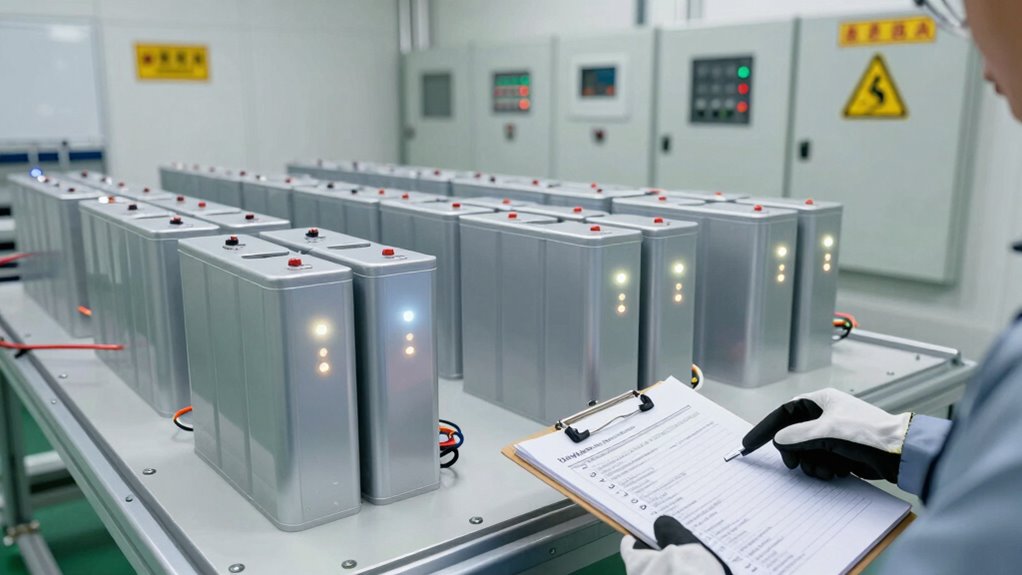
Setting up a lithium power station requires careful planning and precise execution to guarantee safety and efficiency. One of the most critical aspects of this process is ensuring proper battery safety. Lithium batteries can be very effective for emergency backup, but they pose risks if mishandled. You need to verify that the batteries you select meet safety standards and have built-in protections like thermal management and overcharge protection. Avoid choosing batteries based solely on capacity or price; instead, prioritize models with proven safety features and certifications. Proper handling during installation is essential. Never force or mishandle batteries, and always wear protective gear to prevent accidental short circuits or leaks. Proper ventilation is also essential because, in rare cases, lithium batteries can overheat. Ensuring battery safety minimizes the risk of fires, explosions, or damage to your equipment.
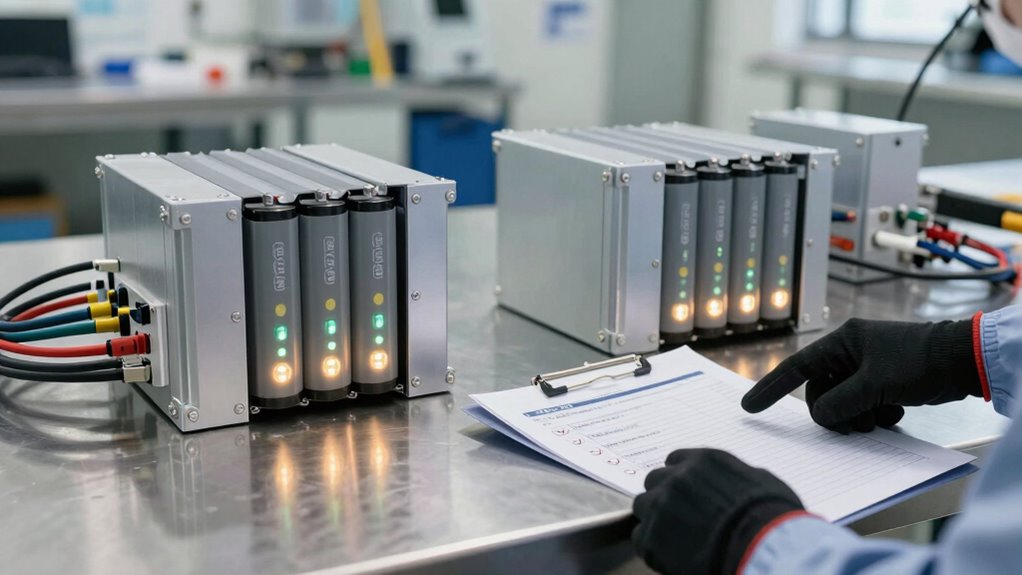
Additionally, understanding battery chemistry and how it influences safety features can help you make better choices and prevent hazards. Equally important is verifying equipment compatibility. Not all components work seamlessly together, and mismatched equipment can cause system failures or damage. When selecting batteries, inverters, chargers, and controllers, double-check their specifications to confirm they are compatible. For example, the inverter’s voltage and current ratings should match the battery bank’s output to prevent overloads. The charger must also be suitable for lithium batteries, as using a lead-acid charger can cause improper charging cycles, reducing battery lifespan or causing safety issues. Reading manufacturer guidelines thoroughly and consulting technical datasheets helps you avoid mismatched equipment that could compromise your entire backup system. It’s tempting to mix and match parts for cost savings, but doing so often leads to inefficiencies and safety hazards. Investing in compatible, high-quality components ensures your system operates smoothly during emergencies.
Besides selecting compatible equipment, pay attention to proper wiring and connections. Use the correct gauge wiring to handle the expected current loads and ensure all connections are tight and secure. Loose or incorrect wiring can lead to overheating or arcing, which poses safety risks. Additionally, incorporate appropriate fuses or circuit breakers rated for your system’s capacity. These safety devices help protect against short circuits or overloads that can damage your batteries or other components. Remember, every piece of equipment should be rated for the specific voltage and current levels in your setup to maintain safety and reliability.
Frequently Asked Questions
How Long Does It Typically Take to Set up a Lithium Power Station?
The installation timeline for a lithium power station varies, but you can typically expect the setup duration to take between a few hours to a full day. Your specific setup depends on the system’s complexity, your experience, and whether you’re doing it yourself or hiring professionals. To guarantee a smooth process, plan ahead, follow the setup checklist carefully, and allocate enough time to avoid rushing and potential mistakes.
Can I Use Any Lithium Battery Brand for Emergency Backup?
Don’t put all your eggs in one basket. You can’t use any lithium battery brand for emergency backup; you need to take into account brand compatibility and the battery warranty. Stick to reputable brands that match your power station’s specifications to ensure safety and efficiency. Cheaper or incompatible batteries may void warranties or cause damage, so always check the manufacturer’s recommendations before making a purchase. This way, you protect your investment and ensure reliable backup power.
What Safety Gear Is Recommended During Installation?
During installation, you should wear protective gloves and safety goggles to guarantee your safety. Gloves protect your hands from sharp edges, chemicals, and electrical contact, while goggles shield your eyes from sparks, debris, or accidental splashes. Always prioritize safety gear to prevent injuries. Make sure your safety equipment fits well and is in good condition. Taking these precautions helps you work confidently and safely throughout the lithium power station setup.
Is Professional Installation Necessary for a Lithium Power Station?
You should definitely consider professional installation for your lithium power station—it’s like having a superhero on your side! Proper setup guarantees you maximize battery lifespan and keep your warranty coverage intact. While DIY might seem tempting, experts handle complex wiring and safety protocols that prevent costly mistakes. Trusting professionals reduces the risk of damage, ensures efficient operation, and keeps your backup system reliable when you need it most.
How Do I Ensure My Lithium Power Station Complies With Local Regulations?
To guarantee your lithium power station complies with local regulations, you should research your area’s specific rules on energy systems and safety standards. Always check with local authorities or consult a professional for guidance on legal considerations and necessary permits. Keep documentation of compliance, and follow manufacturer instructions closely. This proactive approach helps avoid legal issues and ensures your setup is safe, reliable, and fully compliant with regulatory requirements.
Conclusion
Think of your lithium power station as the heart of your emergency kit—its reliability depends on your careful setup. Avoid common mistakes like skipping inspections or ignoring manufacturer guidelines, as these are like cracks in a sturdy dam. When you follow the checklist, you’re planting seeds for resilience and peace of mind. Remember, every connection and precaution is a thread in your safety net, ensuring that when storms come, your backup system stands strong, ready to carry you through.