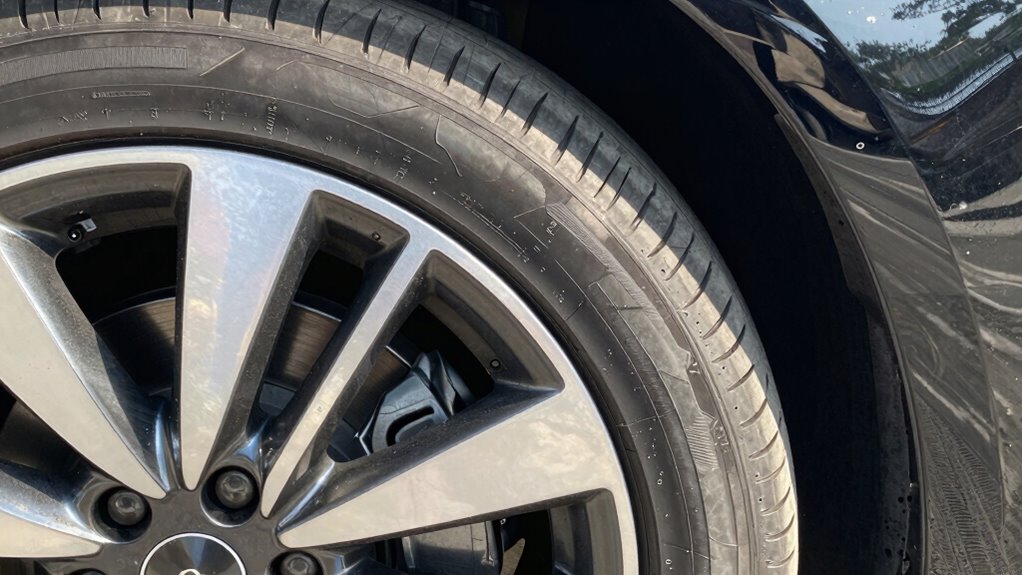

The tire pressure mistake that wrecks road trips is neglecting to check and adjust your tires when they’re cold before hitting the road. Many drivers rely on visual cues or ignore pressure altogether, which leads to underinflation or overinflation caused by temperature shifts. Underinflated tires are more prone to blowouts and uneven wear. If you want to avoid this risky oversight and keep your trip safe, there’s more to know about proper tire care and pressure monitoring.
Key Takeaways
- Overinflating tires to improve fuel economy can cause uneven wear and reduce safety.
- Relying on visual checks instead of measuring PSI leads to unnoticed underinflation or overinflation.
- Ignoring temperature fluctuations affects tire pressure, increasing the risk of blowouts during trips.
- Failing to check tire pressure when tires are cold results in inaccurate readings and improper inflation.
- Neglecting regular pressure monitoring increases the chance of flat tires and roadside breakdowns.
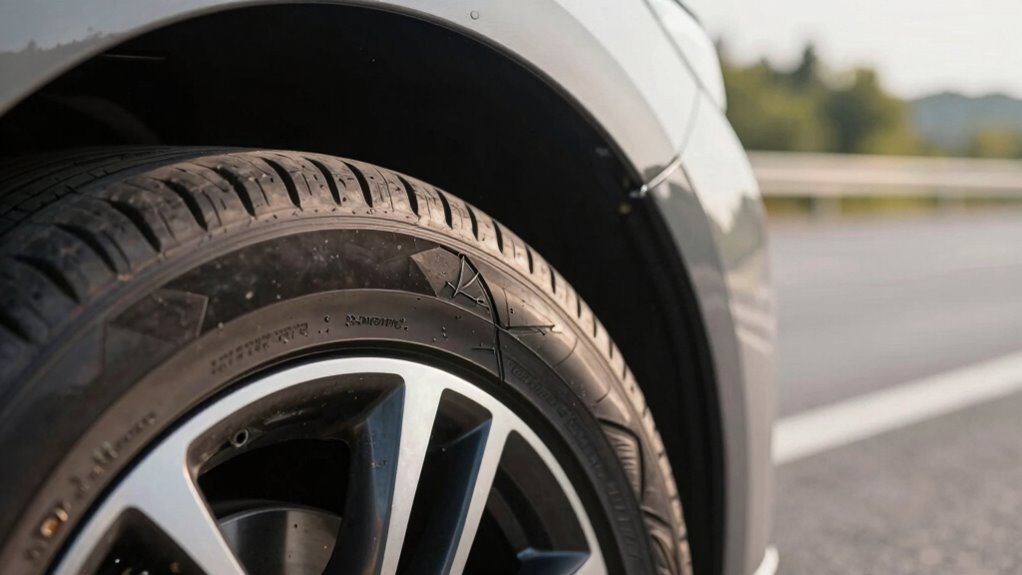
Maintaining the correct tire pressure is essential for your vehicle’s safety and performance, yet many drivers overlook this simple step and make costly mistakes. One common mistake stems from falling for inflation myths that circulate among drivers. You might have heard that overinflating tires improves fuel economy or that you only need to check tire pressure when the tires look flat. These misconceptions can lead you to ignore regular pressure monitoring, which is crucial for optimal driving conditions. Relying on these myths instead of actually measuring your tire pressure can cause uneven tire wear, reduced fuel efficiency, and even dangerous blowouts on the road.
Pressure monitoring is the key to avoiding these pitfalls. It’s not enough to just glance at your tires or assume they’re fine; you need to use a reliable pressure gauge to check the PSI (pounds per square inch) regularly. Many drivers assume their tires are at the correct pressure because they look inflated, but visual checks can be deceiving. Tires can appear normal even if they’re underinflated or overinflated, which affects your vehicle’s handling and safety. Proper pressure monitoring helps you catch issues early and maintain consistent tire performance, especially before long road trips when stress on your tires increases.
Regularly check tire PSI with a reliable gauge to ensure safety and consistent performance.
Another inflation myth you might believe is that cold tires don’t need pressure adjustments, but that’s false. Temperature fluctuations considerably impact tire pressure, so you should check and adjust your tires when they’re cold—ideally before you start driving or after the vehicle has been parked for a few hours. This guarantees your readings are accurate and your tires are inflated to the manufacturer’s recommended PSI. Many drivers overlook this step, thinking that if the tires look good, they’re fine, but that’s a dangerous misconception. Underinflation can cause tires to heat up excessively, increasing the risk of blowouts, especially during high-speed highway drives or mountainous terrain. Regular maintenance of tire pressure is a simple yet effective way to prevent these issues and extend the lifespan of your tires.
Ignoring pressure monitoring and falling for inflation myths can wreck your road trip plans. Flat tires, blowouts, or uneven wear can leave you stranded in unfamiliar places. The good news is that maintaining proper tire pressure is straightforward and inexpensive. Keep a reliable gauge in your glove compartment, check your tires at least once a month, and before any long trips. Don’t rely on visual cues or outdated advice; instead, prioritize pressure monitoring to ensure your tires are at the right PSI. By doing so, you’ll enjoy safer, more comfortable rides and avoid the costly surprises that come from neglecting this simple but vital aspect of vehicle maintenance.

ETENWOLF T300 Digital Tire Pressure Gauge 3-200 PSI, Industrial Tire Gauge Calibrated to ANSI B40.7 Grade 2A(Plus-Minus 0.5%), Replaceable AAA Batteries (Vivid Orange)
PROCESS LEVEL ACCURACY: Each ETENWOLF’s digital tire pressure gauge is calibrated manually to ANSI B40.7 Grade 2A(plus-minus 1…
As an affiliate, we earn on qualifying purchases.
As an affiliate, we earn on qualifying purchases.
Frequently Asked Questions
How Often Should I Check My Tire Pressure Before a Trip?
You should check your tire pressure at least once a month and before long trips. Use tire pressure sensors for accurate readings, and don’t forget seasonal tire maintenance—pressure can fluctuate with temperature changes. Before hitting the road, make certain your tires are properly inflated to improve fuel efficiency and safety. Regular checks help prevent blowouts and uneven wear, keeping your trip smooth and stress-free.
Does Temperature Affect Tire Pressure During Long Drives?
Just like a ship’s sails catch the wind, your tires respond to temperature changes, causing tire pressure fluctuations during long drives. Cold air contracts, lowering pressure; heat expands, increasing it. Seasonal tire care helps maintain ideal pressure, preventing blowouts or uneven wear. Always check your tire pressure before trips, especially in extreme temperatures, to guarantee safety and efficiency, much like a seasoned sailor adjusts sails for the storm ahead.
Can Underinflated Tires Cause More Fuel Consumption?
Yes, underinflated tires increase fuel consumption because they create more rolling resistance, making your engine work harder. This also accelerates tire wear and reduces handling stability, making your ride less safe. To save fuel and extend tire life, regularly check and maintain proper tire pressure. Properly inflated tires ensure ideal performance, better handling, and improved fuel efficiency on your road trips.
What Is the Best Way to Measure Tire Pressure Accurately?
You should use a reliable tire pressure gauge to get accurate readings. Digital gauges are quick and easy, providing precise measurements at the push of a button, while analog gauges offer a traditional, durable option. To guarantee accuracy, check your tire pressure when the tires are cold, and compare readings with the recommended PSI listed in your vehicle’s manual. Regularly using a quality gauge helps prevent under- or over-inflation.
Are There Specific Tire Pressure Guidelines for Different Vehicle Types?
Yes, tire pressure guidelines vary based on tire type and vehicle weight. You should always check the manufacturer’s recommended PSI, which is usually found on the driver’s door placard or in your owner’s manual. Heavier vehicles or those with different tire types may require higher or lower pressures. Adjust your tire pressure accordingly for maximum safety and performance, and always recheck pressure when tires are cold to guarantee accuracy.
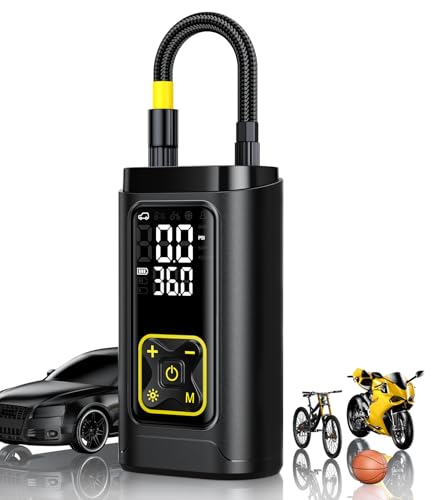
Philoent Tire Inflator Portable Air Compressor for Car Tires with Gauge, 150PSI Fast Bike Air Pump for Auto, Motorcycle, Bicycle, Balls, Digital Tire Pump with LED Light, Auto Shut-Off
💪【150PSI Rapid Inflation – 1 Minute to Ready】This cordless tire inflator delivers 150PSI max pressure, powering a standard…
As an affiliate, we earn on qualifying purchases.
As an affiliate, we earn on qualifying purchases.
Conclusion
If you overlook proper tire pressure, your road trip can quickly turn into a nightmare. Imagine cruising along, only to hear a sudden blowout because you disregarded that small pressure gauge warning. By checking and maintaining your tires, you prevent breakdowns and ensure a smooth journey. Don’t let a simple mistake ruin your adventure—stay vigilant, keep your tires properly inflated, and enjoy the open road worry-free. Your perfect trip depends on it.

AstroAI L7 Tire Inflator Portable Air Compressor Cordless Mini Bike Pump with Digital Dual Values Display, 150 PSI Car Tires Air Pump with LED Lights&Pressure Gauge for Auto, Motorcycles, Bikes, Balls
ADVANCED TRUEGAUGE SCREEN: This battery tire inflator includes updated sensor technology, capable of collecting pressure data from tire…
As an affiliate, we earn on qualifying purchases.
As an affiliate, we earn on qualifying purchases.

ETENWOLF Tire Pressure Gauge for Cars 0-75 PSI, Air Pressure Gauge with Large Glow Dial, Calibrated to ANSI B40.1 Grade A(Plus-Minus 1%), Tire Gauge for Tire Pressure Car Accessories (Black)
PROCESS LEVEL ACCURACY: This heavy duty tire pressure gauge is calibrated manually to ANSI B40.1 Grade A (plus-minus…
As an affiliate, we earn on qualifying purchases.
As an affiliate, we earn on qualifying purchases.