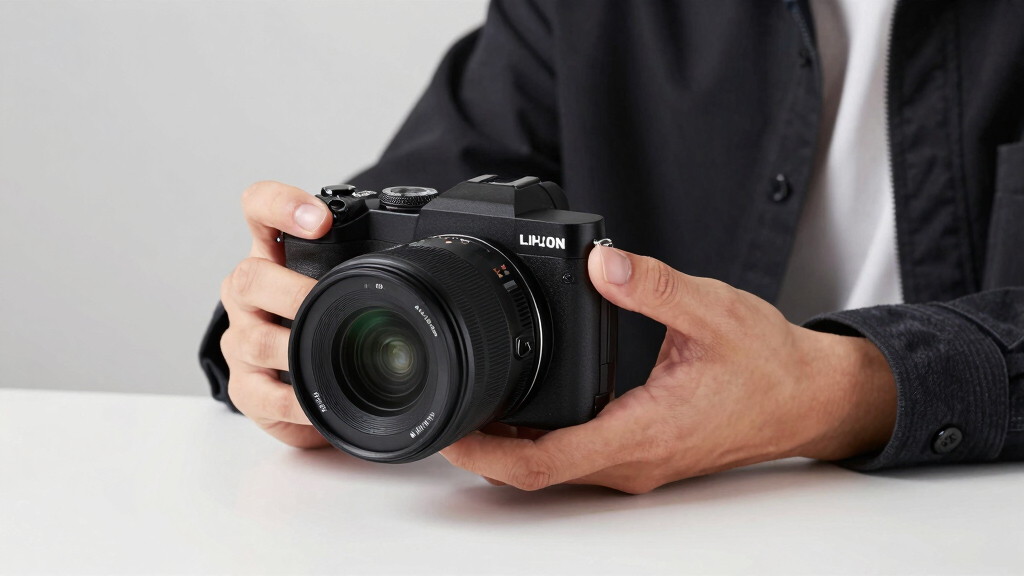
Choosing the best mirrorless camera for concert photography involves balancing speed, low-light performance, autofocus accuracy, and portability. The Sony Alpha a7 IV stands out as the overall top choice thanks to its full-frame sensor and excellent autofocus, making it ideal for capturing dynamic concert scenes. The Sony Alpha a6700 offers a more compact, APS-C option with impressive performance at a lower price point, while the Canon EOS R10 provides versatile zoom options that help cover different concert scenarios. Many cameras in this category face tradeoffs between size, sensor size, and autofocus capabilities, which can influence your decision. Keep reading to see how these options compare and which one fits your specific concert photography needs.

Get audio and creator gear delivered free with Prime
- Fast, free delivery on millions of items
- Prime Video, Amazon Music and more included
- Member-only deals all year
Complete the kit


Key Takeaways
- Full-frame sensors like the Sony Alpha a7 IV deliver superior low-light performance, essential for concert settings.
- APS-C cameras such as the Sony Alpha a6700 offer compactness and affordability while maintaining strong autofocus.
- Zoom lens compatibility, as seen with the Canon EOS R10, provides versatility for capturing varied concert angles.
- High-speed autofocus and burst shooting are critical for capturing moving performers in unpredictable lighting.
- Budget options like the Canon EOS R50 still deliver solid performance but may lack advanced low-light features.
| Sony Alpha a6700 APS-C Mirrorless Camera Body 26MP 4K Black |  | Best Overall for Concert Photography | Sensor: 26.0MP APS-C Exmor R CMOS | Processor: BIONZ XR | Video Recording: 4K/60p, 6K oversampled 4:2:2 10-bit | VIEW LATEST PRICE | See Our Full Breakdown |
| Canon EOS R100 Mirrorless Camera with RF-S18-45mm F4.5-6.3 IS STM Lens Kit |  | Best for Beginners and Content Creators | Sensor: 24.1MP CMOS (APS-C) | Lens: RF-S18-45mm F4.5-6.3 IS STM | Video: 4K at 24 fps, Full HD at 60 fps | VIEW LATEST PRICE | See Our Full Breakdown |
| Sony Alpha a7 III Mirrorless Camera with 28-70mm Lens |  | Best for Professionals and Serious Enthusiasts | Sensor Type: 35mm full frame | Resolution: 24.2MP | ISO Range: 50 to 204,800 | VIEW LATEST PRICE | See Our Full Breakdown |
| Canon EOS R50 Mirrorless Camera RF-S18-45mm F4.5-6.3 IS STM Lens Kit |  | Best for Vlogging and Content Creators | Sensor: 24.2MP CMOS (APS-C) | Video: 4K at 30 fps, Full-HD at 120 fps | Autofocus: Dual Pixel CMOS AF II | VIEW LATEST PRICE | See Our Full Breakdown |
| Canon EOS R50 Mirrorless Camera with 18-45mm & 55-210mm Lens Bundle |  | Best for Enthusiasts Looking for Versatility | Camera Type: Mirrorless | Model: Canon EOS R50 | Lenses Included: RF-S 18-45mm f/4.5-6.3, RF-S 55-210mm f/5-7.1 | VIEW LATEST PRICE | See Our Full Breakdown |
| Sony Alpha 7 IV Full-frame Mirrorless Interchangeable Lens Camera |  | Best Overall for Concert Photography | Sensor: 33MP full-frame CMOS | Video Recording: 4K 60p 10-bit 4:2:2 | Image Processor: BIONZ XR | VIEW LATEST PRICE | See Our Full Breakdown |
| Canon EOS R50 Mirrorless Camera with 18-45mm Lens Bundle |  | Best for Beginners and Social Content Creators | Sensor: 24.2MP APS-C CMOS | Video Resolution: 4K | Included Lens: 18-45mm | VIEW LATEST PRICE | See Our Full Breakdown |
| Sony Alpha a6400 Mirrorless Camera with 16-50mm Lens |  | Best Compact and Fast Shooting for Concerts | Sensor Type: APS-C CMOS | Sensor Resolution: 20.1 MP | Video Resolution: 4K | VIEW LATEST PRICE | See Our Full Breakdown |
| Canon EOS R10 Mirrorless Camera with 18-150mm & 75-300mm Lenses Bundle |  | Best Versatile Zoom for Outdoor Concerts | Sensor: 24.2MP APS-C CMOS | Video Recording: 4K UHD | Included Lenses: RF-S 18-150mm, RF 75-300mm | VIEW LATEST PRICE | See Our Full Breakdown |
| mirrorless camera for concert photography | Sensor |
|---|---|
| Sony Alpha a6700 APS-C Mirrorl | 26.0MP APS-C Exmor R CMOS |
| Canon EOS R100 Mirrorless Came | 24.1MP CMOS (APS-C) |
| Sony Alpha a7 III Mirrorless C | — |
| Canon EOS R50 Mirrorless Camer | 24.2MP CMOS (APS-C) |
| Canon EOS R50 Mirrorless Camer | — |
| Sony Alpha 7 IV Full-frame Mir | 33MP full-frame CMOS |
| Canon EOS R50 Mirrorless Camer | 24.2MP APS-C CMOS |
| Sony Alpha a6400 Mirrorless Ca | — |
| Canon EOS R10 Mirrorless Camer | 24.2MP APS-C CMOS |
More Details on Our Top Picks
Sony Alpha a6700 APS-C Mirrorless Camera Body 26MP 4K Black
The Sony Alpha a6700 stands out as the best choice for concert photography due to its high-resolution 26MP sensor and advanced autofocus with real-time subject tracking, ensuring sharp, detailed images even in fast-paced environments. Compared to the Sony a7 III, it offers more modern processing and faster frame rates, but it lacks in-body stabilization, which can be a drawback in low-light situations typical of concerts. Its 4K/60p video capabilities also make it versatile for capturing both stills and video. However, the absence of built-in stabilization and the need for additional lenses mean it’s best suited for photographers willing to invest in accessories and who are comfortable with a slightly complex interface. This pick makes the most sense for serious concert shooters who prioritize autofocus speed and resolution.
Pros:- High-resolution 26MP sensor for detailed concert images
- Advanced real-time autofocus for moving subjects
- Excellent 4K/60p video support for multimedia content
Cons:- No in-body stabilization, risking blur in low-light scenes
- Requires additional lenses, increasing overall cost
- Complex interface may challenge new users
Best for: Experienced concert photographers who need sharp images and fast tracking in dynamic settings
Not ideal for: Beginners or casual shooters who prefer an all-in-one kit with stabilization and simpler controls
- Sensor:26.0MP APS-C Exmor R CMOS
- Processor:BIONZ XR
- Video Recording:4K/60p, 6K oversampled 4:2:2 10-bit
- Frame Rate:4K 120p
- Color:Black
Our verdict“The Sony a6700 is perfect for experienced shooters seeking high detail and fast autofocus in challenging concert environments.”
Canon EOS R100 Mirrorless Camera with RF-S18-45mm F4.5-6.3 IS STM Lens Kit
The Canon EOS R100 offers an accessible entry point with a 24.1MP APS-C sensor and reliable autofocus, making it a solid choice for newcomers to concert photography. While it doesn’t match the full-frame depth of the Sony a7 III, its compact size and user-friendly interface make it less intimidating for beginners. Its autofocus with face and eye detection is quick, but in dim concert conditions, focusing can struggle in auto mode, especially with the kit lens’s limited aperture. The camera’s 4K video at 24 fps and flip-out touchscreen add to its appeal for content creators. However, it lacks the slightly higher frame rates and advanced features of more professional models, making it better suited for casual or semi-serious shooters.
Pros:- Lightweight, portable design for easy mobility
- Good autofocus with face and eye detection
- Decent 4K video and flip-out screen for vlogging
Cons:- Limited low-light performance due to smaller sensor
- F4.5-6.3 aperture may require additional lighting
- Basic kit lens might not satisfy serious photographers
Best for: Beginners or hobbyists looking to start concert photography with versatile video features
Not ideal for: Advanced photographers needing high ISO performance or extensive lens options
- Sensor:24.1MP CMOS (APS-C)
- Lens:RF-S18-45mm F4.5-6.3 IS STM
- Video:4K at 24 fps, Full HD at 60 fps
- Autofocus:Dual Pixel CMOS AF with face/eye detection
- Continuous Shooting:Up to 6.5 fps
Our verdict“The Canon EOS R100 is a user-friendly option for newcomers seeking versatile features at an accessible price point.”
Sony Alpha a7 III Mirrorless Camera with 28-70mm Lens
The Sony Alpha a7 III is a full-frame powerhouse, making it ideal for capturing the vibrant energy of concerts with exceptional clarity. Its 24.2MP sensor delivers stunning detail, and the extensive autofocus coverage with 693 phase-detection points ensures subjects stay sharp amid fast-moving crowds. Compared with APS-C options like the Canon EOS R50, it excels in low-light conditions and offers higher ISO capabilities, critical in dim venues. While it commands a higher price and has a steeper learning curve, it provides the flexibility needed for high-quality concert images and videos. The 28-70mm kit lens is versatile for various compositions but may be limiting if you want more zoom range or faster apertures for challenging lighting.
Pros:- Full-frame sensor for exceptional image detail
- Fast, extensive autofocus coverage
- High ISO range suitable for low-light environments
Cons:- Premium price point may be prohibitive
- Complex menu system requires familiarization
- No built-in flash, needing external accessories
Best for: Experienced shooters aiming for professional-quality concert photos in varied lighting
Not ideal for: Beginners or those on a tight budget who require simpler controls and less investment
- Sensor Type:35mm full frame
- Resolution:24.2MP
- ISO Range:50 to 204,800
- Autofocus Points:693 phase-detection
- Continuous Shooting Speed:Up to 10fps
Our verdict“The Sony a7 III is designed for professionals or serious enthusiasts who need top-tier image quality in concert settings.”
Canon EOS R50 Mirrorless Camera RF-S18-45mm F4.5-6.3 IS STM Lens Kit
The Canon EOS R50 offers a solid balance of image quality and video features, making it suitable for concert shooters who also create content. Its 24.2MP APS-C sensor produces detailed images, while the Dual Pixel autofocus with subject tracking outperforms many competitors in live, dynamic scenes. The flip-out touchscreen and high-speed shooting up to 15 fps make it versatile for capturing fleeting moments on stage. Compared with the Sony a6700, it provides a more straightforward interface and better live view autofocus but falls short in low-light sensitivity and lacks in-body stabilization. It’s a good choice for content creators who want a flexible, easy-to-use camera but may need additional lighting for darker venues.
Pros:- High-resolution 24.2MP sensor with vivid detail
- Excellent autofocus with subject tracking
- Flip-out touchscreen and high-speed burst shooting
Cons:- Auto focusing can be challenging in very low light
- Limited lens ecosystem compared to full-frame systems
- Battery life may be insufficient for extended shoots
Best for: Content creators and vloggers who want a flexible camera for concert and live event shooting
Not ideal for: Advanced photographers requiring extensive lens options or superior low-light performance
- Sensor:24.2MP CMOS (APS-C)
- Video:4K at 30 fps, Full-HD at 120 fps
- Autofocus:Dual Pixel CMOS AF II
- Continuous Shooting:12 fps with electronic first curtain
- Viewfinder:2.36-million-dot EVF
Our verdict“The Canon EOS R50 is a versatile choice for content creators seeking easy handling and fast autofocus in concert environments.”
Canon EOS R50 Mirrorless Camera with 18-45mm & 55-210mm Lens Bundle
This bundle combines the Canon EOS R50 with two versatile lenses, making it a flexible, portable setup for concert photography. While it shares the same core sensor and autofocus system as the stand-alone R50, the inclusion of two lenses extends its zoom range, offering more creative options. Compared with the Sony a6700, this bundle emphasizes ease of use and accessibility, but the limited aperture range in both lenses can hinder performance in low-light venues. Its lightweight design and accessories make it excellent for traveling or casual shooting, though it may not satisfy those needing high ISO capabilities or fast apertures for dim, crowded concert venues.
Pros:- Includes two versatile lenses for varied compositions
- Compact, lightweight design ideal for travel
- Complete bundle with accessories and memory card
Cons:- Limited aperture range affects low-light shooting
- Autofocus may struggle in very dark environments
- Price might be high for entry-level users
Best for: Enthusiast photographers who want a ready-to-go kit with multiple lenses for diverse concert shots
Not ideal for: Professional shooters demanding maximum low-light performance or fast apertures
- Camera Type:Mirrorless
- Model:Canon EOS R50
- Lenses Included:RF-S 18-45mm f/4.5-6.3, RF-S 55-210mm f/5-7.1
- Battery:LP-E17
- Memory Card:64GB
Our verdict“This bundle suits enthusiasts seeking a flexible, portable setup for concert photography without the complexity of full professional gear.”
Sony Alpha 7 IV Full-frame Mirrorless Interchangeable Lens Camera
The Sony Alpha 7 IV stands out as the best choice for concert photography thanks to its 33MP full-frame sensor that delivers exceptional detail in low-light conditions—a common challenge at concerts. Its 4K 60p recording with 10-bit 4:2:2 offers professional-grade video, making it a versatile pick for capturing both stills and videos. Compared with the Sony a6400, which has a smaller APS-C sensor, the Alpha 7 IV provides a broader dynamic range and better noise performance in dim settings. The tradeoff is its higher price and larger size, which might be less ideal for quick movement or discreet shooting. This model is perfect for dedicated concert photographers who want high quality and flexibility, even if it means a steeper learning curve and investment.
Pros:- Exceptional 33MP full-frame sensor for detailed images
- Advanced 4K 60p video recording with 10-bit output
- Professional color profiles like S-Cinetone
Cons:- Higher price point compared to smaller sensor options
- Larger and heavier, less discreet for quick shots
Best for: Professional or advanced photographers who need high-resolution images and superior low-light performance at concerts.
Not ideal for: Casual shooters or those prioritizing compact gear, as its size and cost may be prohibitive.
- Sensor:33MP full-frame CMOS
- Video Recording:4K 60p 10-bit 4:2:2
- Image Processor:BIONZ XR
- Operating Temperature:0 to 40 °C
- Power Input:100 – 240 V, 50/60 Hz
Our verdict“This camera suits serious concert photographers who demand top-tier image quality and video capabilities despite its size and cost.”
Canon EOS R50 Mirrorless Camera with 18-45mm Lens Bundle
The Canon EOS R50 offers a compelling package for newcomers to concert photography, with a 24.2MP APS-C sensor that balances quality and ease of use. Its 4K recording and creative tools like vertical video and in-camera guides make it accessible for those just starting out or heavily involved in social media content. While it doesn’t match the Sony Alpha 7 IV in sensor size or low-light performance, the R50’s user-friendly interface and included accessories make it an appealing choice for hobbyists or casual shooters. Its limited ISO range and smaller sensor mean it may struggle in very dim venues, but for most amateur concert fans, this is a reliable entry point. It’s best suited for those prioritizing simplicity, portability, and value over ultimate image detail.
Pros:- User-friendly interface and creative tools
- Includes versatile 18-45mm lens and accessories
- Good 4K video quality for social media content
Cons:- Limited ISO range for low-light conditions
- Smaller APS-C sensor may produce less detail in dark venues
Best for: Beginner photographers or social media enthusiasts wanting an easy-to-use, all-in-one kit.
Not ideal for: Professional shooters needing top-tier low-light performance or extensive control options.
- Sensor:24.2MP APS-C CMOS
- Video Resolution:4K
- Included Lens:18-45mm
- Features:Dual Pixel AF II, Vertical Video, Creative Assist
- Weight:4.2 pounds
Our verdict“Ideal for beginners or content creators who want a straightforward camera that handles concert settings with ease, even if it sacrifices some low-light performance.”
Sony Alpha a6400 Mirrorless Camera with 16-50mm Lens
The Sony Alpha a6400 excels as a compact, agile camera for concert photography, thanks to its 20.1MP APS-C sensor and real-time eye autofocus. Its small size means it’s easy to carry and unobtrusive in crowded venues, while still offering 4K video and fast shot speeds that help capture fleeting moments on stage. Unlike the Sony Alpha 7 IV, it lacks in-body stabilization, which can be a drawback in low-light, handheld situations common at concerts. Its limited weather sealing and no stabilization make it less ideal for outdoor or rugged environments. Still, for those who need a lightweight, quick-to-focus camera that can handle the chaos of live performances, the a6400 hits the sweet spot.
Pros:- Compact size and lightweight design
- Excellent real-time eye autofocus
- Versatile 4K video with fast shooting speeds
Cons:- No in-body image stabilization
- Limited weather sealing for outdoor use
Best for: Enthusiast or semi-pro photographers seeking a lightweight, quick autofocus camera for energetic concert shoots.
Not ideal for: Photographers who require high ISO performance or built-in stabilization for very dark venues.
- Sensor Type:APS-C CMOS
- Sensor Resolution:20.1 MP
- Video Resolution:4K
- Autofocus:Real-time Eye AF
- Weight:10.3 ounces
Our verdict“Perfect for energetic concert scenes where quick focus and portability are priorities, though it lacks stabilization for challenging low-light conditions.”
Canon EOS R10 Mirrorless Camera with 18-150mm & 75-300mm Lenses Bundle
The Canon EOS R10 offers a flexible setup with its 24.2MP APS-C sensor and dual zoom lenses, making it an appealing choice for outdoor or varied concert venues. Its 4K UHD recording and fast autofocus system with subject detection mean you can adapt quickly to changing scenes on stage. Compared to the smaller lens range of the Canon EOS R100, the R10’s included 18-150mm and 75-300mm lenses provide more reach, ideal for capturing distant or wide-angle shots. The main tradeoff is its higher price and bulk, which may be less convenient for quick, discreet shots. This camera suits photographers wanting the flexibility to shoot a variety of scenes at live events without changing lenses often.
Pros:- High-resolution sensor for sharp images
- Includes two versatile zoom lenses
- Fast autofocus with subject detection
Cons:- Price may be higher due to multiple lenses
- Some may find the lens range limited for specialized shots
Best for: Outdoor or outdoor-adjacent concert photographers who need versatile zoom lenses for dynamic scenes.
Not ideal for: Travelers or casual users who prefer compact gear or minimal setup for casual concerts.
- Sensor:24.2MP APS-C CMOS
- Video Recording:4K UHD
- Included Lenses:RF-S 18-150mm, RF 75-300mm
- Autofocus:Dual Pixel CMOS AF II
- Features:Subject detection, fast autofocus
Our verdict“Best suited for outdoor concert shooters needing adaptable zoom options, accepting some additional size and cost for versatility.”
How We Picked
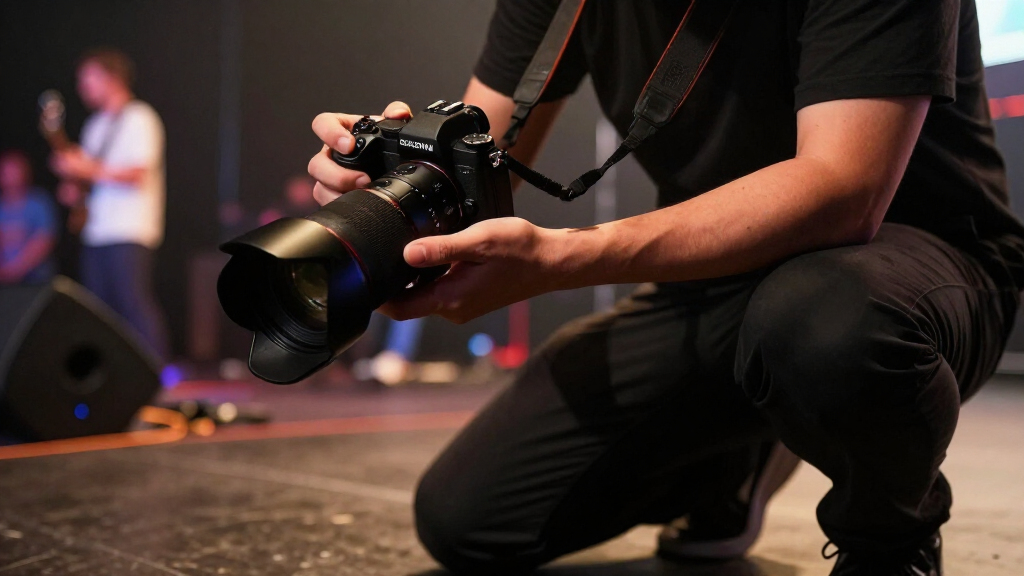
The cameras included in this roundup were selected based on their relevance to concert photography, focusing on performance in low-light conditions, autofocus speed and accuracy, burst shooting capabilities, and overall usability in dynamic environments. We prioritized models that balance image quality with portability, since concert photographers often need to move quickly and shoot handheld. Additional considerations included lens compatibility, ergonomics, and value for money. The ranking reflects a combination of these factors, emphasizing models that excel in capturing fast-moving subjects in challenging lighting while remaining practical for live events.Factors to Consider When Choosing Best Mirrorless Camera For Concert Photography
When choosing the best mirrorless camera for concert photography, several factors come into play. Understanding these can help you avoid common pitfalls and select a camera that truly meets your needs. From sensor size to autofocus performance, each element impacts your ability to capture sharp, well-exposed images in unpredictable lighting conditions. Below are key considerations that go beyond the specs and help guide your decision-making process.Sensor Size and Low-Light Performance
Sensor size directly influences low-light capabilities, with full-frame sensors generally outperforming APS-C in dim environments. Concert venues often have unpredictable lighting, so a larger sensor with better noise control can produce clearer images at higher ISO settings. However, full-frame cameras tend to be bulkier and more expensive, so balancing size and performance is key. Many photographers find that a high-quality APS-C sensor can deliver excellent results if paired with fast lenses and good technique.
Autofocus Speed and Accuracy
Fast, reliable autofocus is vital when capturing performers moving unpredictably across the stage. Look for cameras with phase-detection or hybrid autofocus systems that excel in tracking moving subjects. Eye autofocus is a game-changer for sharp portraits of performers, especially in low-light scenarios. Failing to prioritize autofocus performance can result in missed shots or blurred images—so test or verify autofocus capabilities before purchasing.
Lens Compatibility and Versatility
Concert photography often requires quick access to a range of focal lengths. Cameras with a broad selection of native lenses or support for third-party lenses allow you to adapt to different venues and lighting conditions. Zoom lenses, like the 24-105mm or 18-150mm options, provide versatility to cover wide shots and close-ups without changing lenses mid-performance. Be wary of cameras with limited lens options, as they can restrict creative flexibility.
Size, Weight, and Ergonomics
Concert photography can involve long shooting sessions, so a lightweight, comfortable camera helps prevent fatigue. However, smaller cameras may lack grip comfort or robust controls, which are important during fast-paced shooting. Consider your preferred shooting style—if you favor handheld shooting in tight spaces, ergonomics become even more critical. Balancing portability with functionality is often a key tradeoff in this category.
Video Capabilities and Additional Features
Many concert photographers also shoot video, making features like 4K recording, microphone ports, and in-body stabilization valuable. While stills are the primary focus, having robust video features can expand your creative options. Keep in mind that some entry-level cameras might lack advanced video controls, which could limit your production quality if you plan to capture live performance footage as well.
Frequently Asked Questions
Is a full-frame mirrorless camera necessary for concert photography?
While full-frame cameras generally perform better in low light and provide a shallower depth of field, they are not strictly necessary. Many high-quality APS-C models can deliver excellent results in concert settings, especially when paired with fast lenses. Your choice should depend on your budget, size preferences, and whether you need the superior low-light performance of a full-frame sensor for your specific shooting conditions.
What lens focal length is best for concert photography?
Typically, a zoom range between 24mm and 70mm suits most concert scenarios, offering flexibility to shoot wide shots and detailed close-ups. An 85mm or 135mm prime lens can also be effective for isolating performers in dim settings. The key is choosing a lens with a wide maximum aperture, like f/2.8 or faster, to gather more light and achieve better subject separation in low-light environments.
How important is in-body stabilization for concert photography?
In-body stabilization (IBIS) can significantly improve image sharpness when shooting handheld in low light, especially at slower shutter speeds. While not all mirrorless cameras feature IBIS, models with this feature help reduce motion blur caused by hand shake. If you often shoot without a tripod or monopod in concert venues, prioritizing IBIS can make a noticeable difference in your results.
Should I prioritize autofocus or low-light performance?
Both are vital, but autofocus accuracy and speed tend to have a more immediate impact on capturing decisive moments during live performances. A camera with excellent low-light performance but sluggish autofocus may miss key shots. Conversely, a fast autofocus system with poor low-light capability can struggle in dim venues. Ideally, select a camera that balances both aspects, ensuring you can reliably autofocus in challenging lighting.
Is mirrorless better than DSLR for concert photography?
Mirrorless cameras offer advantages like smaller size, quieter operation, and often better video features, which are beneficial in concert settings. Their live-view electronic viewfinders provide real-time exposure and focus feedback, improving shot accuracy in tricky lighting. However, high-end DSLRs can still excel in battery life and robustness. Your choice should reflect your comfort with each system and specific venue requirements.
Conclusion
For those seeking the best overall performer, the Sony Alpha a7 IV provides exceptional low-light capability and autofocus precision, making it suitable for professional concert shooters. Beginners or hobbyists on a budget will find the Canon EOS R50 a user-friendly option with decent low-light performance and versatile features. If you prioritize portability without sacrificing power, the Sony Alpha a6700 offers a compact yet capable alternative. For photographers looking for a high-end, feature-rich setup, the Sony Alpha a7 IV stands out as the premium choice, while the Canon EOS R10 offers great value with flexible zoom options. Consider your shooting style, budget, and specific concert environments to select the camera that best fits your needs.
As an affiliate, we earn on qualifying purchases.Halloween Picks
halloween