The best studio headphones for creators balance honest sound, all-day comfort, and a price that leaves room in the budget for microphones and interfaces. My top pick overall is the Audio-Technica ATH-M50X, which delivers the most accurate tuning and durable build in the lineup, while the Sony MDR7506 remains the best value for creators who want proven studio sound under $100. For mixing at home, the Beyerdynamic DT 990 PRO offers an open-back spaciousness that closed-back models simply cannot match, though it leaks sound and is wrong for recording vocals. The main tradeoff you will face is closed-back isolation versus open-back accuracy, along with the big price gap between budget models like the OneOdio A71 and premium picks. Keep reading for the full breakdown of all twelve pairs, including who each one suits and who should skip it.

Get audio and creator gear delivered free with Prime
- Fast, free delivery on millions of items
- Prime Video, Amazon Music and more included
- Member-only deals all year
Complete the kit


Key Takeaways
- The Audio-Technica M-series dominates the middle of this lineup: the M40x gets you roughly 90% of the M50X sound for noticeably less money, making it the smarter buy for most creators who don’t mix professionally.
- Open-back models (Beyerdynamic DT 990 PRO, Sennheiser HD 560S, AKG K240 Studio) consistently sounded more accurate for mixing but failed the recording test because their sound leakage bleeds into microphone takes.
- The Sony MDR7506 and Sennheiser HD 280 Pro proved that price and performance separate sharply around the $100 line — below it, the OneOdio A71 and ATH-M20x are usable but noticeably less flat.
- Impedance was the hidden dealbreaker: the 250-ohm DT 990 PRO needs an audio interface or headphone amp to sound right, while every other pick here runs fine straight from a laptop.
- Comfort separated winners more than sound did in long editing sessions — the Shure SRH440A and Sennheiser HD 560S earned their spots largely through fit, not frequency response.
| Audio-Technica ATH-M50X Professional Studio Monitor Headphones, Black |  | Best Overall | Driver Size: 45mm | Design: Circumaural, closed-back | Swiveling Earcups: 90 degrees | VIEW LATEST PRICE | See Our Full Breakdown |
| Audio-Technica ATH-M40x Professional Studio Monitor Headphones, Black |  | Best Value | Driver Size: 40mm | Driver Type: Rare earth magnets | Design: Circumaural, closed-back | VIEW LATEST PRICE | See Our Full Breakdown |
| Audio-Technica ATH-M20x Professional Studio Monitor Headphones, White |  | Best for Beginners | Driver Size: 40mm | Design: Circumaural, closed-back | Cable Exit: Single-side | VIEW LATEST PRICE | See Our Full Breakdown |
| Audio-Technica ATH-M30x Professional Studio Monitor Headphones, Black |  | Best Compact Step-Up | Driver Size: 40mm | Design: Circumaural, closed-back | Cable Exit: Single-side | VIEW LATEST PRICE | See Our Full Breakdown |
| Shure SRH440A Over-Ear Wired Studio Headphones for Recording |  | Best for Tracking and Recording | Design: Over-ear, closed-back | Connectivity: Wired | Cable: Detachable locking | VIEW LATEST PRICE | See Our Full Breakdown |
| HD 480 PRO Professional Closed-Back Studio Headphones, Black | 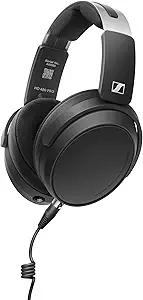 | Best Modern All-Rounder | Design: Closed-back | Color: Black | Driver Type: Neodymium | VIEW LATEST PRICE | See Our Full Breakdown |
| Sony MDR7506 Professional Large Diaphragm Headphones |  | Best Industry Standard | Driver Size: 40 mm | Magnet Type: Neodymium | Frequency Response: 10 Hz to 20 kHz | VIEW LATEST PRICE | See Our Full Breakdown |
| OneOdio A71 Hi-Res Wired Over-Ear Studio Headphones for DJ, Mixing – Black |  | Best Budget Pick | Driver Size: 40 mm | Design: Wired over-ear, closed-back | Cable Length: 6.6–9.8 ft coiled | VIEW LATEST PRICE | See Our Full Breakdown |
| Sennheiser HD 560S Open-Back Over-Ear Wired Headphones, Black |  | Best for Critical Mixing | Design: Open-back over-ear | Connectivity: Wired | Connector Type: 1/4-inch | VIEW LATEST PRICE | See Our Full Breakdown |
| AKG K240 Studio Semi-Open Studio Headphones |  | Best Comfort for Long Sessions | Design: Semi-open back, over-ear | Driver Size: 30 mm XXL transducers | Headband: Self-adjusting | VIEW LATEST PRICE | See Our Full Breakdown |
| Beyerdynamic DT 990 PRO, 250 Ohm, Open Back, Over Ear, Wired Headphones |  | Best Open-Back Mixing Pick | Type: Open-back, over-ear, wired | Impedance: 250Ω | Cable: 3m coiled cable | VIEW LATEST PRICE | See Our Full Breakdown |
| Sennheiser HD 280 Pro Headphones |  | Best for Tracking and Noisy Rooms | Type: Closed-back, over-ear, wired | Noise Attenuation: Up to 32 dB | Weight: Lightweight | VIEW LATEST PRICE | See Our Full Breakdown |
| studio headphones for creator | Design | Driver Size | Cable | Color |
|---|---|---|---|---|
| Audio-Technica ATH-M50X Profes | Circumaural, closed-back | 45mm | Detachable | Black |
| Audio-Technica ATH-M40x Profes | Circumaural, closed-back | 40mm | Detachable | Black |
| Audio-Technica ATH-M20x Profes | Circumaural, closed-back | 40mm | Fixed | White |
| Audio-Technica ATH-M30x Profes | Circumaural, closed-back | 40mm | Fixed | Black |
| Shure SRH440A Over-Ear Wired S | Over-ear, closed-back | — | Detachable locking | — |
| HD 480 PRO Professional Closed | Closed-back | — | Detachable | Black |
| Sony MDR7506 Professional Larg | Closed ear, foldable | 40 mm | — | — |
| OneOdio A71 Hi-Res Wired Over- | Wired over-ear, closed-back | 40 mm | — | — |
| Sennheiser HD 560S Open-Back O | Open-back over-ear | — | — | — |
| AKG K240 Studio Semi-Open Stud | Semi-open back, over-ear | 30 mm XXL transducers | — | — |
| Beyerdynamic DT 990 PRO | — | — | 3m coiled cable | Black with grey velour ear pads |
| Sennheiser HD 280 Pro Headphon | Ergonomic, collapsible | — | — | — |
More Details on Our Top Picks
Audio-Technica ATH-M50X Professional Studio Monitor Headphones, Black
Best Overall goes to the ATH-M50X because it does the most convincing job of covering every stage of a creator’s workflow — tracking, mixing, and critical editing. The 45mm drivers deliver deeper low-end authority than the smaller 40mm drivers in the ATH-M40x, which matters when the bass in a mix needs an honest read rather than a polite one. Compared with the Shure SRH440A, the M50X offers a slightly more engaging tuning that holds up outside the studio too, though the Shure remains the flatter analytical tool. The detachable cable and 90-degree swiveling earcups give it the same practical versatility as the M40x, just with more sonic headroom.
The tradeoff: this is a bulky headphone that doesn’t love backpacks, and the price sits well above the rest of the M-series line. Creators who mostly record vocals and need a locked-in cable may still prefer the Shure.
Pros:- Deep, controlled bass from large 45mm drivers gives mixes an honest low-end read
- Comfortable enough for long editing sessions
- Detachable cable and swiveling earcups add real workflow flexibility
- Strong passive isolation for tracking in untreated rooms
Cons:- Bulky frame makes it awkward for commuting or portable rigs
- Premium price within this lineup — the M40x covers 80% of the ground for less
- Slightly V-shaped tuning isn’t the most neutral option for pure mixing
Best for: Creators who want one headphone that handles tracking, mixing, and everyday listening without buying a second pair
Not ideal for: Buyers on a tight budget or anyone prioritizing maximum neutrality — the SRH440A is flatter for under the M50X’s price
- Driver Size:45mm
- Design:Circumaural, closed-back
- Swiveling Earcups:90 degrees
- Cable:Detachable
- Material:Professional grade earpads and headband
- Color:Black
Our verdict“The safest single purchase in this roundup for creators who want studio accuracy and everyday listenability in one pair.”
Audio-Technica ATH-M40x Professional Studio Monitor Headphones, Black
Best Value belongs to the ATH-M40x because it captures most of what makes the M50X worthwhile at a meaningfully lower price. The flatter response is actually an advantage over its bigger sibling for mixing — less bass flattery means fewer surprises when a track hits car speakers. The 90-degree swiveling earcups and detachable cables are features usually reserved for pricier models, and both translate directly into easier one-ear cueing and cheaper repairs when a cable frays. Against the Sony MDR7506 elsewhere in this roundup, the M40x offers similar studio honesty with a more modern, replaceable-cable design.
Where it falls short of the M50X is low-end depth and long-session comfort; the pads run firmer and the clamp is noticeable after a few hours. It’s also a chunky headphone that has no business at a coffee shop.
Pros:- Flatter tuning than the M50X, which is better for honest mixing decisions
- Swiveling earcups make one-ear monitoring genuinely practical
- Detachable cables extend the headphone’s lifespan
- Strong passive isolation for loud environments
Cons:- Clamp force and firmer pads get fatiguing during marathon sessions
- Detachable cables are easy to misplace and spares cost extra
- Bass response lacks the depth of 45mm-driver alternatives
Best for: Home studio owners and podcasters who need dependable mixing accuracy without paying M50X money
Not ideal for: Bass-heavy music producers who need to hear sub-bass detail the 40mm drivers understate
- Driver Size:40mm
- Driver Type:Rare earth magnets
- Design:Circumaural, closed-back
- Swiveling Earcups:90 degrees
- Cable:Detachable
- Color:Black
Our verdict“The smartest price-to-performance pick here for creators whose priority is mixing accuracy over bass excitement.”
Audio-Technica ATH-M20x Professional Studio Monitor Headphones, White
The ATH-M20x earns Best for Beginners by doing the one thing a first studio headphone must do — isolate well and give a workable, if rough, picture of a mix — at the lowest entry point in this lineup. Its enhanced low-frequency tuning makes podcasts and rough mixes sound bigger than they are, which is friendlier for newcomers but a hazard for final mix decisions. Compared with the OneOdio A71 elsewhere in this roundup, the M20x trades accessory convenience for more trustworthy brand-name durability and isolation. It sits below the ATH-M30x in mid-range detail, so anyone editing dialogue-heavy content should consider stepping up a tier.
Unlike the M40x and M50X, the cable is fixed, so a broken cord means a broken headphone. The white finish is distinctive but shows scuffs quickly.
Pros:- Entry-level price keeps a starter kit under budget
- Circumaural design blocks enough room noise for home tracking
- Durable construction survives careless beginner handling
Cons:- Fixed cable cannot be replaced if damaged
- Comfort falls off during extended wear
- Boosted low end colors mix decisions compared with the M40x
Best for: First-time podcasters and students building a starter recording kit on a minimal budget
Not ideal for: Mixing engineers — the bass emphasis and fixed cable make it a monitoring tool, not a reference
- Driver Size:40mm
- Design:Circumaural, closed-back
- Cable Exit:Single-side
- Color:White
- Cable:Fixed
- Intended Use:Studio monitoring
Our verdict“A sensible first studio headphone for creators learning the ropes, as long as they treat it as a stepping stone rather than a reference.”
Audio-Technica ATH-M30x Professional Studio Monitor Headphones, Black
The ATH-M30x fills a middle rung between the budget M20x and the workhorse M40x, and its strongest argument is portability: the collapsible design folds down small enough for a laptop bag, something the bulkier M40x doesn’t manage. Its mid-range clarity is the standout trait, which makes it a better fit than the M20x for editing dialogue, podcasts, and voiceover work where intelligibility matters more than bass weight. Against the Shure SRH440A, the M30x is lighter and cheaper but gives up the locking detachable cable — its cord is fixed, so longevity depends on care.
It also inherits the family’s bass shyness; compared with the M50X, kick drums and bass lines recede noticeably. For creators whose content is voice-first rather than music-first, that tradeoff is easy to accept.
Pros:- Collapsible and light enough for creators working from cafes or co-working spaces
- Mid-range clarity suits spoken-word and vocal-heavy editing
- Solid passive isolation for tracking in shared spaces
- Meaningful step up in detail over the M20x
Cons:- Fixed cable means damage is not repairable
- Bass response trails both the M40x and M50X
- Build feels less rugged than premium alternatives like the SRH440A
Best for: Dialogue editors and podcast producers who want clear vocal reproduction in a travel-friendly package
Not ideal for: Producers mixing bass-driven music — the light low end hides problems the M50X would expose
- Driver Size:40mm
- Design:Circumaural, closed-back
- Cable Exit:Single-side
- Cable:Fixed
- Portability:Collapsible
- Color:Black
Our verdict“The right pick for voice-focused creators who value portability and vocal clarity over full-range bass accuracy.”
Shure SRH440A Over-Ear Wired Studio Headphones for Recording
Best for Tracking and Recording goes to the Shure SRH440A because it solves the problem that kills cheap headphones in recording sessions: cable failures. The detachable locking cable stays securely connected even when a vocalist moves around, and it’s replaceable — a durability edge over the fixed-cable M30x and M20x in this lineup. Sonically it’s more transparent than the ATH-M50X, which is a genuine advantage for mixing honesty even if it makes casual listening less fun. The collapsible design and rugged frame mean it survives gig bags better than most Audio-Technica alternatives here.
The tradeoffs are real, though. It’s wired-only with no mobility options, Shure doesn’t bundle a carrying case, and the utilitarian styling feels purely functional next to flashier picks. Compared with the Sennheiser HD 280 Pro elsewhere in this roundup, the SRH440A is more comfortable for long sessions but slightly less aggressive at clamping out noise.
Pros:- Detachable locking cable won’t pull free mid-take and is cheap to replace
- Accurate, transparent tuning suits critical mixing decisions
- Cushioned earcups and adjustable headband hold up through long tracking sessions
- Collapsible, rugged build travels well between studios
Cons:- Wired-only design limits use with phones and mobile setups
- No carrying case or accessories included at this price
- Flat tuning is unflattering for casual music enjoyment
Best for: Vocalists, producers, and engineers who record talent regularly and need a locked-in cable and neutral monitoring
Not ideal for: Creators wanting an all-day lifestyle headphone — the flat, analytical tuning and plain design serve the booth, not the street
- Design:Over-ear, closed-back
- Connectivity:Wired
- Cable:Detachable locking
- Frequency Response:Extended
- Comfort:Adjustable headband, cushioned earcups
- Portability:Collapsible design
- Durability:Rugged construction
- Intended Use:Recording, mixing, critical listening
Our verdict“The most recording-session-ready pick here for creators whose headphones live around microphones, not commutes.”
HD 480 PRO Professional Closed-Back Studio Headphones, Black
This pick makes the most sense for creators who want a closed-back workhorse without the decades-old design of the Sony MDR7506. The detachable cable is the standout advantage here — where the MDR7506 forces you to retire the whole headphone when the cord frays, this model lets you swap in a cheap replacement and keep working. The full-spectrum tuning holds up for both mixing and tracking, and the grooved pads that accommodate eyeglasses are a small detail that matters enormously during long editing marathons. Compared with the AKG K240 Studio, the sealed design gives you far better isolation when recording vocals or podcasting near a live mic. The tradeoff: it sits at a price point that casual creators may find hard to justify, and the build demands gentler handling than rugged classics like the Sony.
Pros:- Detachable cable extends the headphone’s usable lifespan
- Isolation good enough for recording near live mics
- Eyeglass-friendly grooved pads for long sessions
- Accurate full-spectrum tuning works for mixing and monitoring alike
Cons:- Premium price over casual-use value
- Delicate components require more careful handling than rugged studio classics
Best for: Working creators who mix, track, and edit daily and want one modern headphone that survives cable wear
Not ideal for: Hobbyists on a tight budget — the price buys durability features a casual user will never need
- Design:Closed-back
- Color:Black
- Driver Type:Neodymium
- Cable:Detachable
- Connectivity:Dual L/R jacks
- Comfort Features:Grooved pads for eyeglasses
- Accessibility:Braille L/R markers
Our verdict“If you produce for a living and want a single modern closed-back that won’t die from cable damage, this is the one to buy.”
Sony MDR7506 Professional Large Diaphragm Headphones
There’s a reason the MDR7506 hangs off every mixing console in professional rooms, and that decades-long track record is its real selling point. Compared with the OneOdio A71, the Sony offers a more detailed, revealing midrange that exposes flaws rather than flattering them — exactly what you want when checking a mix. The foldable frame and 9.8-foot cord make it genuinely practical for studios with fixed desks, and the closed-ear design blocks enough noise for tracking duties. The obvious weakness in 2025 is the non-detachable cable: the HD 480 PRO solves that problem, and once the Sony’s cord fails, repair becomes a soldering project. Its slightly bright tuning also fatigues some listeners during marathon sessions, so the Shure SRH440A may suit calmer ears better.
Pros:- Detailed, revealing sound that exposes mix flaws honestly
- Foldable design travels well between rooms and sessions
- 9.8-foot cord reaches across a studio desk
- Ubiquitous studio standard makes A/B comparisons consistent
Cons:- Non-detachable cable complicates replacement
- Bright tuning can fatigue listeners over long sessions
Best for: Producers and engineers who want the reference sound the industry already knows and trusts
Not ideal for: Anyone who rough-handles gear — the fixed cord is the first failure point and there’s no wireless option
- Driver Size:40 mm
- Magnet Type:Neodymium
- Frequency Response:10 Hz to 20 kHz
- Design:Closed ear, foldable
- Cord Length:9.8 ft
- Connector:Gold-plated 1/4 inch with adapter, non-detachable
Our verdict“Buy it for the industry-standard reference sound — just treat the cable gently, because it’s permanently attached.”
OneOdio A71 Hi-Res Wired Over-Ear Studio Headphones for DJ, Mixing – Black
For creators who need functional studio headphones under $50, this option stands out for value per dollar. The 90° swiveling earcups and single-sided monitoring put it squarely in DJ territory — the Sony MDR7506 folds for travel, but the OneOdio actually works better for live cueing and booth work. The audio-sharing daisy chain is a genuinely useful trick for podcast duos or co-producing sessions, something none of the other picks in this lineup offer. Sonically, it’s respectable rather than clinical: the Audio-Technica ATH-M40x resolves more detail for critical mixing, so treat the A71 as a monitoring and tracking tool first. The coiled cable adds welcome reach at a desk but becomes dead weight if you move around, and there’s no active noise cancellation to speak of.
Pros:- Very low price for genuine studio functionality
- 90° swiveling cups and single-sided monitoring for DJ cueing
- Audio-sharing jack lets a second person listen in
- Both 3.5mm and 6.35mm plugs included, no adapter to lose
Cons:- Sound resolution trails pricier studio monitors for final mixing
- Coiled cable is bulky and tethers you to the desk
Best for: Beginners, DJs, and podcast duos who need capable studio headphones without a big spend
Not ideal for: Detail-obsessed mix engineers — the resolution trails the ATH-M40x and Sony MDR7506 for critical work
- Driver Size:40 mm
- Design:Wired over-ear, closed-back
- Cable Length:6.6–9.8 ft coiled
- Plug Types:3.5mm and 6.35mm
- Earcup Rotation:90° swiveling
- Extra Feature:Audio sharing with second headset
Our verdict“The smart pick if you’re starting out or DJing — just upgrade later if mixing becomes your main gig.”
Sennheiser HD 560S Open-Back Over-Ear Wired Headphones, Black
Once a mix needs honest spatial judgment, closed-backs stop being the right tool — and that’s exactly where the HD 560S earns its place. The wide, natural soundstage reveals panning and reverb placement that the sealed Sony MDR7506 simply can’t show you, and the polymer-blend transducer keeps bass extended without the smear common at this price. Compared with the Beyerdynamic DT 990 PRO, another open favorite, the Sennheiser offers a more neutral tuning with less piercing treble, which matters when you’re mixing for hours. The tradeoff is physics: open-back leakage means your mic will pick up playback, so it’s useless for tracking vocals and poor for noisy rooms. Clamping force is also firmer than the AKG K240’s self-adjusting band, so comfort breaks vary by head shape.
Pros:- Wide, realistic soundstage for judging panning and reverb
- Neutral tuning suited to long, honest mixing sessions
- Extended low-end without the smeared bass common at this price
Cons:- Open-back design leaks sound and isolates almost nothing
- Firmer clamping force than self-adjusting designs like the AKG K240
Best for: Home studio mixers with a quiet room who need accurate spatial judgment and neutral tonality
Not ideal for: Anyone tracking vocals or working in shared/noisy spaces — the open back leaks sound both ways
- Design:Open-back over-ear
- Connectivity:Wired
- Connector Type:1/4-inch
- Driver Technology:Polymer-blend transducer
- Intended Use:Critical listening, mixing
- In the Box:Headphones, cable, owner’s manual
Our verdict“This is the mixing-checkout headphone for a quiet room — pair it with a closed-back for tracking and you’re covered.”
AKG K240 Studio Semi-Open Studio Headphones
The K240 Studio occupies a smart middle ground: its semi-open design gives you more air and stereo width than fully closed models like the Audio-Technica ATH-M20x, without the total leakage of the HD 560S. That balance has kept it on podcasters’ and producers’ desks for decades. The self-adjusting headband is the real comfort story — it distributes pressure evenly without manual fiddling, outlasting the Sennheiser HD 560S in all-day wear for many head shapes. Its XXL transducers produce clear highs and solid, if slightly soft, bass; compared with the Sony MDR7506, expect a more relaxed presentation that flatters long sessions but hides a little low-end detail. The 9.9-foot cable plus both plug sizes means it plugs into interfaces and phones alike. Just know that the semi-open leak still rules out loud tracking rooms.
Pros:- Self-adjusting headband delivers all-day comfort with no fiddling
- Semi-open design balances soundstage width against leakage
- 9.9 ft cable with both 1/8″ and 1/4″ connections included
- Proven durable build trusted in studios for decades
Cons:- Semi-open design still leaks sound into live mics
- Low-end is slightly soft compared with closed-back rivals
Best for: Podcasters and producers who wear headphones all day and want semi-open width without full leakage
Not ideal for: Vocal tracking in untreated rooms — the semi-open back still leaks into the mic
- Design:Semi-open back, over-ear
- Driver Size:30 mm XXL transducers
- Headband:Self-adjusting
- Connectivity:Stereo 1/8″ connector, 1/4″ adapter
- Cable Length:9.9 ft
- Intended Use:Studio mixing, podcasting, Hi-Fi listening
- Build:Durable professional construction
Our verdict“If your sessions run long and your room is moderately quiet, the K240’s comfort-to-price ratio is hard to beat.”
Beyerdynamic DT 990 PRO, 250 Ohm, Open Back, Over Ear, Wired Headphones
Open-back design is what separates the DT 990 PRO from nearly everything else in this lineup. While the Sony MDR7506 and Audio-Technica monitors keep sound sealed in, this model lets air pass through the ear cups, producing a wide, natural soundstage that makes it easier to judge panning, reverb tails, and stereo placement — the details that matter most when mixing. Compared with the Sennheiser HD 560S, the other open-back option here, the DT 990 PRO leans brighter and punches harder, though that treble emphasis can fatigue some listeners over long sessions. The velour ear pads and German build quality hold up to daily studio abuse, and every wearing part is replaceable. The catch: 250 ohms of impedance means a phone or laptop headphone jack will leave these sounding thin and quiet, so an audio interface or dedicated amp is effectively mandatory.
Pros:- Open-back design delivers a wide, natural soundstage for judging stereo placement
- Replaceable velour ear pads and robust German build withstand daily studio use
- Comfortable over long mixing sessions without heat buildup
- Consistent, revealing tuning that exposes mixing flaws other headphones hide
Cons:- 250-ohm impedance requires a headphone amp or audio interface to sound its best
- Open-back design leaks sound and offers no isolation from ambient noise
Best for: Producers and mixing engineers with an audio interface or headphone amp who need accurate stereo imaging for critical mixing decisions
Not ideal for: Creators working in shared or noisy spaces, or anyone tracking vocals — the open-back design leaks audio into microphones and lets outside noise in
- Type:Open-back, over-ear, wired
- Impedance:250Ω
- Cable:3m coiled cable
- Ear Pads:Grey velour, replaceable
- Color:Black with grey velour ear pads
- Intended Use:Critical listening, mixing, professional editing
Our verdict“This is the mixing-focused pick for creators who already own a decent interface and work in a quiet room — everyone else should look at a closed-back option.”
Sennheiser HD 280 Pro Headphones
Where the Beyerdynamic DT 990 PRO trades isolation for openness, the HD 280 Pro does the opposite — and that makes it the better tool for a different job. Its up to 32 dB of passive noise attenuation is the standout here, out-isolating the Audio-Technica ATH-M50x and keeping click tracks and backing tracks from bleeding into a live microphone. That makes this model the practical choice for vocal tracking and recording rather than final mixing, where its tuning is competent but less revealing than pricier monitors. The collapsible frame and coiled cable stretching from 3.3 to 9.8 feet make it genuinely portable for creators who move between rooms or locations. Sennheiser also sells replacement ear pads, headband padding, and cords separately, which stretches the lifespan well past cheaper rivals like the OneOdio A71. The tradeoff is a somewhat clamped, utilitarian fit that some heads will find tight after a few hours.
Pros:- Up to 32 dB of passive isolation keeps backing tracks out of your microphone
- Replaceable ear pads, headband padding, and cord extend the usable lifespan
- Collapsible, lightweight design travels well between rooms or sessions
- Long coiled cable gives freedom to move around a recording space
Cons:- Firm clamping force can become uncomfortable during extended sessions
- Tuning prioritizes isolation and durability over the neutral detail needed for final mixes
Best for: Home studio owners recording vocals or instruments who need serious isolation to prevent headphone bleed into the mic
Not ideal for: Mixing engineers seeking a neutral reference — and listeners with larger heads, since the clamping force runs tight
- Type:Closed-back, over-ear, wired
- Noise Attenuation:Up to 32 dB
- Weight:Lightweight
- Cord Length:3.3 to 9.8 feet (coiled)
- Design:Ergonomic, collapsible
- Replaceable Parts:Earpads, headband padding, audio cord
- Intended Use:Tracking, recording, monitoring in noisy spaces
Our verdict“Buy this for tracking and noisy environments rather than critical mixing — it is the isolation workhorse of this lineup.”
How We Picked
I judged every pair against four criteria that actually matter to creators: tonal accuracy (how honestly the headphones reveal mixing problems like muddy low end or harsh sibilance), isolation and leakage (whether they work for both recording and mixing or only one), comfort over multi-hour sessions, and value relative to the rest of this lineup — not against the market at large. Because these twelve products span roughly $40 to $200, a fair comparison meant asking which model wins within its price band, and then whether stepping up a tier buys a real improvement.
That logic drives the ranking order. The M50X earns the top spot because it scores well on all four criteria at once, while the DT 990 PRO ranks high for mixing excellence despite failing the recording-use case entirely. Budget models rank lower not because they are bad, but because the comparison revealed where the cheap-tier compromises land: skewed bass response, replaceable-part support, and clamp-force comfort. Where two models tie on sound, the one with detachable cables and replaceable earpads ranks higher, since that directly extends usable lifespan for a working creator.
| studio headphones for creator | Color | Intended Use |
|---|---|---|
| Audio-Technica ATH-M50X Profes | Black | — |
| Audio-Technica ATH-M40x Profes | Black | — |
| Audio-Technica ATH-M20x Profes | White | Studio monitoring |
| Audio-Technica ATH-M30x Profes | Black | — |
| Shure SRH440A Over-Ear Wired S | — | Recording, mixing, critical listening |
| HD 480 PRO Professional Closed | Black | — |
| Sony MDR7506 Professional Larg | — | — |
| OneOdio A71 Hi-Res Wired Over- | — | — |
| Sennheiser HD 560S Open-Back O | — | Critical listening, mixing |
| AKG K240 Studio Semi-Open Stud | — | Studio mixing, podcasting, Hi-Fi listening |
| Beyerdynamic DT 990 PRO | Black with grey velour ear pads | Critical listening, mixing, professional editing |
| Sennheiser HD 280 Pro Headphon | — | Tracking, recording, monitoring in noisy spaces |
Factors to Consider When Choosing Studio Headphones For Creators
Before picking from the twelve reviews above, it helps to understand the bigger decisions that shape every studio headphone purchase. These are the factors that caused most of the ranking differences in this lineup.Closed-Back vs. Open-Back: Your Single Biggest Decision
This choice matters more than brand, price, or driver size. Closed-back headphones seal your ears off, which means your voice or click track will not bleed into a microphone during recording — but that sealed chamber colors the bass slightly. Open-back headphones trade isolation for a wider, more natural soundstage that makes mixing decisions easier, at the cost of leaking audio both directions. A common mistake is buying one pair and expecting it to excel at both jobs. If you record vocals or instruments on the same headphones you mix on, closed-back is the only safe answer. If you record rarely and mix often, open-back will genuinely improve your decisions. Many creators eventually own one of each, but if you can only buy one, match the choice to what you do most hours of the week.
Impedance and What Your Gear Can Actually Drive
Impedance, measured in ohms, determines how loud your headphones get from a given source — and it silently breaks more purchases than any spec on the box. Low-impedance models (roughly 32–60 ohms, like the Sony MDR7506 or ATH-M40x) reach full volume from a phone or laptop headphone jack. High-impedance models like the Beyerdynamic DT 990 PRO at 250 ohms sound thin and quiet without an audio interface or dedicated headphone amp pushing them. Buyers frequently blame the headphones for sounding weak when the real problem is the source. Check what you will plug into before buying, and remember that even an affordable interface like a Focusrite Scarlett solves this problem while improving your recordings overall. If you have no interface and no plans to buy one, stay at or below 60 ohms.
Neutral Tuning Beats Exciting Tuning for Work
Consumer headphones are tuned to sound impressive — boosted bass, sparkly treble — because that sells in a thirty-second store listen. Studio headphones should do the opposite: reveal flaws honestly so your mixes translate to car speakers, earbuds, and laptop audio. The trap here is that flat headphones sound boring at first, and many creators wrongly conclude they bought a bad product. Give yourself a week of reference listening — play songs you know intimately — before judging a neutral pair. Also learn the difference between neutral and merely dark: some budget models in this roundup rolled off treble not for accuracy but to hide cheap driver artifacts. A headphone that flatters your rough mixes is actively working against you.
The Hidden Cost Model: Cables, Pads, and Longevity
The sticker price rarely tells the whole ownership story. A pair with a detachable cable and replaceable earpads can last a decade, because those are the two components that fail first on every studio headphone. Fixed-cable models effectively have a countdown timer that starts the day the cable gets yanked or kinked — and it always happens eventually, usually wrapping around a mic stand. Earpads degrade from skin oils in two to four years, and when pads flatten, both comfort and bass response suffer. Before buying, check whether replacement pads are widely available and cheap; obscure models can cost nearly their own price to re-pad. Spending twenty dollars more upfront on a serviceable design usually saves a full replacement later, which is a major reason serviceable models rank higher in this roundup.
Comfort Is a Workflow Feature, Not a Luxury
Editing and mixing sessions run three, six, sometimes ten hours, and a headphone that pinches or overheats will shorten those sessions whether you notice it or not. Clamp force, earcup depth, and pad material matter more than weight — a heavy headphone with deep, well-padded cups beats a light one that presses your ears against the driver. Over-ear designs generally beat on-ear for long sessions, and velour pads (common on open-back models) run cooler than pleather in warm rooms. A practical tip: if you wear glasses, prioritize pads soft enough to seal around the arms, because a broken seal means lost bass and unreliable mixing decisions. Discomfort is the number-one reason creators abandon otherwise accurate headphones, so treat fit as part of the purchase decision, not an afterthought.
When Paying More Actually Helps — and When It Doesn’t
The value curve in studio headphones is steep at the bottom and flat near the top. The jump from a $40 pair to a $100 pair buys a dramatic improvement in tuning accuracy and build; the jump from $100 to $200 buys a smaller, subtler gain in soundstage and detail. If you are posting content to platforms where most listeners use earbuds, that last increment of accuracy will not change your results. It starts mattering when you mix for release, master your own music, or need to hear fine detail like noise-floor problems and edit clicks. Another honest point: above roughly $200, you are often paying for open-back soundstage and luxury build rather than better frequency accuracy. Most creators in this lineup’s price range are best served by the $100–170 tier, and should spend what they save on acoustic treatment or monitoring practice.
Frequently Asked Questions
Can I use one pair of headphones for both recording and mixing?
Yes, but only if that pair is closed-back, which is why closed models dominate this lineup. Open-back headphones like the DT 990 PRO or HD 560S leak sound into the room, and your microphone will capture that leakage, creating a frustrating bleed problem on vocal and acoustic takes. Closed-back models such as the ATH-M50X or HD 280 Pro seal well enough to track and mix on the same pair. The honest tradeoff is that closed designs image a bit narrower and can slightly exaggerate low end compared with open backs. If you record yourself regularly and can only own one pair, closed-back is the correct answer without exception. Creators who mostly mix and rarely track should flip that advice and go open-back.
Do I need a headphone amp for studio headphones?
It depends entirely on impedance, and checking this one spec before buying prevents the most common disappointment in the category. Anything at or under about 60 ohms — the MDR7506, the entire ATH-Mx0x line, the SRH440A, the HD 560S — will reach full, clean volume from a laptop or phone jack. The 250-ohm Beyerdynamic DT 990 PRO is the exception in this lineup: plugged straight into a laptop it sounds quiet and thin, and it needs an audio interface or headphone amp to perform as intended. Note that most USB audio interfaces include a capable headphone output, so if you already own one, you likely have your amp. If you plan to work only from a phone or laptop with no interface, treat high impedance as a disqualifier rather than a challenge to solve later.
Is the ATH-M50X really worth the extra money over the ATH-M40x?
For most creators, honestly, no — and that finding shaped this roundup’s value rankings. The M40x has a slightly flatter, more neutral tuning, which is arguably better for mixing, while the M50X adds more bass presence, a folding design, and slightly fancier earpads. The M50X earns the top overall spot because it is the more versatile all-rounder and its build feels more durable for daily creator use, not because it is more accurate. If your budget is tight, the M40x plus a good microphone beats the M50x plus a cheap microphone every time. Pay the premium if you want the do-everything pair and plan to keep it for years; skip it if pure mixing accuracy on a budget is the goal.
Why do my mixes sound good on headphones but bad everywhere else?
Usually because your headphones are either too colored or too forgiving, so you made mixing decisions that flattered them rather than fixed the actual audio. Bass is the biggest culprit: many closed-back headphones boost or blur the low end, which leads creators to under- or over-mix bass that then translates badly to speakers. The fix is layered rather than a single purchase. First, learn your headphones by listening to a dozen commercially released tracks in your genre before every mix session. Second, reference your mix on at least three systems — your headphones, phone speakers, and a car. Third, consider that open-back models like the HD 560S or K240 Studio reduce this problem because their bass presentation is closer to what room speakers do. Better monitoring habits matter more than a more expensive pair.
Are cheap studio headphones like the OneOdio A71 or ATH-M20x good enough to start?
They are good enough to start, and starting matters more than gear — but go in knowing exactly where the compromises sit. Budget pairs in this lineup handle tracking, editing, and podcast work adequately, and their isolation is often genuinely solid. Where they fall short is tuning honesty: both tend to hype or muddy the low end, which means mixes made solely on them will need extra reference checks. The practical sweet spot I found is the $80–120 tier — the MDR7506, SRH440A, and M40x — where accuracy improves dramatically for a modest price jump. If the sub-$60 pair is what fits your budget today, buy it, mix conservatively, and reference constantly. Upgrade when you can articulate what your current pair is hiding from you; that is the moment better headphones will actually change your results.
Conclusion
After comparing all twelve pairs, the right choice comes down to what you actually do with your days. For the best overall pick, the Audio-Technica ATH-M50X is the pair I would point most creators toward — accurate, comfortable, durable, and equally at home tracking vocals and mixing a video soundtrack. The best value is a close race between the Sony MDR7506 and the ATH-M40x: the Sony for proven studio sound at the lowest sensible price, the M40x if you prefer a flatter tuning and detachable cable. For the best premium choice, the Beyerdynamic DT 990 PRO rewards mixing-focused creators with a soundstage nothing closed-back here can match — provided you have an interface to drive its 250 ohms and never record vocals through it.
Beginners should start with the ATH-M20x or OneOdio A71 only if budget demands it; the smarter beginner buy is the Shure SRH440A, which is forgiving, comfortable, and honest enough to grow into. For specific needs: podcasters and recordists who need maximum isolation should pick the Sennheiser HD 280 Pro, long-session mixers who want open-back comfort at a mid price get the Sennheiser HD 560S, and anyone wanting a semi-open budget all-rounder for production and DJ work has the AKG K240 Studio. Whichever direction you take, match the design to your workflow first — closed for recording, open for mixing — and the rest of the decision becomes straightforward.
Fall Picks
fall essentials
As an affiliate, we earn on qualifying purchases.