The best wireless microphone system for most buyers is the Phenyx Pro PTU-7000-4H, a 4-channel UHF system with auto scan that delivers clean vocal reproduction and hassle-free frequency setup at a mid-range price. If budget is the priority, the Melonare 4×10 UHF offers a genuinely usable four-mic setup for less, while the Shure BLX24/PG58 is the pick when brand reliability and resale value matter more than channel count. The main tradeoff in this category comes down to UHF versus 2.4GHz — UHF handles distance and crowded venues better, while 2.4GHz is cheaper but competes with Wi-Fi for bandwidth. Buyers also have to weigh channel count and mic style (handheld, lavalier, headset) against how many people actually need to be mic’d at once. Read on for the full breakdown of all 14 systems and which one fits your setup.

Get audio and creator gear delivered free with Prime
- Fast, free delivery on millions of items
- Prime Video, Amazon Music and more included
- Member-only deals all year
Complete the kit

Key Takeaways
- Phenyx Pro dominates this roundup with five of the 14 spots — its PTU-7000-4H earned best overall because auto scan frequency selection removes the biggest frustration of budget UHF systems: manual interference hunting.
- Every 2.4GHz system in this comparison (the 500ft long-range set and the JOYO plug-on) is best treated as a short-range convenience option — Wi-Fi congestion makes their range ratings optimistic in real venues.
- The JBL dual-channel system and its Winguard case bundle are effectively the same product; the bundle only makes sense if you gig frequently, otherwise the standalone unit is the smarter buy.
- The Pyle 6-mic system is the only option here that mixes handhelds, lavaliers, and headsets in one box, making it the default choice for fitness instructors, presenters, and multi-speaker panels — though audio fidelity trails Shure.
- Shure’s BLX24/PG58 costs more per channel than every budget rival but holds its value and survives touring abuse that would kill cheaper plastic-bodied systems — that’s why it earns the premium slot despite having only one mic.
| Phenyx Pro 4-Channel UHF Fixed Frequency Wireless Microphone System PTU-5000-4H |  | Best Overall | Channels: 4 | Frequency Range: 541.9 – 568.65 MHz (UHF) | Frequency Response: 50 Hz – 18 kHz | VIEW LATEST PRICE | See Our Full Breakdown |
| Melonare 4×10 UHF Wireless Microphone System, 200FT Stable Signal |  | Best Value | Channels: 4 | Wireless Range: 200 ft | Frequency Range: 530 – 580 MHz (UHF) | VIEW LATEST PRICE | See Our Full Breakdown |
| Professional Wireless Microphone System, 500ft Long Range, 2.4G Cordless Microphone Set with 40H Playtime |  | Best for Large Venues | Wireless Range: 500 ft | Wireless Technology: 2.4 GHz | Playtime: Up to 40 hours | VIEW LATEST PRICE | See Our Full Breakdown |
| JBL Wireless Two Microphone System with Dual-Channel Receiver, Black |  | Best for Parties | Channels: 2 | Connectivity: USB, wireless | Frequency Range: 65 – 15,000 Hz | VIEW LATEST PRICE | See Our Full Breakdown |
| Pyle 4 Channel UHF Wireless Microphone System with 2 Handheld Mics, 2 Lavalier & 2 Headsets, 300ft Range, Rack Mount Receiver |  | Most Versatile | Channels: 4 | Included Microphones: 2 handheld, 2 lavalier, 2 headset | Wireless Range: 300 ft | VIEW LATEST PRICE | See Our Full Breakdown |
| JOYO 2.4GHz Wireless XLR Microphone System (MW-2) |  | Best for Turning Your Existing Dynamic Mic Wireless | Frequency: 2.4GHz digital | Channels: 4 | Range: 100 ft | VIEW LATEST PRICE | See Our Full Breakdown |
| Phenyx Pro PTU-7000-4H 4-Channel UHF Wireless Microphone System |  | Best for Multi-Speaker Events and Karaoke Nights | Channels: 4 | Frequency Range: 530–580 MHz UHF | Range: Up to 328 ft | VIEW LATEST PRICE | See Our Full Breakdown |
| Phenyx Pro PTU-71-1H1H Dual UHF Wireless Microphone System |  | Best Versatility — Four Mic Styles in One Box | Channels: 2 | Selectable Frequencies: 200 (100 per channel) | Frequency Range: 536.57–587.12 MHz UHF | VIEW LATEST PRICE | See Our Full Breakdown |
| Shure BLX24/PG58 Wireless Vocal Microphone System (H9 Band) |  | Best Premium Pick for Solo Vocal Performance | Frequency Band: H9 UHF (512–542 MHz) | Range: 300 ft (100 m) | Transmitter Battery Life: 14 hours on 2 AA batteries | VIEW LATEST PRICE | See Our Full Breakdown |
| TONOR Wireless Microphone System with Headset and Lavalier Mics |  | Best Budget Pick for Hands-Free Presenting | Frequency: UHF | Range: 295 ft (90 m) | Included Mics: Headset and lavalier with bodypack transmitters | VIEW LATEST PRICE | See Our Full Breakdown |
| Phenyx Pro Dual UHF Tunable Frequency Wireless Microphone System PTU-52-2H |  | Best for Multi-Unit Setups | Frequency Range: 500–590 MHz UHF | Selectable Frequencies: 30 tunable frequency groups | Outputs: 6.35mm jack and XLR | VIEW LATEST PRICE | See Our Full Breakdown |
| JBL Wireless Two Microphone System with Dual-Channel Receiver, Black and Winguard Protective Travel Case |  | Best for Party Speakers | Channels: 2 (dual-channel receiver) | Connectivity: Wireless UHF with USB connector | Compatibility: JBL PARTYBOX series and others | VIEW LATEST PRICE | See Our Full Breakdown |
| Phenyx Pro Dual UHF Auto Scan Handheld Wireless Microphone System PTU-71-2H |  | Best Long-Range Performer | Frequency Range: 536.57–561.32 MHz (Ch 1); 562.37–587.12 MHz (Ch 2) | Selectable Frequencies: 200 (100 per channel) | Max Transmission Range: 328 ft | VIEW LATEST PRICE | See Our Full Breakdown |
| TONOR Wireless Microphone System with Handheld, Headset, and Lavalier Mics |  | Best Versatility on a Budget | Microphones Included: Handheld, headset, and lavalier | Range: 200 ft / 60 m | Channels: 20 (up to 40 simultaneous system channels) | VIEW LATEST PRICE | See Our Full Breakdown |
| wireless microphone system | Channels | Frequency Range |
|---|---|---|
| Phenyx Pro 4-Channel UHF Fixed | 4 | 541.9 – 568.65 MHz (UHF) |
| Melonare 4×10 UHF Wireless Mic | 4 | 530 – 580 MHz (UHF) |
| Professional Wireless Micropho | — | — |
| JBL Wireless Two Microphone Sy | 2 | 65 – 15,000 Hz |
| Pyle 4 Channel UHF Wireless Mi | 4 | 519 – 568 MHz (UHF) |
| JOYO 2.4GHz Wireless XLR Micro | 4 | — |
| Phenyx Pro PTU-7000-4H 4-Chann | 4 | 530–580 MHz UHF |
| Phenyx Pro PTU-71-1H1H Dual UH | 2 | 536.57–587.12 MHz UHF |
| Shure BLX24/PG58 Wireless Voca | 1 | — |
| TONOR Wireless Microphone Syst | — | — |
| Phenyx Pro Dual UHF Tunable Fr | — | 500–590 MHz UHF |
| JBL Wireless Two Microphone Sy | 2 (dual-channel receiver) | — |
| Phenyx Pro Dual UHF Auto Scan | — | 536.57–561.32 MHz (Ch 1); 562.37–587.12 MHz (Ch 2) |
| TONOR Wireless Microphone Syst | 20 (up to 40 simultaneous system channels) | — |
More Details on Our Top Picks
Phenyx Pro 4-Channel UHF Fixed Frequency Wireless Microphone System PTU-5000-4H
Between every system in this roundup, the PTU-5000-4H hits the sweet spot between price, build quality, and dependability. Its all-metal receiver and mics feel built for venues rather than living rooms, and the four fixed UHF channels arrive pre-coordinated, so there’s no frequency scanning to botch mid-event. Compared with the Pyle 4-channel system, which offers more microphone types but a busier setup, the Phenyx keeps things simple with four matched handhelds and individual volume controls per channel — a real advantage when one singer is louder than another. The tradeoff is baked in: fixed frequencies mean less flexibility if you’re sharing spectrum with other wireless gear, and it outputs only to an external amp or mixer, so there’s no standalone use. For most gigs, that’s a fair price for rock-solid reliability.
Pros:- Rugged all-metal construction built for heavy-duty gigging
- Four pre-coordinated UHF channels with individual volume control
- Up to 8 hours of battery life per mic
- Plug-and-go setup with no frequency scanning required
Cons:- Requires an external amplifier, mixer, or powered speaker for output
- Fixed frequency channels can’t be changed if interference appears in crowded venues
Best for: Mobile DJs, karaoke hosts, and event performers who need four reliable mics running into an existing PA or mixer
Not ideal for: Anyone wanting a self-contained system — it has no built-in amplification, and tech-averse users may find fixed frequencies limiting in RF-crowded venues
- Channels:4
- Frequency Range:541.9 – 568.65 MHz (UHF)
- Frequency Response:50 Hz – 18 kHz
- Signal-to-Noise Ratio:105 dB
- Connectivity:6.35mm jack, XLR
- Polar Pattern:Unidirectional (cardioid)
- Battery:8 AA batteries (up to 8 hours)
- Construction:Metal enclosure
Our verdict“If you need four mics that just work, night after night, into a proper sound system, this is the most dependable all-around package here.”
Melonare 4×10 UHF Wireless Microphone System, 200FT Stable Signal
Price-per-channel is where the Melonare wins. It delivers four UHF channels with 24-bit/48kHz audio at a cost that undercuts the Phenyx Pro PTU-5000-4H, and its 200-foot range with frequency hopping keeps the signal stable in venues where fixed-frequency systems start to struggle. It also supports up to eight simultaneous sets, which matters if you’re scaling up from karaoke nights to full event production. The savings show, though: the housing mixes plastic with metal rather than the Phenyx’s tank-like all-metal build, frequency response tops out at 16 kHz instead of 18 kHz (slightly duller highs on vocals), and you’re still feeding it eight AA batteries with no recharge option. For buyers who prioritize range and multi-system expandability over premium build, this is the smarter spend.
Pros:- 200ft range with interference-resistant frequency hopping
- 24-bit/48kHz sampling for clear, high-fidelity vocal reproduction
- Supports up to 8 systems running simultaneously for large events
- Compact, easily transportable receiver design
Cons:- Runs on 8 AA batteries with no rechargeable option
- 16 kHz frequency response rolls off highs compared with premium rivals
- May still need frequency tuning in RF-crowded environments
Best for: Budget-conscious event hosts and small venues that want four mics with long range and room to add more systems later
Not ideal for: Heavy-traveling performers who need rugged gear — the partial-plastic construction and disposable-battery running costs add up fast
- Channels:4
- Wireless Range:200 ft
- Frequency Range:530 – 580 MHz (UHF)
- Sampling Rate:24-bit / 48 kHz
- Frequency Response:Up to 16 kHz
- Connectivity:6.35mm jack, XLR
- Simultaneous Systems:Up to 8 sets
- Battery:8 AA batteries
Our verdict“The best bang-for-buck four-mic system in this lineup, as long as you can live with disposable batteries and a less premium build.”
Professional Wireless Microphone System, 500ft Long Range, 2.4G Cordless Microphone Set with 40H Playtime
Range and endurance are this system’s whole argument, and it wins both convincingly. The 500-foot 2.4G wireless range outdistances the Melonare’s 200 feet and the Pyle’s 300 feet, which matters in banquet halls, church sanctuaries, and outdoor ceremonies where the sound booth sits far from the stage. Better still, the 40-hour playtime demolishes everything else here — the JBL system taps out at 6 hours and Pyle at 4. Setup is genuinely plug-and-play with automatic pairing and noise reduction cleaning up the signal. The catch is the 2.4G band itself: unlike the UHF-based Phenyx Pro PTU-5000-4H, it shares spectrum with Wi-Fi networks, so convention centers and other wireless-dense venues can introduce dropouts. If your venue is big but not RF-congested, this is the range champion.
Pros:- 500ft range — the longest in this roundup by a wide margin
- 40 hours of playtime dwarfs every competing system’s battery life
- Automatic pairing and plug-and-play setup
- Noise reduction and auto memory for consistent sound
Cons:- 2.4G band is prone to interference in Wi-Fi-dense venues
- Requires specific compatible output connections for some audio gear
Best for: Wedding officiants, church leaders, and event hosts working large venues where distance from the receiver and all-day battery life are non-negotiable
Not ideal for: Operators in Wi-Fi-saturated spaces like convention centers or hotels — the 2.4G band competes with crowded wireless networks and can suffer interference
- Wireless Range:500 ft
- Wireless Technology:2.4 GHz
- Playtime:Up to 40 hours
- Microphone Type:Dynamic
- Features:Noise reduction, auto memory, auto pairing
- Compatibility:PA systems, amplifiers, mixers, karaoke machines
Our verdict“Buy it for sprawling venues and marathon events; skip it if your space is packed with competing wireless traffic.”
JBL Wireless Two Microphone System with Dual-Channel Receiver, Black
This is the only system in the lineup built as an ecosystem companion rather than a standalone pro rig. Pair it with a JBL PARTYBOX speaker via the rechargeable USB dual-channel receiver and you have a two-mic karaoke or party setup running in minutes, with JBL Original Pro Sound tuning giving vocals a polished, present character. The receiver itself recharges over USB — no wall wart or rack space needed, a genuine convenience next to rack-mount units like the Pyle. The compromises are real, though: 6 hours of battery per charge is the shortest runtime here, the mics still take replaceable AA batteries, and the plastic build can’t match the Phenyx Pro PTU-5000-4H’s metal construction. And while it works with other gear, it’s tuned for JBL speakers first, so non-JBL owners aren’t getting full value.
Pros:- JBL Original Pro Sound tuning delivers notably clear vocals
- Rechargeable USB dual-channel receiver — no rack or power brick needed
- True plug-and-play setup in minutes
- Two channels for simultaneous singers or hosts
Cons:- Only 6 hours of receiver battery life per charge — the shortest here
- Microphones still require replaceable AA batteries
- Design and performance are optimized around JBL PARTYBOX speakers
Best for: JBL PARTYBOX owners who want a clean, plug-and-play dual-mic setup for karaoke nights and parties
Not ideal for: Professional event operators — the short 6-hour battery, plastic build, and JBL-centric design make it a poor fit for gigging rigs
- Channels:2
- Connectivity:USB, wireless
- Frequency Range:65 – 15,000 Hz
- Signal-to-Noise Ratio:60 dB
- Battery:Rechargeable Li-Po receiver (up to 6 hours); AA mics
- Compatibility:JBL PARTYBOX series and others
- Construction:Plastic
Our verdict“A no-brainer for JBL PARTYBOX owners; everyone else should weigh the short battery life and brand lock-in before buying.”
Pyle 4 Channel UHF Wireless Microphone System with 2 Handheld Mics, 2 Lavalier & 2 Headsets, 300ft Range, Rack Mount Receiver
No other system in this roundup matches the Pyle’s microphone flexibility: two handhelds for singers, two lavaliers for speakers, and two headsets for presenters or fitness instructors — all feeding one rack-mountable receiver with an LCD display. That’s six mic options where the Phenyx Pro PTU-5000-4H gives you four handhelds, making the Pyle the better fit for mixed-format events like conferences that turn into performances. The 200 selectable frequencies also beat the Phenyx’s fixed channels when you need to dodge interference. The cost of that versatility shows up in runtime — up to 4 hours of battery life is the weakest endurance here, half the Phenyx’s 8 hours — and the 519–568 MHz range still sits in a busy slice of spectrum. For versatility-per-dollar, though, nothing else comes close.
Pros:- Six microphones across three form factors for mixed events
- 200 selectable frequencies for avoiding interference
- Rack-mount receiver with LCD display and combo XLR/1/4-inch outputs
- 300ft range with durable metal construction
Cons:- Up to 4 hours of battery life — the shortest of the multi-mic systems here
- Frequency range sits in a crowded spectrum band
- All microphones still require disposable batteries
Best for: AV coordinators, conference organizers, and venues running mixed events that need handheld, lavalier, and headset mics through one receiver
Not ideal for: All-day events or long performances — 4-hour battery life will force mid-event battery swaps, and single-format users are paying for mics they won’t touch
- Channels:4
- Included Microphones:2 handheld, 2 lavalier, 2 headset
- Wireless Range:300 ft
- Frequency Range:519 – 568 MHz (UHF)
- Selectable Frequencies:200
- Signal-to-Noise Ratio:90 dB
- Outputs:2 XLR + 1/4-inch combo
- Battery Life:Up to 4 hours
Our verdict“The pick when one event needs singers, speakers, and presenters — just pack spare batteries for anything longer than four hours.”
JOYO 2.4GHz Wireless XLR Microphone System (MW-2)
Most wireless systems force you into their microphones, but the JOYO MW-2 takes a different approach: it’s a plug-on transmitter and receiver that makes any dynamic XLR mic cable-free. Compared with the Shure BLX24/PG58, which locks you into Shure’s included handheld, this option lets you keep a mic you already love — and it costs far less doing it. The 24-bit/48kHz resolution translates to clean, digital-sounding audio rather than the compressed character of cheaper analog UHF kits like the Melonare 4×10.
The tradeoffs are real, though. Because it runs on 2.4GHz, it shares spectrum with Wi-Fi routers and LED lighting, which can introduce dropouts in crowded venues. And unlike the TONOR headset system, there’s no battery-free receiver option — you’re managing charge cycles before every gig. Pops on power cycling mean you’ll want to mute before switching anything on or off.
Pros:- Works with any dynamic XLR microphone you already own
- 24-bit/48kHz digital audio quality beats similarly priced analog UHF kits
- 6-8 hour rechargeable battery eliminates disposable battery costs
- Plug-and-play auto-pairing with no frequency coordination needed
Cons:- 2.4GHz band is vulnerable to Wi-Fi and LED light interference
- Can produce noise with condenser microphones
- Loud pops during power cycling unless you mute first
Best for: Performers and presenters who already own a quality dynamic microphone and want an affordable way to cut the cable
Not ideal for: Venues saturated with Wi-Fi and LED lighting, or anyone using condenser mics — both can trigger noise and dropouts on the 2.4GHz band
- Frequency:2.4GHz digital
- Channels:4
- Range:100 ft
- Audio Quality:24-bit/48kHz
- Battery Life:6-8 hours (rechargeable lithium-ion)
- Compatibility:Dynamic XLR mics, PA systems, mixers, interfaces, DSLRs
Our verdict“Buy this if you have a favorite dynamic mic and want wireless freedom on a budget — skip it if your venue is packed with Wi-Fi traffic.”
Phenyx Pro PTU-7000-4H 4-Channel UHF Wireless Microphone System
When four people need to be mic’d at once, most budget systems fall apart — but the Phenyx Pro PTU-7000-4H is built around exactly that scenario. With four handheld microphones and a quad-channel rack receiver, it handles panel discussions, karaoke parties, and DJ sets that would overwhelm a dual-channel system like the Phenyx Pro PTU-71-1H1B. The auto scan function finds clean frequencies across all four channels automatically, which matters more here than anywhere: four simultaneous signals are four opportunities for interference.
The metal receiver and 98 dB signal-to-noise ratio put it a step above plastic-bodied kits like the Melonare 4×10. The price for that capacity is weight and logistics — at 4.08 kg, this is a system you rack and transport deliberately, not something you toss in a backpack. Feeding it 8 AA batteries per session also adds ongoing cost the JOYO’s rechargeable design avoids.
Pros:- Four simultaneous channels with auto scan for interference-free coordination
- 328 ft range handles large venues comfortably
- Durable metal receiver built for repeated professional use
- Complete package with four mics, batteries, and accessories included
Cons:- Consumes 8 AA batteries per use
- At 4.08 kg, it’s heavy and really wants a rack or case
- Setup complexity can frustrate first-time wireless users
Best for: Event hosts, karaoke venues, and DJs who regularly need four simultaneous microphones with pro-grade reliability
Not ideal for: Solo presenters or home users — the size, weight, and four-mic capacity are overkill for single-speaker needs
- Channels:4
- Frequency Range:530–580 MHz UHF
- Range:Up to 328 ft
- Signal-to-Noise Ratio:98 dB
- Power:8 AA batteries (included)
- Weight:4.08 kg
- Outputs:6.35mm jack, XLR
Our verdict“The clear choice when four live microphones at once is the requirement — overkill for anything less.”
Phenyx Pro PTU-71-1H1H Dual UHF Wireless Microphone System
What sets the PTU-71-1H1B apart from everything else in this roundup is format flexibility: you get a handheld mic, bodypack, lapel, and headset in a single dual-channel package. That means one system covers the singer at the front and the fitness instructor or emcee moving around — a combination that would otherwise mean buying two separate kits. Compared with the TONOR headset-and-lavalier system, which is hands-free only, this Phenyx covers vocal performance too. And against the PTU-7000-4H, it trades two channels for that versatility, which is the right trade for most small venues.
The 200 selectable frequencies with auto scan give you room to dodge interference that fixed-frequency systems like the PTU-5000-4H can’t escape. The catch is setup: routing a bodypack with IR sync and lock functions has a learning curve plug-and-play options like the JOYO MW-2 simply don’t have, and battery costs recur.
Pros:- Four microphone formats (handheld, lapel, headset, bodypack) cover nearly any scenario
- 200 selectable frequencies with auto scan for interference avoidance
- Up to 328 ft range rivals the larger PTU-7000-4H
- IR sync and lock function keep channels stable mid-performance
Cons:- Steeper learning curve than plug-and-play digital systems
- Battery-powered transmitters create ongoing replacement costs
- Only two simultaneous channels limits larger events
Best for: Content creators, churches, and small venues that need both handheld vocals and hands-free options without buying two systems
Not ideal for: Buyers wanting instant setup — the multiple mic formats and IR synchronization take time to learn and configure
- Channels:2
- Selectable Frequencies:200 (100 per channel)
- Frequency Range:536.57–587.12 MHz UHF
- Range:290–328 ft
- Power:4 x AA batteries (included)
- Included:Dual receiver, handheld mic, bodypack, lapel mic, headset mic, cables, adapters
Our verdict“The most flexible system here for mixed vocal and hands-free use — worth the setup effort if your needs change from gig to gig.”
Shure BLX24/PG58 Wireless Vocal Microphone System (H9 Band)
This is where brand pedigree earns its price. The Shure BLX24/PG58 delivers the polish budget systems chase: a cardioid dynamic capsule tuned for vocals, QuickScan frequency selection that finds a clear channel at the press of a button, and 14 hours of transmitter life on two AA batteries — roughly double what the JOYO MW-2 manages per charge. For a wedding singer or touring speaker, that battery margin means one less thing to monitor.
Compared with the Phenyx Pro PTU-7000-4H, you’re paying Shure money for a single channel and no rack receiver — this is deliberately a one-mic system, not a value play. The H9 band (512–542 MHz) also demands a check of local spectrum regulations before buying, since UHF allocations vary by country and a few regions restrict this range. What you get in exchange is the reliability and consistent sound that make it the safe call when a gig can’t afford a dropout.
Pros:- 14-hour transmitter battery life roughly doubles most competitors
- QuickScan setup finds clean frequencies in seconds
- Cardioid PG58 capsule reduces background noise for focused vocals
- Shure build quality and aftermarket support
Cons:- Single-channel system priced above multi-mic competitors
- H9 UHF band requires verifying local spectrum compliance
Best for: Working vocalists and speakers who need dependable single-mic wireless performance and trusted Shure support
Not ideal for: Budget buyers or anyone needing multiple simultaneous mics — it’s one channel at a premium price
- Frequency Band:H9 UHF (512–542 MHz)
- Range:300 ft (100 m)
- Transmitter Battery Life:14 hours on 2 AA batteries
- Polar Pattern:Cardioid dynamic
- Channels:1
- Included:Receiver, handheld transmitter with PG58, mic clip, power supply, batteries
Our verdict“The pay-more-worry-less choice for solo performers — if one reliable microphone is all you need.”
TONOR Wireless Microphone System with Headset and Lavalier Mics
For instructors, tour guides, and speakers who need both hands free without spending much, this TONOR system is the entry point that makes sense. It pairs a headset and lavalier with bodypack transmitters and an all-metal receiver — a durability step up from the ABS-heavy construction of the JOYO MW-2. The 295 ft UHF range puts it in the same distance class as systems costing considerably more, and the cardioid capsules with noise reduction keep speech intelligible in classrooms and small halls.
Where it shows its budget roots is convenience. Unlike the Phenyx Pro PTU-71-1H1B, which auto-scans 200 frequencies, this one occasionally needs manual frequency setup to settle on a clean channel — manageable, but not effortless. Batteries aren’t included either, so factor that into the real cost. And with no handheld mic in the box, vocal performers should look at the TONOR handheld bundle or the Shure BLX24 instead.
Pros:- 295 ft UHF range matches far more expensive systems
- All-metal receiver feels more durable than the price suggests
- Both headset and lavalier mics included for flexible wear options
- Simple auto-pairing and intuitive controls for quick deployment
Cons:- Batteries not included — an extra purchase before first use
- Some situations require manual frequency setup
- No handheld microphone option in this configuration
Best for: Fitness instructors, teachers, and presenters who need hands-free mics at the lowest sensible price
Not ideal for: Singers wanting a handheld microphone, or users who expect fully automatic frequency management out of the box
- Frequency:UHF
- Range:295 ft (90 m)
- Included Mics:Headset and lavalier with bodypack transmitters
- Receiver Construction:Metal
- Power:2 AA batteries (not included)
- Capsule:Cardioid with noise reduction
Our verdict“The smart budget buy for hands-free speaking duties — just budget for batteries and occasional manual tuning.”
Phenyx Pro Dual UHF Tunable Frequency Wireless Microphone System PTU-52-2H
What sets the PTU-52-2H apart from nearly everything else in this lineup is its 30 tunable frequency groups, which let you run up to three complete systems side by side — six microphones total — without them stepping on each other. That matters if you host large karaoke nights or panel-style events where the two-mic limit of the JBL Wireless Two Microphone System simply isn’t enough. The metal receiver and handhelds feel built for abuse, and the 98 dB signal-to-noity ratio translates to clean, quiet audio that holds up through amplifiers and PA rigs. The tradeoff: frequencies are tuned manually rather than auto-scanned like the Phenyx Pro PTU-71-2H, so setup takes longer and demands a bit more know-how.
Pros:- 30 tunable frequency groups allow up to three systems to run simultaneously
- Durable all-metal construction stands up to heavy gig use
- Strong 98 dB signal-to-noise ratio for clean amplified sound
- Automatic pairing and memory switch simplify repeat setups
Cons:- Manual frequency tuning is slower and less beginner-friendly than auto scan
- Requires 4 AA batteries with ongoing replacement costs
- Bulkier receiver reduces portability compared to compact options
Best for: Event hosts and venue operators who need to run multiple wireless systems simultaneously without interference
Not ideal for: Beginners who want zero-effort setup — manual frequency tuning is more involved than auto-scan alternatives
- Frequency Range:500–590 MHz UHF
- Selectable Frequencies:30 tunable frequency groups
- Outputs:6.35mm jack and XLR
- Signal-to-Noise Ratio:98 dB
- Polar Pattern:Unidirectional
- Power:4 AA batteries
- Weight:2.5 lbs
Our verdict“Buy this if you need to scale to four or more microphones across multiple systems; skip it if you want a plug-and-play single-room setup.”
JBL Wireless Two Microphone System with Dual-Channel Receiver, Black and Winguard Protective Travel Case
This bundle is the easiest path from box to singing for anyone already invested in the JBL PARTYBOX ecosystem. Unlike the Phenyx Pro systems, which assume you have a mixer or PA with XLR inputs, this dual-channel receiver connects cleanly to JBL’s party speakers and delivers the brand’s signature vocal clarity with genuine plug-and-play simplicity — no scanning, no tuning, no frequency homework. The bundled Winguard travel case is a real value-add for mobile entertainers compared to the case-free standard JBL Wireless Two Microphone System. The catch is the ecosystem lock-in: it’s engineered around JBL compatibility first, and the 6-hour battery ceiling on replaceable AAs falls well short of the 16-hour runtime on the Phenyx Pro PTU-71-2H.
Pros:- Seamless plug-and-play integration with JBL PARTYBOX speakers
- Clear JBL Original Pro Sound tuned for vocals
- Included protective travel case adds real value for mobile use
- Replaceable AA batteries mean no charging downtime
Cons:- Ecosystem-locked design limits use with non-JBL gear
- Only about 6 hours of runtime per battery set
- Two channels and limited output options cap its versatility for larger rigs
Best for: JBL PARTYBOX owners who want a seamless two-mic karaoke add-on they can transport easily
Not ideal for: Users with non-JBL mixers or PA systems — compatibility is narrow and adapters add friction
- Channels:2 (dual-channel receiver)
- Connectivity:Wireless UHF with USB connector
- Compatibility:JBL PARTYBOX series and others
- Battery Type:AA (replaceable)
- Battery Life:Up to 6 hours
- Includes:Winguard protective travel case
Our verdict“The obvious choice for JBL party speaker owners; anyone building a general-purpose PA rig should look at the Phenyx options instead.”
Phenyx Pro Dual UHF Auto Scan Handheld Wireless Microphone System PTU-71-2H
Where the PTU-52-2H asks you to tune frequencies by hand, this system does the work for you: its auto scan function finds the cleanest channel among 200 selectable frequencies, which is the difference between fiddling with menus and being ready to perform in under a minute. The 328-foot transmission range leads this batch — the TONOR tops out at 200 feet — making it the confident pick for large halls, outdoor stages, and roaming presenters. Sixteen hours of battery life per set of AAs also comfortably outlasts the JBL’s six. The tradeoff is complexity: between scanning, EQ, mute, and lock functions, there’s more to learn here than a casual karaoke user will ever touch, and it costs more than simpler kits.
Pros:- Auto scan finds clean channels automatically among 200 frequencies
- 328-foot range is the longest in this batch
- 16-hour battery life outlasts most competitors
- Refined EQ and rugged metal build deliver gig-ready sound
Cons:- Feature-rich interface has a steeper learning curve for beginners
- UHF band availability varies by region and may require retuning
- Still dependent on AA batteries rather than rechargeable cells
Best for: Performers, DJs, and speakers who work large venues and need maximum range plus reliable channel management
Not ideal for: Casual home karaoke users — the feature depth and price are wasted on a living room
- Frequency Range:536.57–561.32 MHz (Ch 1); 562.37–587.12 MHz (Ch 2)
- Selectable Frequencies:200 (100 per channel)
- Max Transmission Range:328 ft
- Battery Life:16 hours (4x AA included)
- Setup:Auto scan with mute and lock functions
- Construction:Metal handhelds and receiver
Our verdict“The pick for serious performers who need distance and interference-fighting tech; overkill for occasional home use.”
TONOR Wireless Microphone System with Handheld, Headset, and Lavalier Mics
Most budget systems force you into one microphone style, but this TONOR kit ships with handheld, headset, and lavalier mics in the box — a combination that only the pricier Pyle 4-Channel system also offers in this roundup. That flexibility is the whole point: the same kit handles karaoke, fitness instruction, and podium speeches without buying anything extra. Automatic pairing keeps setup painless, and the 200-foot range covers typical rooms and small outdoor gatherings, though it trails the PTU-71-2H’s 328 feet noticeably. The compromises show in the specs — a 60 dB signal-to-noise ratio means more audible hiss than the Phenyx Pro’s 98 dB — and batteries aren’t included, so factor that into the real cost.
Pros:- Three microphone types included for karaoke, presentations, and hands-free use
- Support for many simultaneous channels suits group events
- Automatic pairing makes setup genuinely beginner-friendly
- 200-foot range covers most indoor and backyard venues
Cons:- 60 dB signal-to-noise ratio means audible hiss compared to premium systems
- Batteries not included, adding hidden cost
- Setup instructions are thin for first-time users
Best for: Budget-minded buyers, schools, and small churches who need multiple mic styles for varied events without buying separate systems
Not ideal for: Audiophiles or recorded-content creators — the 60 dB signal-to-noise ratio introduces noticeable background noise
- Microphones Included:Handheld, headset, and lavalier
- Range:200 ft / 60 m
- Channels:20 (up to 40 simultaneous system channels)
- Polar Pattern:Unidirectional
- Signal-to-Noise Ratio:60 dB
- Connectivity:Aux
- Power:Battery powered (not included)
Our verdict“The most flexible kit per dollar here, as long as you can live with entry-level audio cleanliness.”
How We Picked
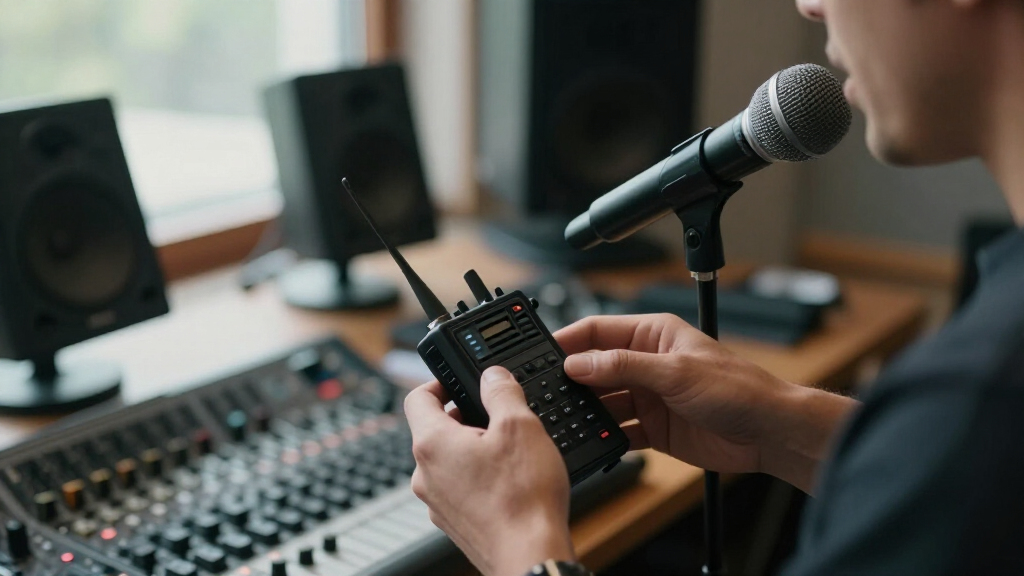
I ranked these systems on five factors that actually decide whether a wireless mic setup works on gig day. Signal reliability came first — auto scan and tunable UHF frequencies beat fixed frequencies, and 2.4GHz systems were judged against realistic range expectations rather than marketing claims. Audio fidelity was second, because a drop-free signal with thin, harsh sound is still a bad outcome; capsule quality and consistency across channels separated the Shure and Phenyx Pro units from the bargain tier. Versatility mattered too: systems that mix handheld, lavalier, and headset options scored higher for multi-use buyers, while single-purpose systems were judged only on how well they do their one job.
Finally, I weighed build quality against price and ease of setup. A rack-mountable metal receiver earns its place for installed venues, and battery life or rechargeable designs matter for anyone without easy access to fresh AAs mid-event. The ranking favors systems that balance these factors rather than excelling in one — which is why a bulletproof but single-channel Shure sits near the top alongside a feature-packed but more affordable Phenyx Pro, while cheap fixed-frequency systems land lower despite attractive price tags.
Factors to Consider When Choosing Wireless Microphone Systems
Before you pick a specific system, it helps to understand what actually separates a wireless microphone purchase that lasts from one you replace within a year. These are the factors that shaped this ranking — and the ones most buyers get wrong.UHF vs. 2.4GHz: The Frequency Decision That Matters Most
This is the single biggest fork in the road, and it’s where most buying mistakes happen. UHF systems operate on dedicated frequency bands with more channels available and far better penetration through walls and crowds, which is why they dominate professional installations and touring rigs. 2.4GHz systems share spectrum with every phone, laptop, and Wi-Fi router in the building — at a school assembly or conference with hundreds of connected devices, dropouts become a real risk even at half the advertised range. The tradeoff is price: 2.4GHz hardware is cheaper to manufacture, so budget buyers can get rechargeable batteries and compact receivers that UHF systems at the same price don’t include. My rule of thumb: if the mic will be used in controlled environments with modest crowds, 2.4GHz is acceptable; anywhere with heavy Wi-Fi traffic or distances over 100 feet, pay the premium for UHF.
Channel Count: Buy for Real Speakers, Not Hypothetical Ones
A four-channel system sounds like better value than a dual-channel one, but only if you regularly mic four people at once. Every additional channel adds receiver complexity, more batteries to manage, and more frequency coordination during setup — and multi-channel budget systems sometimes route all mics through shared circuitry that degrades sound as channels fill up. If you host two-person podcasts, karaoke nights, or duets, a dual-channel system with better capsules will outperform a four-channel bargain box. Conversely, panels, churches with multiple worship leaders, and fitness studios running instructor plus guest mics genuinely need the extra channels — the Pyle and Phenyx Pro four-channel picks exist for exactly these buyers. Count your realistic maximum simultaneous speakers and add one channel of headroom, no more.
Auto Scan and Tunable Frequencies: Why Setup Simplicity Costs More
Fixed-frequency systems ship with preset channels, and if one of those frequencies happens to collide with a local broadcast or another wireless system at your venue, you’re stuck manually hunting for a clean one — sometimes with no way to fix it at all. Auto scan receivers sweep the available band and lock onto the clearest frequencies automatically, which turns a twenty-minute troubleshooting session into a ten-second button press. Tunable systems sit in between, letting you dial frequencies manually with more granularity than fixed presets offer. This is the main reason the Phenyx Pro PTU-7000-4H outranks the cheaper fixed-frequency PTU-5000-4H in this roundup despite similar hardware otherwise. If you’ll use the system in different venues, auto scan is worth every extra dollar; if it lives permanently in one room you’ve already tested for interference, fixed frequency is a legitimate saving.
Mic Style: Handheld, Lavalier, Headset, or Plug-On
The transmitter format determines what you can actually do with the system, and mismatched formats are a common regret. Handheld mics suit singers, karaoke, and audience Q&A where the mic gets passed around. Lavaliers free both hands for presenters but pick up less voice and more room noise. Headsets deliver the most consistent level for fitness instructors and energetic performers, since the capsule stays a fixed distance from the mouth. The plug-on design (like the JOYO) is its own category — it turns any wired dynamic mic wireless, which is ideal if you already own a mic you love. Bundles like the Pyle that include all three wearable formats look attractive, but check whether the lavaliers and headsets share bodypack transmitters, because you may not be able to use a headset and lavalier simultaneously on one channel.
Battery Strategy and Total Cost of Ownership
The sticker price is only part of the cost. AA-powered systems — which includes most of the Phenyx Pro and Shure options — will quietly consume batteries at events, and rechargeable AAs degrade over time. Systems with built-in lithium batteries, like the 2.4GHz picks here, eliminate that recurring cost but introduce a different failure mode: when the internal cell eventually dies, the transmitter is often disposable. Rack-mount receivers need mains power, so factor in whether your venue has power where you want the receiver placed. Also check replacement mic availability — Shure capsules and parts are easy to source years later, while generic brands may not exist as products in eighteen months. A slightly pricier system from an established brand often costs less over a five-year horizon.
Range Claims: Divide by Two, Then Check the Environment
Manufacturers test range in open air with fresh batteries and zero interference — conditions that exist nowhere in real use. A system rated at 300 feet realistically delivers 100–150 feet through a crowd, and a 100-foot rating like the JOYO’s is really a same-room tool. The bigger issue is what happens at the edge of range: cheaper systems produce audible artifacts and dropouts before losing signal entirely, while better UHF systems degrade more gracefully or hold clean signal closer to their true limit. If your events involve walking through audiences, moving between rooms, or outdoor setups, buy at least double the range you think you need. And remember that receiver antenna placement — elevated and line-of-sight to the transmitters — can matter more than the rated distance on the box.
Frequently Asked Questions
Do I really need four channels, or is a dual-channel system enough?
For most home users, small venues, and karaoke setups, dual-channel covers the realistic use case — two singers, a host and a guest, or a presenter plus a backup mic. Four-channel systems like the Phenyx Pro PTU-7000-4H and the Pyle earn their price when you regularly mic three or more people: panels, worship teams, fitness classes with a guest instructor, or events with audience Q&A. Keep in mind that a four-channel budget system with mediocre capsules sounds worse than a dual-channel system with good ones, so don’t buy channels at the expense of sound quality. If you’re torn, the dual-channel Phenyx Pro PTU-71 series leaves room to add a second system later, since UHF auto scan coordinates frequencies between units more easily than fixed-frequency models.
Is the Shure BLX24/PG58 worth paying more for than a budget Phenyx Pro system?
It depends on what you’re protecting against. The Shure gives you a tougher handheld transmitter, a proven capsule with consistent sound, and a company that will still sell replacement parts in five years — that matters for gigging musicians and anyone renting or transporting gear weekly. But you get one mic and one channel for the price of two to four channels from Phenyx Pro, and the PG58 capsule, while reliable, isn’t dramatically better sounding than Phenyx’s to an untrained ear at event volume. If the mic lives in one venue and budget is tight, the Phenyx options deliver more capability per dollar. If it travels, gets dropped, or needs to work flawlessly every single time with no excuses, the Shure premium is justified.
Can I use two wireless microphone systems at the same event without interference?
Yes, but only if you coordinate frequencies, and this is where the difference between these picks becomes practical. Auto scan systems like the Phenyx Pro PTU-7000-4H and PTU-71 series can find and lock clean channels quickly, and you can manually steer them away from each other if they collide. Fixed-frequency systems are the problem: the PTU-5000-4H ships with preset frequencies you can’t change, so if a neighboring system or local DTV broadcast occupies that band, you may have no fix short of returning the unit. 2.4GHz systems introduce a different complication — they compete with venue Wi-Fi rather than other mics, so two 2.4GHz systems can coexist even as both fight your router for bandwidth. Before an event, power everything on together and test; frequency problems are always cheaper to find in rehearsal than mid-performance.
Are the lavalier and headset mics in budget bundles actually usable?
Usable, yes — with expectations adjusted. The lavaliers and headsets in the TONOR and Pyle bundles reproduce speech clearly enough for presentations, fitness instruction, and video calls, but they use small electret capsules that sound thinner and handle feedback worse than dedicated pro wearables costing more than the entire bundle. The practical value is having the right format available: a headset for teaching a class and a handheld for audience questions covers scenarios no single-mic system can. Watch the bodypack situation — if two wearable mics share one transmitter, you can’t use both at once, which effectively halves the advertised mic count. For spoken-word use, these bundles are genuine bargains; for music performance through loud PA systems, stick with the handheld capsules, which are consistently the strongest-sounding element in any budget system.
What does a plug-on system like the JOYO actually give me that a regular wireless mic doesn’t?
A plug-on transmitter attaches to the XLR output of any wired dynamic mic, sending its signal wirelessly to a receiver that plugs into your mixer — so the mic itself stays exactly what it already is. This matters if you own a dynamic mic whose sound you like: you keep that capsule character and just cut the cable, rather than accepting whatever capsule a wireless system ships with. The catches are real, though. The JOYO’s 100-foot rating makes it a same-stage or same-room tool, its 2.4GHz band competes with Wi-Fi, and the added transmitter bulk changes the mic’s weight and balance in your hand — some vocalists hate that feel. It also won’t power condenser mics, since it doesn’t pass phantom power. If you’re a speaker or podcaster wanting to untether an existing SM58-style mic in a small space, it’s an elegant, affordable solution; for singers working larger stages, a dedicated wireless vocal system is the better tool.
Conclusion
After comparing all 14 systems, the right choice comes down to who you are rather than which spec sheet is longest. For best overall, the Phenyx Pro PTU-7000-4H balances auto scan convenience, four clean UHF channels, and fair pricing in a way nothing else here matches. The best value pick is the Melonare 4×10, which puts a workable four-mic rig within reach of school and small-church budgets, with the TONOR headset-and-lavalier system as the value choice for presenters who need hands-free formats. Best premium goes to the Shure BLX24/PG58 — one channel, but built and supported to survive years of real use. Beginners should start with the Phenyx Pro PTU-71 dual-channel or the JBL dual-channel system: simple setup, forgiving hardware, and enough quality to grow into. For specific needs, the Pyle 6-mic bundle covers fitness and multi-speaker events, the JOYO plug-on untethers an existing dynamic mic in small rooms, and the 2.4GHz long-range rechargeable set suits casual home and light event use where convenience beats raw reliability. Match the system to your venue, your channel count, and how often the gear travels — that’s the whole decision.
Halloween Picks
halloween
As an affiliate, we earn on qualifying purchases.