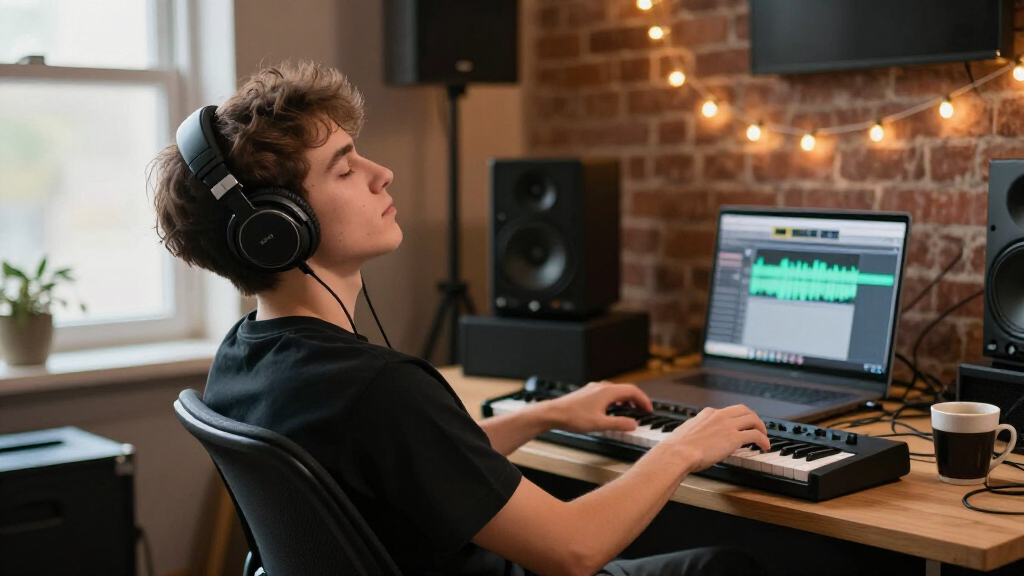


Get audio and creator gear delivered free with Prime
- Fast, free delivery on millions of items
- Prime Video, Amazon Music and more included
- Member-only deals all year
Complete the kit


Key Takeaways
- The DT 770 Pro (80 Ohm) leads for all-around tracking because its closed-back design helps limit sound spill, while open-back picks such as the HD 560S are better suited to quiet-room listening and mixing.
- The ATH-M40x offers a practical middle ground among Audio-Technica’s closed-back models; the ATH-M20x keeps things simpler, and the ATH-M50x adds a more feature-rich option for buyers who want more flexibility.
- Open-back headphones are not interchangeable: the HD 560S is a strong accessible route to mix listening, while the HD 600 and HD 490 PRO serve buyers with different priorities around reference listening and professional studio use.
- The 250-ohm DT 990 Pro can call for more capable amplification than lower-impedance choices, so checking the source device matters before choosing it for a laptop or portable setup.
- Isolation and intended use separate several close contenders: the HD 280 Pro and Sony MDR7506 suit practical monitoring, while the DT 900 PRO X and HD 490 PRO favor open-back listening in quieter environments.
| Audio-Technica ATH-M40x Professional Studio Monitor Headphones, Black |  | Best for One-Ear Monitoring | Driver size: 40 mm | Driver type: Rare earth magnets with copper-clad aluminum wire voice coils | Design: Circumaural, around-ear | VIEW LATEST PRICE | See Our Full Breakdown |
| Shure SRH440A Over-Ear Wired Studio Headphones for Recording |  | Best for Portable Recording Setups | Type: Over-ear, closed-back, wired | Intended use: Recording, monitoring, mixing, and critical listening | Headband: Adjustable | VIEW LATEST PRICE | See Our Full Breakdown |
| beyerdynamic DT 770 Pro (80 Ohm) Closed-Back Studio Headphones, Black |  | Best for Vocal Tracking | Impedance: 80 ohms | Type: Closed-back, over-ear studio headphones | Ear pads: Replaceable grey velour | VIEW LATEST PRICE | See Our Full Breakdown |
| beyerdynamic DT 990 Pro (250 Ohm) Open-Back Studio Headphones, Black |  | Best for Open-Back Mixing | Model: DT 990 PRO 250 | Impedance: 250 ohms | Frequency response: 5–35,000 Hz | VIEW LATEST PRICE | See Our Full Breakdown |
| Audio-Technica ATH-M20x Professional Studio Monitor Headphones, Black |  | Best for Entry-Level Tracking | Driver size: 40 mm | Driver type: Rare earth magnets with copper-clad aluminum wire voice coils | Design: Circumaural, over-ear | VIEW LATEST PRICE | See Our Full Breakdown |
| Sennheiser HD 560S Open-Back Over-Ear Wired Headphones |  | Best for Natural Reference Sound | Brand: Sennheiser | Model: HD 560S | Design: Open-back, over-ear | VIEW LATEST PRICE | See Our Full Breakdown |
| Sennheiser HD 600 Audiophile Open-Back Wired Headphones |  | Best for Amp-Driven Critical Listening | Impedance: 300 Ω | Frequency response: 12–39,000 Hz | Total harmonic distortion: 0.1% | VIEW LATEST PRICE | See Our Full Breakdown |
| AKG K240 Studio Semi-Open Studio Headphones | 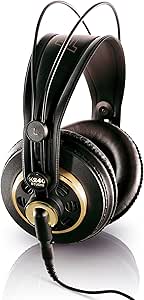 | Best for Flexible Studio Sessions | Brand: AKG | Model: K240 Studio | Design: Semi-open, over-ear | VIEW LATEST PRICE | See Our Full Breakdown |
| beyerdynamic DT 900 PRO X Open-Back Studio Headphones |  | Best Open-Back for Everyday Sources | Brand: beyerdynamic | Model: DT 900 PRO X | Impedance: 48 ohms | VIEW LATEST PRICE | See Our Full Breakdown |
| beyerdynamic DT 770 Pro X (48 Ohm) Closed-Back Studio Headphones, Black |  | Best for Recording Isolation | Brand: beyerdynamic | Model: DT 770 Pro X | Impedance: 48 ohms | VIEW LATEST PRICE | See Our Full Breakdown |
| Sennheiser HD 490 PRO Open-Back Professional Studio Headphones |  | Best for Mix Decisions | Design: Open-back | Frequency response: 5–36,000 Hz | Ear pads: Two washable, replaceable sets for mixing and producing | VIEW LATEST PRICE | See Our Full Breakdown |
| Sennheiser HD 280 Pro Over-Ear Headphones, Black |  | Best for Tracking Isolation | Type: Wired, closed-back over-ear | Sound attenuation: Up to 32 dB | Cord length: 3.3–9.8 ft, coiled and extended | VIEW LATEST PRICE | See Our Full Breakdown |
| Sony MDR7506 Professional Large Diaphragm Headphones | 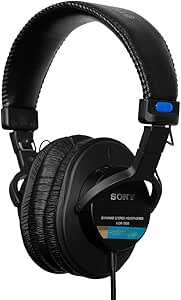 | Best for Portable Monitoring | Driver size: 40 mm | Magnet type: Neodymium | Frequency response: 10 Hz–20 kHz | VIEW LATEST PRICE | See Our Full Breakdown |
| Audio-Technica ATH-M30x Professional Studio Monitor Headphones, Black |  | Best for Midrange Detail | Driver size: 40 mm | Driver type: Rare earth magnets with copper-clad aluminum wire voice coils | Design: Circumaural, over-ear | VIEW LATEST PRICE | See Our Full Breakdown |
| Audio-Technica ATH-M50x Professional Studio Monitor Headphones, Black | 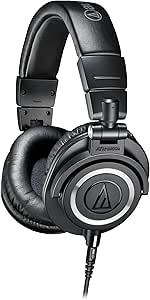 | Best for One-Ear Monitoring | Driver size: 45 mm | Earcup design: Circumaural, 90-degree swiveling | Cable: Detachable | VIEW LATEST PRICE | See Our Full Breakdown |
| studio headphone | Design | Cable |
|---|---|---|
| Audio-Technica ATH-M40x Profes | Circumaural, around-ear | Detachable; included |
| Shure SRH440A Over-Ear Wired S | Collapsible | Detachable locking cable |
| beyerdynamic DT 770 Pro | — | Fixed 3 m straight cable |
| beyerdynamic DT 990 Pro | Open-back | Fixed 3 m coiled cable with 1/4-inch adapter |
| Audio-Technica ATH-M20x Profes | Circumaural, over-ear | — |
| Sennheiser HD 560S Open-Back O | Open-back, over-ear | — |
| Sennheiser HD 600 Audiophile O | Open-back, over-ear | Detachable Kevlar-reinforced OFC copper |
| AKG K240 Studio Semi-Open Stud | Semi-open, over-ear | — |
| beyerdynamic DT 900 PRO X Open | Open-back studio headphones | — |
| beyerdynamic DT 770 Pro X | Closed-back, over-ear | Detachable mini-XLR, 3 m |
| Sennheiser HD 490 PRO Open-Bac | Open-back | 1.8 m detachable |
| Sennheiser HD 280 Pro Over-Ear | — | — |
| Sony MDR7506 Professional Larg | Closed-ear, foldable | — |
| Audio-Technica ATH-M30x Profes | Circumaural, over-ear | — |
| Audio-Technica ATH-M50x Profes | — | Detachable |
More Details on Our Top Picks
Audio-Technica ATH-M40x Professional Studio Monitor Headphones, Black
The ATH-M40x is the practical pick for recording setups where I need to monitor with one ear while keeping the other free. Its 90-degree swiveling earcups make that easy, and the around-ear design helps limit sound reaching a microphone. Compared with the ATH-M20x, it adds this one-ear monitoring flexibility and detachable cables, which make it better suited to changing studio tasks and easier to maintain. The tradeoff is a firm initial fit: its pro-grade pads and headband may need time to soften for long sessions. I’d choose the Shure SRH440A instead if a collapsible design and a locking cable matter more than swiveling cups. The ATH-M40x earns its place through hands-on monitoring features rather than a claim to suit every studio role.
Pros:- 90-degree swiveling earcups support one-ear monitoring
- Circumaural design helps isolate sound in loud recording spaces
- Detachable cables are easier to replace than a fixed cable
- Professional-grade earpads and headband are built for studio use
Cons:- Firm materials may take time to break in for long sessions
- Closed-back design does not provide the open presentation of the beyerdynamic DT 990 Pro
Best for: Recording musicians and engineers who need to monitor one ear at a time and want replaceable cables.
Not ideal for: Listeners who prioritize a softer out-of-box fit for extended sessions or need an open-back headphone for spacious mixing.
- Driver size:40 mm
- Driver type:Rare earth magnets with copper-clad aluminum wire voice coils
- Design:Circumaural, around-ear
- Earcup rotation:90 degrees
- Cable:Detachable; included
- Color:Black
Our verdict“Choose the ATH-M40x if one-ear monitoring and detachable cables matter more to your recording workflow than a softer initial fit.”
Shure SRH440A Over-Ear Wired Studio Headphones for Recording
The Shure SRH440A suits buyers who move between a desk, interface, and laptop but still want a closed-back recording headphone. Its collapsible design is easier to pack than the beyerdynamic DT 770 Pro, while the detachable locking cable offers a secure connection and can be replaced if damaged. Shure describes its sound as accurate and transparent, making this a more monitoring-focused choice than the bass-enhanced ATH-M20x. The adjustable headband and cushioned earcups also support longer sessions. Its limits are straightforward: it is still wired, and its passive isolation cannot cancel room noise. I’d pick the DT 770 Pro for a tracking setup where its replaceable velour pads and isolation are the priority; the SRH440A makes more sense when storage and broad device compatibility matter.
Pros:- Balanced, transparent sound is suited to recording and monitoring
- Collapsible construction makes storage and transport easier
- Detachable locking cable supports a secure connection and replacement
- Designed to work with interfaces, mixers, laptops, and portable devices
Cons:- Wired connection limits movement around a room
- Passive isolation does not reduce noise actively
- Closed-back presentation is less spacious than the open-back DT 990 Pro
Best for: Home recordists and students who carry headphones between an audio interface, mixer, laptop, and portable device.
Not ideal for: Buyers who need wireless mobility, active noise cancellation, or an open-back soundstage for mix evaluation.
- Type:Over-ear, closed-back, wired
- Intended use:Recording, monitoring, mixing, and critical listening
- Headband:Adjustable
- Design:Collapsible
- Cable:Detachable locking cable
- Compatibility:Audio interfaces, mixers, laptops, and portable devices
Our verdict“Pick the SRH440A if you want a foldable, wired monitor headphone that can move between common studio and portable sources.”
beyerdynamic DT 770 Pro (80 Ohm) Closed-Back Studio Headphones, Black
For vocal booths, podcasts, and other recording situations where headphone spill can reach a microphone, the DT 770 Pro puts closed-back isolation first. Its replaceable velour pads and spring-steel headband give it a serviceable studio build, while the 80-ohm rating is a more approachable pairing for common interfaces than the DT 990 Pro’s 250 ohms. It can still benefit from an interface or headphone amp, especially when a source has limited output. The main compromise is its fixed 3 m cable: it is useful around a recording station but awkward to pack or replace. Compared with the Shure SRH440A, the DT 770 Pro is the more tracking-focused choice; the Shure folds for easier storage and has a detachable cable.
Pros:- Closed-back design provides isolation for tracking and vocal recording
- Replaceable velour ear pads extend serviceability
- Spring-steel headband is built for studio use
- 80-ohm impedance is less demanding than the DT 990 Pro’s 250 ohms
Cons:- Fixed 3 m cable can be cumbersome for portable use
- May benefit from an audio interface or headphone amp
- Closed-back design offers less open spatial presentation than the DT 990 Pro
Best for: Vocalists, podcasters, and engineers recording with microphones in a booth or other noise-sensitive room.
Not ideal for: Mobile listeners who want a compact headphone with a detachable cable, or mixers seeking the open-back presentation of the DT 990 Pro.
- Impedance:80 ohms
- Type:Closed-back, over-ear studio headphones
- Ear pads:Replaceable grey velour
- Headband:Spring steel
- Cable:Fixed 3 m straight cable
- Adapter:1/4-inch (6.35 mm)
- Color:Black
- Origin:Made in Germany
Our verdict“Choose the DT 770 Pro for isolated vocal tracking when you can accommodate its fixed cable and have a suitable headphone output.”
beyerdynamic DT 990 Pro (250 Ohm) Open-Back Studio Headphones, Black
The DT 990 Pro gives mix work a wide, natural stereo image through its open-back design, making it a different tool from the isolation-focused DT 770 Pro. That openness can help me judge spatial placement, but it also lets sound escape and provides little isolation, so it is poorly suited to recording near a live microphone. Its 250-ohm impedance points toward an audio interface or headphone amp; a phone is not the natural pairing. Replaceable velour pads and a spring-steel headband support long-term studio use, though the fixed coiled cable is less convenient to replace or carry than the Shure SRH440A’s detachable cable. I’d choose this model for a dedicated mix position where spatial cues matter, not as an all-purpose tracking headphone.
Pros:- Open-back design creates a wide stereo image with depth
- Replaceable grey velour pads support long-term upkeep
- Spring-steel headband is designed for studio use
- Frequency response is listed as 5–35,000 Hz
Cons:- 250-ohm impedance calls for an interface or headphone amp
- Open-back construction leaks sound and offers little isolation
- Fixed coiled cable is less convenient than the SRH440A’s detachable cable
Best for: Mixers working at a dedicated studio desk with an interface or headphone amp who want an open-back stereo presentation.
Not ideal for: Vocalists recording near microphones, commuters, or anyone who needs strong isolation or a phone-friendly load.
- Model:DT 990 PRO 250
- Impedance:250 ohms
- Frequency response:5–35,000 Hz
- Design:Open-back
- Cable:Fixed 3 m coiled cable with 1/4-inch adapter
- Ear pads:Replaceable grey velour
- Warranty:2-year beyerdynamic warranty
- Country of origin:Germany
Our verdict“Choose the DT 990 Pro for open-back mixing at a properly equipped desk, and skip it for isolated recording or portable listening.”
Audio-Technica ATH-M20x Professional Studio Monitor Headphones, Black
The ATH-M20x is the straightforward choice for basic tracking when the priority is closed-back isolation and a low-frequency-focused tuning. Its 40 mm drivers and around-ear cups suit recording in louder spaces, while the single-side cable exit keeps the connection out of the way. Compared with the ATH-M40x, it gives up 90-degree swiveling earcups and detachable cables, so it is less adaptable for one-ear monitoring and cable replacement. The Shure SRH440A is a stronger fit for buyers who want a collapsible design and a detachable locking cable. The ATH-M20x’s simpler feature set makes sense for a fixed beginner setup, but the supplied information gives no customer review data to judge real-world durability. I’d choose it for basic studio tracking, not the most flexible long-term workstation.
Pros:- Low-frequency-focused tuning suits tracking tasks
- Circumaural design provides isolation in louder environments
- Single-side cable exit keeps the cable route simple
- 40 mm drivers use rare earth magnets and copper-clad aluminum voice coils
Cons:- No detachable cable is listed, limiting cable replacement options
- Lacks the ATH-M40x’s 90-degree swiveling earcups
- Available product data does not include customer feedback on durability
Best for: Beginning home recordists who need around-ear isolation for basic tracking and prefer a simple fixed setup.
Not ideal for: Engineers who need one-ear monitoring, detachable cables, or a collapsible design for frequent travel.
- Driver size:40 mm
- Driver type:Rare earth magnets with copper-clad aluminum wire voice coils
- Design:Circumaural, over-ear
- Cable exit:Single side
- Color:Black
- Intended use:Studio tracking and mixing
Our verdict“Pick the ATH-M20x for simple, isolated beginner tracking if you can do without swiveling cups and a detachable cable.”
Sennheiser HD 560S Open-Back Over-Ear Wired Headphones
The HD 560S earns its place for listeners who want a spacious presentation and natural detail for editing and critical listening. Its open-back cups and angled drivers are designed to make stereo placement feel broad and lifelike, while the description also notes clear bass with extended low-end reach. Compared with the Sennheiser HD 600, this pick is framed around reference sound and soundstage without a stated 300-ohm requirement; the HD 600’s listed impedance may call for a more capable headphone output. The tradeoff is the open design: sound passes both ways, so it is a poor fit for recording near a live microphone or working beside someone who needs quiet. Its wired connection also keeps it tied to a source.
Pros:- Natural, detailed reference sound
- Open-back design creates a spacious soundstage
- Angled drivers support lifelike stereo presentation
- Clear bass with extended low-end reach
Cons:- Open cups leak sound and provide little isolation
- Wired connection limits mobility
Best for: Mixers and detail-focused listeners who work in a quiet room and want an open, spacious presentation.
Not ideal for: Vocalists recording beside a microphone or commuters who need isolation and freedom from a cable.
- Brand:Sennheiser
- Model:HD 560S
- Design:Open-back, over-ear
- Connectivity:Wired
- Connector:1/4-inch
- Weight:600 g
- Warranty:2 years
Our verdict“Choose the HD 560S for spacious, natural monitoring in a quiet room; choose a closed-back model for tracking or shared spaces.”
Sennheiser HD 600 Audiophile Open-Back Wired Headphones
The HD 600 is the lineup’s pick for listeners building a dedicated critical-listening setup: its listed 300 Ω impedance, low stated distortion, and broad frequency response suit careful listening when paired with an appropriate headphone output. Its lightweight build and plush circumaural pads are described as comfortable for long sessions, and the detachable reinforced cable can be replaced if it is damaged. Compared with the HD 560S, the HD 600’s more demanding impedance makes source matching a clearer part of the buying decision; the HD 560S is the more straightforward choice if you want to avoid that hurdle. The open-back design also lets sound escape, and this wired model has no microphone or wireless connection, so it is less suited to tracking or everyday calls.
Pros:- Low stated THD of 0.1%
- Lightweight 260 g design with plush circumaural pads
- Detachable Kevlar-reinforced OFC copper cable
- Broad listed frequency response of 12–39,000 Hz
Cons:- 300 Ω impedance can require a powerful headphone amplifier
- Open-back cups leak sound and do not isolate
- No built-in microphone or wireless functionality
Best for: Critical listeners with a headphone amplifier or audio interface capable of driving 300-ohm headphones.
Not ideal for: Laptop-only buyers who want a simple plug-in setup, or recording musicians who need sound isolation.
- Impedance:300 Ω
- Frequency response:12–39,000 Hz
- Total harmonic distortion:0.1%
- Weight:260 g
- Cable:Detachable Kevlar-reinforced OFC copper
- Connector:¼-inch / ⅛-inch jack
- Design:Open-back, over-ear
Our verdict“Pick the HD 600 for extended critical listening when your audio setup can drive its 300-ohm impedance.”
AKG K240 Studio Semi-Open Studio Headphones
The AKG K240 Studio suits home studios that need one wired set for mixing, podcasting, and general listening. Its semi-open design and 30 mm Varimotion transducers are described as delivering a wide dynamic range, solid bass, and clear highs, while the self-adjusting headband is intended to stay comfortable through longer sessions. A 3-meter cable and included screw-on adapter make it easy to connect to either a small headphone jack or a quarter-inch studio output. Compared with the beyerdynamic DT 900 PRO X, the K240 has a more flexible stated use across recording and listening tasks, but the DT 900 PRO X is specified with a 48-ohm driver designed to work from common sources. The K240’s semi-open cups leak sound and offer little isolation, which can cause microphone bleed during tracking.
Pros:- 30 mm Varimotion transducers are designed for wide dynamics
- Self-adjusting headband and over-ear pads support long sessions
- 3-meter cable suits desk and studio setups
- Includes 1/8-inch plug and screw-on 1/4-inch adapter
Cons:- Semi-open cups leak sound and provide little isolation
- Wired-only design restricts movement
Best for: Home-studio users who want a wired pair for mixing, podcast editing, and Hi-Fi listening across different audio connections.
Not ideal for: Vocalists tracking in the same room as a microphone, or anyone who needs strong isolation.
- Brand:AKG
- Model:K240 Studio
- Design:Semi-open, over-ear
- Transducers:30 mm XXL with Varimotion diaphragms
- Cable length:3 meters (9.9 feet)
- Connectors:1/8-inch stereo plug with screw-on 1/4-inch adapter
- Intended use:Studio mixing, mastering, podcasting, Hi-Fi listening
Our verdict“Choose the K240 Studio for versatile wired work in a quiet home studio, but avoid it for close-mic recording.”
beyerdynamic DT 900 PRO X Open-Back Studio Headphones
The DT 900 PRO X stands out for studio listeners who want an open-back soundstage without making a separate headphone amplifier part of the setup. Its 48-ohm STELLAR.45 driver is specified to work from laptops, interfaces, and phones, which makes it easier to move between a desk and other sources than the 300-ohm Sennheiser HD 600. The open construction is suited to mixing and critical listening where hearing a broad stereo presentation matters. beyerdynamic includes a detachable mini-XLR cable, quarter-inch adapter, and protective case, adding practical options for studio use and storage. The main compromise is inherent to open-back headphones: they leak sound and provide little isolation. It is also wired, so it will not serve buyers looking for wireless monitoring.
Pros:- 48-ohm impedance is specified for use with common sources
- Open-back design provides a wide, natural soundstage
- Detachable mini-XLR cable and 1/4-inch adapter are included
- Protective case is included
Cons:- Open-back design leaks audio and offers little isolation
- Wired-only connection limits movement
Best for: Mixers who switch among laptops, phones, and interfaces and want open-back listening without a separate amp.
Not ideal for: Recording vocalists who need to prevent headphone bleed, or buyers who require wireless use.
- Brand:beyerdynamic
- Model:DT 900 PRO X
- Impedance:48 ohms
- Driver:STELLAR.45
- Design:Open-back studio headphones
- Weight:12.2 ounces
- In the box:Headphones, detachable mini-XLR cable, 1/4-inch adapter, protective case
Our verdict“Choose the DT 900 PRO X for open-back studio listening across everyday sources without a dedicated headphone amp.”
beyerdynamic DT 770 Pro X (48 Ohm) Closed-Back Studio Headphones, Black
The DT 770 Pro X is the closed-back choice here for recording sessions where headphone sound should stay out of a microphone. Its closed cups provide isolation for tracking, and the 48-ohm STELLAR.45 driver is specified to work from laptops, interfaces, phones, and consoles without a separate headphone amp. That gives it a different job from the open-back DT 900 PRO X, whose spacious presentation is better suited to mixing in a quiet room. The DT 770 Pro X also has a detachable mini-XLR cable and replaceable velour pads, so common wear parts can be changed instead of forcing a full replacement. Its wired, non-folding design makes it less convenient to carry, and the closed presentation will not provide the same open feel as its sibling.
Pros:- Closed-back design helps reduce headphone bleed into microphones
- 48-ohm impedance is specified for use without a separate headphone amp
- Detachable mini-XLR cable
- Replaceable velour ear pads and German handmade construction
Cons:- Wired-only connection limits mobility
- Non-folding design takes up more space when packed
- Closed-back construction offers a less open presentation than the DT 900 PRO X
Best for: Vocalists, podcasters, and musicians tracking near microphones who need closed-back isolation from a headphone output with common device compatibility.
Not ideal for: Mixers who prioritize an open, spacious soundstage or travelers who need foldable headphones.
- Brand:beyerdynamic
- Model:DT 770 Pro X
- Impedance:48 ohms
- Driver:STELLAR.45
- Design:Closed-back, over-ear
- Cable:Detachable mini-XLR, 3 m
- Ear pads:Replaceable velour
Our verdict“Choose the DT 770 Pro X for isolated tracking from common audio sources; choose the DT 900 PRO X for open-back mixing.”
Sennheiser HD 490 PRO Open-Back Professional Studio Headphones
The Sennheiser HD 490 PRO is the lineup’s open-back pick for producers who need to judge placement and balance across a mix. Its wide soundstage and uncolored response can make instrument positions easier to distinguish than on the closed-back HD 280 Pro, which is better suited to noisy rooms and recording sessions. Two washable pad sets let you choose between producing and mixing presentations, while the included dearVR MIX-SE plugin adds a virtual monitoring option in a DAW. The lightweight design also suits long editing sessions. The tradeoff is inherent to the open construction: sound escapes and outside noise comes through, so this is a poor choice for tracking beside a live microphone or working in a shared space.
Pros:- Wide, dimensional presentation helps with spatial placement
- Uncolored frequency response supports mix judgments
- Two washable, replaceable pad sets suit different work
- Lightweight design and replaceable parts support long sessions
Cons:- Open-back cups leak sound and provide little isolation
- Less suitable for tracking near live microphones
- Includes no stated cable replacement or isolation option
Best for: Mixers working in a quiet room who want an open presentation and interchangeable pads for production and mix work
Not ideal for: Vocalists recording beside a microphone or producers in noisy rooms who need strong isolation
- Design:Open-back
- Frequency response:5–36,000 Hz
- Ear pads:Two washable, replaceable sets for mixing and producing
- Cable:1.8 m detachable
- Included software:dearVR MIX-SE plugin
- Engineering:German-engineered
Our verdict“Choose the HD 490 PRO for spatial mixing in a quiet room, and choose a closed-back model such as the HD 280 Pro when isolation matters.”
Sennheiser HD 280 Pro Over-Ear Headphones, Black
For recording sessions where outside noise and headphone spill can disrupt a take, the Sennheiser HD 280 Pro makes a practical closed-back choice. Its stated attenuation of up to 32 dB gives it a clear job in this lineup: unlike the open-back HD 490 PRO, it helps keep monitoring contained around a vocalist or instrument mic. The warm, natural sound and replaceable pads, headband padding, and cord make it a serviceable studio tool over time. Collapsible earpieces also make transport easier than with a fixed-frame design. Its coiled cable can extend to 9.8 feet, which gives reach at a desk but can feel cumbersome away from one; the wired connection also limits movement. Buyers prioritizing compact mobile monitoring may prefer the foldable Sony MDR7506.
Pros:- Attenuates outside sound by up to 32 dB
- Closed-back design helps limit sound spill
- Earpads, headband padding, and audio cord are replaceable
- Collapsible earpieces ease storage and transport
Cons:- Wired connection limits movement
- Coiled cord can extend to 9.8 feet and may be cumbersome
- Closed-back presentation offers less sense of space than open-back options
Best for: Home-studio vocalists and tracking engineers who need a closed-back headphone with replaceable wear parts
Not ideal for: Mobile creators who want a short, lightweight cable or mixers seeking the open spatial presentation of the HD 490 PRO
- Type:Wired, closed-back over-ear
- Sound attenuation:Up to 32 dB
- Cord length:3.3–9.8 ft, coiled and extended
- Included adapter:Screw-type 1/4-inch adapter
- Replaceable parts:Earpads, headband padding, and audio cord
- Color:Black
- Warranty:2 years
Our verdict“Pick the HD 280 Pro for isolated tracking and replaceable wear parts, especially when a coiled cable suits your studio setup.”
Sony MDR7506 Professional Large Diaphragm Headphones
The Sony MDR7506 suits engineers and field recordists who want a closed-ear monitor that folds down and comes with a carrying case. Its 40 mm drivers and wired connection make it a straightforward studio and production tool, while the foldable design is more travel-friendly than the Audio-Technica ATH-M30x’s described collapsible build only in combination with its included soft case. Compared with the HD 280 Pro, its 9.8-foot cord is not coiled, so it can provide reach without a springy cable pulling at the headphones. That length can still snag or feel excessive in a compact setup, and the non-detachable cord makes cable damage harder to address. Choose it for a familiar portable monitoring format; skip it if replaceable cable convenience is a priority.
Pros:- Foldable closed-ear design travels easily
- Includes a soft carrying case and 1/4-inch adapter
- 9.8-foot cable gives reach around a studio workstation
- 40 mm drivers and wired design suit monitoring workflows
Cons:- Non-detachable cable is difficult to replace if damaged
- Long cord can be cumbersome in portable setups
- Closed-ear design does not provide the open spatial presentation of the HD 490 PRO
Best for: Video, radio, and field-production operators who need foldable wired headphones with a supplied case and adapter
Not ideal for: Studio owners who want a detachable cable or people who need a short, snag-resistant lead for mobile use
- Driver size:40 mm
- Magnet type:Neodymium
- Frequency response:10 Hz–20 kHz
- Design:Closed-ear, foldable
- Cord:9.8 ft, oxygen-free copper, non-detachable
- Connectivity:Wired
- Plug:Gold-plated 1/8 inch with 1/4 inch adapter
- Included accessories:Soft case and 1/4 inch adapter
Our verdict“Choose the MDR7506 for foldable production monitoring with a case, provided its long fixed cable fits your workspace.”
Audio-Technica ATH-M30x Professional Studio Monitor Headphones, Black
The Audio-Technica ATH-M30x is a closed-back monitor for buyers who want detail centered on the midrange, where vocals, guitars, and many mix decisions live. Its circumaural earcups are described as offering strong isolation, making it more practical for tracking than the open-back Sennheiser HD 490 PRO. The single-sided cable, collapsible frame, and included protective case also fit a studio that needs to move headphones between rooms or recording locations. Compared with the ATH-M50x, the M30x’s listed 40 mm drivers and midrange emphasis give it a more focused monitoring role; the M50x adds 45 mm drivers, swiveling cups, and detachable cables for more flexible cueing. The M30x is less appealing if one-ear monitoring or a detachable lead matters to your routine.
Pros:- Midrange tuning brings vocals and guitars into focus
- Circumaural cups provide isolation for tracking
- Collapsible design and protective case aid transport
- Single-sided cable exit reduces leads crossing both sides
Cons:- Cable is not listed as detachable
- No swiveling earcups for convenient one-ear monitoring
- Monitoring-focused tuning may not suit listeners seeking a casual everyday sound
Best for: Tracking and field-recording users who prioritize midrange detail, closed-back isolation, and a case for transport
Not ideal for: DJs and engineers who need swiveling earcups or a detachable cable for frequent one-ear monitoring
- Driver size:40 mm
- Driver type:Rare earth magnets with copper-clad aluminum wire voice coils
- Design:Circumaural, over-ear
- Cable exit:Single-sided
- Portability:Collapsible
- Included accessories:Protective case and screw-on adapter
- Warranty:2 years, parts and labor
- Color:Black
Our verdict“Choose the ATH-M30x for isolated tracking and midrange-focused monitoring, but move to the ATH-M50x for swiveling cups and a detachable cable.”
Audio-Technica ATH-M50x Professional Studio Monitor Headphones, Black
The Audio-Technica ATH-M50x earns its spot for studio operators who need to switch quickly between full-cup listening and one-ear cueing. Its 90-degree swiveling earcups make that more direct than on the ATH-M30x, whose supplied specs describe a collapsible frame but no swivel. The M50x also has 45 mm drivers, a circumaural fit, and detachable cables, combining isolation and easier cable replacement in one monitoring-focused package. Compared with the HD 490 PRO, it trades the open-back model’s broad, spatial presentation for a closed-back design that better suits tracking and shared rooms. The fit may feel tight on larger heads during long sessions, and buyers focused solely on midrange detail may prefer the M30x’s explicitly stated tuning. This is the more flexible of the two Audio-Technica picks, with fit comfort as the main caveat.
Pros:- 90-degree swiveling earcups support one-ear monitoring
- Detachable cables simplify replacement and setup changes
- Circumaural design provides sound isolation
- 45 mm drivers and professional-grade construction suit studio monitoring
Cons:- May feel tight on larger heads during long sessions
- Closed-back design gives less spatial openness than the HD 490 PRO
- No cable length or included accessories are specified in the supplied product data
Best for: Studio engineers and DJs who need closed-back isolation, detachable cables, and quick one-ear cueing
Not ideal for: Listeners with larger heads who find firm clamping uncomfortable, or mixers seeking an open-back soundstage
- Driver size:45 mm
- Earcup design:Circumaural, 90-degree swiveling
- Cable:Detachable
- Color:Black
- Warranty:2 years, parts and labor
- Model:ATH-M50x
Our verdict“Pick the ATH-M50x for flexible, isolated monitoring and one-ear cueing if its fit works for your head.”
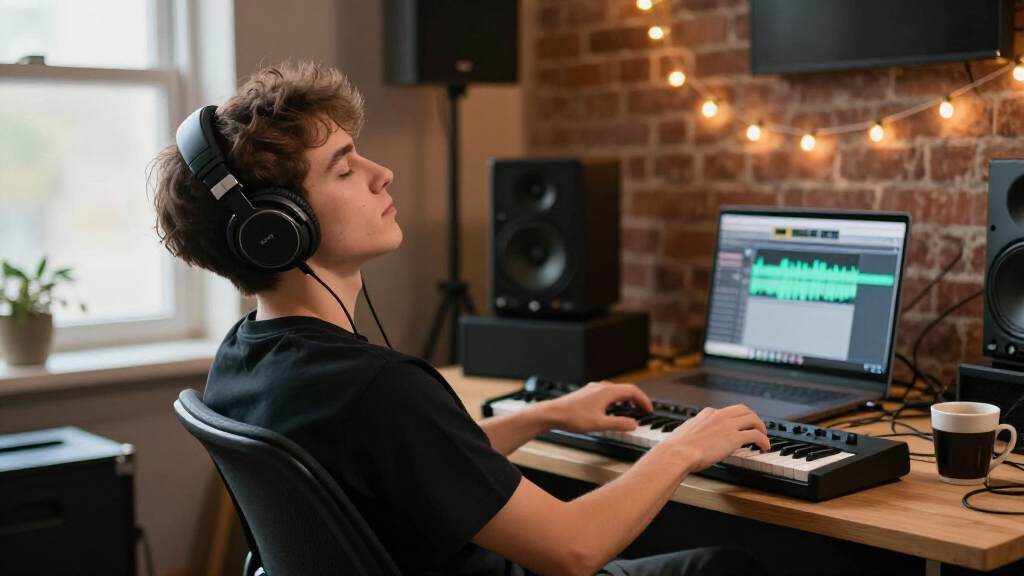
How We Picked
I compared the headphones by how well their design fits common studio tasks: recording near a microphone, monitoring during a session, editing, and making mix decisions in a quiet room. I weighed closed-back isolation against open-back listening, then considered comfort for long sessions, connection and amplification needs, portability, construction, and how straightforward each model is to use across typical studio setups.
The ranking gives more weight to broad usefulness for studio work than to any single specialty. Closed-back headphones rise when they combine useful isolation with practical everyday handling; open-back models rank higher when their intended listening role is clear and their setup requirements suit the buyer. Specialized strengths still matter, but a model falls behind a more versatile pick when its fit, leakage, or amplification needs limit where it can be used.
Factors to Consider When Choosing Best Studio Headphones
Choosing studio headphones starts with matching the design to your room and workflow. Before comparing individual models, decide what you need to hear, where you will listen, and what equipment will drive the headphones.Choose Closed-Back or Open-Back for the Room
Start with the sound around you and the sound you need to keep contained. Closed-back headphones reduce sound escaping toward a microphone and help keep outside noise from interrupting monitoring, which makes them a practical default for vocal recording and shared rooms. Open-back headphones let sound pass through their earcups, so people nearby may hear your playback and room noise can reach you. That airflow can make them more suitable for focused listening in a quiet, private space, but it does not make them automatically more accurate. A common mistake is buying open-back headphones for tracking simply because they are described as studio headphones. If you record and mix in the same room, a closed-back pair for recording and speakers or a separate open-back pair for mix checks may be more useful than forcing one design to cover both jobs.
Check the Headphone Output Before Choosing Impedance
Impedance affects how easily a source can drive a headphone to a useful listening level, so match the model to your interface, mixer, or portable device. A higher-impedance option may work well with a capable headphone output but can be a poor fit for equipment that cannot supply enough level cleanly. Do not assume that a higher number means better sound or more professional use. Check the source maker’s headphone specifications and leave room for peaks instead of turning the volume control to its limit. If several people will use the headphones with different devices, a model that is easier to drive is usually simpler to share. This check can prevent a quiet or strained setup that no earcup design can fix.
Treat Comfort as Part of Session Performance
Headband pressure, earcup depth, pad material, and heat buildup matter more as sessions get longer. A headphone that sounds suitable in a short comparison may become distracting during editing or tracking if its clamp presses too hard or its pads trap heat. If possible, try the fit with glasses and the kind of session you expect to run; a seal that changes around glasses can also affect bass response and isolation. Replaceable pads are useful because pads wear down and can change both comfort and the way the headphones sit on your ears. A common buying mistake is focusing on weight alone while ignoring clamp force and earcup shape. When long sessions are routine, fit should carry as much weight as a small difference in technical specifications.
Decide Whether Headphones Will Be Your Main Mix Reference
Headphones are useful for catching edits, noise, stereo details, and low-level artifacts, but they present sound differently from speakers in a room. They remove room interaction and place left and right channels directly at each ear, which can make stereo width and panning feel unlike playback on speakers. If you plan to mix mainly on headphones, use familiar reference tracks and check important decisions on other systems when you can. Do not treat a flat-sounding specification as proof that every mix will translate. A second listening method can reveal problems that are hard to judge on any single pair. This approach helps you choose headphones as part of a monitoring routine rather than expecting them to replace every other reference.
Value Durability and Serviceability Over Extras You Will Not Use
Studio headphones often earn their place through repeated daily use, so inspect the parts that wear: ear pads, headband padding, cable connections, and hinges. A detachable cable can make replacement easier, while a fixed cable may be fine for a stationary setup with careful handling. Foldable earcups help with storage and travel, but they add moving parts that matter if the headphones stay on a desk. Think about whether you need a long cable for a control room, a shorter lead for portable use, or a design that can be repaired after years of sessions. Paying more makes sense when it buys a feature you will rely on, better serviceability, or a fit you can tolerate for long work. Skip extras that do not improve your actual recording or listening routine.
Frequently Asked Questions
Should I buy closed-back headphones if I record vocals at home?
Usually, yes, if you monitor the vocal through headphones while recording. Closed-back earcups help limit playback leaking into the microphone, though they cannot eliminate spill at every volume or with every fit. Keep the monitoring level as low as practical and check a test recording for headphone bleed. If you record in a separate room or do not monitor through headphones, isolation may matter less. Choose based on your recording setup, not the word “studio” on the product listing.
Can I mix a full track on open-back studio headphones?
You can make mix decisions on open-back headphones, especially in a quiet room, but it helps to check the result on another playback system. Open-back designs leak sound and admit room noise, so they are a poor match for recording near a live microphone or listening in a noisy space. Headphones also present stereo placement differently from speakers. Use reference tracks and revisit bass balance, panning, and vocal level on speakers, earbuds, or another familiar system. If headphones will be your main reference, consistency of fit and listening level matters.
Do I need a headphone amp for a 250-ohm model?
Not automatically, but the output on your interface, mixer, or computer determines whether it will reach a clean, useful level. Check the device’s headphone output guidance and listen for adequate volume without pushing the control to its limit. A 250-ohm model may be a less convenient choice for a basic laptop or portable source than a lower-impedance alternative. If you use several sources, compare their output capability before buying. The right choice depends on the complete signal chain rather than impedance alone.
Are open-back headphones suitable for recording?
They can work when headphone spill will not reach a microphone and the room is quiet, but they are usually less practical for close-miked vocals or instruments. Sound passes through the earcups in both directions, which makes isolation weaker than with closed-back designs. Lowering the monitor level can reduce leakage but may not solve it in every session. If you only need to listen back after recording, open-back headphones may be comfortable for that separate task. For tracking, first consider microphone placement, room noise, and how loudly you need to monitor.
Should one pair of studio headphones handle recording and mixing?
One pair can cover both tasks when your sessions are occasional and the model’s design fits your main constraint. Closed-back headphones are more practical around microphones, while open-back models suit quiet-room listening and cannot contain playback as well. A single versatile pair is convenient, but it may involve a compromise in isolation or listening environment. If you record often and also make detailed mix decisions, using closed-back headphones for tracking and another trusted reference for mixing can make the workflow clearer. Let your most frequent task guide the first purchase.
Conclusion
For the strongest all-around studio starting point, I recommend the beyerdynamic DT 770 Pro (80 Ohm) when closed-back isolation is useful in your sessions. The Audio-Technica ATH-M40x is my value pick for buyers who want a practical, foldable closed-back option, while the Sennheiser HD 560S is a sensible beginner choice for open-back listening in a quiet room. For a more specialized premium open-back option, compare the Sennheiser HD 490 PRO and beyerdynamic DT 900 PRO X against your fit and listening needs. If you record near a microphone, favor closed-back models such as the HD 280 Pro or Sony MDR7506; if you have a suitable headphone output and want a spacious open-back alternative, consider the DT 990 Pro. Match the pick to your room, source device, and primary job, then use another playback reference for mix decisions where possible.
Halloween Picks
halloween
As an affiliate, we earn on qualifying purchases.