
To tell if your stylus needs replacing, look for visible damage like cracks, chips, or a dull tip that affects precision. Watch for inconsistent responses, gaps, or jittery lines in your work, which indicate wear. Check for dirt buildup, which can interfere with performance, and watch for connection or battery issues. Maintaining your stylus and staying alert to these signs can keep your workflow smooth—more details are just ahead.
Key Takeaways
- Look for visible damage like cracks, chips, or surface wear on the stylus tip.
- Notice any responsiveness issues, such as jittery lines or inconsistent pressure sensitivity.
- Regularly clean the tip to prevent debris buildup that can impair performance.
- Monitor connection stability; lag or pairing issues may signal internal or battery wear.
- Keep firmware updated and check compatibility to ensure optimal stylus function and early detection of issues.
How to Tell If Your Stylus Needs Replacing
Over time, your stylus can show signs that it’s wearing out and needs replacing. One clear indicator is inconsistent performance during stylus calibration; if you notice difficulty maintaining accurate input or calibration errors, it’s time to consider a replacement. Additionally, pay attention to the stylus grip durability—if the grip feels loose, worn, or uncomfortable, it can affect your control and precision. A degraded grip can also lead to accidental slips, impacting your work quality. While surface scratches may not be immediate signs, a stylus that no longer responds smoothly or requires excessive pressure likely indicates wear. Regularly evaluating these factors helps you determine when your stylus has reached the end of its lifespan, ensuring optimal functionality and avoiding damage to your device. Monitoring stylus technology improvements can also inform you about when to upgrade for better performance.
Signs of Wear on Your Stylus Tip and Surface Scratches

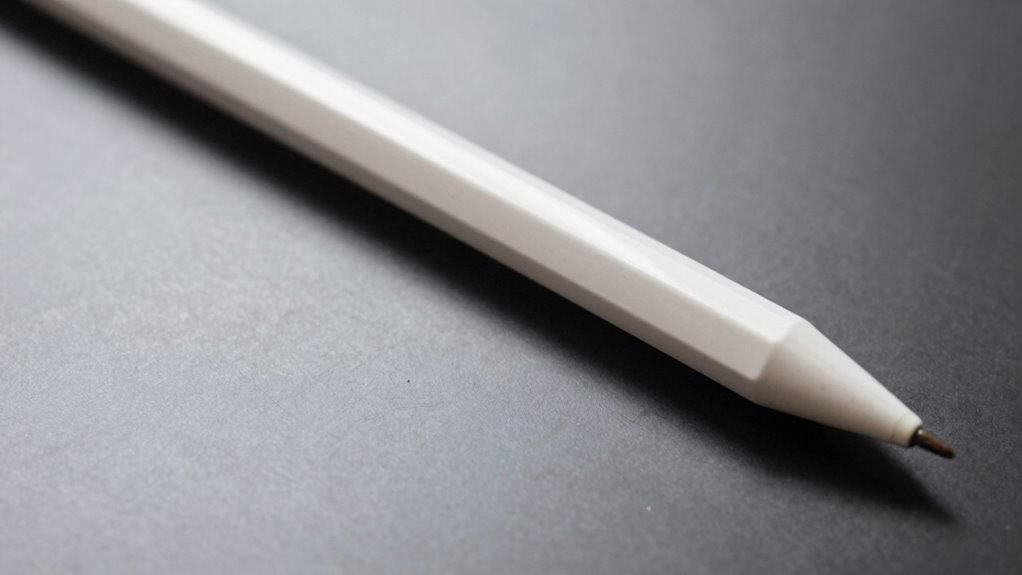
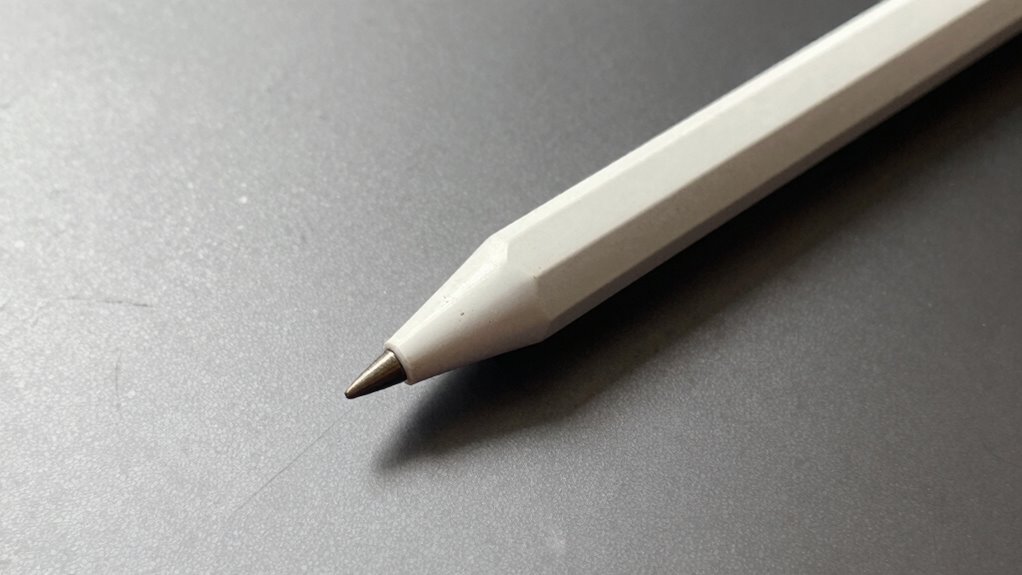
Your stylus tip is the primary contact point with your device’s screen, so signs of wear here can quickly impact performance. Over time, you might notice the tip becoming dull, chipped, or developing surface scratches. These issues can be caused by the stylus materials, especially if they’re softer or less durable. Surface scratches may appear as tiny lines or gouges, reducing smoothness and accuracy. Additionally, an ergonomic design that doesn’t support proper grip can put extra stress on the tip, accelerating wear. Keep an eye out for:
Monitor stylus tip wear: look for dullness, scratches, or chipping to ensure optimal performance and timely replacement.
- Dulling or flattening of the stylus tip
- Visible surface scratches or gouges
- Deformation or chipped edges
Regular inspection of your stylus can help catch early signs of wear and tear, ensuring optimal performance and avoiding the need for premature replacement.
Is Your Stylus Responsive? How Wear Affects Performance
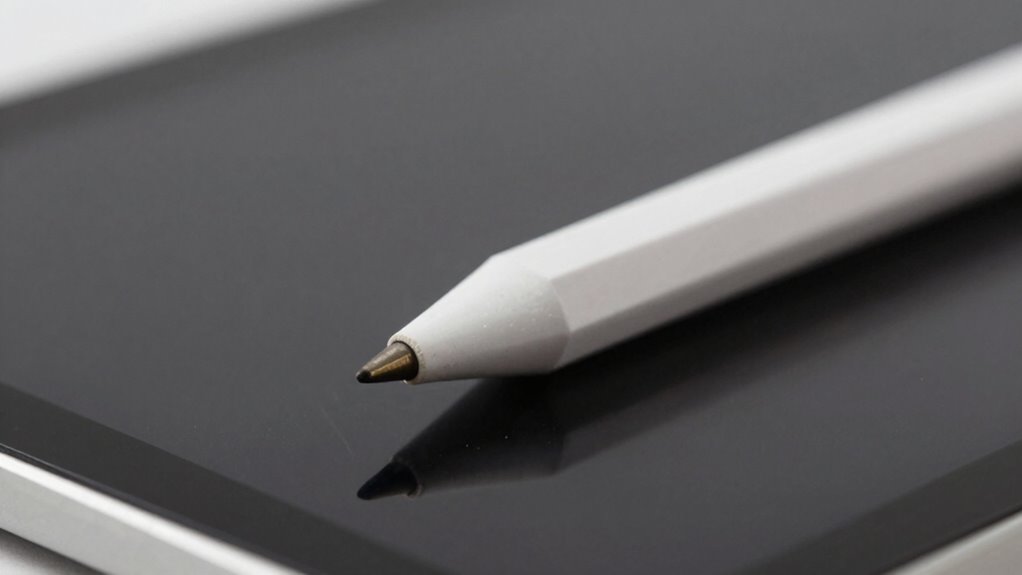
As your stylus wears down, you might notice it becomes less responsive, making your work more frustrating. You may see increased input lag or errors, which can throw off your precision. Inconsistent line quality is also a sign that wear is impacting your device’s performance. Monitoring your stylus’s wear and tear can help you determine when it’s time to replace or adjust it to maintain optimal performance.
Reduced Responsiveness Over Time
As a stylus ages, you might notice it becoming less responsive during use. Wear can cause the tip to lose its precision, impacting your ability to draw or write smoothly. Changes in stylus grip or weight distribution can also influence responsiveness, making the stylus feel less natural in your hand. You may experience delays between your input and the response on-screen or require more pressure to get accurate results. To avoid frustration, check for signs like a loose grip or uneven weight that might cause inconsistent contact. Regularly evaluating these factors ensures your stylus continues to perform reliably without sudden failures. Understanding stylus wear signs can help you determine when it’s time for a replacement or maintenance.
Increased Input Lag or Errors
Worn stylus tips or uneven weight distribution can lead to increased input lag or errors during use. When your stylus isn’t properly calibrated, it may respond slowly or inaccurately, causing frustration. Wear can affect the tip’s shape, making it less precise and increasing the time between your input and the device’s response. You might notice delays, missed strokes, or inconsistent tracking. These issues often stem from the stylus’s inability to maintain proper contact or detect pressure accurately. Regular stylus calibration can help identify and compensate for some wear-related problems, but if errors persist, it’s likely time for a replacement. Addressing wear early can restore responsiveness and ensure your stylus performs smoothly, without the lag or errors that diminish your workflow. Additionally, piercing care and hygiene are essential to prevent infections that could impair your device’s functionality if you’re using a stylus with body-related components or accessories.
Inconsistent Line Quality
When your stylus starts producing inconsistent line quality, it’s often a sign that wear is affecting its responsiveness. This can cause jittery lines, uneven pressure, or difficulty maintaining smooth strokes. To fix this, you may need to recalibrate your stylus or check if the grip comfort has diminished, affecting your control. Wear on the tip or internal components can disrupt stylus calibration, making your lines unpredictable. Keep an eye out for:
- Fluctuating line thickness or opacity
- Sudden skips or jumps during drawing
- Reduced responsiveness despite proper calibration
Addressing these issues early helps maintain precision and comfort. Replacing worn tips or adjusting grip comfort can restore your stylus’s performance, ensuring your creative flow remains smooth and accurate. European cloud innovation can also offer solutions for stylus calibration and maintenance tools designed with sustainability in mind.
How to Detect Inconsistent Line Quality or Gaps in Your Drawings
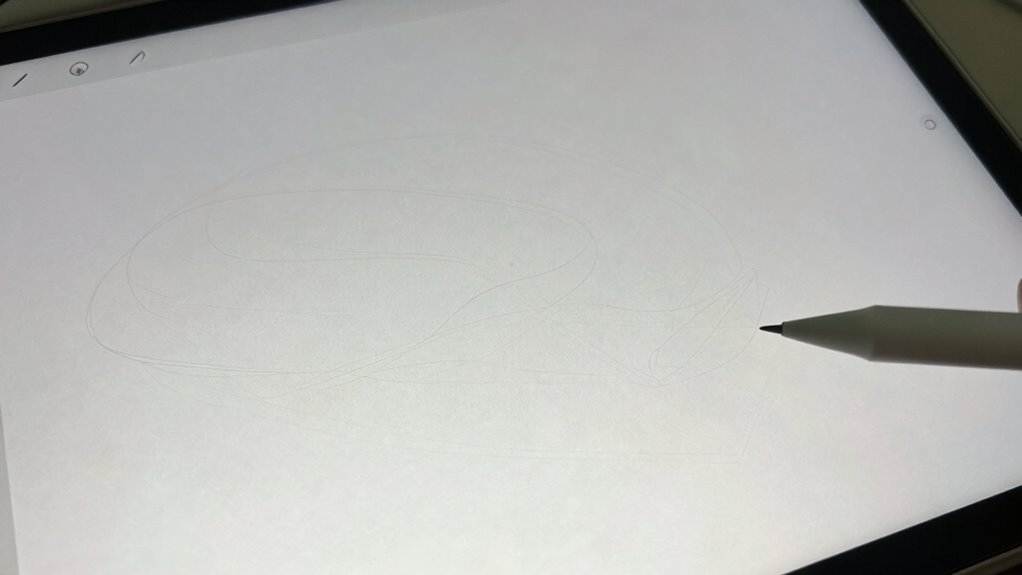
Inconsistent line quality or gaps in your drawings often indicate issues with your stylus or drawing technique. You might notice uneven lines, sudden breaks, or inconsistent thickness, which can stem from problems with pressure sensitivity. If your stylus isn’t responding well to varying pressure, it can cause gaps or irregular strokes. Additionally, grip comfort plays a role—if your grip is tense or uncomfortable, it can lead to shaky lines or inconsistent pressure application. Check if your stylus registers pressure changes smoothly; if not, it may be wearing out or need recalibration. Also, ensure you hold your stylus comfortably, maintaining steady contact without excessive grip tension. These signs help you determine whether the issue lies with your stylus’s performance or your drawing technique. Paying attention to stylus maintenance and calibration can prevent many of these issues and improve your overall drawing experience.
Physical Damage or Debris: What to Look For
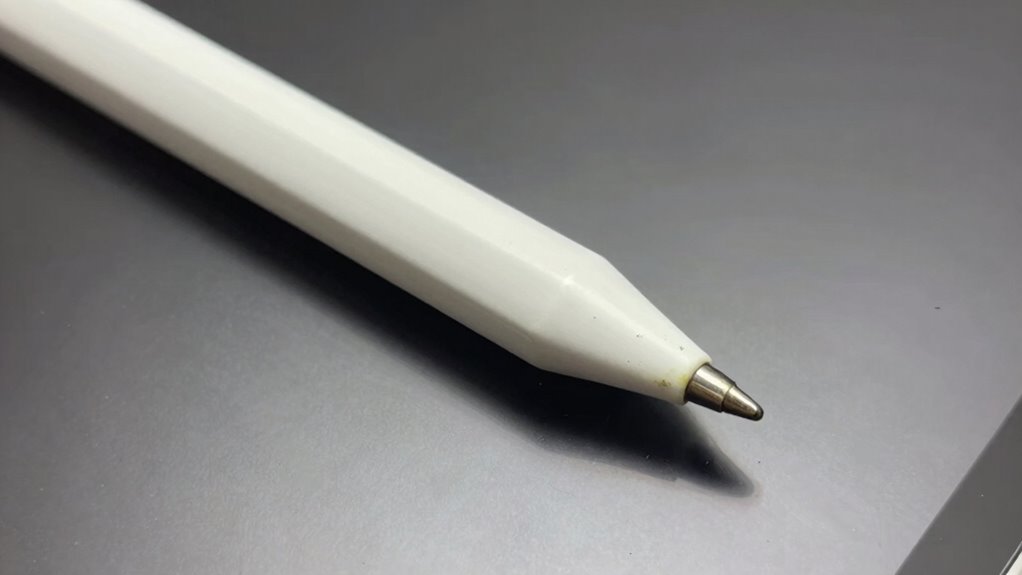
Check your stylus carefully for visible surface cracks or chips that could affect performance. Look for unusual debris buildup around the tip, which may interfere with smooth operation. Also, inspect for signs of material wear, like thinning or rough patches, that suggest it’s time to replace your stylus. Regularly monitoring smart appliance maintenance can help ensure your stylus stays in optimal condition.
Visible Surface Cracks
Visible surface cracks on your stylus can be a clear sign of physical damage or debris buildup. These cracks, often called surface cracking, indicate stylus deterioration that may affect performance. Keep an eye out for:
- Fine lines or fractures on the stylus surface
- Chips or missing pieces from the tip
- Uneven or rough areas that shouldn’t be there
These signs suggest your stylus is experiencing physical wear and may need replacement soon. Surface cracking compromises the stylus’s integrity, which can lead to inaccurate input or further damage. Regularly inspecting your stylus helps catch deterioration early, avoiding more costly repairs or replacements later. If you notice cracks or damage, it’s best to replace the stylus before it causes more issues or affects your device’s functionality. Additionally, understanding wear and tear can help you better assess when a stylus is nearing the end of its lifespan.
Unusual Debris Accumulation
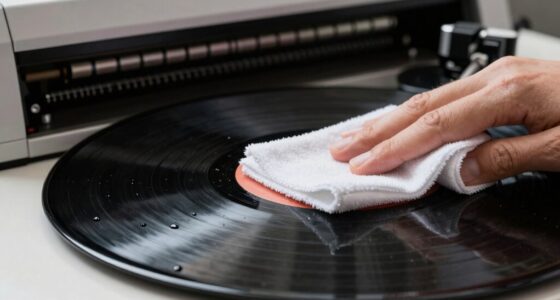
Unusual debris accumulation on your stylus can signal physical damage or dirt buildup that hampers its performance. If you notice particles stuck to the tip or along the stylus shaft, it might interfere with screen calibration, causing inaccuracies during use. Check the stylus grip area for dirt or debris that could affect your hold and control. Over time, debris can collect from dust or oils from your fingers, leading to inconsistent contact with your device. Regularly clean the stylus tip with a soft cloth and inspect for any damage, such as chips or cracks. If debris persists despite cleaning, it could indicate internal damage affecting the stylus’s ability to register movements properly. Proper stylus maintenance helps prevent buildup and extends the device’s lifespan. Addressing debris buildup early helps maintain accurate input and prolongs your stylus’s lifespan.
Signs of Material Wear
Material wear on your stylus can manifest as physical damage or accumulated debris that affects performance. Over time, you might notice a loose or worn stylus grip, making handling less secure. The stylus weight may feel uneven or suddenly shift, indicating worn internal components. Additionally, visible signs like scratches, cracks, or nicks on the stylus tip suggest it’s nearing the end of its lifespan. Pay attention to how the stylus interacts with your records—if tracking becomes inconsistent or audio quality drops, material wear could be to blame. Regular inspection helps catch these signs early, preventing further damage. Keep an eye out for:
- Worn or damaged stylus grip
- Changes in stylus weight or balance
- Visible physical damage or debris buildup
Is Your Stylus Losing Battery or Having Connectivity Problems?
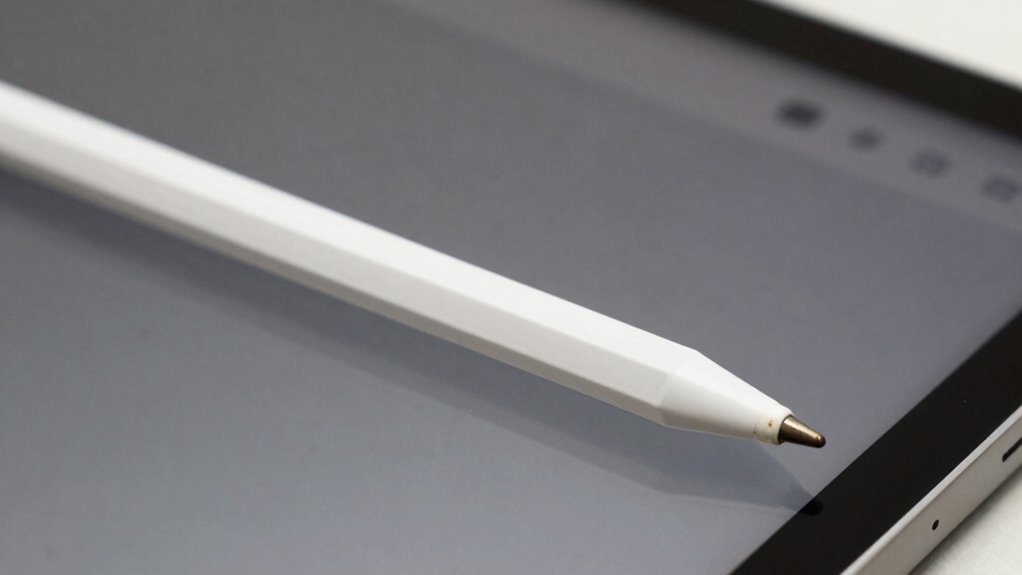
If your stylus starts to lag or refuses to connect, it’s often a sign that its battery is running low or there are connectivity issues. Check the battery health through your device’s settings or the stylus app; a declining battery can cause performance hiccups. If the battery seems fine, look for connectivity problems, like intermittent signals or failure to pair. These issues might stem from Bluetooth interference or low signal strength. Ensure your stylus is within range and that Bluetooth is enabled and stable. Sometimes, restarting your device or re-pairing the stylus can resolve these problems. Regularly monitoring battery health and maintaining a clear connection can prevent sudden lapses, keeping your stylus functional and reliable.
How Firmware and Compatibility Impact Your Stylus’s Functionality

Firmware updates and device compatibility play crucial roles in guaranteeing your stylus functions smoothly. When your stylus’s firmware is up to date, it can fix bugs, improve performance, and add new features. Compatibility issues, on the other hand, can cause your stylus to behave erratically or not work at all. To keep things running well:
- Regularly check for firmware updates from your device manufacturer.
- Verify your stylus is compatible with your tablet or device model.
- Use official accessories to avoid compatibility issues and maximize performance.
Ignoring these aspects can lead to unresponsive strokes, erratic behavior, or reduced precision. Staying current with firmware updates and verifying compatibility helps maintain peak functionality, preventing minor issues from escalating into more significant problems.
When to Repair or Replace Your Stylus for Best Results

Knowing when to repair or replace your stylus guarantees you get the best performance and avoid frustration. If you notice inconsistent sound quality, skipping, or difficulty with stylus calibration, it’s time to contemplate repair or replacement. Proper user handling techniques can extend your stylus’s lifespan, but wear signs like diminished clarity or physical damage indicate a replacement is needed. Use the table below to determine your next step:
| Issue | Repair Option | Replacement Trigger |
|---|---|---|
| Loss of sound quality | Check stylus calibration | Persistent poor sound after calibration |
| Physical damage or wear | Professional repair | Extensive damage or broken components |
| Skipping or tracking issues | Clean stylus and adjust handling | Continued issues despite adjustments |
| Stylus feels loose or unstable | Tighten or fix mounting | Persistent instability |
| Reduced responsiveness | Repair stylus components | No improvement after troubleshooting |
Tips to Maintain Your Stylus and Extend Its Lifespan
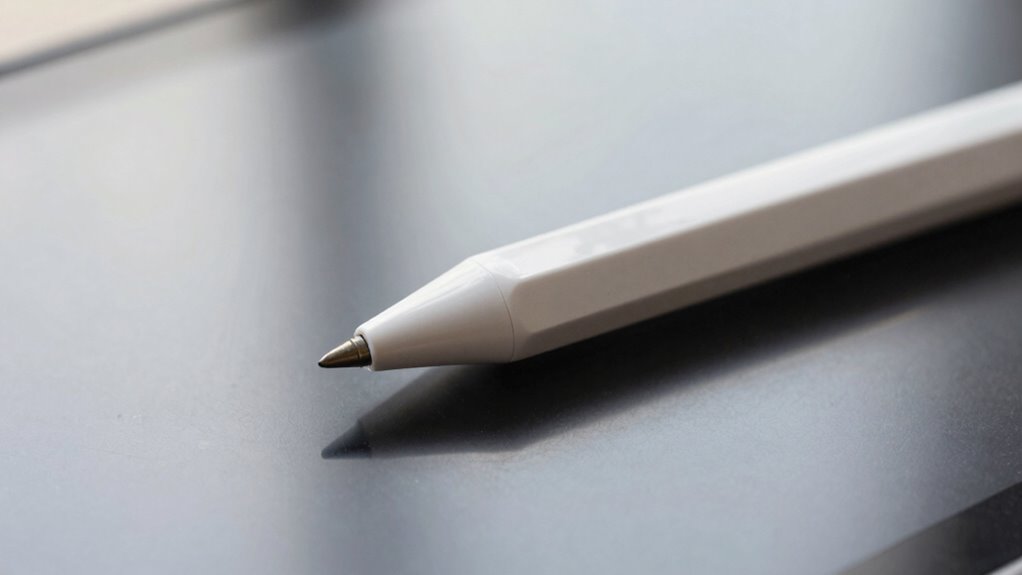
Proper maintenance is key to guaranteeing your stylus performs at its best and lasts longer. Regularly check and adjust stylus calibration to keep your device responsive and accurate. Pay attention to your pen grip ergonomics to prevent unnecessary strain and assure smooth handling, which can reduce wear. Keep your stylus clean by gently wiping the tip with a soft cloth to remove dust and debris that can degrade performance. Store your stylus in a safe, designated place to avoid accidental damage. Additionally, avoid excessive pressure during use, as this can shorten its lifespan. By maintaining proper stylus calibration, practicing good pen grip ergonomics, and handling it carefully, you extend its use and keep it functioning at its best for longer periods.
Frequently Asked Questions
Can Stylus Wear Vary Between Different Brands or Models?
Yes, stylus wear can vary between brands or models because of differences in stylus material and design. Some styluses use softer materials that wear faster, while others are more durable. Brand compatibility also affects wear, as using a stylus designed specifically for your device guarantees ideal performance and longevity. Always check manufacturer recommendations and choose high-quality options suited to your device to extend your stylus’s lifespan.
How Often Should I Calibrate My Stylus for Optimal Performance?
You should calibrate your stylus regularly, ideally every few weeks or after noticeable performance issues. Proper calibration guarantees accurate tracking and sound quality. Keep an eye on signs like skipping or distortion, which indicate it’s time for calibration or stylus replacement. For peak performance, follow your device’s guidelines on calibration frequency, and don’t wait too long—regular calibration helps maintain precision and extends your stylus’s lifespan.
Are There Specific Cleaning Techniques to Prolong Stylus Lifespan?
Did you know that improper cleaning can reduce your stylus lifespan by up to 50%? To prolong it, use proper cleaning techniques with gentle tools like a soft brush or a microfiber cloth. Avoid harsh chemicals, and never use abrasive materials. Regularly remove dust and debris, ensuring your stylus stays in top shape. Proper cleaning maintains sound quality and prevents premature wear, so treat it with care for the best performance.
How Do Environmental Factors Affect Stylus Wear and Performance?
Environmental factors like dust accumulation and temperature fluctuations directly impact your stylus’s wear and performance. Dust settles on the stylus and record, causing additional friction and faster wear. Temperature changes can cause materials to expand or contract, affecting the stylus’s precision and longevity. To protect your stylus, keep your environment clean, avoid extreme temperature swings, and store your equipment in a stable, dust-free space. This helps maintain best performance and extends its lifespan.
What Are the Best Storage Practices to Prevent Stylus Damage?
Think of your stylus like a delicate gemstone—you want to keep it safe. Proper storage means placing it in a designated case or holder, away from dust and direct sunlight. Always clean it gently with appropriate techniques before storing, preventing debris buildup. This way, you avoid unnecessary wear, just like a jewel stays brilliant with careful handling, ensuring your stylus performs ideally and lasts longer.
Conclusion
Keep a close eye on your stylus, like a gardener tending to delicate blooms. When you notice signs of wear, don’t panic—it’s simply time to nurture your device back to health or replace it. Regular maintenance and awareness will prevent small issues from blossoming into major frustrations. With attentive care, your stylus will continue to be your trusty brush, painting your creative journey with smooth, vibrant strokes that stand the test of time.