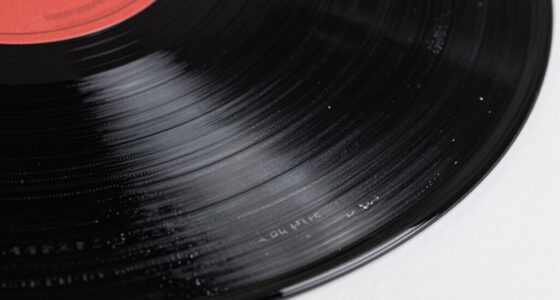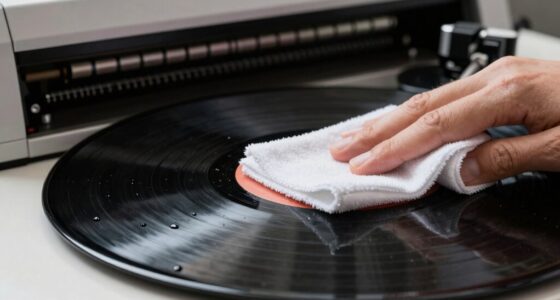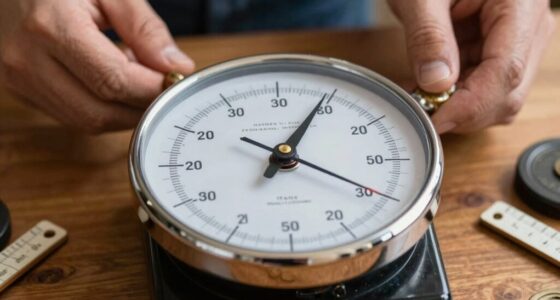

Vinyl mold begins when mold spores settle on vinyl surfaces in damp, humid environments with poor ventilation. Excess moisture, high temperatures, and material degradation encourage growth. To prevent it, store vinyl in dry, cool places, use dehumidifiers, and guarantee proper ventilation. Regular cleaning and choosing mold-resistant materials also help. If you notice fuzzy patches or odors, acting quickly is key—learn more to keep your vinyl protected and mold-free.
Key Takeaways
- Vinyl mold forms from mold spores thriving in humid, damp environments on porous vinyl surfaces.
- Signs include fuzzy patches, discoloration, musty odors, and texture changes indicating mold presence.
- Proper storage in dry, well-ventilated areas with humidity control prevents mold development.
- Using mold-resistant vinyl, maintaining optimal temperature and humidity, and gentle cleaning help avoid mold growth.
- Regular inspection and prompt remediation are essential for managing and preventing vinyl mold problems.
What Is Vinyl Mold and How Does It Form?

Vinyl mold is a type of fungal growth that appears on surfaces made of vinyl, typically in damp or humid environments. It forms when mold spores settle on the vinyl composition and find moisture to thrive on. Vinyl, often used in flooring, upholstery, and siding, provides an ideal surface because its porous nature can trap water and organic debris. Mold spores are tiny particles that float through the air, waiting for the right conditions to grow. When these spores land on wet or humid vinyl, they begin to multiply, creating mold colonies. The process is accelerated by high humidity, poor ventilation, and persistent moisture. Understanding how mold spores interact with vinyl helps you recognize the early signs of mold growth and take preventive action. Recognizing mold prevention techniques can help maintain a healthy environment and protect your vinyl surfaces from mold development.
How to Spot the First Signs of Vinyl Mold
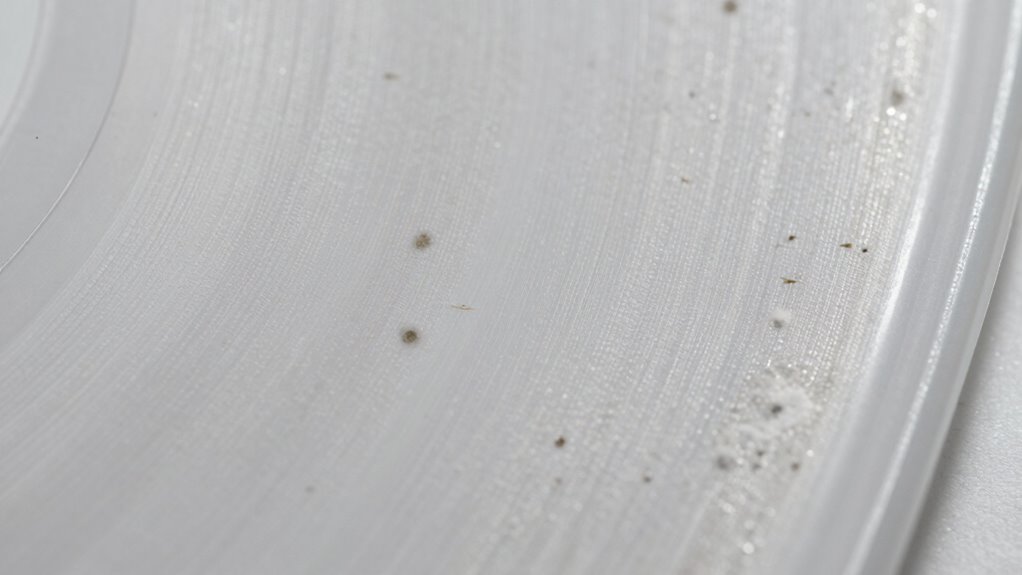
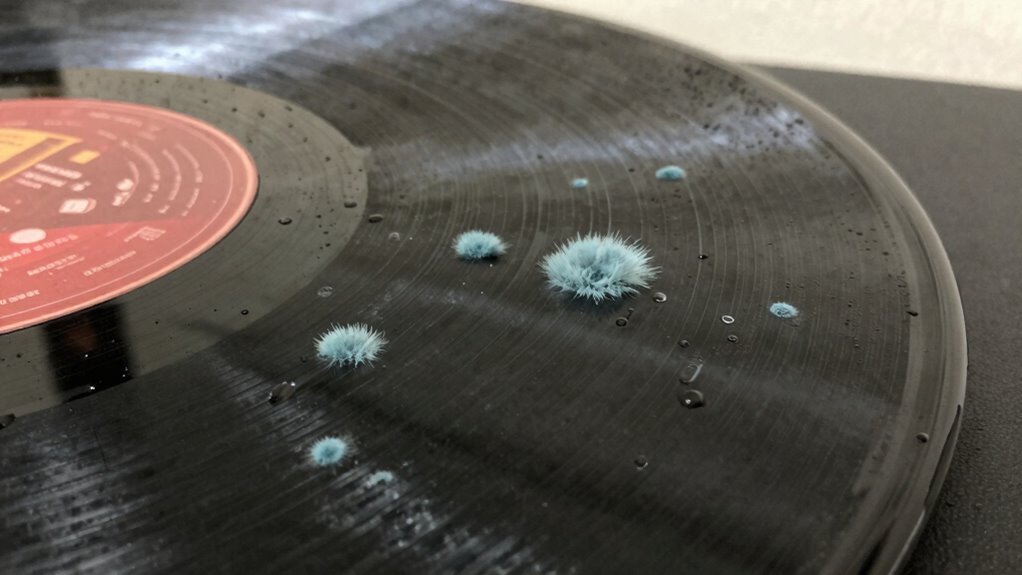
How can you tell if vinyl surfaces are developing mold? Look for surface discoloration, which often appears as fuzzy or streaky patches in shades of green, black, or gray. These color changes are early warning signs that mold may be taking hold. Additionally, pay attention to any unusual odors; a musty or earthy smell often indicates mold growth even if you can’t see it right away. Regularly inspecting vinyl surfaces in damp or poorly ventilated areas helps catch these signs early. If you notice surface discoloration or detect a persistent odor, it’s a clear sign to take action. Addressing these signs promptly can prevent mold from spreading and causing further damage or health issues. Being aware of mold indicators, such as subtle texture changes or lingering smells, is crucial in early detection.
Environmental Conditions That Promote Vinyl Mold Growth
Environmental conditions play a crucial role in promoting vinyl mold growth. High humidity levels create an ideal environment for mold spores to thrive on vinyl surfaces. Without proper humidity control, moisture accumulates, increasing the risk of mold development. Improving ventilation helps reduce indoor moisture and circulating air prevents stagnant spaces where mold can settle. To minimize mold risk, focus on these factors:
- Maintaining humidity below 60%
- Enhancing ventilation in enclosed areas
- Using dehumidifiers in damp spaces
- Ensuring proper air circulation around vinyl items
Implementing proper environmental monitoring can help detect and control conditions conducive to mold growth.
How Improper Storage Leads to Vinyl Mold Development
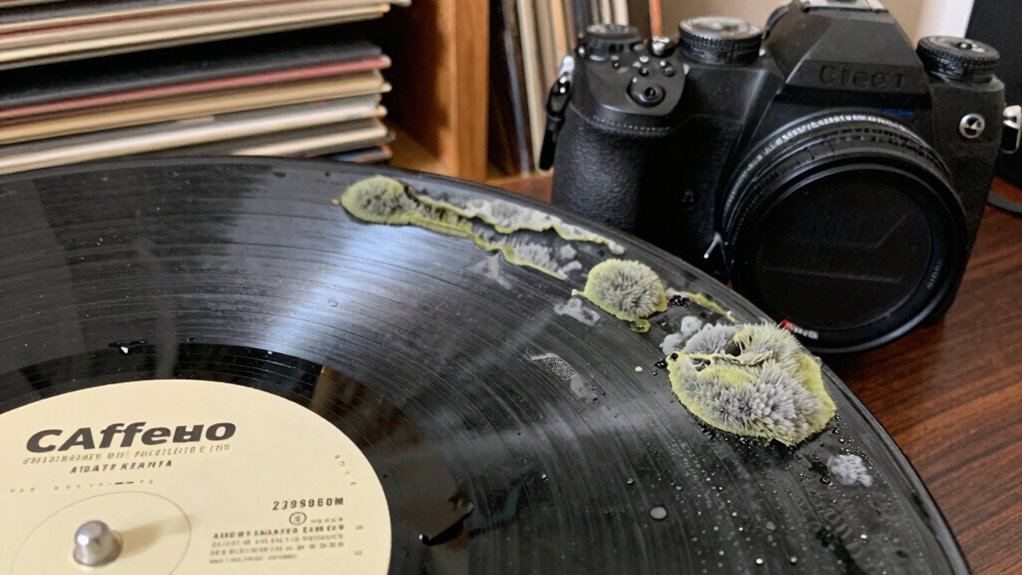
Improper storage practices can considerably increase the risk of vinyl mold development. When you don’t control moisture effectively, mold spores find the perfect environment to thrive. High storage humidity creates a damp setting that encourages mold growth on vinyl surfaces. If you store vinyl in areas prone to dampness or with fluctuating humidity levels, you’re inviting mold to take hold. Moisture can seep into packaging or accumulate around stored items, especially if they’re left in basements, attics, or poorly ventilated spaces. To prevent this, guarantee proper moisture control by maintaining consistent, low humidity levels in storage areas. Using dehumidifiers or silica gel packs can help keep storage humidity in check. Proper storage not only preserves your vinyl but also markedly reduces the risk of mold development. Additionally, smart storage solutions provide a proactive way to monitor and maintain optimal conditions for your vinyl and other sensitive materials.
Practical Tips to Prevent Vinyl Mold Before It Starts
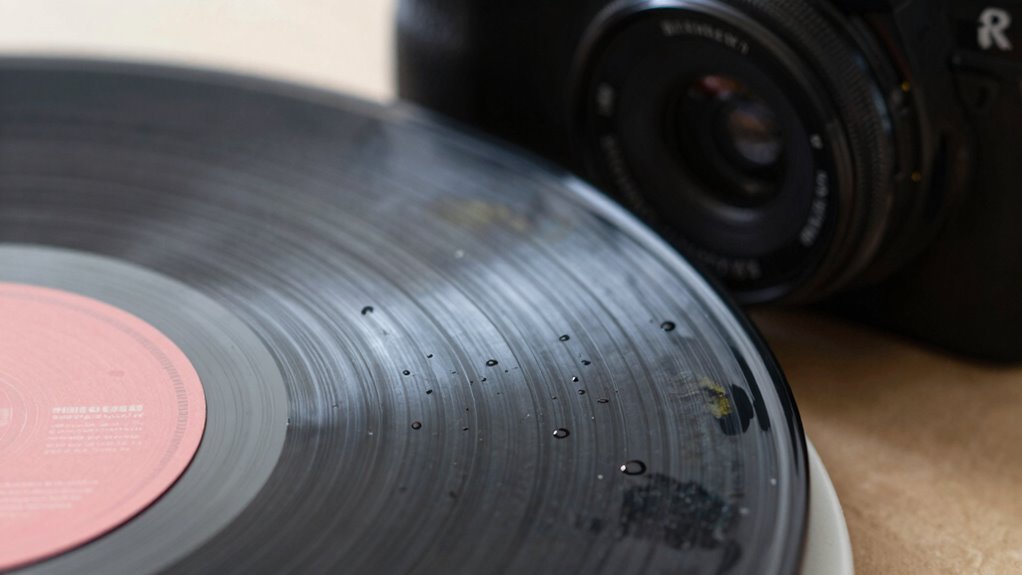
To prevent vinyl mold from forming, start by storing your vinyl items in a cool, dry place with stable humidity levels. Understanding vinyl mold causes helps you implement effective mold prevention techniques. Keep items away from damp areas and avoid exposure to excessive moisture. Use silica gel packets or dehumidifiers to control humidity. Ensure proper ventilation around stored items to reduce mold growth risk. Regularly inspect your vinyl products for early signs of mold. Clean and dry them thoroughly after use. Here are some mold prevention techniques:
Store vinyl in a cool, dry place with proper ventilation to prevent mold buildup.
- Store in breathable containers or covers
- Maintain low humidity levels
- Avoid direct contact with water
- Clean items before storage to remove residues
Paying attention to air quality in your storage environment can further inhibit mold development. Implementing these steps minimizes the chances of mold development, keeping your vinyl items clean and in good condition.
Best Practices for Cleaning and Maintaining Vinyl Items
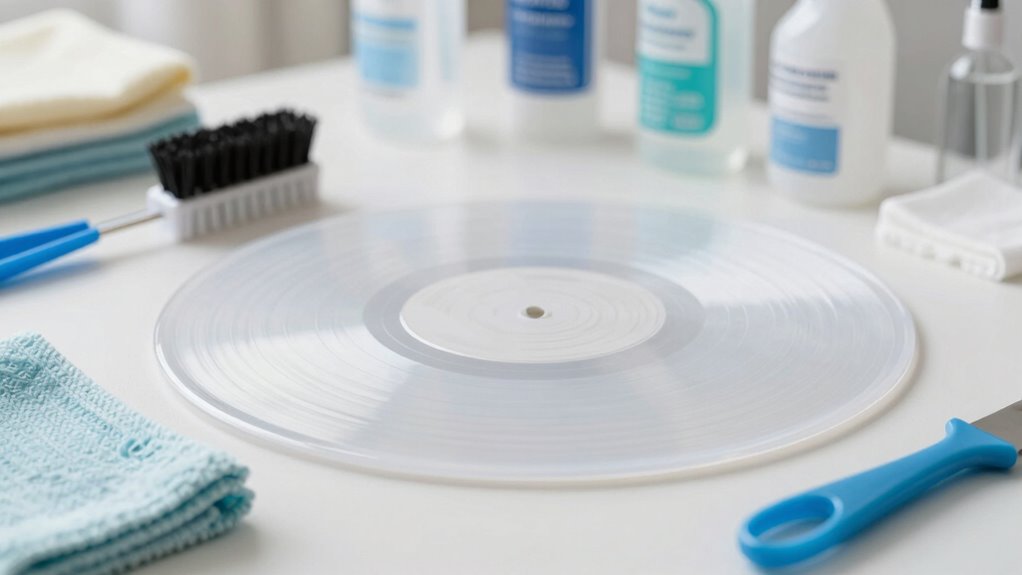
To keep your vinyl items in top shape, you should follow proper cleaning techniques that remove dirt without causing damage. Store and handle your vinyl carefully to prevent scratches and warping. Avoid common mistakes that can lead to damage, ensuring your vinyl stays clean and well-maintained over time. Additionally, understanding Free Floating concepts can help you better manage your outdoor space and prevent accidental damage to your vinyl items.
Proper Cleaning Techniques
Cleaning vinyl items regularly is essential to keep them looking their best and prevent damage. Proper cleaning techniques involve gentle methods to avoid scratches and mold growth. Guarantee good air circulation around your vinyl pieces and control humidity levels to inhibit mold development. Use soft, non-abrasive cloths or sponges to wipe surfaces, avoiding harsh chemicals that can degrade the material. When cleaning, focus on these key practices:
- Use mild soap and water for routine cleaning
- Avoid abrasive scrubbers that can scratch
- Dry thoroughly to prevent moisture buildup
- Store in a well-ventilated area with balanced humidity
- Understanding the contrast ratio of your projector can help you optimize your viewing environment for the best image quality.
Maintaining air circulation and humidity control not only prolongs the lifespan of your vinyl but also minimizes mold risks, keeping your items clean and mold-free over time.
Storage and Handling Tips
Proper storage and careful handling are essential for maintaining the quality of your vinyl items. Store them in a mold-resistant environment, preventing excess moisture that encourages vinyl mold growth. When handling, inspect for vinyl mold identification signs such as discoloration or a musty smell. Use clean, dry hands or gloves to avoid transferring dirt or moisture that can promote mold. Keep items upright or flat, avoiding stacking too tightly. Additionally, maintaining good indoor air quality can help reduce humidity levels that foster mold development. Keep items in a cool, dry place and ensure proper ventilation, and use mold resistant storage containers.
Avoiding Common Damage
Maintaining your vinyl items without causing damage requires careful attention to cleaning and handling techniques. To prevent mold and ensure longevity, always consider material compatibility when selecting cleaning products. Avoid harsh chemicals that may degrade the vinyl’s surface or cause discoloration. Focus on gentle cleaning methods to prevent scratches. Using reliable backup power for your cleaning tools can help ensure consistent results and prevent interruptions that might lead to accidental damage.
Here are best practices for avoiding damage:
- Use mild, vinyl-safe cleaners to prevent material degradation
- Wipe with a soft cloth to avoid scratches and preserve surface integrity
- Keep items dry and well-ventilated to inhibit mold growth
- Regularly inspect for signs of mold or damage and address promptly
Choosing Materials and Settings to Keep Vinyl Mold Away
To prevent vinyl mold, selecting the right materials is essential; opt for high-quality, mold-resistant vinyl whenever possible. Adjust your printing settings to reduce excess heat and moisture, which can encourage mold growth. Proper storage techniques and maintaining a dry environment can further inhibit mold development on your vinyl items. By making these smart choices, you can keep your vinyl items cleaner and mold-free longer.
Material Selection Strategies
Selecting the right materials and adjusting your settings are crucial steps in preventing vinyl mold. To achieve this, focus on choosing materials with high material durability that resist moisture and microbial growth. Additionally, consider adhesive properties that promote strong, uniform bonds, reducing gaps where mold can develop.
Key strategies include:
- Opt for vinyl with enhanced resistance to environmental factors
- Select adhesives with antimicrobial properties
- Use materials with consistent thickness for better airflow
- Adjust curing and drying settings to minimize residual moisture
Optimizing Printing Settings
Choosing the right printing settings and materials can considerably reduce the risk of vinyl mold formation. To do this, focus on maintaining proper temperature control throughout the printing process, as high heat can encourage mold growth. Keep humidity levels low, ideally between 30-50%, to prevent moisture buildup that promotes mold. Use materials that are designed for ideal print adhesion and resistance to moisture. Adjust your printer’s temperature settings to guarantee proper curing without overheating, which can create condensation. Regularly monitor environmental conditions and calibration of your equipment to avoid fluctuations that might foster mold. By carefully managing temperature control and humidity levels, you minimize the chances of mold developing on your vinyl, ensuring a cleaner, longer-lasting finish.
What to Do If You Find Vinyl Mold: Troubleshooting and When to Call Experts
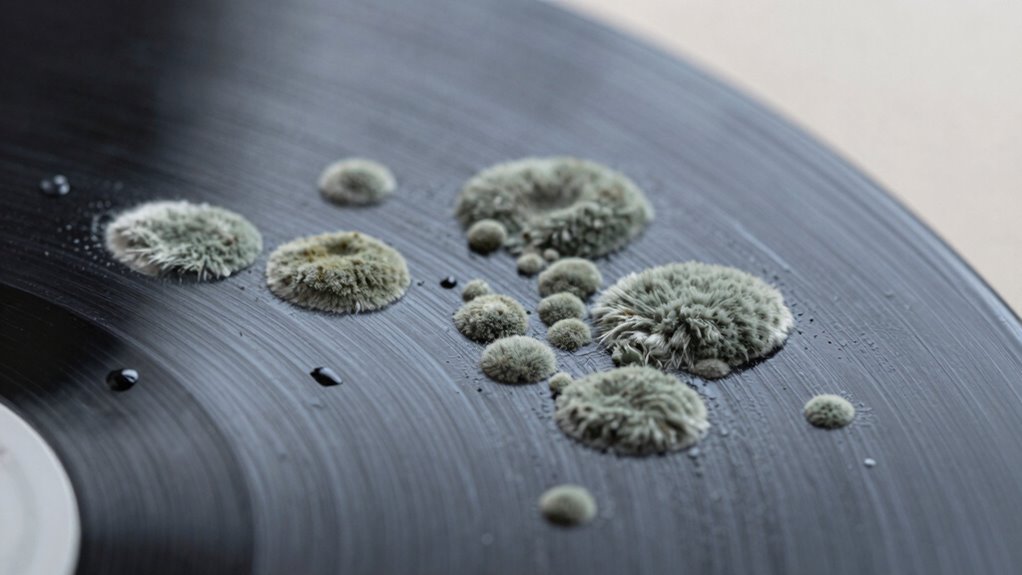
If you discover vinyl mold on your surfaces, it’s important to act quickly to prevent further damage and health risks. Fungal contamination can spread rapidly, so timely mold remediation is essential. First, wear protective gear like gloves and a mask. Then, isolate the affected area to prevent spores from dispersing. You might attempt cleaning with a solution of water and mild detergent, but if mold persists or covers a large area, it’s best to call professionals. They have the expertise to identify underlying issues and perform thorough mold remediation. Remember, mold isn’t just surface-deep—professional help ensures safe removal and reduces the risk of recurring vinyl mold problems. When in doubt, consulting with mold remediation experts is your safest bet.
Frequently Asked Questions
Can Vinyl Mold Cause Health Issues for Humans?
Vinyl mold can cause health concerns if you’re exposed to mold spores regularly. Mold exposure may lead to respiratory issues, allergies, or asthma symptoms, especially for sensitive individuals. To protect yourself, guarantee proper ventilation and address any mold growth promptly. If you notice mold on vinyl surfaces, clean it thoroughly and prevent future growth. Avoid prolonged exposure to mold to minimize potential health risks and maintain a healthier environment.
Are Some Types of Vinyl More Resistant to Mold Growth?
Some vinyl types are more resistant to mold growth because of their vinyl composition and mold resistance features. You should look for vinyl with added mold inhibitors or special coatings designed to prevent mold development. These options help reduce moisture retention and inhibit mold spores. By choosing molds-resistant vinyl, you can protect your space and ensure a healthier environment, especially in humid or damp areas prone to mold issues.
How Long Does It Typically Take for Vinyl Mold to Develop?
Research shows mold growth can appear on vinyl within 24 to 48 hours under ideal conditions. You’ll notice mold quickly if you leave vinyl exposed to moisture, which compromises its durability. To prevent this, keep your vinyl dry and well-ventilated. If you act fast, you can stop mold from establishing itself and damaging the material, ensuring your vinyl stays durable and mold-free for longer.
Does Sunlight Prevent or Promote Vinyl Mold Formation?
Sunlight exposure actually promotes vinyl mold formation rather than preventing it. UV protection is essential because direct sunlight can encourage mold growth by creating warm, humid conditions on the vinyl surface. To avoid mold, you should limit direct sunlight exposure and apply UV protection to your vinyl. This helps prevent mold spores from thriving, keeping your vinyl surfaces cleaner and mold-free for longer periods.
What Are Eco-Friendly Methods to Eliminate Vinyl Mold?
You can effectively eliminate vinyl mold with eco-friendly cleaning methods using natural mold removers. Many people worry about harsh chemicals, but natural options like vinegar, baking soda, or tea tree oil are safe and effective. These solutions break down mold without harming your environment or health. Regular use of these eco-friendly cleaning methods keeps your vinyl mold-free, making your space safer and greener without compromising on cleanliness.
Conclusion
So, congratulations—you’ve now mastered the art of avoiding vinyl mold. Ironically, the biggest threat might just be your own forgetfulness or laziness. A little care and vigilance go a long way, but if you ignore these tips, you’ll soon find mold sneaking in when you least expect it. Remember, keeping vinyl mold at bay isn’t rocket science—it’s just common sense. Or, as they say, the easiest way to get mold is to do nothing at all.