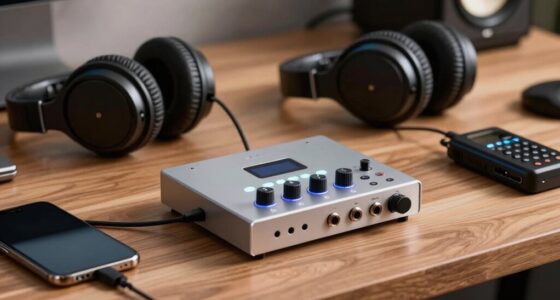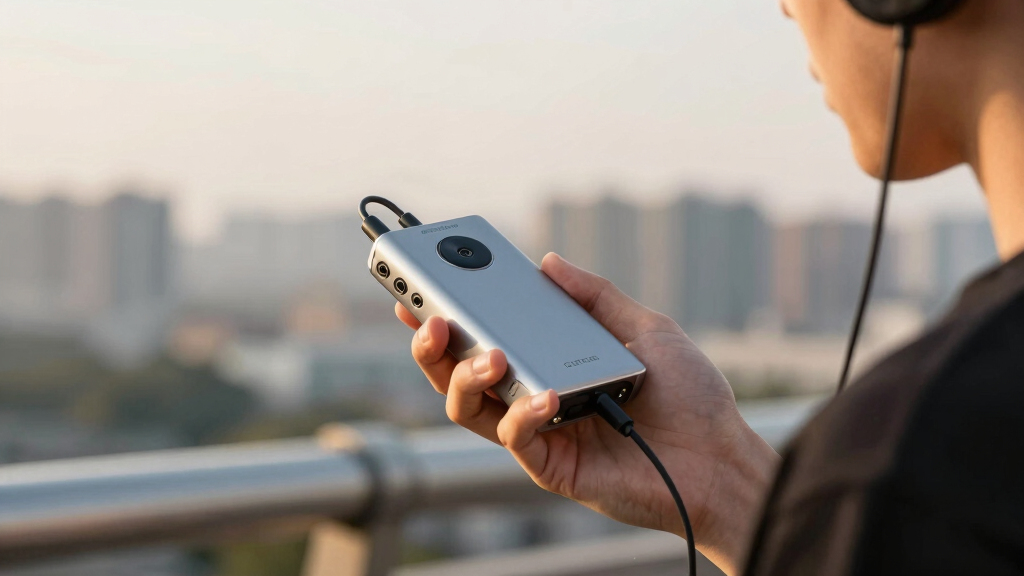

Finding the best mobile audio interface for travel means balancing portability, sound quality, and compatibility across devices. The IK Multimedia iRig Stream SOLO stands out as the overall top choice for its ease of use and versatile connectivity. For those prioritizing studio-quality sound on the move, the Focusrite Scarlett Solo 3rd Gen offers professional-grade audio in a compact package, while the PreSonus AudioBox GO provides a solid balance of features and portability. However, these options come with tradeoffs like price, feature complexity, or device compatibility. Continue reading for a detailed breakdown of each product to find what best fits your travel recording needs.
Key Takeaways
- Portability is the most critical factor, with all top picks emphasizing lightweight, compact designs.
- Compatibility across iOS, Android, and PC/Mac devices varies, influencing ease of use in different setups.
- Audio quality often correlates with price, but some budget options deliver surprisingly good sound for casual use.
- Built-in features like phantom power or multiple inputs are more common in higher-tier models, affecting versatility.
- Tradeoffs often involve sacrificing some features or increasing size for better sound or durability.
| IK Multimedia iRig Stream SOLO Audio Interface for iOS & Android Devices |  | Best Overall for Simple Streaming and Podcasting | Compatible Devices: Smartphone, Tablet | Supported Software: Android, iOS | Connectivity Technology: USB | VIEW LATEST PRICE | See Our Full Breakdown |
| Blackstar Polar Go Mobile Audio Interface with ProCapture Stereo Mics |  | Best for Versatile On-the-Go Recordings | Built-in Stereo Mics: ProCapture stereo | Inputs: XLR/instrument, dual USB-C, 3.5mm headphone | Battery Life: 6 hours | VIEW LATEST PRICE | See Our Full Breakdown |
| Tascam iXZ Microphone and Instrument Audio Interface for iOS Devices |  | Best for Compact, Pocket-Sized Recording | Compatibility: iOS devices | Connectivity Technology: USB | Number of Channels: 1 | VIEW LATEST PRICE | See Our Full Breakdown |
| M-AUDIO M-Track Solo USB Audio Interface for Recording, Streaming and Podcasting with XLR, Line and DI Inputs, Plus a Software Suite Included |  | Best for Versatile Recording and Streaming | VIEW LATEST PRICE | See Our Full Breakdown | |||
| PreSonus AudioBox GO USB-C Audio Interface for Music Production |  | Best for High-Resolution Mobile Recording | Sample Rate: up to 96 kHz | Bit Depth: 24-bit | Inputs: 1 TS, 1 XLR combo | VIEW LATEST PRICE | See Our Full Breakdown |
| Ueteto Portable Audio Interface for Guitar – Compatible with iPhone, iPad, Android Smartphones & Tablets |  | Best Compact and Plug-and-Play for On-the-Go Guitar Recording | Compatibility: iPhone, iPad, Android smartphones and tablets | Connectivity: USB-C, Lightning converter included | Recording: Internal high-quality audio recording | VIEW LATEST PRICE | See Our Full Breakdown |
| M-AUDIO M-Track Duo HD Audio Interface 24bit 192kHz for Recording, Streaming, Podcasting with USB-C, 2 XLR/TRS Inputs, Software Suite |  | Best High-Resolution Multi-Purpose Compact Interface | Resolution: 24-bit/192kHz | Inputs: 2 combo XLR/TRS | Outputs: 2 TRS | VIEW LATEST PRICE | See Our Full Breakdown |
| Focusrite Scarlett Solo 3rd Gen USB Audio Interface for Guitarists, Vocalists, Podcasters, and Producers |  | Best for High-Quality, User-Friendly Recording on the Move | Model: Scarlett Solo 3rd Gen | Connectivity: USB | Sample Rate: up to 192kHz | VIEW LATEST PRICE | See Our Full Breakdown |
| IK Multimedia iRig 2 Portable Guitar Audio Interface for iPhone and iPad |  | Best iOS-Only Guitar Interface for Practice and Live Play | Product Type: Audio MIDI Interface | Compatible Devices: iPhone, iPad, iPod touch | Input: Instrument 1/8″ TRRS | VIEW LATEST PRICE | See Our Full Breakdown |
| XSONIC Xtone Mobile Audio Interface with Ultra Low Latency and 192KHz Sampling |  | Best for Low Latency Guitar Effects and VST Integration | Sampling Rate: 192KHz | Dynamic Range: 108dB | Inputs: Pure Guitar, Expression Pedal, Foot Switch | VIEW LATEST PRICE | See Our Full Breakdown |
More Details on Our Top Picks
IK Multimedia iRig Stream SOLO Audio Interface for iOS & Android Devices
The iRig Stream SOLO stands out for its affordability and portability, making it an excellent choice for content creators who need a straightforward setup. Unlike the more versatile Blackstar Polar Go, it focuses solely on stereo input with no built-in microphones, which keeps it simple but limits recording options. Its support for live streaming with zero latency is a major advantage, especially for on-the-fly projects. However, with only 3 channels and basic features, it may fall short for advanced audio needs. The compact size and compatibility with both iOS and Android make it ideal for travelers who prioritize ease of use over extensive inputs. Still, the limited feature set means it’s better suited for beginners or casual users rather than professional studios.
Pros:- Affordable and ultra-compact design
- Supports live streaming with no latency
- Easy to connect to iOS and Android devices
Cons:- Limited to 3 channels, restricting complex setups
- Requires adapters for certain devices
- Basic feature set may not satisfy advanced users
Best for: Travelers who need a budget-friendly, portable interface for streaming and podcasting on the go.
Not ideal for: Professional musicians or podcasters requiring multiple inputs and advanced features.
- Compatible Devices:Smartphone, Tablet
- Supported Software:Android, iOS
- Connectivity Technology:USB
- Number of Channels:3
- Frequency Response:24000 Hz
- Maximum Sample Rate:24 KHz
Bottom line: This is best suited for casual content creators who value portability and simplicity over extensive connectivity.
Blackstar Polar Go Mobile Audio Interface with ProCapture Stereo Mics
The Blackstar Polar Go offers a compelling combination of built-in stereo microphones and multiple input options, making it ideal for musicians and podcasters who want all-in-one portability. Its 6-hour battery life and compatibility with platforms like GarageBand and Zoom provide flexibility for various recording scenarios. Compared to the M-AUDIO M-Track Solo, which is more streamlined for streaming and podcasting, the Polar Go brings high-quality microphones onboard, reducing the need for external gear. However, its complex interface and reliance on the Polar Go app can be daunting for beginners. This device suits those who need a portable, high-quality recording solution with minimal gear but are comfortable managing more features.
Pros:- High-quality built-in stereo microphones
- Long 6-hour battery life
- Multi-platform compatibility including iOS and Android
Cons:- May be too complex for first-time users
- Requires app setup for full functionality
- Bulkier than simpler interfaces
Best for: Musicians and content creators seeking a portable, all-in-one recording device with built-in mics.
Not ideal for: Beginners or users who prefer plug-and-play simplicity without app configuration.
- Built-in Stereo Mics:ProCapture stereo
- Inputs:XLR/instrument, dual USB-C, 3.5mm headphone
- Battery Life:6 hours
- Platform Compatibility:iOS, Android, macOS, Windows
- App Integration:GarageBand, BandLab, Zoom
Bottom line: This device is best for experienced creators who want a versatile, portable recording solution with integrated microphones.
Tascam iXZ Microphone and Instrument Audio Interface for iOS Devices
The Tascam iXZ is a highly portable option that transforms your iOS device into a basic recording setup. Its tiny footprint makes it perfect for quick recordings in any environment, especially compared to bulkier interfaces like the PreSonus AudioBox GO. While it supports microphones, guitars, and basses with phantom power, it’s limited to a single input, which constrains multi-source recordings. The need for batteries and its exclusive iOS compatibility can be drawbacks for users who want seamless, plug-and-play versatility. Still, for travelers who need a lightweight, straightforward recording device, the iXZ delivers reliable performance without extra bulk.
Pros:- Incredibly compact and lightweight
- Supports phantom power for condenser mics
- Includes headphone output for monitoring
Cons:- Limited to one input channel
- Requires batteries for operation
- Only compatible with iOS devices
Best for: Mobile musicians and journalists who need quick, pocket-sized audio capture with minimal fuss.
Not ideal for: Producers or streamers requiring multiple inputs and more advanced features.
- Compatibility:iOS devices
- Connectivity Technology:USB
- Number of Channels:1
- Maximum Sample Rate:48 KHz
- Includes:Headphone output
- Power:Batteries
Bottom line: Ideal for on-the-go recording in tight spaces, especially for iOS users who need simplicity and portability.
M-AUDIO M-Track Solo USB Audio Interface for Recording, Streaming and Podcasting with XLR, Line and DI Inputs, Plus a Software Suite Included
The M-AUDIO M-Track Solo offers a well-rounded solution for users who want to record vocals, instruments, or stream directly from their laptop or tablet. Its combination of XLR and line inputs with phantom power makes it more flexible than the simpler IK Multimedia iRig Stream SOLO. The inclusion of a software suite, including MPC Beats, enhances its appeal for creators who want to produce music on the go. Compared to the PreSonus AudioBox GO, which emphasizes professional sound quality, the M-Track Solo balances ease of use with solid features, though it might lack some high-end specs like 96 kHz recording. Its primary tradeoff is that it’s not as compact as smaller interfaces and may require a more stable setup.
Pros:- Multiple input options with phantom power
- Includes a comprehensive software bundle
- Good balance of portability and features
Cons:- Larger footprint compared to ultra-compact interfaces
- Limited to 24-bit/192kHz, which may be overkill for some
Best for: Intermediate creators who want a versatile, portable interface suitable for both streaming and music production.
Not ideal for: Travelers seeking ultra-compact gear or professional studio-level inputs.
Bottom line: This interface is perfect for creators who need flexible inputs and onboard software in a portable form factor.
PreSonus AudioBox GO USB-C Audio Interface for Music Production
The PreSonus AudioBox GO combines professional-grade sound quality with a compact, bus-powered design that caters to musicians and producers on the move. Its support for up to 96 kHz recording ensures high fidelity, surpassing many basic interfaces like the IK Multimedia iRig Stream SOLO. The inclusion of Studio One Prime DAW makes it a more complete package for music creation, though its two-input limit means users with larger setups might need more advanced gear. Compared with the M-AUDIO M-Track Solo, the AudioBox GO emphasizes high-resolution recording and professional software, but it’s slightly bulkier for travel. This makes it ideal for serious musicians who value sound quality but don’t mind a bit of extra size.
Pros:- Supports up to 96 kHz for high-resolution recording
- Includes Studio One Prime DAW software
- Bus-powered for true portability
Cons:- Limited to two inputs, restricting complex setups
- Slightly larger than ultra-compact interfaces
Best for: Musicians and producers seeking high-quality, portable recording with professional software integration.
Not ideal for: Casual users or streamers who only need basic, single-source recording.
- Sample Rate:up to 96 kHz
- Bit Depth:24-bit
- Inputs:1 TS, 1 XLR combo
- Outputs:2 TRS main, 1 TRS headphone
- Power:USB-C bus-powered
- Included Software:Studio One Prime
Bottom line: Ideal for mobile musicians who prioritize high-resolution audio and professional software in a portable package.
Ueteto Portable Audio Interface for Guitar – Compatible with iPhone, iPad, Android Smartphones & Tablets
This ultra-portable interface excels for musicians who want to record guitar directly into their devices without fuss. Its plug-and-play design makes it remarkably easy to use, especially for beginners or casual players, standing out against bulkier options like the XSONIC Xtone. While it supports high-quality internal recording and headphone monitoring, it doesn’t integrate with complex editing apps and requires OTG activation on Android, which could be a hurdle for some. Its simplicity is perfect for quick jams or practice sessions, but it’s less suitable for those needing multi-instrument setups or advanced editing capabilities.
Pros:- Plug-and-play simplicity for immediate use
- Compact size fits easily into travel gear
- Supports high-quality internal recording
Cons:- Limited app compatibility for editing or mixing
- Requires OTG setup on Android devices
Best for: Guitarists who need a simple, portable tool for quick recording on smartphones or tablets
Not ideal for: Musicians seeking multi-instrument recording or advanced editing features in a single device
- Compatibility:iPhone, iPad, Android smartphones and tablets
- Connectivity:USB-C, Lightning converter included
- Recording:Internal high-quality audio recording
- Monitoring:3.5mm headphone jack
- Power:No charging required
- Size:Portable and compact
Bottom line: This is ideal for guitarists who prioritize portability and ease over advanced editing or multi-instrument recording.
M-AUDIO M-Track Duo HD Audio Interface 24bit 192kHz for Recording, Streaming, Podcasting with USB-C, 2 XLR/TRS Inputs, Software Suite
The M-AUDIO M-Track Duo HD stands out for users who want high-quality audio support in a small, travel-friendly package. Its 24-bit/192kHz resolution surpasses many competitors like the Focusrite Solo, giving it an edge for those prioritizing clarity in recordings and streams. It offers two versatile combo inputs suitable for microphones and instruments, and its included software bundle supports creative workflows. The limited number of inputs and the need for external power for some setups are tradeoffs, but overall, this makes a strong case for content creators who need portable, high-res audio with flexible input options.
Pros:- Exceptional 24-bit/192kHz audio quality
- Compact, travel-ready design
- Includes comprehensive software bundle
Cons:- Only 2 inputs and outputs, limiting expandability
- Requires external power for some devices
Best for: Podcasters, streamers, and mobile musicians who need high-resolution audio and multiple input options
Not ideal for: Pro studio engineers requiring extensive inputs and advanced features
- Resolution:24-bit/192kHz
- Inputs:2 combo XLR/TRS
- Outputs:2 TRS
- Connectivity:USB-C
- Phantom Power:+48V switchable
- Gain:55dB preamps
- Included Software:Ableton Live Lite, Reason+, MPC Beats, Splice
Bottom line: This interface is perfect for content creators who want high-res audio and portability without sacrificing flexibility.
Focusrite Scarlett Solo 3rd Gen USB Audio Interface for Guitarists, Vocalists, Podcasters, and Producers
The Focusrite Scarlett Solo 3rd Gen offers a straightforward, professional-grade recording experience. Its high-performance preamps with Air mode deliver brighter, more present vocals and guitar, rivaling larger studio interfaces like the M-Track Duo HD. While it’s less versatile in inputs, its simple design and durable build make it suitable for travel, especially for solo artists or podcasters who need quick setup and reliable sound quality. However, its two-input limit and the need for a computer mean it’s less suited for multi-instrument sessions or standalone use, which might be a drawback for some portable studio setups.
Pros:- High-quality preamps with Air mode for brighter recordings
- Easy to operate with gain Halo metering
- Includes professional software for immediate production
Cons:- Limited to two inputs, restricting multi-instrument use
- Requires a computer, not standalone
Best for: Solo musicians, podcasters, or content creators who value ease and quality in a compact form
Not ideal for: Producers or bands needing multiple simultaneous instrument or mic inputs
- Model:Scarlett Solo 3rd Gen
- Connectivity:USB
- Sample Rate:up to 192kHz
- Bit Depth:24-bit
- Inputs:1 microphone, 1 instrument
- Outputs:2 balanced
- Software Included:Pro Tools Intro+, Ableton Live Lite, Cubase LE
Bottom line: This interface hits the sweet spot for solo artists and podcasters seeking quick, high-quality recordings while traveling.
IK Multimedia iRig 2 Portable Guitar Audio Interface for iPhone and iPad
The iRig 2 specializes in simplicity for iOS guitarists, making it ideal for quick practice, live jamming, or recording with apps like AmpliTube. Its single-channel input is a limitation compared to multi-input units like the M-Track Duo HD, but its lightweight and plug-and-play design make it perfect for musicians who primarily use iOS devices. The switch for processed or clean signals adds versatility, though the need for adapters on newer iOS models can complicate setup. This device excels where minimal setup and portability are paramount, but it’s less suited for multi-instrument recording or complex studio work.
Pros:- Easy, plug-and-play operation
- Compatible with a wide range of iOS devices
- Includes switch for processed or clean signals
Cons:- Requires adapters for newer devices with Lightning or USB-C ports
- Limited to single-channel input
Best for: iOS guitarists seeking a simple, portable interface for practice or live playing
Not ideal for: Multi-instrument users or those needing advanced recording features
- Product Type:Audio MIDI Interface
- Compatible Devices:iPhone, iPad, iPod touch
- Input:Instrument 1/8″ TRRS
- Output:1/4″ amplifier, 1/8″ headphone
- Dimensions:1.6″D x 2.9″W x 0.9″H
- Weight:3.53 ounces
- Connectivity:1/8″ TRRS, 1/4″ jack
Bottom line: This interface is perfect for iOS guitarists who want a straightforward, portable solution for practice or live use.
XSONIC Xtone Mobile Audio Interface with Ultra Low Latency and 192KHz Sampling
The XSONIC Xtone is tailored for guitarists who perform live effects or work with VST plugins on the go. Its ultra-low latency and 192KHz sampling rate deliver high fidelity and real-time responsiveness, surpassing many travel-oriented interfaces like the iRig 2 in terms of audio precision. Its multiple output ports and expression pedal input make it versatile for live performance setups, though it’s primarily designed for guitar effects and VST applications. The need for a claim code for BIAS FX and limited accessory info might be concerns for some users, but its portability and high-quality sampling make it an excellent choice for serious mobile performers.
Pros:- High-fidelity 192KHz sampling rate
- Ultra low latency for real-time effects
- Supports multiple device platforms including iOS, Windows, and Mac
Cons:- Requires a claim code for BIAS FX Essential (iOS only)
- Limited to guitar and effects applications
Best for: Musicians using guitar effects or VST plugins requiring ultra-low latency on the move
Not ideal for: Casual users or those needing multi-instrument recording without effects processing
- Sampling Rate:192KHz
- Dynamic Range:108dB
- Inputs:Pure Guitar, Expression Pedal, Foot Switch
- Outputs:3 ports
- Compatibility:iOS, Windows, Mac
- Power:Powered via connected device
Bottom line: This interface is geared toward guitarists and live performers demanding ultra-low latency and high-quality audio processing on the road.
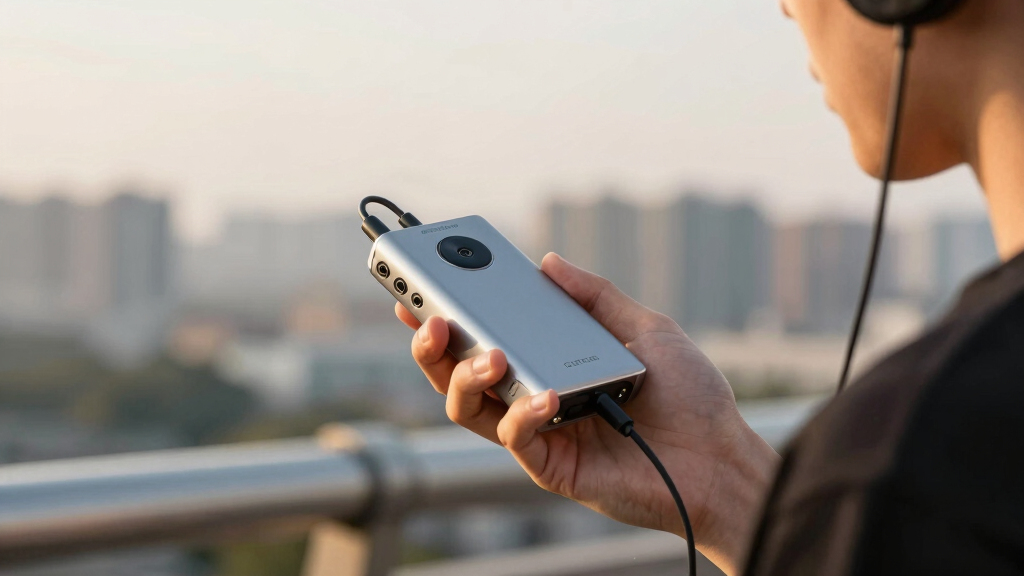
How We Picked
To determine the best mobile audio interfaces for travel, I evaluated each product based on portability, compatibility, audio quality, build durability, and ease of use. I also considered value for money, feature set, and user feedback from real-world usage scenarios. Devices that balanced high-quality sound with compact form factors and broad device compatibility ranked higher, while overly complex or bulky models were rated lower. This approach ensures that the picks serve a wide range of travel needs, from casual content creation to professional recording on the go.Factors to Consider When Choosing Best Mobile Audio Interface For Travel
Choosing the right mobile audio interface for travel involves several key considerations. Beyond just sound quality, factors like device compatibility, size, durability, and user interface play crucial roles. Understanding these aspects helps avoid common pitfalls, such as buying an interface incompatible with your device or one that’s too bulky for travel. The right choice depends on your specific needs, whether you’re recording music, podcasting, or streaming, and your budget. Here are the main factors to keep in mind:Portability and Size
When traveling, a compact and lightweight design is essential to avoid cumbersome gear. Look for interfaces that easily fit into a bag or pocket, yet still provide the necessary features. Some models sacrifice input options for size, so consider your recording needs—if you only need a mic input, a smaller device might suffice. Remember, bulkier units might offer more features but often at the cost of portability, which is critical for travel setups.
Device Compatibility
Ensure the interface supports your primary devices—whether iOS, Android, or computers. Many models include specific connectors like Lightning, USB-C, or 3.5mm, so verify compatibility before purchase. Some interfaces offer multiple ports or adapters, providing greater flexibility, but can add to size and complexity. Compatibility issues can lead to frustration or reduced functionality, so prioritize devices that explicitly support your setup.
Audio Quality
Sound quality should meet your intended use—casual streaming or professional recording. Look for interfaces with high-resolution audio sampling, such as 24-bit/192kHz, which offer clearer, more detailed sound. Budget options may cut corners here, so assess whether the tradeoff is acceptable for your purposes. Remember, a good interface improves the overall quality of your recordings, but investing more often yields noticeable benefits.
Build Quality and Durability
Travel gear endures more bumps and environmental exposure. Choose interfaces with sturdy construction, metal casings, and reliable connectors. Water and dust resistance are bonus features if you’ll be recording outdoors or in challenging environments. A durable product can save money long-term by avoiding damage and ensuring consistent performance during trips.
Additional Features and Inputs
Features like phantom power, multiple inputs, or bundled software can enhance functionality but may add size or complexity. Consider what you truly need—if you’re only recording vocals, a simple mic input might suffice. For instrument recording or multi-mic setups, more inputs and features are worthwhile. Balance your feature wishlist with portability and ease of use to avoid overcomplicating your travel gear.
Frequently Asked Questions
Will a mobile audio interface work with both iOS and Android devices?
Many modern interfaces support both iOS and Android, but it’s essential to check the product specifications. Some devices require specific connectors or adapters, like Lightning or USB-C, and compatibility can vary based on device firmware. Choosing an interface explicitly designed for cross-platform use simplifies setup and reduces compatibility issues, especially when traveling between different device ecosystems.
Is it worth investing in a higher-end interface for travel purposes?
Higher-end interfaces often offer better audio quality, more input options, and greater durability, which can be worthwhile if you prioritize professional results or plan extended trips. However, for casual use or occasional recording, budget-friendly options can deliver surprisingly good results without adding bulk. Consider how much you need the extra features or quality before spending more, especially since portability is a critical factor.
Can I use a mobile audio interface without additional software or apps?
Most interfaces are designed to work seamlessly with recording or streaming apps, but some may require driver installation or specific software to unlock full features. Many newer models are plug-and-play, especially on iOS and Android, simplifying the process. Check compatibility and whether additional software is necessary, particularly if you want to avoid complex setups while traveling.
How do I protect my mobile audio interface during travel?
To keep your device safe, store it in padded cases or sleeves and avoid exposing it to extreme temperatures or moisture. Some models come with ruggedized casings or protective covers, which are highly recommended for frequent travel. Investing in a dedicated carrying case or bag can prevent accidental damage, ensuring your gear stays functional for years to come.
Are all mobile audio interfaces compatible with streaming platforms like Twitch or YouTube?
Many interfaces work well with streaming platforms, provided they are recognized as audio input devices by your device or computer. The key is ensuring the interface is compatible with your streaming setup and that your broadcasting software supports external audio sources. Testing your setup before live sessions can help avoid technical issues on the go, especially when traveling.
Conclusion
For casual content creators or travelers who want simplicity and portability, budget-friendly options like the IK Multimedia iRig Stream SOLO or Ueteto Portable Audio Interface make excellent choices. Musicians seeking studio-quality sound on the road should lean toward the Focusrite Scarlett Solo 3rd Gen or PreSonus AudioBox GO for their superior audio fidelity and build. If you’re a professional or a serious podcaster, investing in a higher-end model with more features, like the Focusrite Scarlett Solo, provides the best long-term value. Beginners should prioritize user-friendly interfaces with plug-and-play setup, while advanced users might value multiple inputs and software options for greater flexibility during travel.