
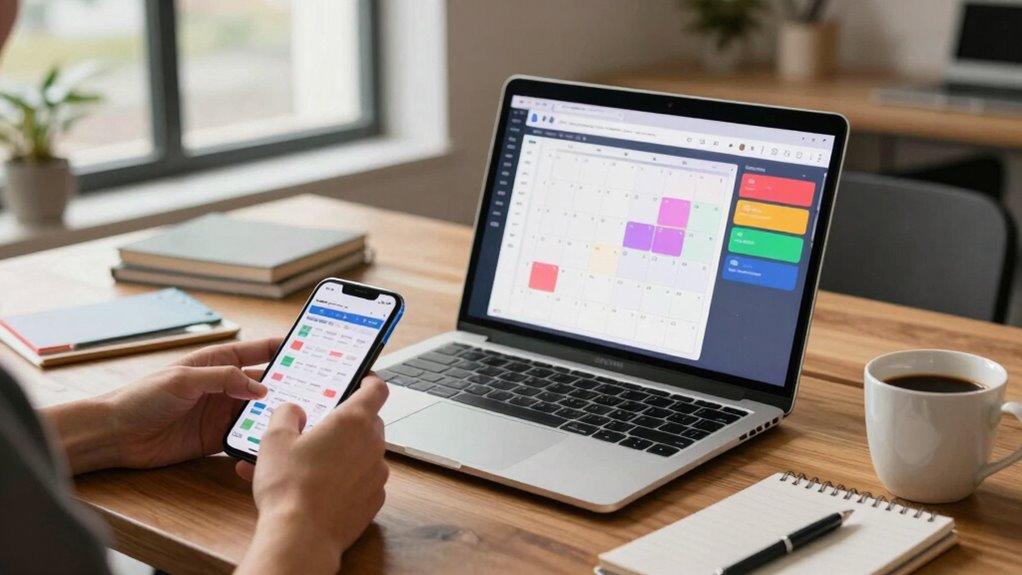

If set times feel confusing, the fastest way to build a personal schedule is to prioritize your key commitments and allocate focused blocks for each task. Use time blocking and clear boundaries to structure your day, and include flexible buffers to adapt to changes. Keep your schedule simple and regularly review it to stay aligned with your goals. By following these steps, you’ll find it easier to manage your time effectively—stay tuned to learn more.
Key Takeaways
- Prioritize essential tasks and set non-negotiable time blocks to clarify your schedule.
- Use time blocking to divide your day into focused segments, reducing confusion.
- Incorporate flexible buffers or “Free Floating” periods to adapt to unexpected delays.
- Utilize visual planning tools like calendars or apps to clearly mark set times.
- Regularly review and adjust your schedule to stay aligned with your evolving priorities.
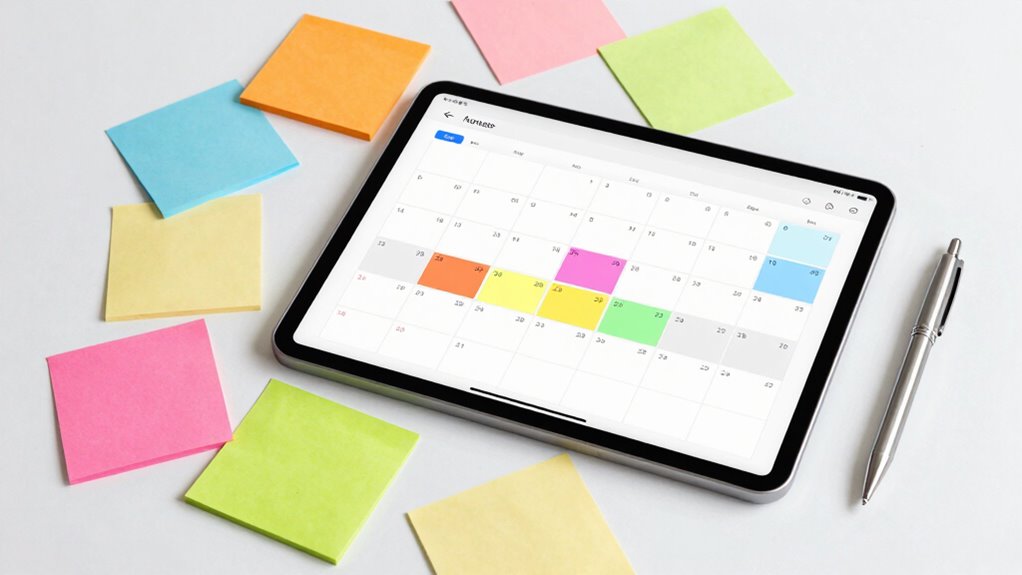
Feeling overwhelmed by confusing set times and conflicting schedules? You’re not alone. Juggling multiple commitments can make it tough to stay organized and focused. The key to overcoming this chaos is mastering effective time management and priority setting. When you understand how to allocate your time wisely, you can create a personal schedule that works for you instead of against you.
Start by identifying what matters most. Ask yourself, what are my non-negotiable commitments? These could be work deadlines, family obligations, or personal goals. Once you know your priorities, you can assign specific time slots to each. Time management isn’t just about filling your day; it’s about making sure the most important tasks get your best attention. By clearly marking these on your schedule, you avoid wasting energy on less critical activities or last-minute scramble. This approach helps you gain control over your day instead of feeling like you’re constantly reacting to outside pressures.
Next, break your day into manageable blocks. Instead of viewing your schedule as a continuous, overwhelming list, segment it into focused periods—say, 25-minute work sprints followed by five-minute breaks, or larger blocks for deep work. This technique, often called time blocking, lets you dedicate specific chunks of time to a task, reducing the tendency to multitask or stall. When you set clear boundaries around each segment, you’re more likely to stick to your plan and finish what you start. Additionally, understanding the importance of Free Floating in scheduling can help you create flexible time buffers that adapt to changing priorities without causing stress.
It’s also essential to be realistic. Don’t overcommit or underestimate how long tasks take. When you plan, leave buffer time between activities to handle unexpected delays or simply to rest. This prevents the frustration that comes with rushing or falling behind. As you develop your schedule, regularly review and adjust it. Flexibility is indispensable — sometimes priorities shift, or unforeseen events occur. By continuously refining your plan, you keep your schedule aligned with your actual needs.
Ultimately, building a personal schedule doesn’t have to be complicated. Focus on effective time management and clear priority setting. Use tools like calendars or planning apps to visualize your day. Keep your goals specific, your tasks manageable, and your expectations realistic. When you do, you’ll find that even the most confusing set times start to make sense, and your days become more productive, less stressful, and much easier to navigate.

1Mii B06Pro+ Hi-Fi Bluetooth 5.3 Audio Receiver, LDAC Hi-Res Wireless Audio Adapter for Home Stereo w/aptX HD Low Latency, LCD Display, Long Range, Volume Control, 3.5mm AUX Optical Coaxial
【Add Bluetooth to Old-fashioned Home Stereo】 1Mii B06Pro+ Bluetooth audio receiver provides a perfect upgrade solution for your...
As an affiliate, we earn on qualifying purchases.
Frequently Asked Questions
How Do I Handle Unexpected Schedule Changes?
When unexpected schedule changes happen, stay flexible by adjusting your routines quickly. Prioritize emergency planning by having backup plans for key tasks, so you can seamlessly shift your focus without stress. Keep a flexible routine that allows you to adapt easily, and communicate changes promptly to others involved. This approach keeps you in control, minimizes disruption, and helps you stay productive despite surprises.
What Tools Are Best for Personal Scheduling?
You should use digital calendars like Google Calendar or Outlook for personal scheduling. They allow you to easily implement time blocking, which helps you allocate specific periods for tasks and appointments. These tools sync across devices, send reminders, and make adjusting your schedule simple. By combining digital calendars with time blocking, you create a flexible, clear plan that adapts to unexpected changes and keeps you on track effortlessly.
How Can I Prioritize Tasks Effectively?
To prioritize tasks effectively, start with priority planning by listing everything you need to do. Use goal setting to identify what’s most important and deadlines. Break larger tasks into manageable steps, and tackle high-priority items first. Regularly review and adjust your list to stay aligned with your goals. This approach helps you focus on what matters most, ensuring you use your time efficiently and accomplish your objectives.
How Do I Balance Work and Personal Time?
Imagine your day as a balanced scale. You can keep it steady by practicing time blocking and routine planning. Dedicate specific blocks for work and personal activities, like placing weights on each side. Stick to your schedule, adjusting as needed. This way, you guarantee both areas get attention without tipping the balance, helping you enjoy work and personal time equally and effectively.
What’s the Best Way to Stick to My Schedule?
To stick to your schedule, prioritize time blocking for your tasks and set clear boundaries. Use habit tracking to monitor your progress and stay accountable. Review your schedule daily, adjusting as needed, and celebrate small wins to stay motivated. Avoid distractions during your dedicated time, and remind yourself of your goals. Consistency is key—over time, these habits will help you follow your schedule more naturally and effectively.
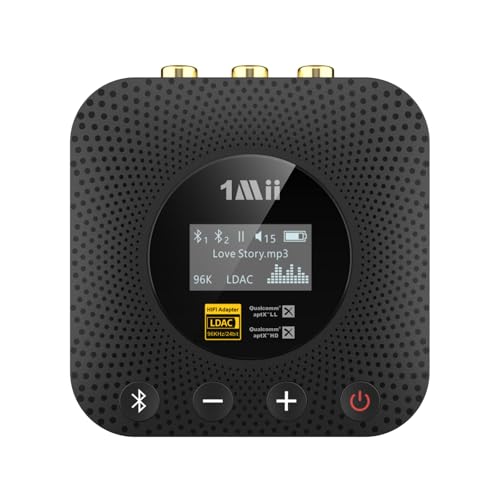
1Mii B06HD+ Hi-Res LDAC Bluetooth 5.3 Receiver for Home Stereo, Hi-Fi Bluetooth Audio Adapter w/Display, Built-in Audiophile DAC, aptX HD Low Latency, RCA Optical Coaxial for Old Stereo Receiver
[Bring New Life into Older Stereo Receivers] 1Mii B06HD+ HiFi Bluetooth Receiver adds Bluetooth to an older stereo...
As an affiliate, we earn on qualifying purchases.
Conclusion
Now you’ve got the tools to tame time troubles and transform chaos into clarity. With a simple, streamlined system, scheduling becomes swift and stress-free. Say goodbye to confusing clock cycles and hello to a harmonious, hassle-free day. By building your personal plan with purpose and precision, you’ll power through tasks with confidence. So, step up, streamline, and succeed—because a smart schedule sets the stage for your success and serenity.
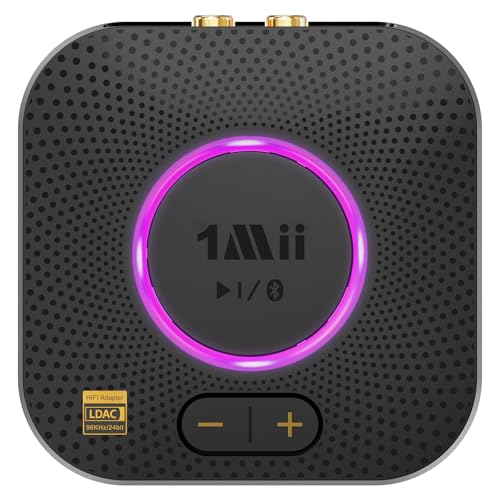
1Mii B06S+ LDAC Bluetooth 5.2 Receiver for Home Stereo Hi-Res Music Streaming, Hi-Fi Wireless Audio Adapter w/aptX HD Low Latency, Long Range Bluetooth Audio Receiver Volume Control, RCA/3.5mm Outputs
【MAKE YOUR VINTAGE STEREO SYSTEM WIRELESS】Install this 1Mii B06S+ Bluetooth receiver to a non-bluetooth stereo receiver, stream audio...
As an affiliate, we earn on qualifying purchases.
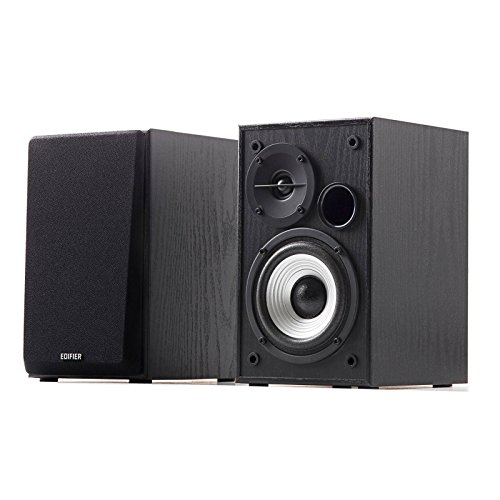
Edifier R980T 4" Active Bookshelf Speakers - 2.0 Computer Speaker - Powered Studio Monitor (Pair)
24 WATTS RMS POWER OUTPUT - Active bookshelf speaker system with 24W total power output with calibrated, flared...
As an affiliate, we earn on qualifying purchases.