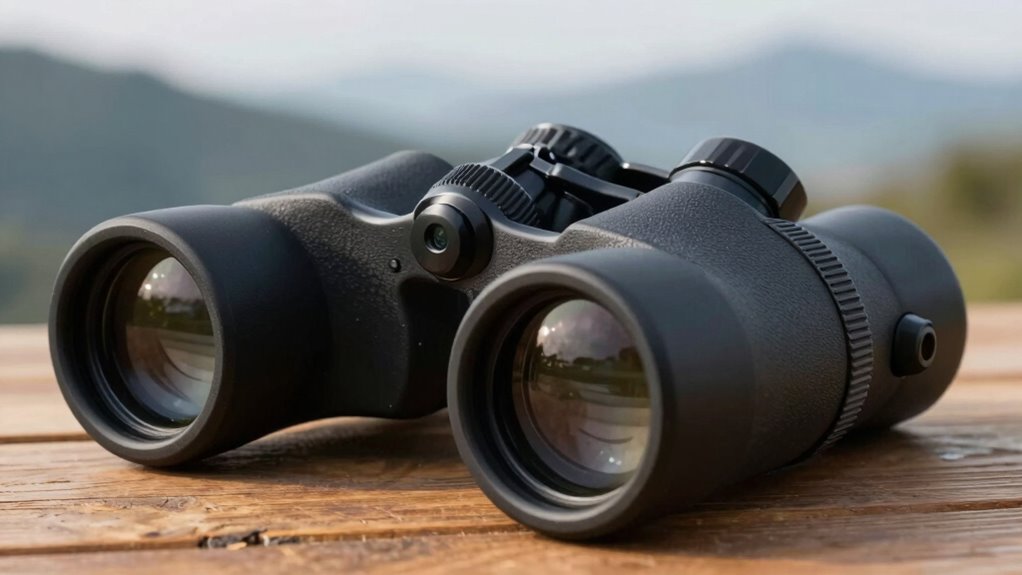

When choosing image-stabilized binoculars, focus on specs like stabilization technology type, battery life, and optical quality, which directly affect performance. Features like lens size and coatings impact image clarity and brightness, while field of view and eye relief influence comfort. Durability and waterproofing ensure toughness in outdoor use. Don’t get caught up in less important specs; understanding the key features will help you pick the right pair. Keep exploring to uncover more tips for choosing the best binoculars for you.
Key Takeaways
- Prioritize stabilization technology type (gyroscopic or electronic) as it directly impacts image steadiness and user experience.
- Consider lens quality and objective size to ensure brightness, clarity, and suitability for low-light conditions.
- Check eye relief and field of view to enhance comfort and ease of tracking moving objects during extended use.
- Evaluate battery life, power source, and management features for reliable performance in outdoor activities.
- Focus on durability features like waterproofing and fog resistance to ensure longevity in demanding environments.
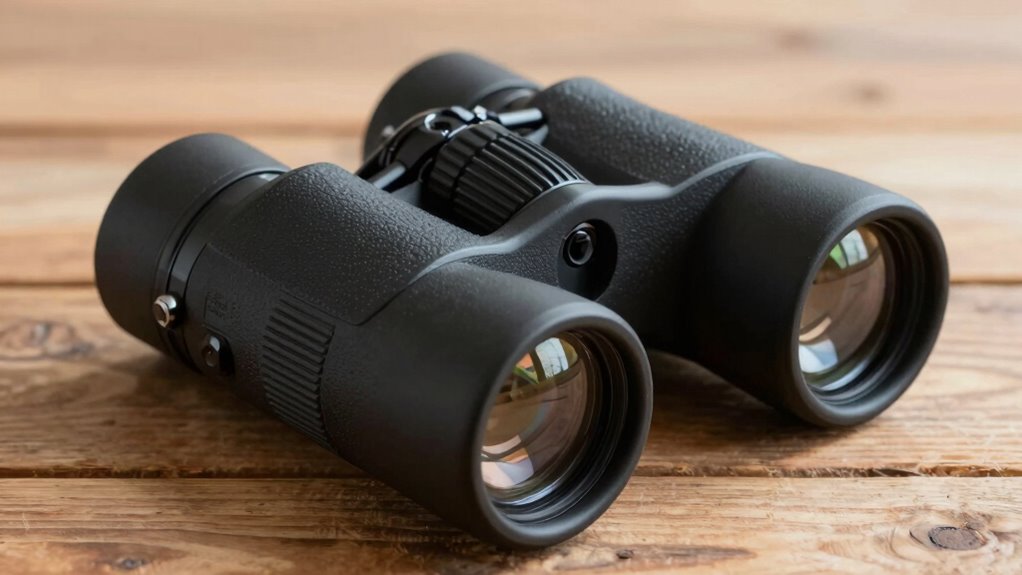
Have you ever struggled to get a clear view through traditional binoculars, especially at high magnifications or during shaky conditions? If so, you’ll appreciate how image-stabilized binoculars can transform your viewing experience. The key feature that sets these binoculars apart is image stabilization, which actively reduces the effects of hand movement, vibrations, and instability. This technology ensures your view remains steady, sharp, and comfortable, even when your hands are unsteady or when you’re observing from a moving vehicle or boat.
When you’re choosing binoculars, it’s important to understand the binocular features that contribute to image stabilization. Most models incorporate built-in gyroscopic or electronic stabilization mechanisms. These systems detect tiny movements and automatically counteract them, maintaining a stable image. The result is a smoother, more natural viewing experience without the need for a tripod or steadying device. This is particularly beneficial at high magnifications, where even minor tremors can cause significant image shake, making it difficult to see details clearly.
Most image-stabilized binoculars feature gyroscopic or electronic stabilization to keep images steady.
In addition to image stabilization, other binocular features play a role in overall performance. For example, lens quality and coating determine how well the binoculars transmit light and produce bright, clear images. Larger objective lenses gather more light, which enhances visibility in low-light conditions like dawn or dusk. Eye relief, or the distance you can hold your eyes from the lenses while still seeing the entire field of view, is also an important feature, especially for eyeglass wearers. A wide field of view makes tracking moving objects easier, which is handy for birdwatching or sports events.
Battery life is another aspect to consider. Since image stabilization requires power, many binoculars are powered by batteries, which means you’ll want to check how long they last and whether they’re easily replaceable. Some models incorporate rechargeable batteries or have power-saving modes to extend usage. Also, consider the binoculars’ durability—waterproofing, fog resistance, and rugged construction ensure they withstand harsh outdoor conditions, so your investment lasts longer. Additionally, understanding the importance of optical quality**** can help you choose binoculars that provide the best clarity and brightness for your specific needs.
In the end, understanding which binocular features genuinely improve your viewing experience helps you make an informed decision. Focus on the image stabilization system, optical quality, field of view, and durability. These are the specs that truly matter for clear, steady, and enjoyable observations. Ignore bells and whistles that don’t serve your specific needs, and you’ll find the perfect pair to elevate your outdoor adventures.
Amazon Product B00378KMF0
As an affiliate, we earn on qualifying purchases.
Frequently Asked Questions
How Do Image-Stabilized Binoculars Compare in Weight to Traditional Models?
You’ll find that image-stabilized binoculars tend to be slightly heavier than traditional models due to their advanced stabilization mechanisms. However, manufacturers often incorporate ergonomic design features to offset this added weight, making them comfortable to hold and use for extended periods. While the weight comparison varies by model, investing in ergonomic design guarantees you won’t sacrifice comfort, even with the extra weight of image stabilization technology.
What Is the Typical Battery Life for Stabilized Binoculars?
Think of your binoculars’ battery life as the heartbeat of your viewing experience. Typically, stabilized binoculars offer around 8 to 20 hours of battery longevity, depending on power consumption and usage patterns. High-tech features may drain batteries faster, so consider models with efficient power use. You’ll want a reliable power source to keep your focus sharp, whether you’re birdwatching or exploring distant landscapes.
Are Image-Stabilized Binoculars Suitable for Low-Light Conditions?
Yes, image-stabilized binoculars can be suitable for low-light conditions, especially if they have good low-light performance features like high-quality lenses and larger objective diameters. Some models also include night vision capabilities, enhancing visibility in darkness. Keep in mind that stabilization helps reduce shake, but for ideal low-light viewing, look for binoculars specifically designed with enhanced light-gathering ability and night vision features.
How Durable Are These Binoculars in Harsh Weather?
You bet these binoculars can handle rough weather—they’re built tough as nails. With a rugged design and high weather resistance, they’re ready to face rain, wind, or snow without missing a beat. While no gear is indestructible, these binoculars are designed to withstand the elements, so you won’t have to worry about them giving up on you during your outdoor adventures. They’re a reliable partner, come rain or shine.
What Maintenance Is Required for Optimal Performance?
To keep your binoculars performing their best, you should regularly clean the lenses with a soft, damp cloth to prevent dust buildup. Check the battery and replace it as needed to guarantee the image stabilization stays effective. Additionally, store them in a protective case when not in use, and avoid exposing them to extreme temperatures or moisture. Proper maintenance extends their lifespan and keeps your viewing experience clear and steady.
Amazon Product B000NJDO4M
As an affiliate, we earn on qualifying purchases.
Conclusion
Think of image-stabilized binoculars as your steady compass on a turbulent sea. By focusing on the specs that truly matter, you can navigate effortlessly through any viewing situation. Don’t get lost in the technical fog—embrace the features that enhance your experience. With the right specs, these binoculars become your trusted lighthouse, guiding your vision with clarity and confidence, no matter how rough the waters get.

Polk Audio Atrium 4 Outdoor Speakers with Powerful Bass (Pair, White), All-Weather Durability, Broad Sound Coverage, Speed-Lock Mounting System
ALL WEATHER CERTIFICATION - The speaker for all seasons. With rugged durability and premium build, these outdoor wired...
As an affiliate, we earn on qualifying purchases.
Amazon Product B0DJXZ3T1D
As an affiliate, we earn on qualifying purchases.