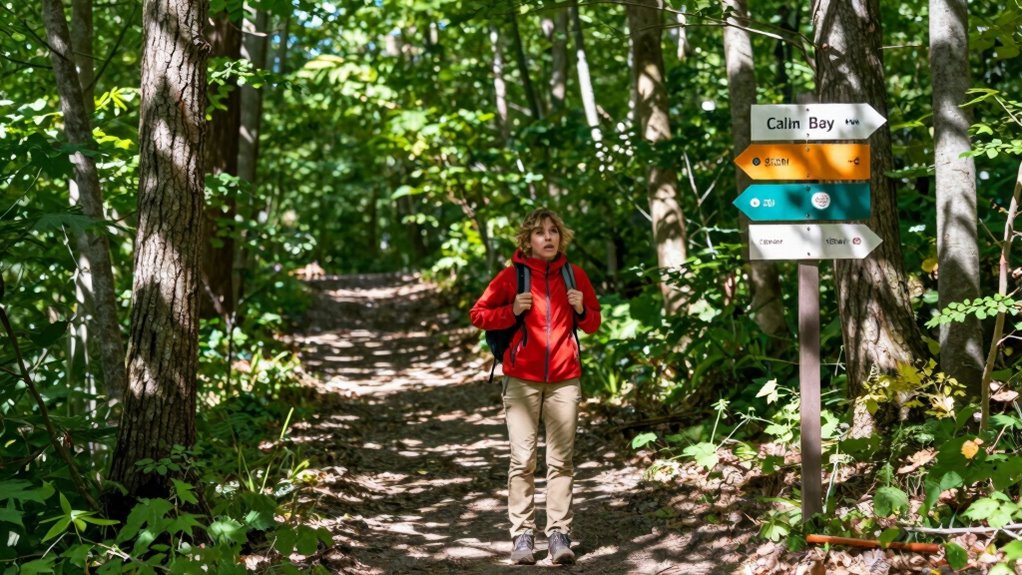

If you get separated from your group, stay calm, take deep breaths, and assess your surroundings for landmarks or safe spots. Use your phone to contact your group, emergency services, or look for help nearby. Find a visible, safe location where you can wait or make yourself easy to spot. Signal for help if needed using bright objects or sounds. By following these steps, you’ll increase your chances of reuniting quickly—you’ll discover more effective strategies to stay safe.
Key Takeaways
- Stay calm, assess your surroundings, and identify landmarks or safe spots to help others find you.
- Use your phone to contact group members or emergency services, sharing your location and description clearly.
- Locate a visible, safe place to wait, avoiding unsafe areas, and keep communication devices accessible.
- Signal for help with visual or auditory signals like waving, whistles, or reflective surfaces if you can’t reach others.
- Remember key details about your group, landmarks, and environment to facilitate quick reunification and assistance.

SHvivik Emergency Whistle, 2PCS Premium Safety Survival Whistles with Lanyard Keychain, High Pitch Double Tubes for Outdoor Hiking Camping Hunting Fishing Boating
Super Loud: double-tube whistle is extremely loud and easy to blow. Sound power provides up to 120 decibels,…
As an affiliate, we earn on qualifying purchases.
As an affiliate, we earn on qualifying purchases.
Why Do People Get Separated, and How Can You Prevent It?
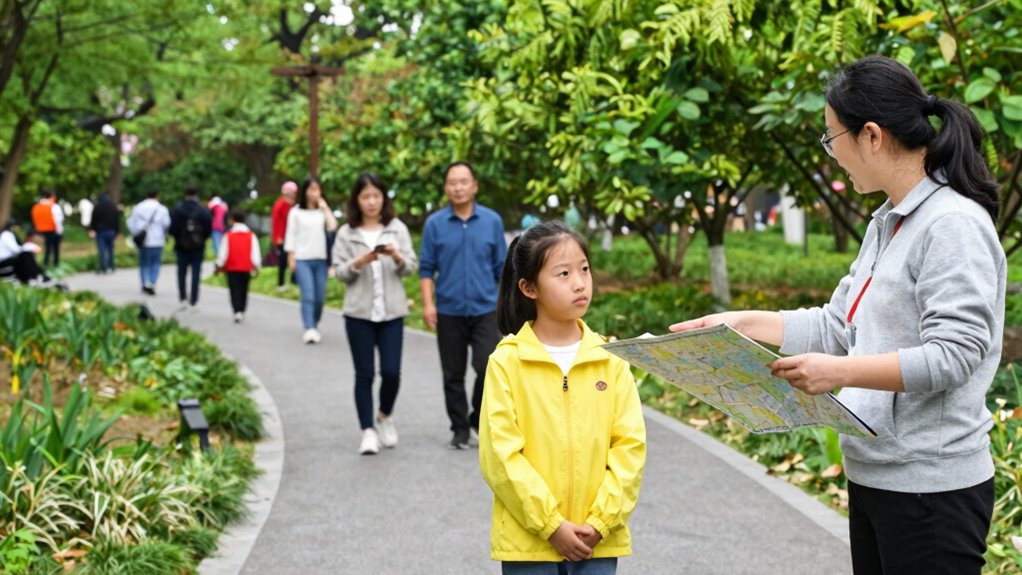
Have you ever wondered why people often get separated from their groups during outings? It mainly comes down to group dynamics and communication strategies. When groups aren’t clear about plans or don’t maintain open communication, confusion quickly arises. Distractions, like busy environments or unfamiliar places, can also cause people to drift apart. To prevent this, establish clear roles within your group, like a leader or a designated communicator. Use simple signals or check-ins to stay connected. Make sure everyone understands the meeting points and the schedule. Staying attentive to your surroundings and encouraging open dialogue helps keep everyone together. Good communication strategies aren’t just helpful—they’re essential to preventing separation and ensuring everyone stays safe and connected during your outing. Incorporating coaching and mentoring dynamics can also improve group cohesion and responsiveness in challenging situations.

ASIPHITU Reflective Safety Vest for Men Women High Visibility Construction Work Vest with Pockets and zipper front Hi Vis Security Vest with Reflective Strips Meets ANSI/ISEA Standard (AP1-Yellow-L)
BREATHABLE MESH: The reflective safety vest is made in 100.00% polyester mesh material. Hi vis safety vest is…
As an affiliate, we earn on qualifying purchases.
As an affiliate, we earn on qualifying purchases.
How to Stay Calm and Think Clearly When You’re Alone

When you’re alone, it’s important to stay calm so you can think clearly. Take deep breaths to reduce panic, then quickly assess your surroundings to find safe options. Remember to stay visible and make yourself easy to locate, ensuring your safety until help arrives. Understanding the importance of contrast ratio and how it affects visibility can help you identify the safest spots in your environment.
Take Deep Breaths
If you find yourself alone after getting separated from your group, taking deep breaths can help you stay calm and think clearly. This simple step is essential for stress management and helps prevent panic. Focus on controlling your breathing to steady your nerves. Try these techniques:
- Inhale slowly through your nose for a count of four.
- Hold your breath briefly for a count of four.
- Exhale slowly through your mouth for a count of four.
- Repeat the cycle until you feel more composed.
Practicing breathing exercises like this can reduce anxiety and clear your mind, making it easier to decide your next move. Staying calm is imperative for making sound decisions and keeping yourself safe. Incorporating deep breathing techniques can also promote a sense of relaxation and help you regain your focus more quickly.
Assess Your Surroundings
Taking a moment to assess your surroundings helps you regain control and make better decisions. Look around carefully, noting landmarks or distinctive features to help with navigation tips later. Check for any nearby exits, safe spots, or crowded areas where others can assist you. Keep your emergency kit accessible; it may contain essentials like a flashlight, whistle, or phone charger. Stay calm and avoid panicking, as clear thinking is vital in unfamiliar settings. Identify potential hazards such as traffic or uneven terrain. If you have a map or GPS device, use it to determine your location and plan your next move. Remember, staying aware of your surroundings increases your chances of finding help or reconnecting with your group quickly. Situational awareness is a key factor in staying safe when alone in an unfamiliar area.
Stay Visible and Safe
Staying visible and maintaining your composure are key to staying safe when you’re alone. When you’re separated, use visibility tactics to signal you’re not a threat and to attract help. Keep calm so you can think clearly and make smart decisions. Here are four ways to stay safe and visible:
- Use bright clothing or reflective items to increase visibility.
- Move to an open area where you’re less hidden and easier to spot.
- Call out loudly or use a whistle to alert others nearby.
- Keep your phone accessible and share your location with someone you trust.
These group safety tips help you maintain visibility and control, making it easier for others to find you and ensuring you stay safe until reunited with your group.
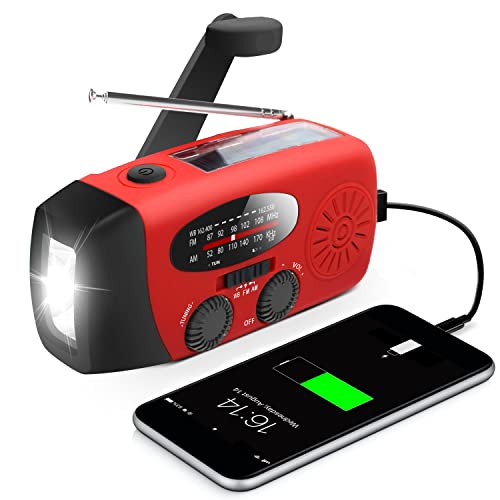
RunningSnail Emergency Hand Crank Radio With LED Flashlight For Emergency, AM/FM NOAA Portable Weather Radio With 2000mAh Power Bank Phone Charger, USB Charged & Solar Power For Camping, Emergency
【HOME & OUTDOOR NECESSARY】As reported, we used to experience several times natural disasters per year like hurricanes"Harvey", Wildfire,…
As an affiliate, we earn on qualifying purchases.
As an affiliate, we earn on qualifying purchases.
Find a Safe Spot Nearby to Reassess and Plan Your Next Moves

First, look for a recognizable landmark nearby to help you identify your location. Then, choose a safe spot where you can stay put and avoid potential dangers. Stay calm and wait for your group to find you or for help to arrive. Remember to keep your situational awareness high, so you can notice any changes in your surroundings.
Find a Recognizable Landmark
Finding a recognizable landmark nearby can be a lifesaver when you’re separated from your group. It helps you stay oriented and makes navigation tips easier. To identify a good landmark, look for distinctive features like a tall building, a unique tree, or a monument. Remember, landmark recognition is key to figuring out your location and planning your next move. Recognizing lifestyle products can also help you identify familiar or useful items in your surroundings. Here are some quick tips:
- Scan your surroundings for prominent structures or natural features.
- Use your phone to compare landmarks with maps or photos.
- Observe signs, flags, or other markers for identification.
- Keep track of your position relative to the landmark to avoid confusion.
Finding a familiar landmark simplifies navigation and helps you regain your bearings quickly.
Choose a Safe Spot
When you’re separated from your group, it’s essential to find a safe spot nearby where you can pause and reassess your situation. Look for a place that offers visibility and protection, like behind a large structure or a cluster of trees. Once there, use your communication strategies to stay connected—call or text your group if possible, and signal with your emergency gear, such as whistles or reflective objects. Avoid wandering further or hiding in unsafe areas. Keep calm and focus on your surroundings, noting landmarks and potential escape routes. Staying in a safe spot allows you to gather your thoughts, conserve energy, and plan your next move effectively. Prioritize your safety while maintaining communication, so your group can locate you more easily. Remember, staying calm and collected helps you manage stress and make better decisions in critical moments.
Stay Calm and Wait
Staying calm and waiting is crucial when you’re separated from your group because panicking can make it harder to think clearly and act effectively. Find a safe spot nearby where you can stay visible and secure. Use this time to reassess your situation and plan your next moves. Remember, clear group communication is key once you reconnect. Keep your emergency supplies handy in case you need them.
Here are four steps to help you stay focused:
- Remain in your safe spot until you see or hear your group.
- Avoid wandering or making loud noises that could cause confusion.
- Keep your emergency supplies accessible in case of an emergency.
- Stay alert for signals or calls from your group to re-establish contact.

Mini First Aid Kit – 150 Piece Small Waterproof Hard Shell Medical Kit for Home, Car, Travel, Camping, Truck, Hiking, Sports, Office, Vehicle & Outdoor Emergencies- Small First Aid Medical Kit (Red)
ESSENTIALS FOR EMERGENCY: Everything you need is in this first aid kit! Our kit includes over 150 professional-grade…
As an affiliate, we earn on qualifying purchases.
As an affiliate, we earn on qualifying purchases.
How to Use Your Phone to Contact Your Group or Emergency Services
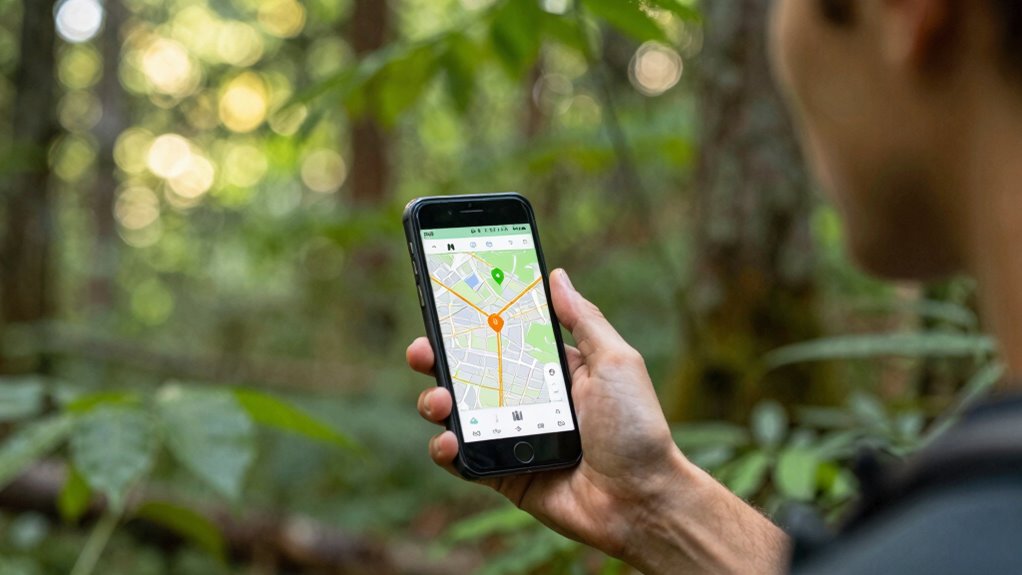
Your phone can be a vital tool for reuniting with your group or calling for help, so it’s important to know how to use it effectively. First, make certain your phone is charged and within reach. Practice phone safety by avoiding distractions and keeping your device secure. If you’re separated, try calling or texting your emergency contacts first—these should be people who can assist or alert others. Use your phone’s messaging app for quick updates if voice calls aren’t answered. If you need help right away, dial emergency services and clearly state your location. Keep your phone on loud or vibrate so you don’t miss important notifications. Remember, staying calm and using your phone wisely can make all the difference in reuniting with your group or getting help fast. Additionally, being aware of your device’s connection to European cloud servers can help ensure your data remains secure and accessible during emergencies.
Where to Find Help : Designated Meeting Spots and Staff Members

Knowing where to go if you get separated from your group can make all the difference in reuniting quickly. Look for designated meeting spots, which are prearranged locations everyone knows. These spots are often marked with signs or maps, making them easy to find. When you’re lost, seek out staff members—they’re trained to help and can direct you back to your group. Keep these key points in mind:
Find designated meeting spots and ask staff for help if you get lost.
- Remember the designated meeting spot before splitting up.
- Approach staff members for assistance.
- Stay visible and stay put if you’re unsure where to go.
- Use signage or maps to locate the meeting point.
- Be aware of official registration with authorities to ensure your safety during events.
Sticking to these steps helps guarantee you find help fast and get back with your group safely.
How to Share Your Location and Describe Yourself to Rescuers or Passersby
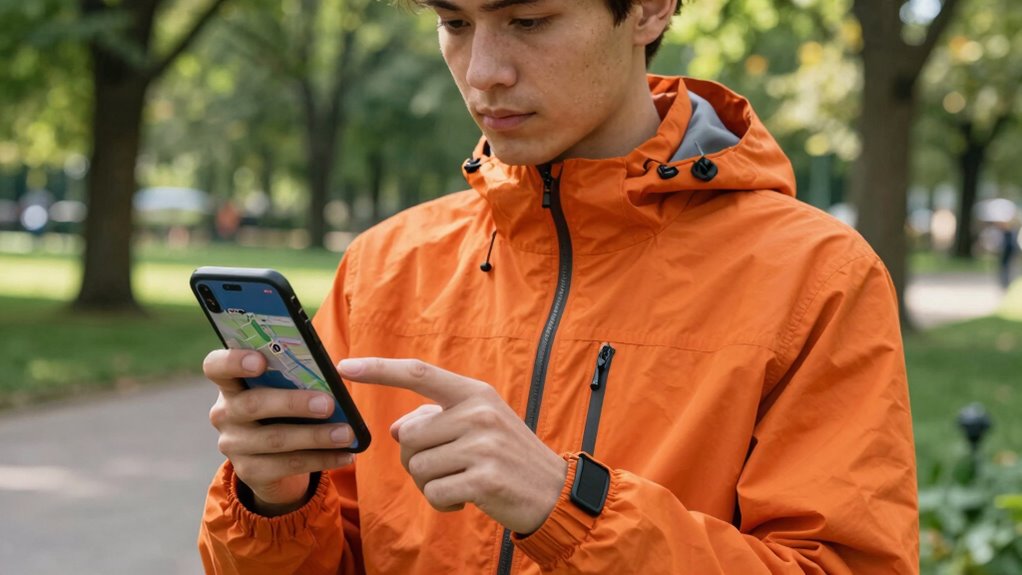
If you find yourself needing help, clearly sharing your location and describing yourself can make a big difference. When approaching rescuers or passersby, confidently state your whereabouts and give a brief description of yourself. This helps them locate you faster. Use simple language and point out notable landmarks or nearby features. Here’s a quick guide to assist you:
| Sharing Location | Describing Oneself |
|---|---|
| Mention nearby landmarks, cross streets, or distinctive features | Describe height, hair color, clothing, and any identifiable marks |
| Use clear, specific terms | Keep your description brief and accurate |
| Stay calm and make eye contact | Speak loudly and confidently |
Sharing your location and describing yourself accurately increases your chances of quick rescue. Remember, effective communication can be crucial in home improvement or emergency situations.
What to Do If You Can’t Reach Your Group : Signal for Help
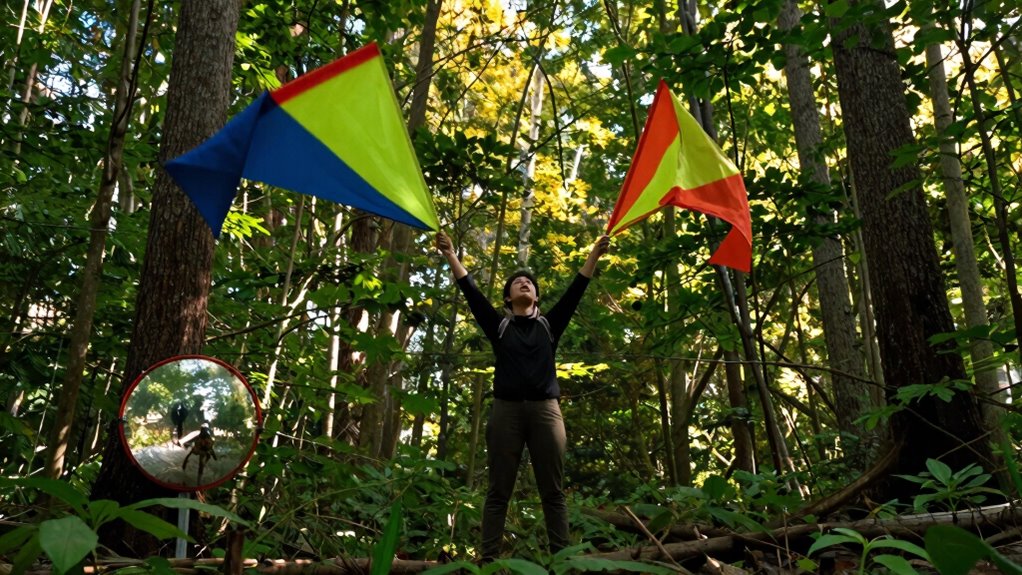
If you can’t reach your group, it’s vital to use clear signals to attract attention. Recognizable signals like waving, flashing a flashlight, or using a whistle can quickly alert others to your location. Calling for assistance with loud, deliberate sounds ensures help can find you faster.
Use Recognizable Signals
When you can’t reach your group, using recognizable signals can make all the difference in attracting attention. Clear communication methods help others notice you quickly. Use these recognizable signals to stand out:
- Wave a bright cloth or flashlight above your head.
- Use a whistle or shout with a distinct, repeated sound.
- Create large, visible gestures like waving both arms.
- Use reflective surfaces or mirrors to catch sunlight.
These communication methods assure your signals are easily identifiable from a distance. Make sure your signals are simple, consistent, and repeated if necessary. Avoid confusing gestures or sounds that could be misunderstood. Recognizable signals increase your chances of being seen or heard, helping rescuers or group members locate you faster and ensuring your safety until help arrives.
Call for Assistance
Struggling to get your group’s attention can be stressful, but knowing how to call for help effectively can make all the difference. Using clear communication strategies is essential when you can’t reach your group. Shout loudly, wave your arms, or use a whistle if you have one to signal distress. If you have a cell phone, call your emergency contacts or local authorities immediately, providing your location and situation. If phone service is unavailable, look for designated help points or nearby people who can assist. Remember, staying calm helps you communicate more clearly. Keep your phone charged and accessible, and familiarize yourself with emergency contact numbers before heading out. Being prepared ensures you can seek help quickly and increase your chances of being safely reunited with your group.
Remember Key Details About Your Group and Surroundings to Reunite Quickly

Remembering key details about your group and surroundings is essential for quick reunion. Focus on information that helps with group identification and environmental awareness. This way, you can describe your group accurately and recognize landmarks easily. Here are four critical details to remember:
- Group description – How many people, ages, or any distinctive features.
- Meeting spot – Known landmarks or signs nearby.
- Environmental cues – Notable sounds, smells, or unique features of the area.
- Personal belongings – Items that stand out, like hats, backpacks, or clothing.
Keeping these details in mind improves your chances of reuniting faster. Clear memory of your group’s characteristics and surroundings boosts your confidence and helps others assist you more efficiently. Stay alert and focused on these key points.
Tips to Prevent Getting Separated Again in Future Outings
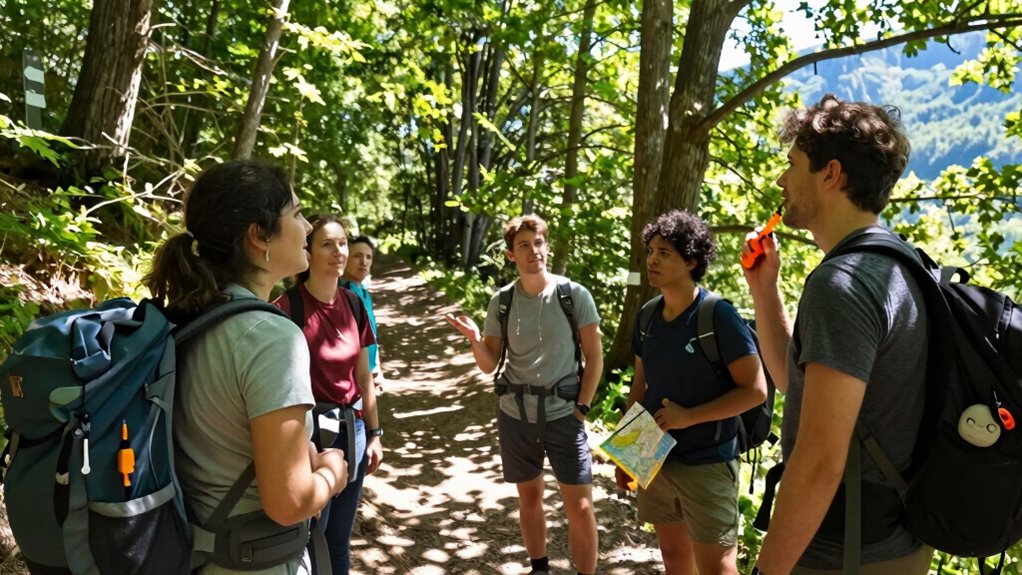
To prevent getting separated again during future outings, it’s important to plan ahead and establish clear strategies with your group. Effective group communication is key to maintaining cohesion and preventing disorientation. Use signals like hand gestures or designated meeting points to stay connected. Assign roles so everyone knows their responsibility, like a leader or a buddy system. Regularly check in with each other to confirm you’re together. Here’s a simple table to help:
| Strategy | Purpose |
|---|---|
| Designated meeting point | Prevents disorientation during confusing moments |
| Clear communication signals | Keeps everyone connected quickly |
| Buddy system | Ensures no one walks alone |
| Regular check-ins | Confirms the group’s whereabouts |
Implementing these tips will help keep your group safe and together.
How to Prepare a Simple Emergency Plan Before You Head Out
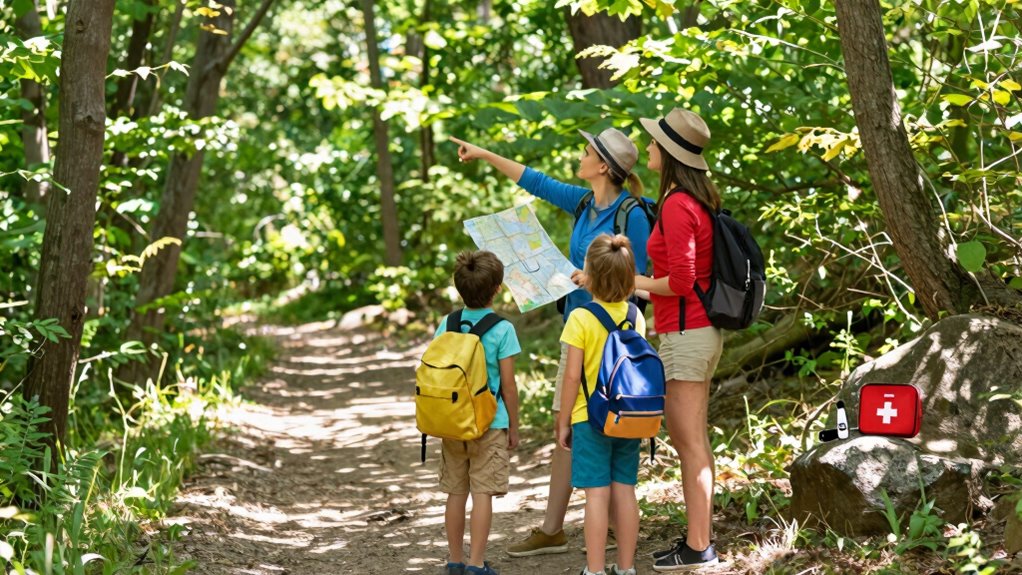
While planning ahead can help prevent getting lost or separated, having a simple emergency plan in place is vital in case things go wrong. For group activities and outdoor safety, preparation makes all the difference. Here’s what you should do before heading out:
- Share your itinerary and expected return time with a trusted person.
- Agree on a designated meeting point if you get separated.
- Carry a fully charged phone and a portable charger.
- Assign a buddy to keep track of each other during outdoor activities.
Having these steps in place ensures everyone knows what to do if separation occurs, minimizing stress and confusion. A well-prepared plan keeps your group safe and helps you respond quickly if things go wrong.
Frequently Asked Questions
What Should I Do if I Lose My Phone or It Stops Working?
If your phone gets lost or stops working, stay calm and find a nearby communication device like a payphone or ask someone to help you borrow theirs. Remember to have a phone backup, like a portable charger or a printed list of emergency contacts, in case your device fails. Use any available communication devices to notify someone you’re safe and to help reconnect with your group.
How Can I Identify My Group Members in Crowded Areas?
You can identify your group members in crowded areas by looking for visual markers and group badges. These identifiers make it easier to spot your friends quickly. Make sure everyone wears matching badges or clothing with distinctive colors or symbols. Keep an eye out for these markers, and if you get separated, find a safe spot and look for others displaying the same visual cues. This helps you reconnect faster and stay safe.
What Signs Indicate I Should Seek Immediate Help?
Did you know that over 60% of emergencies involve visible signs of distress? If you notice urgency cues like someone shouting, crying, or appearing confused, it’s time to seek immediate help. These signs of distress indicate a potential crisis, and acting quickly can prevent further harm. Trust your instincts—if a situation feels wrong or escalates rapidly, don’t hesitate to alert authorities or seek nearby assistance promptly.
How Can I Prepare Children or Vulnerable Individuals for Outings?
To prepare children or vulnerable individuals for outings, focus on child safety by teaching them how to recognize trusted adults and safe zones. Establish clear communication plans, such as using a whistle, a specific phrase, or a child ID bracelet with contact info. Practice these plans beforehand, so they know what to do if separated. Keep a close watch and stay calm, reassuring them that help is available.
What Are the Best Items to Carry for Emergency Situations?
Imagine a safety net woven with essential tools. Carry an emergency kit with first aid supplies, snacks, and water, ready for unexpected twists. Include communication devices like a fully charged phone and portable charger to stay connected. These items act as your lifeline, offering reassurance and solutions when trouble strikes. Staying prepared with these essentials guarantees you can navigate emergencies confidently and keep everyone safe, no matter what happens.
Conclusion
Getting separated can feel like being lost in a maze, but staying calm and following these steps will help you find your way back. Remember to keep a cool head, use your phone, and look for designated meeting spots. By preparing ahead and staying aware, you can turn a moment of confusion into a quick reunion. Keep these tips in your pocket, and you’ll navigate any outing with confidence, like a compass guiding you home.