
Whether you can record a show depends on the venue’s policies, which vary widely. Some venues clearly prohibit recording through signs or tickets, while others are vague, risking unintentional violations. Legally, recording without permission often violates copyright laws and performer rights. Enforcement includes staff intervention or device confiscation. If you want to capture memories legally and responsibly, understanding these rules is key—continue exploring to learn how to enjoy concerts without crossing any lines.
Key Takeaways
- Recording policies vary; some venues permit personal recording, others explicitly ban it, often indicated by signage or ticket info.
- Always check venue signage, announcements, or website beforehand to understand specific recording rules and permissions.
- Unauthorized recording may violate copyright laws, privacy rights, and venue policies, risking legal consequences.
- Media exemptions typically require proof of credentials; professional recordings usually need prior approval.
- Respect artist rights and venue rules to ensure responsible enjoyment and avoid potential fines or removal.
Are Venue Policies Clear About Recording Shows?
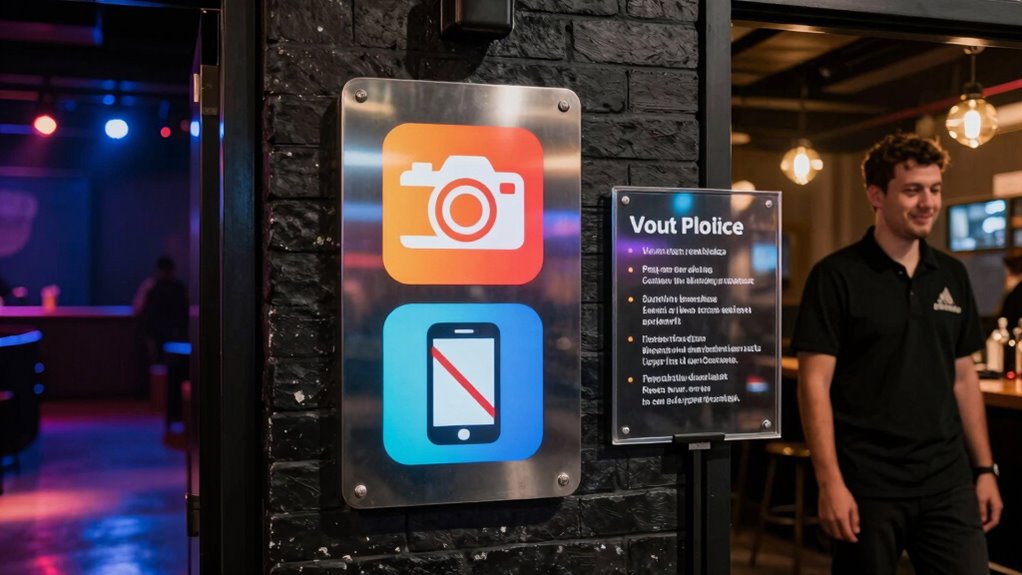
Are venue policies about recording shows usually clear enough for concertgoers to understand? Not always. Many venues have significant venue ambiguity when it comes to recording rules, leaving attendees unsure of what’s permitted. Some venues clearly state their ticket policies, explicitly banning recording devices, while others remain vague or silent on the issue. This inconsistency can lead to confusion, making it hard to determine if recording is allowed or if you might face restrictions or penalties. When policies aren’t straightforward, you risk misinterpreting the rules or unintentionally violating them. Clear communication from venues about their recording policies helps fans know what’s permitted and avoids misunderstandings. Without explicit guidelines, you might feel unsure whether your recording efforts are within legal and venue-specific boundaries. Additionally, understanding venue policies can influence your overall concert experience and preparation.
Can You Legally Record a Live Performance at a Venue?
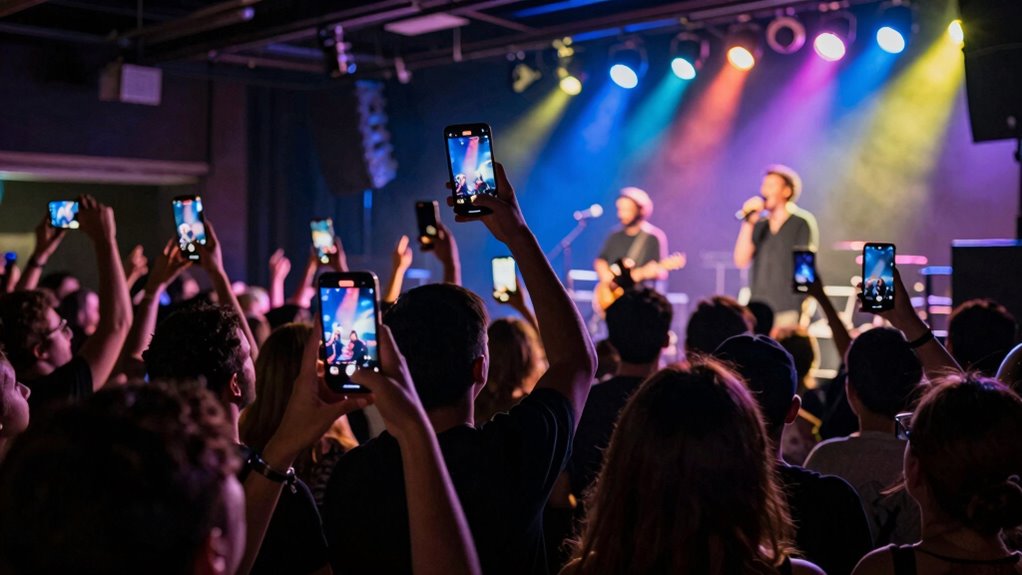
Legally recording a live performance at a venue depends on several factors, including local laws, the venue’s policies, and whether you have the performer’s permission. You should be aware of privacy concerns, as recording someone without consent may violate their rights. Additionally, copyright infringement is a key issue; the performer’s music may be protected, making unauthorized recordings illegal. To stay within the law, consider these points:
- Check local laws regarding recording rights.
- Review the venue’s policies on recording.
- Obtain performer consent if needed.
- Avoid recording if you’re unsure about copyright restrictions.
A good understanding of the performance rights involved can help you navigate these situations responsibly.
How Do Venues Enforce Recording Restrictions?
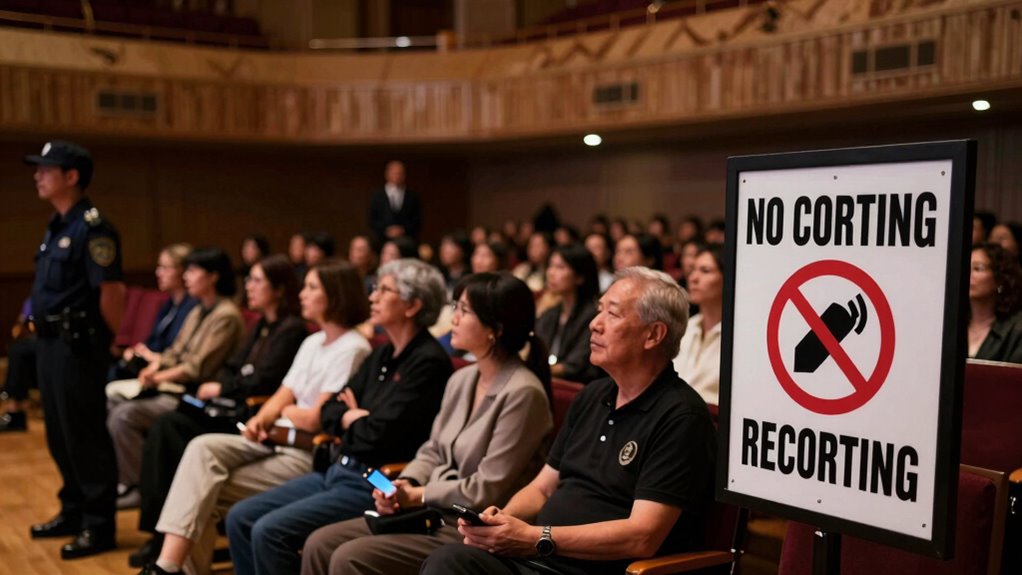
Venues use clear signage and announcements to inform you of recording restrictions before the show starts. Staff members actively monitor the audience and are ready to intervene if someone records without permission. Their enforcement policies help make certain everyone respects the venue’s rules and the artist’s rights. Additionally, understanding the importance of energetic alignment can enhance your overall experience and connection to the event.
Signage and Announcements
Signage and announcements play a crucial role in enforcing recording restrictions at venues. Clear venue signage reminds you of policies, often posted at entrances and key areas, to discourage recording. Audience announcements reinforce these rules before and during the event, ensuring everyone stays aware. These methods serve as visible and audible reminders, reducing misunderstandings. Additionally, European cloud innovation can inspire venues to adopt more sustainable and secure digital signage solutions that support these enforcement efforts. Here are four ways signage and announcements help enforce restrictions:
- Displayed venue signage clarifies recording policies upfront.
- Pre-event audience announcements set expectations.
- Periodic reminders during the show reinforce rules.
- Visual cues like digital screens highlight restrictions.
Together, these tools create a consistent message, making it easier for you to respect the venue’s recording policies and avoid unintentional violations.
Staff Enforcement Policies
Staff enforcement is a key way venues guarantee recording restrictions are followed. They actively monitor audience behavior during the event, watching for anyone attempting to record despite posted rules. Security protocols often include staff approaching individuals who violate these policies, politely requesting device storage or removal of recording equipment. Sometimes, staff may escalate to asking violators to leave or confiscating recording devices to prevent further issues. Clear communication helps maintain order and respect for performers’ rights. Staff are trained to handle these situations professionally, balancing enforcement with audience experience. Their presence and vigilance act as a deterrent, ensuring that recording restrictions are respected. By enforcing policies consistently, staff help uphold venue rules and protect the rights of performers and content owners. Additionally, staff may employ drone insights to better understand and enforce venue policies related to aerial recording restrictions.
When Is Recording Allowed for Personal Use?

Ever wonder when you’re actually allowed to record a show for personal use? Generally, recording is permitted only in specific situations where privacy concerns are minimal, and recording technology is accessible. Here are some key points:
- The venue explicitly permits recording, often indicated by signage or policies.
- You’re recording only for personal use, not for distribution or commercial purposes.
- The event doesn’t involve any legal restrictions or copyright notices against recording.
- You avoid recording areas where privacy concerns, such as sensitive or private moments, are high.
- Understanding the legal considerations related to recording can help ensure you’re complying with applicable laws and rights.
Always check the venue’s rules first. Remember, even if recording is technically allowed, respecting privacy concerns and understanding how recording technology can impact others remains essential.
What Are the Risks of Recording a Show Without Permission?
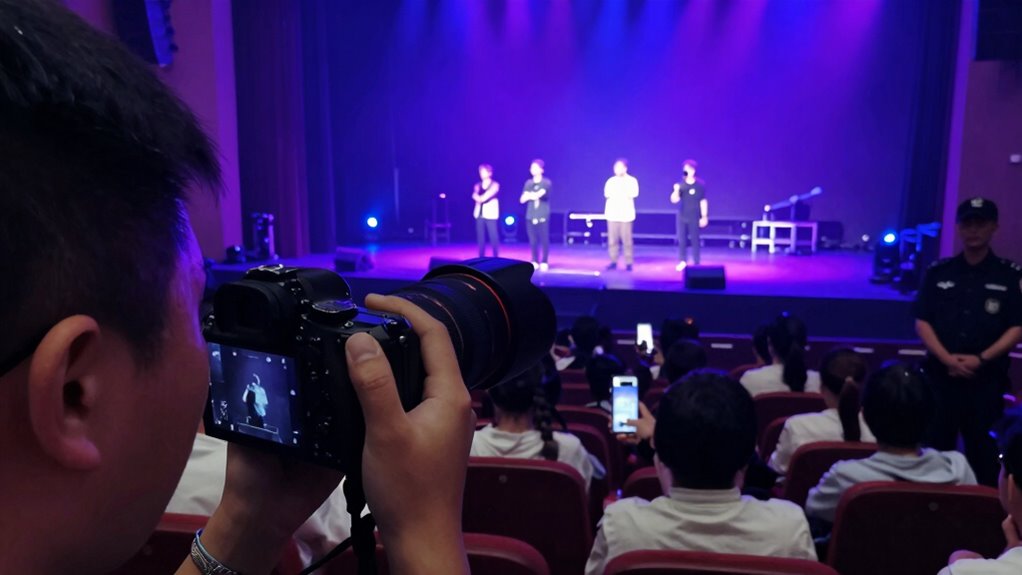
Recording a show without permission can lead to serious legal trouble, including fines or even criminal charges. It also infringes on the artist’s rights, potentially affecting their ability to control their work. Understanding these risks helps you respect performers and avoid costly consequences.
Legal Consequences of Recording
Recording a show without permission can lead to serious legal trouble, including fines and lawsuits. You could face charges related to privacy concerns if you record individuals without consent. Additionally, copyright infringement is a major risk, as shows and performances are protected by copyright laws. Here are some key consequences:
- Legal fines that can be costly and financially burdensome.
- Lawsuits from rights holders seeking damages for unauthorized recordings.
- Court orders to destroy or surrender any recordings you’ve made.
- Damage to your reputation if you’re publicly accused of violating privacy or copyright laws.
Violating venue policies by recording without permission exposes you to these legal risks, so always consider the potential consequences before capturing shows secretly.
Impact on Artist Rights
When you record a show without permission, you risk infringing on the artist’s rights to control their work. Artists often see live performances as their creative expression, and unauthorized recordings can undermine their ability to manage how their work is shared and monetized. This can diminish the value of their performances, especially if audience participation includes recording or sharing content without approval. Additionally, recording may grant you unwanted backstage access, which artists usually reserve for authorized personnel. Such breaches can violate their privacy and disrupt their control over the performance environment. Unauthorized recordings may also infringe upon affiliate disclosure policies if shared online, potentially leading to legal issues. Ultimately, recording without permission threatens the artist’s rights, potentially leading to legal consequences and damaging their reputation. Respecting venue policies helps preserve artists’ rights and supports fair use of their creative output.
How Can You Respect Artists’ Rights and Venue Rules?
To respect artists’ rights and venue rules, it’s important to familiarize yourself with their policies before the show begins. This shows good audience etiquette and helps you enjoy the concert responsibly. Here are four ways to do that:
Respect artists’ rights and venue rules by reviewing policies before the show.
- Read the venue’s signage and website for recording policies.
- Follow the concert etiquette by avoiding disruptive behavior.
- Keep mobile devices on silent and refrain from recording if prohibited.
- Respect any instructions from staff regarding photography and recording restrictions.
- Understanding Gold IRA Markets can also provide insight into how businesses and organizations maintain transparency and trust in their practices.
Are There Exceptions for Media or Professional Recordings?
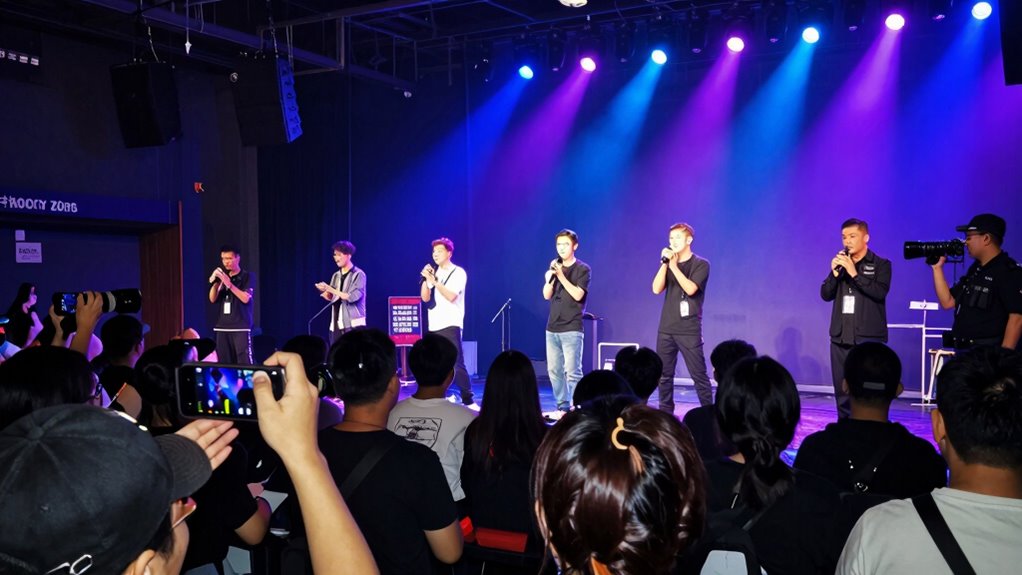
Are there any special considerations for media or professional recordings during a concert? Yes, some venues offer media exemptions or permissions for professional recordings. If you’re a journalist, filmmaker, or part of a production team, you might need to request a media pass or special authorization beforehand. These exemptions often require proof of your credentials and a clear purpose for recording. Venues typically restrict or prohibit casual recording by attendees but may allow professional recordings under strict conditions. Always check the venue’s policy in advance, as unauthorized recordings could lead to removal or legal issues. Remember, media exemptions are granted only to those with valid credentials and specific intent, not to everyday fans hoping to record a show for personal use. Additionally, understanding venue policies can help ensure compliance and a smooth experience.
Tips for Enjoying Live Shows Without Breaking Rules
Attending a live show can be exciting, but it’s important to respect venue rules to guarantee everyone has a good time. Good audience etiquette enhances the experience for all and avoids issues with security or staff. Here are some tips to enjoy shows responsibly:
Enjoy live shows responsibly by respecting venue rules and practicing good audience etiquette for everyone’s benefit.
- Purchase your tickets early to secure entry and avoid scalpers.
- Arrive on time to prevent disrupting the performance.
- Keep your phone silent and avoid recording if prohibited—respect the rules.
- Be considerate of others, avoiding loud conversations or blocking views.
- Remember that many venues use filtration systems to maintain a safe environment, so follow any health-related guidelines they implement.
Following these tips ensures you stay within venue policies while enjoying the show. Remember, respecting rules and practicing good audience etiquette makes the experience enjoyable for everyone involved.
Frequently Asked Questions
Can I Record a Show With My Phone Discreetly?
You can attempt to record a show discreetly with your phone, but keep in mind that most venues prohibit audience recording and professional taping. If you’re caught, you might face ejection or penalties. To avoid issues, always check the venue’s policies beforehand. Respect performers’ rights and the experience of others. Discreet recording isn’t recommended, as it can disrupt the show and breach rules designed to protect intellectual property.
Do Recording Policies Differ Between Venues?
Did you know nearly 80% of venues have strict recording policies? Yes, policies differ between venues, mainly due to venue security concerns and respecting audience rights. Some venues ban recording altogether, while others may allow it with restrictions. Always check the venue’s rules beforehand, as ignoring these policies could result in removal or legal issues. Being aware helps you enjoy the show without risking violations or conflicts.
Are There Specific Recordings Allowed During Festivals?
During festivals, recording policies vary, so you should check venue security guidelines first. Generally, many festivals restrict recordings to protect artists’ rights, so you might only be allowed to record with permission. Remember to respect audience etiquette by avoiding disruptive behavior if recording is permitted. Always stay aware of venue rules, as ignoring them could lead to ejection or confiscation of your device.
How Do Recording Restrictions Vary by Country?
Countries craft copyright laws and international regulations that create clear-cut recording restrictions. You’ll find some nations fiercely forbidding recordings, while others favor more adaptable policies. It’s essential to check local laws before capturing concerts or shows, as legal landscapes differ dramatically. By understanding these international regulations, you avoid inadvertent infractions and guarantee you’re respecting legal limits, laws, and licenses in every country you visit or perform in.
What Are the Consequences of Recording Illegally?
If you record illegally, you risk copyright infringement, which could lead to serious legal penalties like fines or even jail time. You might also face lawsuits from copyright holders seeking damages. These consequences can damage your reputation and result in hefty legal costs. Always respect venue policies and copyright laws to avoid these risks. Remember, unauthorized recording isn’t just unethical; it can have lasting legal repercussions.
Conclusion
Respect the rules, respect the artists, and respect your fellow fans. Know the venue policies, understand the legal boundaries, and seek permission when in doubt. By staying informed, you stay responsible, by honoring restrictions, you honor creativity, and by enjoying shows responsibly, you guarantee memorable experiences. Remember, following guidelines keeps live music alive, preserves artists’ rights, and makes every concert enjoyable for everyone involved.