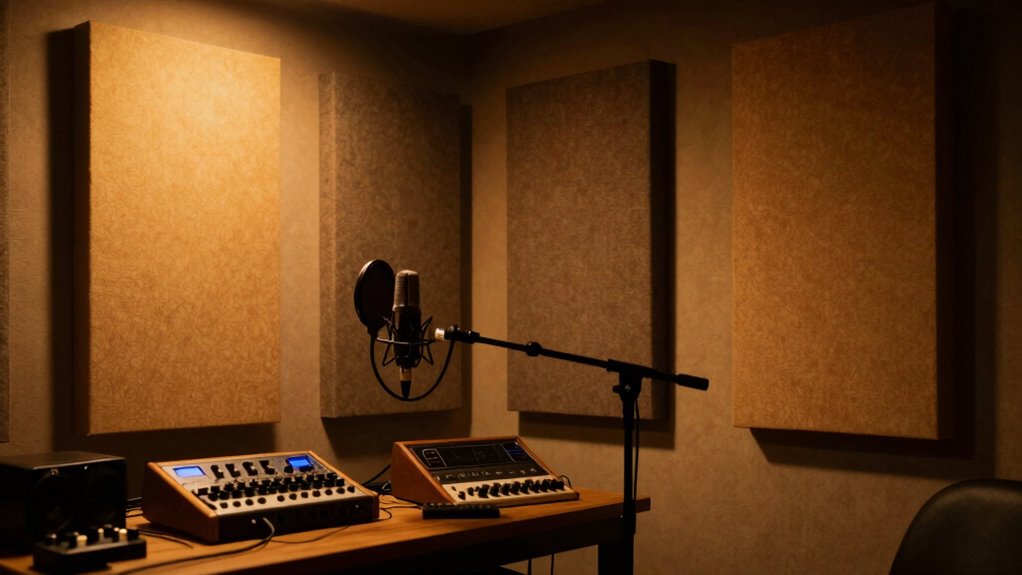
In small rooms, sound behaves differently because reflections bounce quickly and often, causing muddiness or echoes that can ruin your recordings or listening experience. Proper acoustic treatment, soundproofing, and understanding your room’s shape are essential for clarity and control. Without addressing these factors, your sound quality suffers, making it harder to achieve professional results. If you keep exploring, you’ll discover how small adjustments can make a big difference in your space.

Get audio and creator gear delivered free with Prime
- Fast, free delivery on millions of items
- Prime Video, Amazon Music and more included
- Member-only deals all year
Key Takeaways
- Small rooms amplify sound reflections, making acoustic control essential for clarity and preventing muddiness.
- Proper soundproofing and treatments dramatically improve recording quality and listening experience.
- Room shape and dimensions heavily influence sound behavior and potential acoustic issues.
- Acoustic treatments like panels and bass traps effectively reduce echo and improve sound balance.
- Small adjustments in acoustic management can significantly enhance overall audio performance.
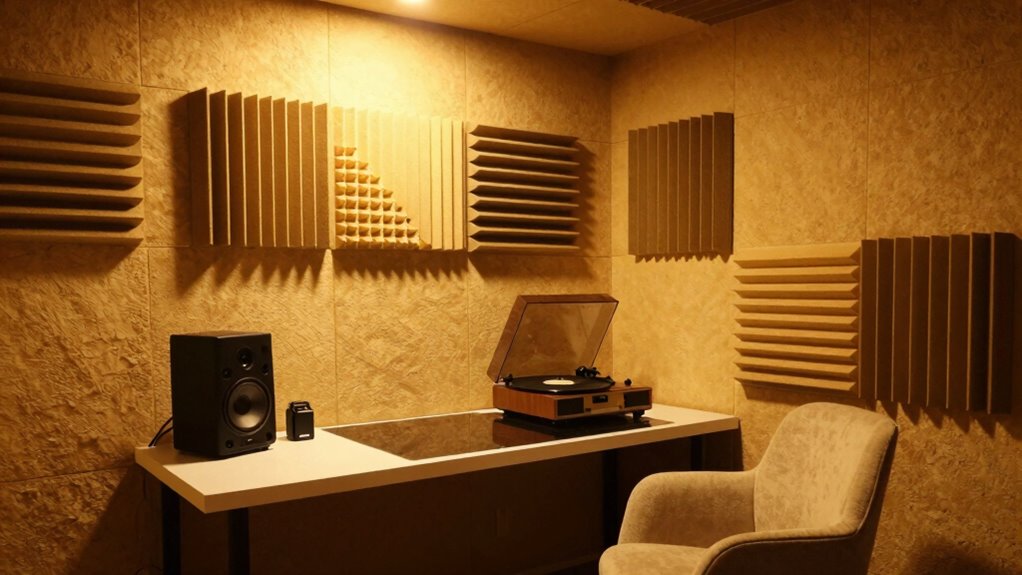
Have you ever noticed how sound feels different in a small room compared to a large hall? In smaller spaces, sound waves bounce off walls more quickly, creating a sense of intimacy but also potential issues with echo and muddiness. That’s why small room acoustics matter more than most beginners realize. When you’re setting up a home studio, a recording space, or even a gaming room, understanding how sound behaves in confined areas can dramatically improve your experience. It’s not just about making the room sound good; it’s about controlling the sound to prevent unwanted reflections, echoes, and external noise. Small room acoustics are especially sensitive because the limited space amplifies the effects of sound reflections and reverberations, making proper treatment even more essential. Soundproofing techniques play a vital role here. They don’t just block noise from entering or leaving the room—they also help isolate sound within the space itself. Simple measures like sealing gaps around doors and windows, adding dense curtains, or installing acoustic panels can make a big difference. These steps prevent sound from bouncing around excessively, which can distort recordings or make listening less enjoyable. Think of soundproofing as the first line of defense, giving you a quieter environment and reducing external disturbances that can ruin the clarity of your audio. Additionally, understanding the importance of room dimensions can help optimize your acoustic setup for better sound quality.
To further enhance sound control, considering room shape can also influence how sound waves behave and interact within your space. Recognizing the impact of sound wave behavior can help you tailor your acoustic treatments more effectively. Once you’ve tackled basic soundproofing, you can focus on acoustic treatment options. These are designed specifically to shape the sound inside your small room. Acoustic panels, bass traps, and diffusers help manage reflections and reduce flutter echoes. They absorb or scatter sound waves, making the room sound clearer and more balanced. For example, placing bass traps in corners can control low-frequency buildup, which can otherwise cause a boomy or muddy sound. Similarly, hanging foam panels at strategic points reduces high-frequency reflections, ensuring your recordings or listening sessions sound natural and crisp. You don’t need a professional studio to benefit from these techniques. Even modest investments in acoustic treatment options can transform how your small space sounds. The goal is to create a controlled environment where sound behaves predictably, giving you more confidence in your recordings and listening experience. Small room acoustics aren’t just about aesthetics—they directly impact the quality of your audio. The better you understand and implement soundproofing techniques and acoustic treatment options, the more you’ll realize how much control you have over your space’s sonic character. It’s a small effort that yields a big difference, making your environment more enjoyable and your audio projects more professional.
As an affiliate, we earn on qualifying purchases.
Frequently Asked Questions
How Do Room Dimensions Specifically Affect Sound Quality?
Room dimensions directly affect sound quality by influencing sound reflection and resonance. A rectangular shape, for example, can cause standing waves and echo issues, while irregular shapes help disperse sound more evenly. Smaller rooms tend to amplify reflections, creating muddiness, unless properly treated. You should consider your room shape and dimensions carefully, as they determine how sound waves bounce and interact, ultimately shaping your listening or recording experience.
Can DIY Acoustic Treatments Be as Effective as Professional Ones?
Yes, DIY acoustic treatments can be quite effective if you choose the right soundproofing techniques and acoustic panel materials. You’ll want to focus on creating a balanced barrier with foam panels, bass traps, or DIY diffusers. While professional treatments often provide precision, your homemade options can considerably improve sound clarity, reduce echoes, and enhance overall acoustics—making your space sound better without breaking the bank.
What Are the Most Common Mistakes in Small Room Acoustics?
You often make mistakes like improper acoustic panel placement, which can cause sound reflections and muddiness. Also, neglecting soundproofing techniques restricts sound isolation, worsening acoustics. Avoid placing panels too close to walls or corners and focus on strategic placement to absorb bass and high frequencies effectively. Properly combining soundproofing techniques and acoustic panel placement ensures your small room sounds clear, balanced, and professional, enhancing your listening or recording experience.
How Does Furniture Placement Influence Sound Absorption?
Furniture placement acts like a magic wand, transforming your room’s sound. When you position decor strategically, it can absorb or diffuse sound waves, reducing echoes. Fabric choices, such as plush sofas or thick curtains, further dampen reflections. By thoughtfully arranging furniture and selecting the right fabrics, you create a cozy acoustic environment that enhances clarity and reduces unwanted noise, making your space sound just right.
Are There Budget-Friendly Solutions for Improving Small Room Acoustics?
Yes, you can improve small room acoustics with affordable upgrades and DIY solutions. Start by adding soft furnishings like rugs, curtains, or cushions to absorb sound. Hang DIY acoustic panels made from foam or fabric-covered materials. Rearrange furniture to minimize sound reflection and create cozy corners for better sound diffusion. These budget-friendly fixes can markedly enhance your room’s acoustics without breaking the bank.
As an affiliate, we earn on qualifying purchases.
Conclusion
You might think small room acoustics are minor, but they shape your sound experience more than you realize. While grand studios boast complex setups, it’s the intimate space that often dictates clarity and warmth. Just as a whisper can carry more meaning in a quiet room than in a cavern, your small room’s acoustics can elevate your sound quality beyond expectations. In the end, mastering these details transforms a simple space into a personal sanctuary of true sound.
As an affiliate, we earn on qualifying purchases.
small room acoustic treatment kit
As an affiliate, we earn on qualifying purchases.
As an affiliate, we earn on qualifying purchases.
Halloween Picks
halloween
As an affiliate, we earn on qualifying purchases.