
A proper fit and seal are key to unleashing your IEMs’ best performance. When your tips fit snugly, they block external noise and improve sound clarity, especially bass. Choosing the right tips for your ear shape and ensuring a secure seal reduces the need to turn up the volume and prevents sound leakage. Small adjustments can make a big difference. Keep exploring to discover how perfecting your fit can elevate your listening experience even further.

Get audio and creator gear delivered free with Prime
- Fast, free delivery on millions of items
- Prime Video, Amazon Music and more included
- Member-only deals all year
Key Takeaways
- A snug, proper seal blocks external noise and enhances audio clarity, significantly improving IEM performance.
- Choosing the right tip type (foam or silicone) based on ear shape ensures better fit and noise isolation.
- Proper fit prevents sound muffling and bass loss, delivering more accurate and balanced audio.
- Small adjustments in tip placement and fit can drastically increase comfort and sound quality.
- Understanding individual ear anatomy helps select tips that maximize seal and overall listening experience.
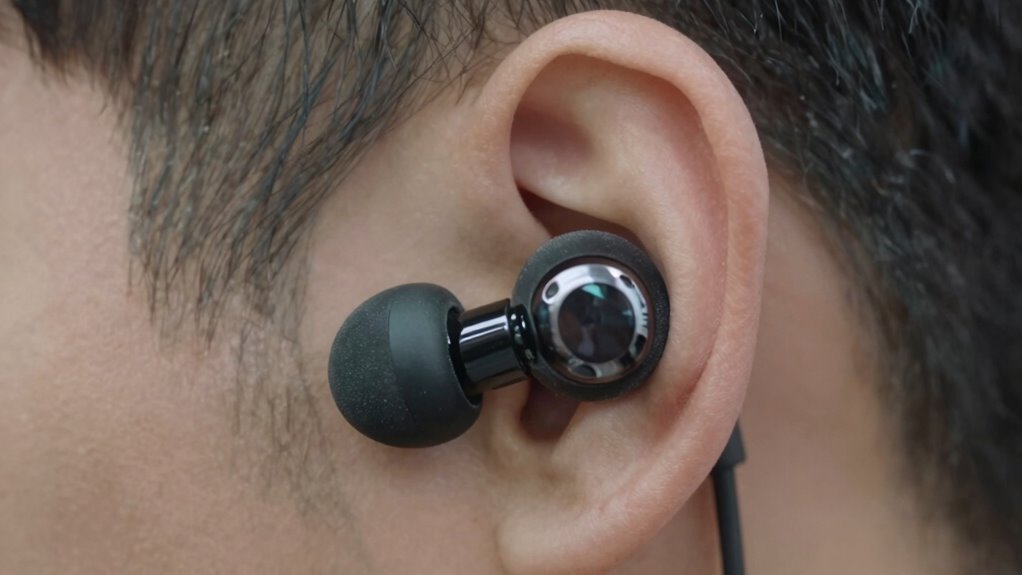
Understanding the fit and seal of your mask is essential for effective protection. The same principle applies when you’re using in-ear monitors (IEMs). A proper fit isn’t just about comfort—it directly influences sound quality, noise isolation, and overall listening experience. When your IEMs fit snugly, they form a seal that blocks out external sounds, allowing you to focus on the music or audio without interference. This seal relies heavily on understanding your ear anatomy, which varies from person to person. Some people have smaller ear canals, while others have wider or more curved ones. Recognizing these differences is crucial because it influences which IEM tips will work best for you.
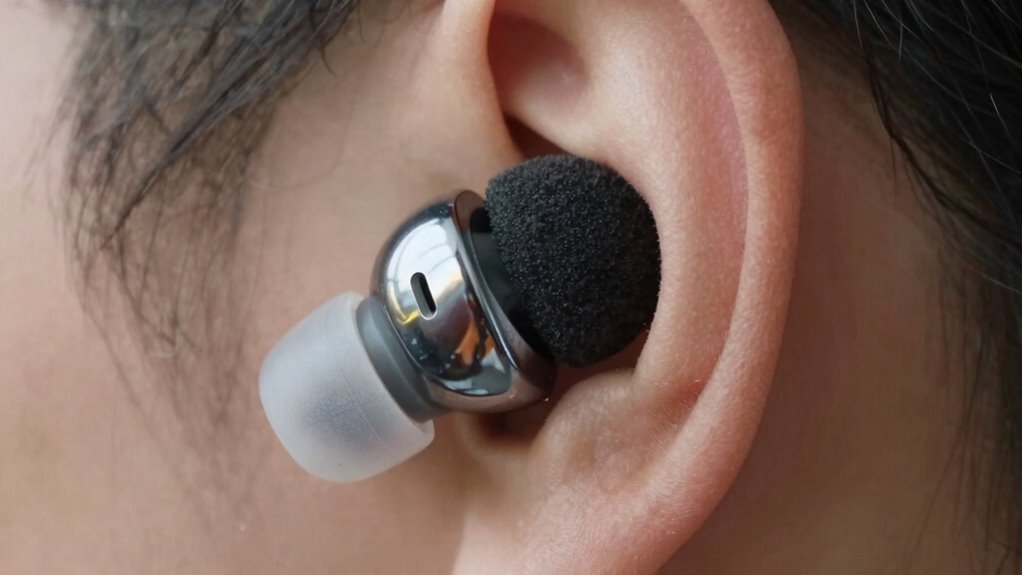
Noise isolation is a key factor in getting the most out of your IEMs. When your ear tips create a tight seal, they effectively block ambient noise, enabling you to enjoy clearer sound even in noisy environments. Without a proper seal, you’ll notice more external sounds creeping in, forcing you to turn up the volume—something that can damage your hearing over time. The size and material of your tips play a significant role here. Foam tips tend to expand and conform to your ear canal, offering superior noise isolation, while silicone tips are more durable and comfortable but may not seal as tightly for everyone. Experimenting with different tip sizes and materials helps you find the optimal fit for your ear anatomy, maximizing noise isolation and sound quality.
The fit also impacts sound perception itself. When IEMs don’t sit correctly, the sound may become muffled or diminished, especially in the low frequencies. A secure fit ensures the driver inside the IEM can deliver accurate audio, with clear bass, mids, and highs. If your tips don’t match your ear shape, you might experience a loss of detail or uneven sound distribution. Properly fitting tips stay in place during movement, preventing unwanted sounds or shifting that can disrupt your listening experience. Additionally, understanding your ear anatomy can help you select tips that provide a better seal, further enhancing sound quality and comfort. Recognizing the importance of ear canal shape can assist you in choosing tips that optimize both comfort and performance.
Investing time in fitting techniques can also improve your overall IEM experience, especially if you find yourself frequently adjusting or readjusting your tips. Ultimately, understanding your ear anatomy and investing time in finding the right tips makes a huge difference. It’s not just about comfort—it’s about achieving the best possible noise isolation and sound clarity. When your IEMs fit well and form an effective seal, you unlock their full potential, transforming how you experience your favorite music or critical audio. Remember, small adjustments in fit and tip choice can significantly elevate your listening performance, making the effort well worth it.
As an affiliate, we earn on qualifying purchases.
Frequently Asked Questions
How Often Should I Replace My IEM Ear Tips for Optimal Seal?
You should replace your IEM ear tips every 2 to 4 weeks for a secure seal and ear tip hygiene. Regularly check for wear and tear, as degraded tips can compromise comfort and sound quality. Make sure your ear tips are compatible with your IEM model to maintain a secure fit. Cleaning them frequently also helps prevent dirt buildup, which can affect both hygiene and performance.
Can Using Different Materials for Ear Tips Improve Sound Isolation?
Using different materials for ear tips is like choosing the right key for a lock—each impacts sound isolation differently. Silicone offers comfort and durability, but foam tips improve noise blocking. Material durability affects tip longevity, and regular tip maintenance keeps your seal tight. Experimenting with materials can enhance sound isolation, especially if you find your current tips slipping or losing their seal, ultimately improving your listening experience.
What Are the Signs of a Poor Fit Affecting IEM Performance?
If your IEMs feel uncomfortable or constantly slip out, you’re experiencing a poor fit. Signs include compromised sound quality, lack of bass, or external noise leakage. You might also notice that the seal isn’t durable, breaking easily or loosening over time. When fit comfort is off, the seal isn’t effective, which directly impacts sound isolation and overall performance, making it essential to find tips that fit securely and comfortably.
Do Custom-Molded Tips Significantly Enhance Sound Quality?
Yes, custom-molded tips can greatly enhance sound quality. They create a better seal by incorporating specific tip materials and seal techniques tailored to your ear shape. This improved seal reduces sound leakage and isolates noise more effectively, resulting in clearer audio and better bass response. When you use custom-molded tips, you notice a more immersive experience, making your IEMs perform at their best with personalized comfort and ideal sound delivery.
How Does Ear Canal Shape Influence Seal and Sound Quality?
Did you know that ear canal anatomy varies considerably between individuals, affecting seal quality? Your ear canal shape influences how well your IEMs can create a secure seal, which directly impacts sound quality. Proper seal optimization depends on understanding your unique ear canal structure. If your shape is irregular or narrow, it may be harder to achieve an ideal seal, so trying different tips or custom solutions can make a substantial difference in sound clarity and bass response.
silicone ear tips for in-ear monitors
As an affiliate, we earn on qualifying purchases.
As an affiliate, we earn on qualifying purchases.
Conclusion
Remember, the fit and seal are the unsung heroes of your IEM experience. When you prioritize proper placement, you open the full potential of your audio, transforming mere sound into an immersive journey. Like a lock and key, they’re the subtle yet essential elements that can elevate your listening from good to extraordinary. So, don’t overlook these basics—they hold the power to change everything, often more than you’d ever imagine.
As an affiliate, we earn on qualifying purchases.
noise isolating ear tips for earbuds
As an affiliate, we earn on qualifying purchases.
As an affiliate, we earn on qualifying purchases.
Halloween Picks
halloween
As an affiliate, we earn on qualifying purchases.