To avoid overbuying higher-ticket gear, set clear budgets and prioritize your needs over luxury features. Research thoroughly, compare options, and look for real-world reviews to guarantee you’re making smart investments. Upgrade gradually by managing when and what you buy, and avoid impulse purchases. Staying disciplined and focused on long-term goals will help you make better choices. If you’d like tips on maintaining that focus, keep exploring how to make smarter, sustainable gear decisions.

Get audio and creator gear delivered free with Prime
- Fast, free delivery on millions of items
- Prime Video, Amazon Music and more included
- Member-only deals all year
Key Takeaways
- Set a strict budget and prioritize essential features over luxury extras for higher-ticket gear.
- Research thoroughly and compare options to ensure the purchase aligns with your actual needs.
- Delay buying until the right deal or timing occurs, avoiding impulse decisions.
- Upgrade gradually, focusing on long-term goals and avoiding unnecessary or premature purchases.
- Practice disciplined decision-making, considering sustainability and ensuring each purchase provides real value.
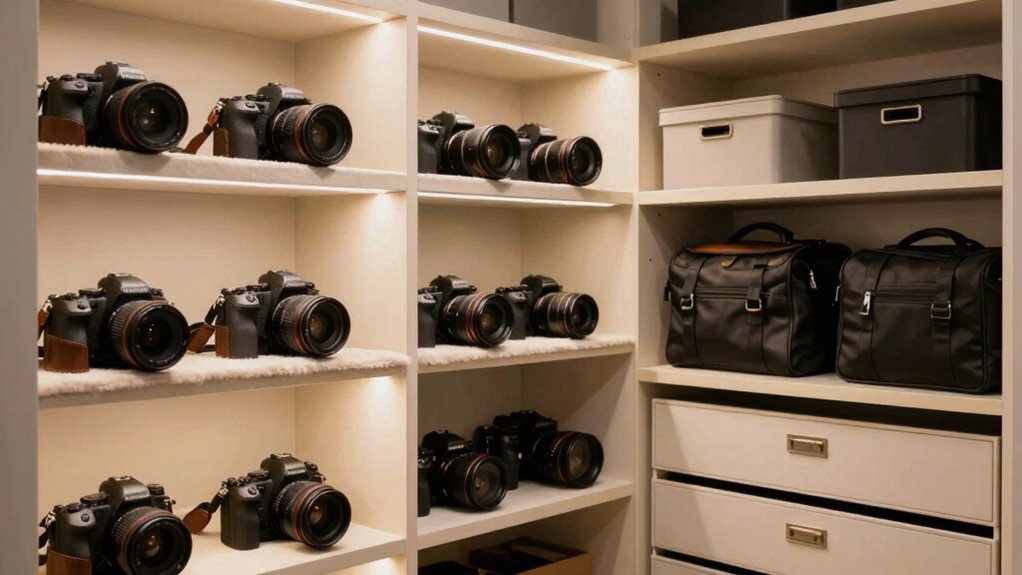
Moving into higher-ticket gear can be exciting, but it’s easy to get carried away and overbuy. When you’re upgrading to more expensive equipment or tools, the temptation to splurge can be strong. To keep your spending in check, start with solid budget planning. Establish a clear limit based on what you can afford without stretching your finances too thin. Knowing your maximum spend helps prevent impulse purchases that seem appealing in the moment but aren’t sustainable long-term. Break down your budget into categories, prioritizing essentials over luxury add-ons. This way, you focus on what truly adds value, rather than being tempted by shiny extras.
Set a clear budget and prioritize essentials to avoid impulse spending on higher-ticket gear.
Research strategies are your best friends when progressing to higher-ticket gear. Instead of rushing into a purchase, take time to compare options. Look for reviews, ratings, and real-world user experiences to understand the pros and cons of each product. Knowing what to expect from different models helps you avoid overpaying for features you don’t need or won’t use. It’s also wise to explore multiple vendors and check for discounts, bundles, or seasonal sales. Sometimes, investing a little extra effort in research can save you a significant amount of money and help you make smarter choices aligned with your actual needs. Additionally, understanding the importance of product comparison can guide you toward better purchasing decisions. Familiarizing yourself with cost-benefit analysis can also help ensure your investments provide the most value for your money. Being aware of biodiversity and how sustainable options might impact your choices can also lead to more environmentally conscious spending.
Before making any big purchase, ask yourself whether the item aligns with your goals and whether you genuinely need it now. It’s tempting to believe that the latest, most expensive gear will instantly improve your work or hobby, but sometimes, waiting for the right time or the right deal is better. Set a list of must-have features versus nice-to-have extras. This helps you stay focused and avoid the trap of buying the fanciest version just because it’s available. Also, consider renting or testing gear before buying. This allows you to evaluate whether the higher-ticket item truly meets your expectations without committing immediately.
Finally, remember that upgrading doesn’t mean you have to buy everything at once. Take a phased approach—purchase equipment gradually as your needs evolve. This not only helps manage your budget but also prevents you from accumulating unnecessary tools or gear you may outgrow quickly. Staying disciplined with your budget planning, conducting thorough research, and pacing your upgrades ensures you enjoy your new gear without the regret of overbuying. Ultimately, thoughtful planning and strategic research empower you to make smarter, more satisfying investments in your higher-ticket gear.
As an affiliate, we earn on qualifying purchases.
Frequently Asked Questions
How Do I Determine Which High-Ticket Gear Is Truly Necessary?
You determine which high-ticket gear is necessary by researching brand reputation and reading user reviews. Focus on products with positive feedback and reliable reputation, ensuring they meet your specific needs. Avoid impulse buys by comparing options and considering how often you’ll use the gear. If multiple reviews praise durability and performance, it’s likely a good investment. Trust your research and prioritize quality over price to avoid unnecessary overspending.
What Initial Budget Should I Set for Premium Equipment?
Start with a clear budget plan that aligns with your overall investment strategies. For premium equipment, allocate around 10-20% of your expected overall investment to avoid overspending. Consider your immediate needs versus long-term goals, and don’t forget to leave room for future upgrades. By setting a realistic initial budget, you prevent impulse buys and make sure each purchase genuinely adds value to your setup.
How Can I Test Gear Before Committing to a Purchase?
To test gear before buying, compare brands and read user reviews online to gather insights. Visit stores to try out equipment firsthand, paying attention to how it feels and functions. Ask sales associates for demos or trial periods. This hands-on approach helps you assess compatibility and quality, ensuring you make an informed decision without rushing into a purchase. Testing thoroughly prevents overbuying and guarantees you get the right gear for your needs.
Are There Affordable Alternatives to High-End Gear?
You can find budget options like entry-level gear that still meet your needs, saving you money without sacrificing quality. DIY solutions also work great—consider customizing or refurbishing older equipment instead of splurging on high-end models. Look for sales, secondhand gear, or rental options to test different setups affordably. These strategies help you enjoy quality gear without overbuying, ensuring you only invest in equipment that truly enhances your experience.
How Do I Prioritize My Gear Upgrades Effectively?
You should prioritize gear upgrades by trusting your instincts—because clearly, brand loyalty and manufacturer reputation are the ultimate guides. Invest in what’s proven, rather than chasing every shiny new thing. Avoid impulse buys, and consider your specific needs first. Remember, flashy labels don’t guarantee quality; focus on durability and performance. That way, your gear upgrades are strategic, not just a collection of expensive toys.
best value professional equipment
As an affiliate, we earn on qualifying purchases.
As an affiliate, we earn on qualifying purchases.
Conclusion
Remember, Rome wasn’t built in a day, and neither should your gear collection be. Take your time, do your research, and prioritize quality over quantity. Avoid impulse buys by setting a budget and sticking to it. When you’re patient and deliberate, you’ll end up with the right gear that truly meets your needs. In the end, smart choices make the journey more enjoyable—and that’s what really counts.
As an affiliate, we earn on qualifying purchases.
As an affiliate, we earn on qualifying purchases.
Halloween Picks
halloween
As an affiliate, we earn on qualifying purchases.