
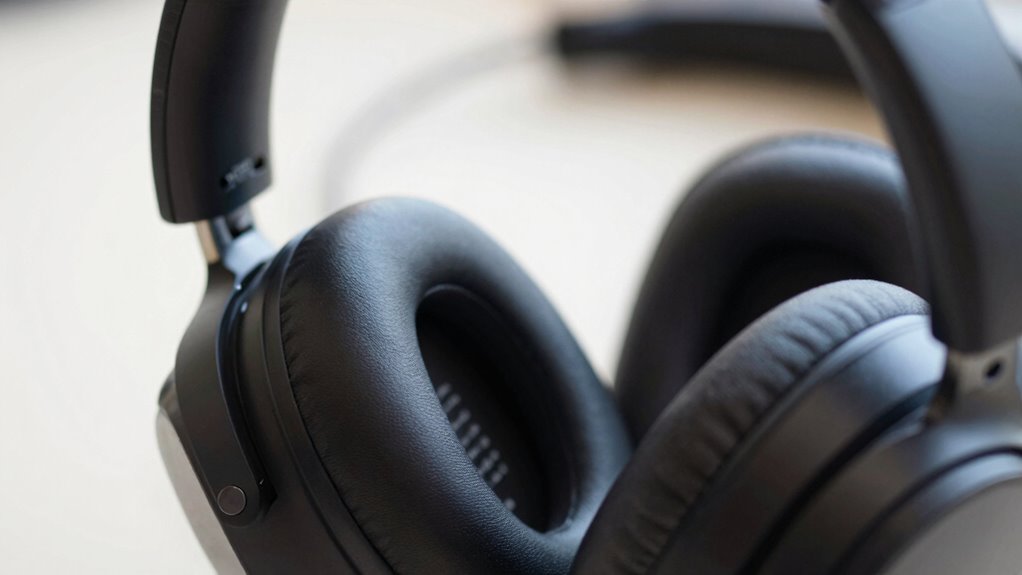

When evaluating headphone specs, focus on sound quality indicators like frequency response, driver size, and sensitivity, rather than flashy numbers that don’t matter much. Pay attention to compatibility features like connector type or Bluetooth version, which affect usability. Avoid getting overwhelmed by technical jargon—trust reviews and your own experience to judge how they perform in real life. Keep in mind that understanding the important specs will help you choose the right pair, and there’s more to discover if you keep exploring.

Get audio and creator gear delivered free with Prime
- Fast, free delivery on millions of items
- Prime Video, Amazon Music and more included
- Member-only deals all year
Key Takeaways
- Focus on essential specs like frequency response, impedance, and sensitivity that directly impact sound quality.
- Cross-reference technical data with real user reviews to verify performance and durability.
- Understand how specs interact, such as impedance and sensitivity, to assess compatibility and volume needs.
- Avoid fixating on flashy numbers; prioritize features relevant to your intended use (gaming, studio, casual).
- Confirm device compatibility with connector types and Bluetooth profiles before considering technical details.
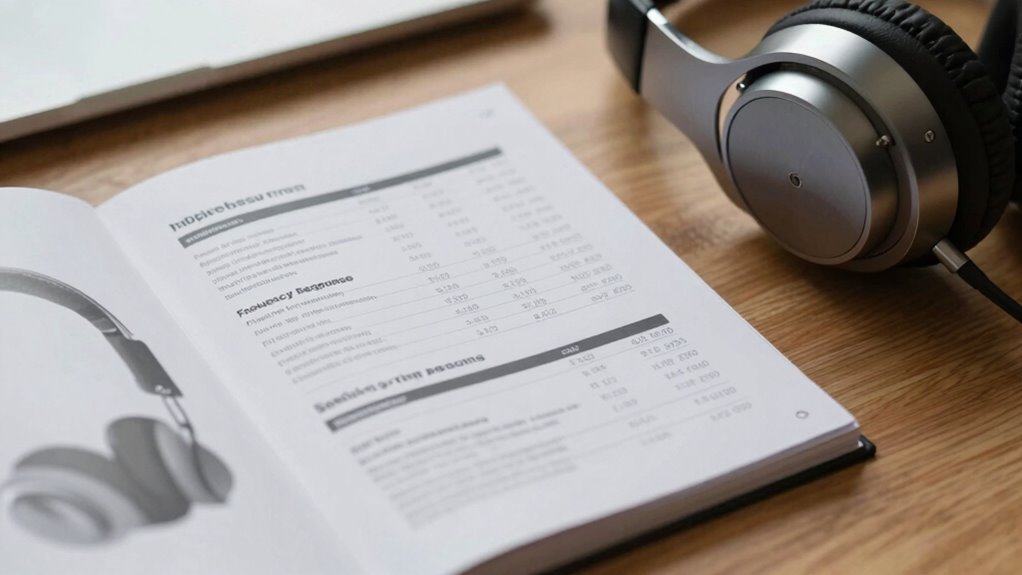
When shopping for headphones, understanding their specifications can seem overwhelming, but knowing what to look for makes it easier to choose the right pair. One of the most important factors to consider is sound quality. This encompasses how well the headphones reproduce audio, including clarity, bass, treble, and overall balance. Look for specifications like frequency response, which tells you the range of sounds the headphones can produce. A wider frequency response generally means better sound reproduction, but don’t get caught up in the numbers alone. Some headphones with impressive specs may not sound as good in real life. Instead, try to find reviews or listen to them yourself if possible. Remember, sound quality isn’t just about technical numbers—it’s about how the headphones make your music, podcasts, or calls sound natural and engaging. Additionally, consider the technical specifications that impact practical performance, such as driver size and sensitivity, which can influence overall audio experience. Being aware of performance-related factors helps you better interpret technical data beyond just the numbers. Paying attention to audio fidelity can help you distinguish between genuine quality and misleading specifications. Furthermore, understanding the technical terminology used in specs can help you make more informed comparisons between models. It’s also helpful to learn how different specifications interact—for example, how impedance and sensitivity together affect volume levels and power requirements.
Another common pitfall when reading specs is getting distracted by numbers that seem impressive but don’t necessarily translate into better performance. For example, high impedance might sound appealing, but if you’re using your headphones with a smartphone or portable device, they might require an amplifier to perform at their best. This is where compatibility issues can arise. Make sure the headphones you choose are compatible with your devices. Check the connector type—whether it’s a standard 3.5mm jack, USB-C, or Bluetooth—and confirm that your device supports that connection. Wireless headphones, for instance, often list Bluetooth version and supported profiles; newer versions tend to offer better connectivity and lower latency. If you need headphones for specific activities like gaming or studio work, look for features tailored to those needs, such as low latency or flat frequency response. Remember, understanding how these specifications interrelate can help you select headphones that meet your specific requirements more effectively.
Don’t get caught up in specs that don’t matter for your use case. For everyday listening, sound quality and compatibility are most critical. For instance, if you’re always on the go, wireless might be more convenient, but ensure it doesn’t compromise sound clarity. Conversely, wired headphones might offer superior sound fidelity but limit mobility. Always cross-reference specs with real-world reviews—numbers alone won’t tell you how the headphones feel, how durable they are, or how they actually sound in your environment. By focusing on the core aspects—sound quality and compatibility—you cut through the noise of irrelevant specs and make an informed choice that truly fits your needs.
best headphones for sound quality
As an affiliate, we earn on qualifying purchases.
As an affiliate, we earn on qualifying purchases.
Frequently Asked Questions
Do Higher Numbers Always Mean Better Headphones?
Higher numbers don’t always mean better headphones. Sound quality depends on factors like driver size, frequency response, and tuning, not just specs. Build durability varies with materials and construction, which aren’t reflected solely in numbers. Focus on the overall design, reviews, and real-world performance. Don’t get distracted by big figures; instead, prioritize how the headphones sound and how well they’re built to last.
How Important Is the Frequency Response Range?
You’ll find that the frequency response range isn’t the only thing that determines sound quality, but it’s still pretty important. Did you know human ears typically hear from 20Hz to 20kHz? A wider range can suggest better frequency accuracy, helping you catch subtle details in your music. So, while it’s a key factor, focus on overall sound quality and clarity rather than just the numbers alone.
What Does Impedance Really Affect in Listening?
Impedance affects your listening by influencing sound quality and technical compatibility. Higher impedance headphones often deliver better sound clarity at the expense of needing more power, making them ideal for home use. Lower impedance models work well with portable devices, providing sufficient volume without extra equipment. Understanding impedance helps you choose headphones that match your device’s output, ensuring peak sound quality and a seamless listening experience without technical issues.
Are Higher Sensitivity Ratings Better?
Higher sensitivity ratings generally mean your headphones can produce louder sound with less power, which can enhance sound clarity at lower volumes. However, keep comfort considerations in mind, as very high sensitivity models might be more sensitive to background noise or require careful handling. Ultimately, look for a balance—high sensitivity can improve clarity and ease listening, but comfort and noise isolation matter just as much for an enjoyable experience.
How Do I Compare Headphone Specs Across Brands?
To compare headphone specs across brands, start by looking at key features like frequency response, impedance, and sensitivity. Consider each brand’s reputation for quality and durability, which can influence your choice. Don’t forget to do a price comparison to guarantee you’re getting the best value. By evaluating these factors together, you’ll find headphones that match your needs, budget, and preferred brand, making your decision easier.
wireless Bluetooth headphones with low latency
As an affiliate, we earn on qualifying purchases.
As an affiliate, we earn on qualifying purchases.
Conclusion
Remember, don’t get lost in the numbers—focus on what truly matters to your listening experience. By understanding the key specs and ignoring the noise, you can choose headphones that genuinely suit your needs. As the saying goes, “Don’t judge a book by its cover,” and the same applies here. With a little knowledge, you’ll make smarter choices and enjoy your music without distraction or disappointment. Happy listening!
studio headphones with flat frequency response
As an affiliate, we earn on qualifying purchases.
As an affiliate, we earn on qualifying purchases.
headphones compatible with smartphone
As an affiliate, we earn on qualifying purchases.
As an affiliate, we earn on qualifying purchases.
Halloween Picks
halloween
As an affiliate, we earn on qualifying purchases.






![Iron Maiden Legend Nicko McBrain Turned Down Trump Golf Invite: “[He] Should Be Put In Jail”](https://deadsetlive.com/wp-content/uploads/2026/10/iron-maiden-legend-nicko-mcbrain-turned-down-trump-golf-invite-he-should-be-put-featured-260x140.jpg)