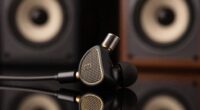
When your audio sounds off without an obvious reason, start by checking your device settings and ensuring everything is calibrated correctly. Adjust placement for better sound perception and use any automatic calibration tools or manual equalizer tweaks available. Remember, small room or source changes can make a big difference, so experiment with your environment. If issues persist, focusing on calibration and environmental tweaks can help restore clarity—stay tuned for more tips on perfecting your sound.

Get audio and creator gear delivered free with Prime
- Fast, free delivery on millions of items
- Prime Video, Amazon Music and more included
- Member-only deals all year
Key Takeaways
- Perform a thorough audio calibration to balance all frequencies and tones in your system.
- Check and optimize device placement and speaker positioning for clearer sound.
- Use automatic calibration tools or manual equalizer adjustments to fine-tune audio settings.
- Experiment with room acoustics and environmental tweaks to improve sound clarity.
- Troubleshoot by testing different devices or environments to identify potential source issues.
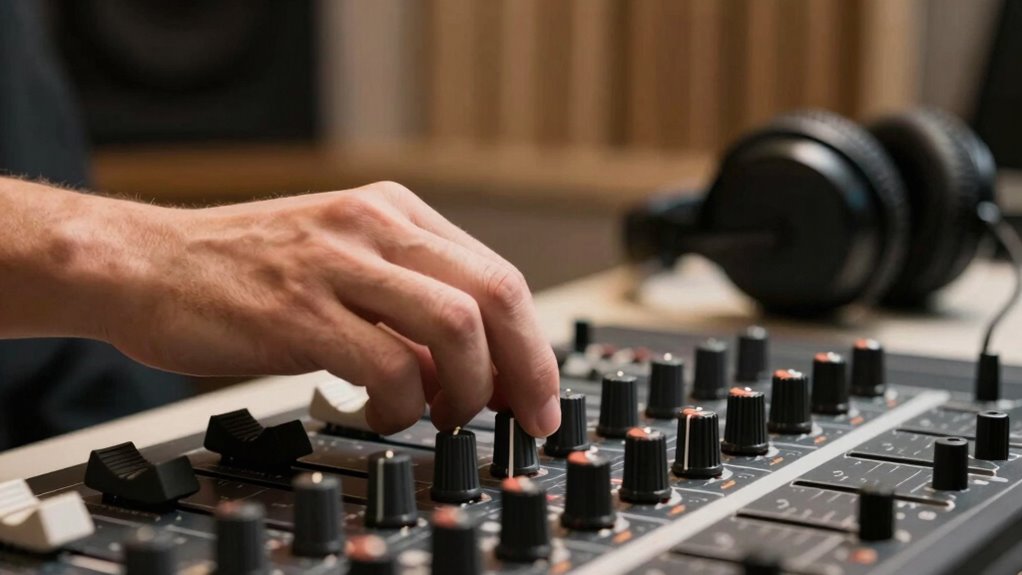
Have you ever felt that something in your audio or environment just doesn’t sit right, but you can’t quite put your finger on why? That unsettling vibe often comes down to subtle issues with sound perception, which can be tricky to identify without a bit of troubleshooting. The first step to fixing this is understanding the importance of proper audio calibration. When your equipment isn’t calibrated correctly, it can lead to imbalances, making certain sounds overpowering or muted, and ultimately throwing off the overall listening experience. When you focus on audio calibration, you’re aligning your system’s output to match the ideal sound profile, ensuring that every tone and frequency hits accurately. This process helps you re-establish a balanced soundscape, so you’re not fighting against distorted or skewed audio.
Proper audio calibration restores balance, ensuring each sound hits accurately for a seamless listening experience.
To start, check your device settings and make sure they’re optimized. If you’re using speakers or headphones, ensure they’re positioned correctly and at appropriate levels. Small adjustments in placement can notably impact sound perception, altering how you interpret the audio environment. When you tweak these settings, pay close attention to the clarity of vocals, the depth of bass, and the overall richness of the sound. If something still sounds off, consider running an automatic calibration tool if your device has one, or manually adjust equalizer settings to fine-tune frequencies. Remember, your perception of sound is subjective, so trust your ears but also be systematic about these adjustments. Proper audio calibration is essential for a truly accurate listening experience. Additionally, understanding sound perception can help you better recognize these issues and address them effectively. It’s also helpful to familiarize yourself with common audio issues to develop a more intuitive sense of what needs adjustment. Recognizing sound distortion early can save you time in troubleshooting and improve your overall sound quality. Sometimes, becoming aware of how room acoustics influence sound perception can help you optimize your environment for better audio clarity. Remember, even small changes in room setup can significantly influence sound quality and perception.
Lastly, trust your intuition. If after calibration and environmental tweaks, the sound still seems wrong, try listening on different devices or in different locations. Sometimes, the issue isn’t your setup but a deeper audio source problem. By approaching it step-by-step—focusing on calibration, environment, and observation—you regain control over your listening experience. Ultimately, consistent calibration and awareness of sound perception help you restore the balance, making that unsettling feeling fade away.
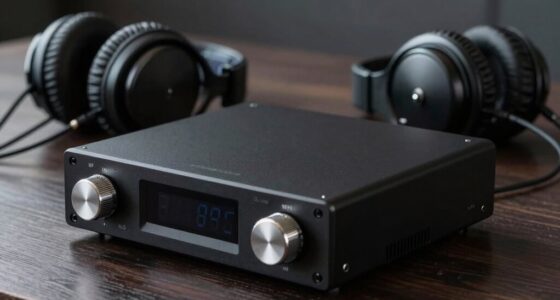
automatic audio calibration tool
As an affiliate, we earn on qualifying purchases.
As an affiliate, we earn on qualifying purchases.
Frequently Asked Questions
How Do I Identify the Source of Unusual Sounds in My Device?
To identify the source of unusual sounds in your device, start by isolating different components. Use sound masking or noise cancellation features if available, to filter out background noise and pinpoint where the sound originates. Listen carefully during different activities or settings, and try turning off devices one by one. This method helps you detect whether the noise comes from speakers, fans, or internal hardware, making troubleshooting more effective.
Can Ambient Noise Affect My Perception of Sound Quality?
Did you know that background noise can reduce auditory perception by up to 20%? Yes, ambient noise definitely affects how you perceive sound quality. When there’s a lot of background noise, your brain struggles to focus on specific sounds, making everything seem off or unclear. So, if you notice sounds aren’t right, try reducing ambient noise. Clearer surroundings help your ears and brain interpret sound more accurately, improving overall sound quality.
Are There Quick Fixes for Strange Sounds Without Technical Knowledge?
Yes, you can try quick fixes like sound therapy apps or noise cancellation headphones to improve your listening experience. These tools help filter out ambient noise, making strange sounds less noticeable. Adjusting your environment or listening at different volumes can also help. While these aren’t technical fixes, they often provide immediate relief and clarity, helping you identify whether the issue is with your equipment or the sound itself.
How Often Should I Check for Hardware Issues Causing Sound Problems?
Think of your device as a heartbeat—regular checks keep it healthy. You should perform hardware inspections for sound troubleshooting at least once every few months, especially if you notice odd noises or performance dips. Regularly checking cables, fans, and internal components helps catch issues early. Don’t wait for a problem to worsen; proactive hardware checks keep your system running smoothly and prevent unexpected breakdowns.
What Tools Can Help Diagnose Sound Issues Remotely?
You can use remote diagnostic tools like audio calibration software to identify sound issues without being physically present. These tools analyze your audio setup and help pinpoint problems. Also, make sure your software updates are current, as outdated drivers or firmware can cause sound irregularities. Combining audio calibration with regular software updates allows you to troubleshoot remotely effectively, fixing issues before they become more serious.
As an affiliate, we earn on qualifying purchases.
Conclusion
When you can’t pinpoint what’s wrong, trust your instincts and take a step back to reassess. For example, imagine a musician feeling the rhythm is slightly off during a performance. Instead of forcing it, they pause, listen carefully, and realize a subtle tuning issue. Sometimes, your subconscious senses something amiss before you can explain it. By staying attentive and open to small cues, you’ll often discover the fix and restore harmony more easily.
As an affiliate, we earn on qualifying purchases.
As an affiliate, we earn on qualifying purchases.
Halloween Picks
halloween
As an affiliate, we earn on qualifying purchases.