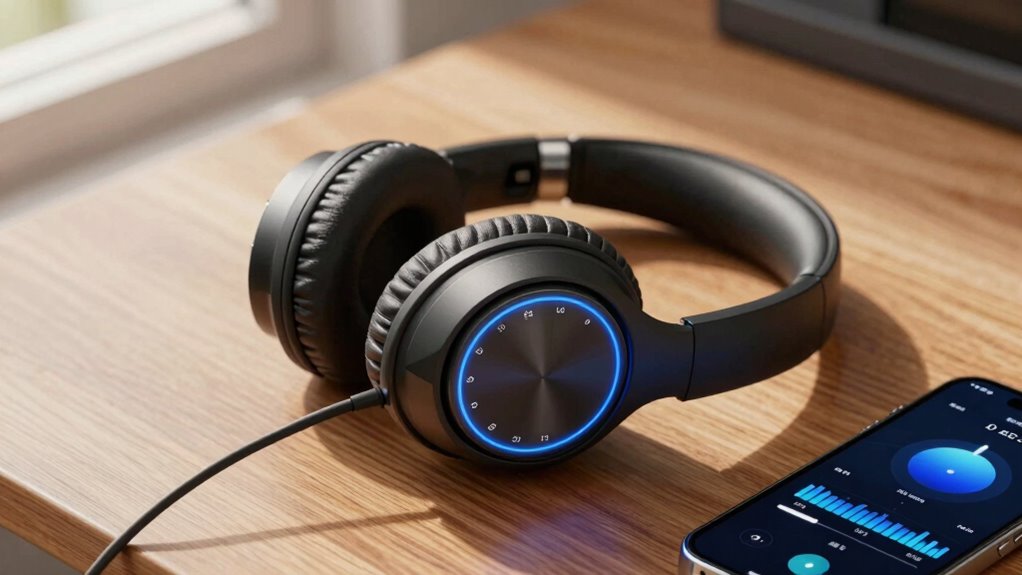
To set a safe listening volume without guessing, use a decibel meter or built-in app features to measure your device’s sound levels. Keep volume below 70 decibels, ideally under 85 dB, and take breaks every hour. Adjust your volume based on environment noise and always set limits or timers to prevent listening at harmful levels. If you keep going, you’ll discover more tips to protect your hearing effectively.
Key Takeaways
- Use a decibel meter or sound level app to measure your device’s volume and ensure it stays below 85 dB.
- Enable volume limiter features on your device or apps to automatically restrict maximum volume levels.
- Set specific volume caps through smartphone settings or dedicated safety apps for consistent safe listening.
- Regularly check and monitor decibel levels during use to prevent accidental exposure to unsafe loudness.
- Avoid increasing volume to maximum; instead, find a comfortable, distortion-free level that remains within safe decibel ranges.
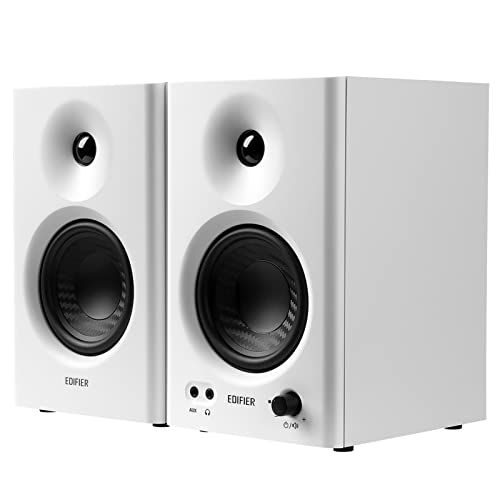
Edifier MR4 Powered Studio Monitor Speakers, 4" Active Near-Field Monitor Speaker - White (Pair)
TRUE STUDIO MONITOR – Based on the highly reviewed Edifier bookshelf speakers, professionally fine-tuned to a near-flat responsive...
As an affiliate, we earn on qualifying purchases.
How Listening Volume Affects Your Hearing
Listening to loud sounds can damage your hearing over time, even if you don’t notice it right away. When you expose yourself to high volumes, it affects your ear health and can reduce your ability to perceive sound accurately. Overexposure damages the tiny hair cells in your inner ear, which are essential for sound perception. Once these cells are harmed, the damage is often permanent, leading to hearing loss. You might also find that everyday sounds become muffled or distorted. Protecting your hearing means being mindful of volume levels and avoiding prolonged exposure to loud noises. Understanding how volume impacts your ear health, especially in relation to high refresh rates, can help you take steps to prevent long-term damage and preserve your ability to hear clearly.

Mackie CR3.5 3.5" Creative Reference Powered Studio Monitors with Tone Knob and Location Switch — Active Speakers for Music Production, Desktop Computer, Gaming, HiFi Listening
Mackie CR3.5 Creative Reference Powered Studio Monitors combine studio-quality sound with a tone control, making CR3.5 the best...
As an affiliate, we earn on qualifying purchases.
What’s a Safe Volume for Headphones and Speakers
Knowing the right volume level is key to protecting your hearing, but what exactly is safe? You should consider recommended listening levels, how long you listen, and using decibel measurements to stay within safe limits. Let’s explore how these factors help you enjoy your audio without risking damage. Incorporating air quality considerations can also improve overall listening comfort and health.
Recommended Listening Levels
To protect your hearing, it’s important to keep your listening volume at a safe level, whether you’re using headphones or speakers. Recommended listening levels generally stay below 70 decibels, which is loud enough to hear clearly without risking hearing damage. When making volume adjustments, avoid turning the volume up to maximum, as this can cause long-term harm. A good rule of thumb is to set the volume so you can comfortably hear the sound without distortion or discomfort. Using the volume limiter features on devices can help maintain safe levels automatically. Remember, hearing protection isn’t just about noise-canceling headphones; it’s about consistently listening at levels that won’t harm your ears over time. Prioritize safety to enjoy your music without risking hearing loss. Understanding safe listening levels can help you make informed choices and protect your hearing health.
Duration and Volume Limits
Maintaining safe listening habits involves more than just setting the right volume; it also means limiting how long you listen at those levels. To protect your hearing, consider volume calibration to ensure your devices aren’t too loud from the start. Keep listening sessions short—ideally no more than 60 minutes at higher volumes—and take regular breaks to give your ears a rest. Consistently exceeding recommended duration and volume limits increases the risk of hearing damage. Using volume limits or timers can help enforce these boundaries. Remember, hearing protection isn’t just about volume but also about controlling how long you expose yourself to sound. By managing both, you reduce the risk of long-term hearing issues and enjoy your audio safely. Incorporating Free Floating techniques like mindful listening can further help you stay within safe auditory limits.
Using Decibel Measurements
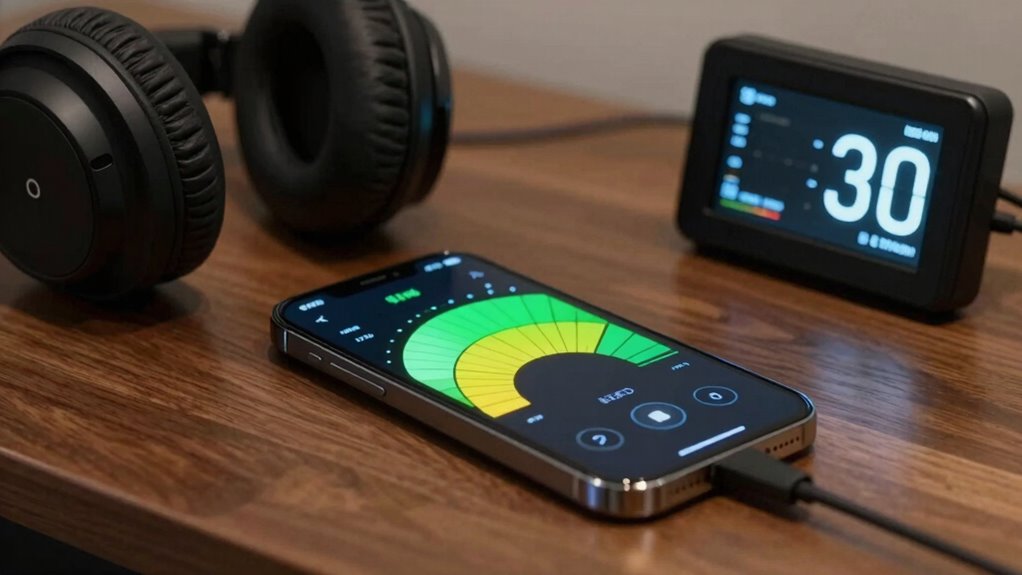
Using decibel measurements provides an objective way to determine safe listening volumes. Sound intensity is measured in decibels (dB), which helps you understand how loud your headphones or speakers are. Generally, exposure to noise levels above 85 dB can increase your risk of hearing damage over time. By monitoring decibel levels, you can prevent excessive noise exposure and protect your hearing health. Many smartphones and sound level meters allow you to measure decibel levels directly. Keeping your volume below 60% of maximum usually corresponds to safe sound intensity, but measuring actual decibel levels offers more precision. This approach removes guesswork, ensuring you stay within safe limits and enjoy your audio without risking long-term hearing issues. Additionally, understanding sound level guidelines can help you make informed decisions about safe listening practices.

PreSonus Eris E4.5-2-Way 4.5" Near Field Studio Monitor (Pair)
HONEST. Eris 4.5 near field studio monitors deliver studio-quality, accurate sound perfect for music production, hi-fi audio listening,...
As an affiliate, we earn on qualifying purchases.
Easy Habits to Keep Your Listening Safe
Establishing simple habits can go a long way in keeping your hearing safe while enjoying your favorite sounds. For example, pay attention to your listening habits by taking regular breaks and avoiding prolonged exposure. Be mindful of music genres; genres like rock or electronic can be louder, so reduce volume accordingly. To visualize this, imagine the following:
| Quiet Spot | Moderate Volume | Loud Environment |
|---|---|---|
| Reading at home | Listening to podcasts | Concerts or clubs |
| Soft music | Audiobooks | Festivals |
| Relaxing in park | Favorite playlists | Live shows |
| Studying | Gaming sessions | Noisy streets |
| Resting ears | Short listening bursts | Continuous loud noise |
Adopting these habits helps protect your hearing without guessing, making safe listening effortless. Being aware of sound intensity levels in different environments is another key aspect of maintaining hearing health.

Yamaha HS3 Powered Studio Monitor in Black, Pair (HS3 B)
Packaging: Pair
As an affiliate, we earn on qualifying purchases.
How to Use Volume Limiters and Apps to Protect Your Hearing

To effectively protect your hearing, take advantage of volume limiters and smartphone apps designed for safe listening. Volume limiters restrict the maximum volume your device can reach, preventing accidental exposure to loud sounds. Many devices and apps allow you to set a safe volume cap, giving you peace of mind during everyday use. These tools act as a proactive hearing protection measure, ensuring you don’t unintentionally listen at harmful levels. By customizing volume limits, you maintain control over your listening environment and reduce the risk of hearing damage. It’s a simple, effective way to safeguard your ears without constantly guessing or adjusting manually. Incorporating volume limiters and apps into your routine helps you enjoy your audio comfortably while prioritizing your long-term hearing health. Understanding audio safety features from at‑home beauty tech guides can further enhance your knowledge of protecting your ears.
Measure Your Listening Volume With a Decibel Meter
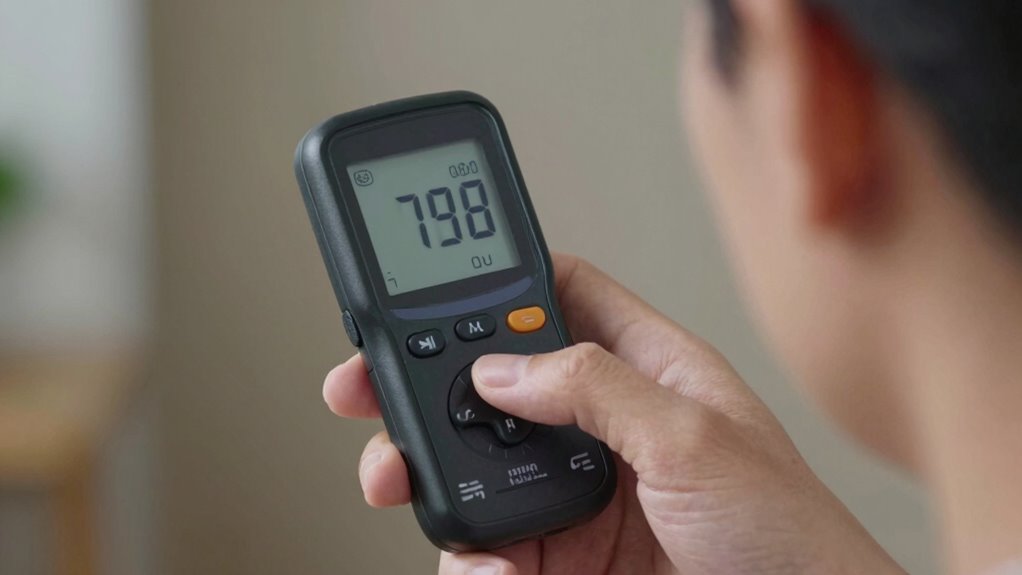
To measure your listening volume accurately, you’ll need to choose the right decibel meter for your needs. Once you have it, learn how to interpret the decibel levels to keep your sound exposure safe. Understanding these levels helps you avoid listening at damaging volumes and protect your hearing in the long run. Additionally, being aware of who makes quality decibel meters can ensure you get an accurate reading.
Choosing the Right Device
Choosing the right device is essential for accurately measuring your listening volume, and a decibel meter can be a valuable tool in this process. When selecting a device, consider its compatibility with your equipment to guarantee accurate readings. Some meters are designed for professional use, while others are more user-friendly for beginners. It’s also important to research the brand reputation, as trusted brands tend to offer better accuracy and durability. Look for devices with clear displays and reliable calibration features. Avoid cheap or unverified models that may give false readings, leading to unsafe listening levels. Investing in a reputable decibel meter makes it easier to monitor your volume consistently and helps you maintain safe listening habits over time. Additionally, understanding the best airless paint sprayers can be useful if you’re planning home improvement projects that require precise and safe application techniques.
Interpreting Decibel Levels
Understanding decibel levels is crucial for maintaining safe listening habits. Decibel comparison helps you gauge whether your device’s sound levels stay within safe limits, preventing hearing damage. Decibel levels are measured using sound level units, which quantify loudness. When you use a decibel meter, you get an accurate reading of your device’s volume. Typically, safe listening should stay below 85 decibels. If your meter shows higher readings, you’ll know it’s time to lower the volume. Recognizing the difference between various sound level units helps you interpret these measurements correctly. Additionally, being aware of ear protection options can further safeguard your hearing during loud environments. By understanding how to interpret decibel levels, you’ll be equipped to set your device to a safe volume without guesswork, protecting your hearing while enjoying your favorite audio.
Signs You’re Listening at Too High a Volume
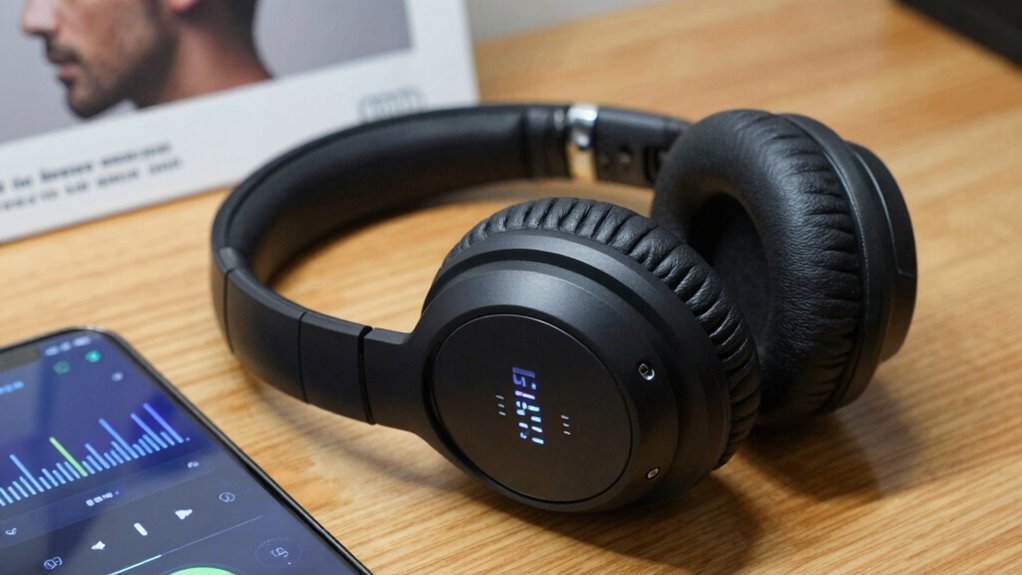
Ever wonder if you’re listening at a harmful volume? If your ears feel numb, ringing, or your hearing seems muffled afterward, these are signs your listening habits might be too loud. Listening at high volumes can threaten your ear health over time, increasing the risk of hearing loss. You might also notice discomfort or pain during or after listening sessions. If others have to shout to be heard when you’re nearby, it’s a sign your volume is too high. Pay attention to these cues and adjust your device accordingly. Recognizing these signs helps you protect your hearing and maintain healthy listening habits. Remember, listening at a safe volume preserves your ear health and ensures you enjoy your audio experiences without damage.
Frequently Asked Questions
Can I Still Enjoy Music at Lower Volumes Without Missing Out?
Yes, you can enjoy music at lower volumes without missing out. Use your device’s volume control to dial down the sound to a safe level, ensuring you still hear the details and enjoy the music. Adjust the volume gradually until you find a balance that protects your hearing while maintaining music enjoyment. Remember, a lower volume can still deliver rich sound, so don’t worry about missing out.
How Often Should I Check My Listening Volume for Safety?
You should check your listening volume regularly, ideally once a week, to guarantee proper volume calibration and hearing protection. Consistently monitor your device’s volume levels and use sound level meters if possible. By doing so, you prevent exposure to dangerously high volumes, reducing the risk of hearing damage. Making this a routine helps you enjoy your music safely without guessing, keeping your hearing protected over time.
Are There Specific Headphones That Automatically Limit Volume?
Think of your headphones as guardians that keep your hearing safe. Yes, there are headphones with built-in volume limiting and automatic features that act like vigilant sentinels, preventing excessive sound levels. These automatic headphones adjust volume in real-time, ensuring you don’t have to guess or constantly check. They’re perfect for protecting your ears and maintaining a safe listening environment, so you can enjoy your music without worry.
What Are the Long-Term Effects of Listening at High Volumes?
Listening at high volumes can cause long-term hearing loss and increase your tinnitus risk. Over time, loud sounds damage your inner ear’s hair cells, which won’t regenerate, leading to permanent hearing issues. You might also experience persistent ringing or buzzing. To protect your hearing, keep volumes moderate and take breaks. Avoid prolonged exposure to loud environments, and consider noise-canceling headphones to reduce the need for high volume levels.
Is There a Recommended Maximum Listening Time per Day?
You should limit your listening time to about 60 minutes per day at high volumes, following recommended volume limits. To protect your hearing, take breaks every 60 minutes and lower the volume. Using hearing protection like earplugs or noise-canceling headphones helps reduce risk. Staying within these guidelines helps prevent long-term damage and keeps your hearing healthy. Always listen at safe levels and give your ears regular rest.
Conclusion
By tuning into your hearing like a gentle song, you’ll keep the volume in harmony with your health. Think of your ears as delicate petals—too loud, and they’ll wither. Use volume limiters and measure your sound levels to stay in the safe zone, creating a symphony of safe listening. Remember, every soft whisper and balanced beat safeguards your hearing for many more melodies to come. Keep volume in check and let your ears dance safely.