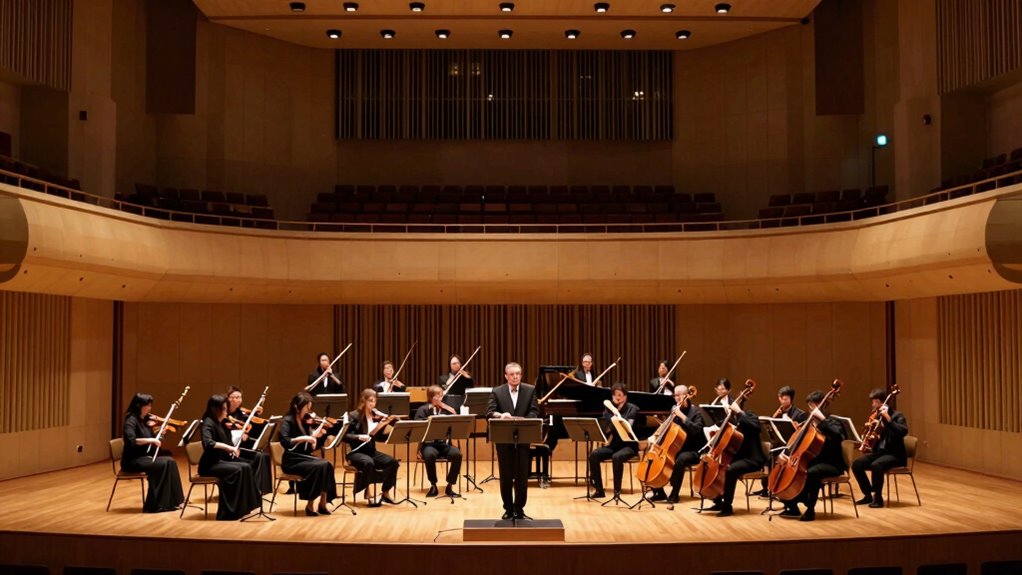

To create space without losing punch, focus on subtle panning and stereo widening techniques that enhance the sense of depth while keeping key elements centered or slightly offset. Use mid/side processing or stereo wideners carefully to avoid phase issues that can muddy clarity. Balance your mix so each instrument has its own space yet stays impactful. With proper control and perspective, you can achieve a broad, immersive stereo image that remains punchy—keep exploring to master these techniques.

Get audio and creator gear delivered free — and shop member deals
- Fast, free delivery on millions of items
- Access to Prime Big Deal Days deals on October 6–7
- Prime Video, Amazon Music and more included
Key Takeaways
- Use subtle panning and stereo widening tools to create spaciousness without overextending the stereo image.
- Keep essential elements like kick and vocals centered to maintain punch and clarity.
- Balance stereo width by adjusting mid/side processing to enhance space while preserving impact.
- Avoid excessive widening that can cause phase issues or disconnection, compromising punch.
- Regularly reference your mix on different systems to ensure space and punch are balanced effectively.
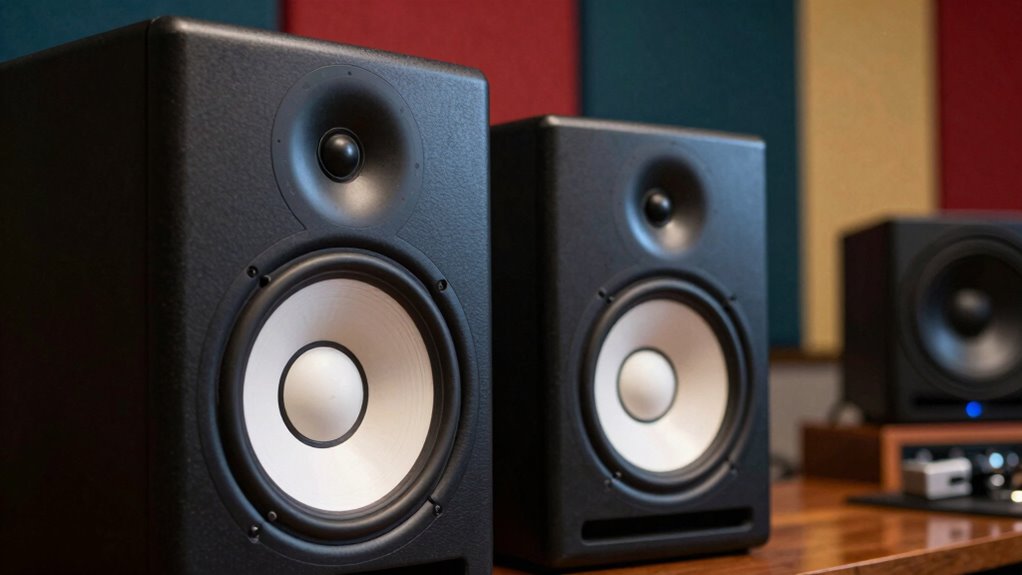
Have you ever wondered how music or sound effects seem to fill a space so vividly? It’s all about how your brain perceives the spatial qualities of sound, and that’s where stereo width plays an essential role. When you listen to a well-produced track, your sense of space and distance is shaped by stereo imaging—how different sounds are positioned across the left and right channels. Proper stereo width enhances your spatial perception, making you feel immersed in the music or sound environment. But achieving that sense of spaciousness without sacrificing punch and clarity can be tricky. It’s a balancing act: too wide, and the music sounds disconnected or blurred; too narrow, and it feels flat and lifeless.
Stereo width shapes our perception of space and immersion in music, balancing clarity with spaciousness for a vivid listening experience.
To get the perfect stereo image, you need to understand how sound is perceived in space. Your brain uses cues like time delay and volume differences between the ears to determine where sounds are coming from. When a sound is panned hard left or right, it creates a clear spatial perception, giving each element its own place within the stereo field. This separation enhances the sense of depth and width, making it seem like the instruments are spread out across a stage rather than coming from a single point. The goal is to craft a stereo image that feels natural and spacious, yet tight enough to keep the punch and impact intact. Stereo perception is a critical factor in achieving an authentic and immersive sound.
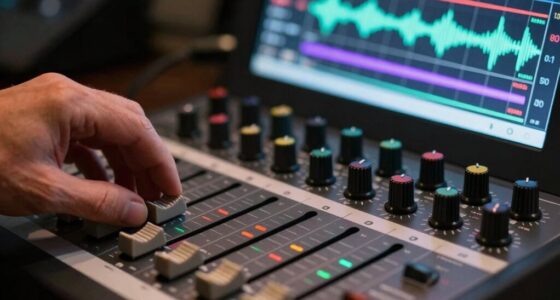
One of the most effective ways to manipulate stereo width is through panning. By carefully placing sounds across the stereo field, you can create a sense of space without losing the core energy of the mix. Wide panning can make a track feel more open, but too much can cause phase issues or a loss of focus. To preserve punch, keep the most important elements—like the kick, snare, and lead vocals—centered or slightly offset. Use stereo imaging tools, like stereo wideners or mid/side processing, to enhance the perceived width without overdoing it. These tools let you control how much of the stereo information is spread out or kept close, helping you retain clarity and impact.
In the end, achieving that perfect stereo width means understanding the relationship between spatial perception and stereo imaging. When you balance these elements carefully, you allow your music to breathe in space while still maintaining the punch that drives it. It’s about creating an immersive experience where every element has its place, and the listener feels surrounded by sound—not lost in it. With practice, you’ll learn to craft mixes that sound wide and spacious without sacrificing the energy and focus that make your tracks stand out.
As an affiliate, we earn on qualifying purchases.
Frequently Asked Questions
How Does Stereo Width Affect Overall Mix Clarity?
Stereo width directly influences your mix’s clarity by shaping spatial perception, making elements feel more distinct. When you widen the stereo image, it enhances the listener experience, giving a sense of space and depth. However, overdoing it can cause clutter, diminishing clarity. Striking the right balance ensures your mix remains punchy while still providing a spacious, clear sound that engages the listener effectively.
Can Stereo Widening Cause Phase Issues?
Yes, stereo widening can cause phase issues like phase cancellation, which might thin out your sound or cause certain frequencies to cancel each other. To avoid this, you should check your mix in mono to catch any phase problems early. Be mindful of frequency masking too, as widening can push sounds apart but may also cause overlaps that muddy your mix. Adjust your stereo spread carefully to maintain clarity and punch.
What Tools Are Best for Stereo Enhancement?
To enhance stereo imaging, you should use tools like stereo imagers and panning plugins. These tools help you widen your soundstage without sacrificing punch. Experiment with panning techniques to position elements across the stereo field, creating space and clarity. Avoid overusing widening effects, as they can cause phase issues. Focus on balancing your mix, using subtle adjustments to maintain punch while expanding the stereo image for a more immersive sound.
How Does Mono Compatibility Relate to Stereo Width?
Mono compatibility guarantees your stereo mix sounds good when summed to mono, preventing phase cancellation that can cause parts of your sound to vanish. When you expand stereo width, you risk phase issues, which can lead to mono compatibility problems. To avoid this, you should regularly check your mix in mono, making sure the stereo effects don’t cause phase cancellation, preserving clarity and punch across all listening environments.
Is There an Ideal Stereo Width for Different Genres?
Did you know that most listeners prefer a stereo width of around 30-40%? For different genres, aim for specific panning strategies—more narrow for vocals and pop, wider for orchestral or ambient tracks. Use width automation to dynamically adjust space during a song, enhancing emotion without sacrificing punch. By tailoring stereo width to your genre, you create a balanced mix that feels natural and engaging.
As an affiliate, we earn on qualifying purchases.
Conclusion
Now that you’ve uncovered the secrets to expanding your stereo width without sacrificing punch, imagine the possibilities awaiting your mixes. But don’t stop here—there’s always more to explore, subtle tweaks that can elevate your sound even further. Will you dare to push boundaries and discover new sonic dimensions? The choice is yours. Keep experimenting, stay curious, and let your music captivate listeners in ways they’ve never experienced before. The space is yours to command—are you ready?
studio monitor speakers for mixing
As an affiliate, we earn on qualifying purchases.
As an affiliate, we earn on qualifying purchases.
audio interface with multiple inputs
As an affiliate, we earn on qualifying purchases.
As an affiliate, we earn on qualifying purchases.
Fall Picks
fall essentials
As an affiliate, we earn on qualifying purchases.