
To build better phrasing, avoid starting every line on beat 1, as it can make your playing sound predictable and flat. Instead, experiment with shifting the beginning to off-beats or delaying the start slightly, creating natural rises and falls. Use accents, dynamic shaping, and varied starting points to add interest and emotional depth. Continuously applying these techniques will transform your phrases into more enthralling expressions—if you want to learn how, keep exploring further.
Key Takeaways
- Experiment with starting phrases on off-beats or weaker beats to create natural variation and interest.
- Incorporate syncopated accents to emphasize notes outside the main beat, avoiding monotony.
- Vary the initial note placement within the measure to add dynamic contour and emotional depth.
- Use deliberate phrase shaping by delaying or advancing the start to produce melodic peaks and valleys.
- Focus on intentional phrasing to enhance expression, moving beyond defaulting to on-beat beginnings.

Effective communication hinges on how you craft your phrases. When you’re singing or playing an instrument, the way you shape your musical lines can make all the difference in conveying emotion and keeping your audience engaged. One key aspect often overlooked is avoiding the habit of starting every line on beat 1. Instead, you can add interest and complexity by playing with syncopated accents and shaping your melodic contour intentionally. This approach helps create a more dynamic and expressive performance that captures attention from start to finish. Incorporating European cloud innovation principles can also inspire more modern, sophisticated phrasing techniques.
Syncopated accents are powerful tools in building better phrasing because they introduce unexpected emphasis on off-beats or weaker beats, breaking the monotony of predictable rhythms. When you emphasize a note slightly before or after the beat, you add a layer of rhythmic complexity that energizes your performance. This technique not only makes your phrasing more compelling but also enhances the overall melodic contour by highlighting specific notes and phrases. Instead of simply hitting each note on the beat, think about where you can place accents to create a more nuanced and lively line. This subtle shift in emphasis can transform a straightforward melody into a captivating musical statement.
The melodic contour, or the shape of your line, plays an essential role in how your phrase flows and how it communicates emotion. If you always start on beat 1, you might end up with a predictable, static line that lacks expression. Instead, experiment with starting phrases on different beats or delaying the beginning slightly. This creates natural peaks and valleys in your melodic contour, giving your line a more singing quality and a sense of natural ebb and flow. When you focus on shaping each phrase with intention, your music becomes more expressive, guiding the listener through the emotional landscape of the piece.

Scales and Finger Exercises for Piano | Classical Technique Sheet Music Book for Beginners and Intermediate Players | Major and Minor Scales and Arpeggios Practice by Hanon Czerny and Schmitt
Pages: 64
As an affiliate, we earn on qualifying purchases.
As an affiliate, we earn on qualifying purchases.
Frequently Asked Questions
How Can I Develop a More Natural Phrasing Style?
To develop a more natural phrasing style, focus on timing nuances and emotional expression. Instead of rigidly starting every line on beat 1, experiment with slight delays or syncopation to add fluidity. Pay attention to how your emotional cues influence rhythm, allowing your phrasing to breathe naturally. Practice with varied phrasing patterns, listen to expressive singers, and trust your instincts to make your delivery more authentic and engaging.
What Exercises Improve Rhythmic Variation in Singing?
You can improve rhythmic variation in singing through syncopation practice and rhythmic displacement exercises. Try clapping or vocalizing off-beat patterns to develop your sense of timing. Incorporate exercises that shift accents away from the downbeat, creating rhythmic displacement. By consistently practicing these techniques, you’ll gain greater control over your phrasing, making it sound more natural and dynamic, avoiding the monotony of starting every line on beat 1.
How Do Dynamics Influence Phrasing Choices?
You’ll find that dynamics greatly influence your phrasing choices by adding emotional depth and contrast. When you vary your volume with dynamic contrast, you naturally shape your phrasing, highlighting key moments and creating tension. Softer passages invite intimacy, while louder sections emphasize power. By consciously using dynamics, you can craft more expressive phrasing that resonates emotionally with your audience, making your singing more compelling and nuanced.
Can Improvisation Help With Better Phrasing?
Yes, improvisation can help you develop better phrasing. When you improvise, you experiment with vocal inflections and emotional expression, which encourages you to break free from predictable patterns. This process helps you discover natural phrasing that feels authentic and expressive. By improvising regularly, you strengthen your ability to listen, adapt, and craft more dynamic, engaging lines, ultimately improving your overall phrasing skills.
How Does Phrasing Differ Across Musical Genres?
You might think all music sounds alike, but phrasing varies wildly across genres. Jazz allows for swing feel and syncopation, while classical emphasizes precise, measured lines. Pop favors catchy, punchy phrasing, and blues leans into soulful, expressive bends. Each genre has its own nuances and phrasing conventions, so you adapt your approach accordingly. Embracing these differences helps you connect more authentically and creatively within each musical style.
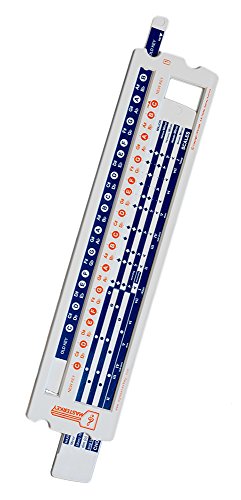
MasterKey – The Finest Music Transposing Tool. Easily Transpose Notes and Chords to Any Key with No Mistakes!
Join the Fun! MasterKey takes the mystery out of music theory!
As an affiliate, we earn on qualifying purchases.
As an affiliate, we earn on qualifying purchases.
Conclusion
By breaking free from the trap of starting every line on beat 1, you gain access to a world of musical expression. Think of your phrasing as a conversation — don’t always say “hello” first thing; instead, surprise your listeners by varying your openings. Remember, the rhythm is your playground, and your phrasing is the paintbrush. Embrace the unexpected, and watch your music become a story that captures hearts and keeps ears enthusiastic for more.

Hal Leonard Rhythm and Counting: The Practical Handbook for Mastering Rhythm – Music Theory and Timing Exercises with Online Audio
Pages: 56
As an affiliate, we earn on qualifying purchases.
As an affiliate, we earn on qualifying purchases.

Dynamic Korea and Rhythmic Form (Music / Culture)
As an affiliate, we earn on qualifying purchases.
As an affiliate, we earn on qualifying purchases.