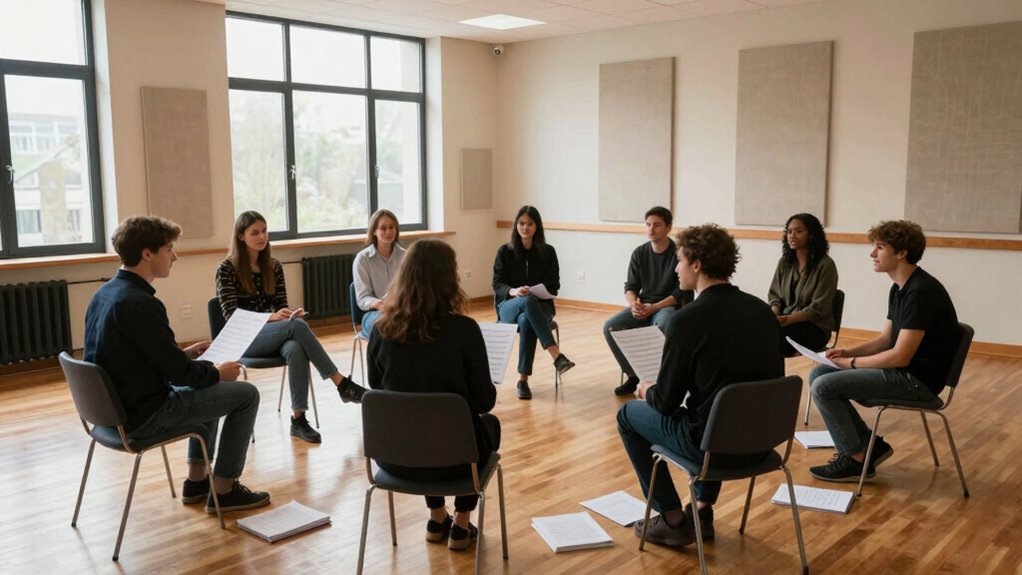

To build better rehearsals without extra gear or time, focus on deliberate practice and clear goals. Plan each session around specific elements, especially dynamics and emotional expression, to maximize impact. Encourage active listening and experimentation with volume and intensity to keep musicians engaged. Concentrate on meaningful details instead of adding more. With intentional focus and structured practice, you’ll create more effective rehearsals that lead to memorable performances—if you explore further, you’ll discover even more insights.

Get audio and creator gear delivered free with Prime
- Fast, free delivery on millions of items
- Prime Video, Amazon Music and more included
- Member-only deals all year
Key Takeaways
- Focus rehearsals on specific musical elements like dynamics and emotional expression for deeper impact.
- Set clear, measurable goals for each session to maximize efficiency and progress.
- Engage musicians actively by encouraging listening and experimentation with volume and intensity.
- Prioritize quality over quantity by dedicating time to targeted, purposeful practice.
- Use deliberate practice techniques to improve emotional connection and overall performance without extra gear.
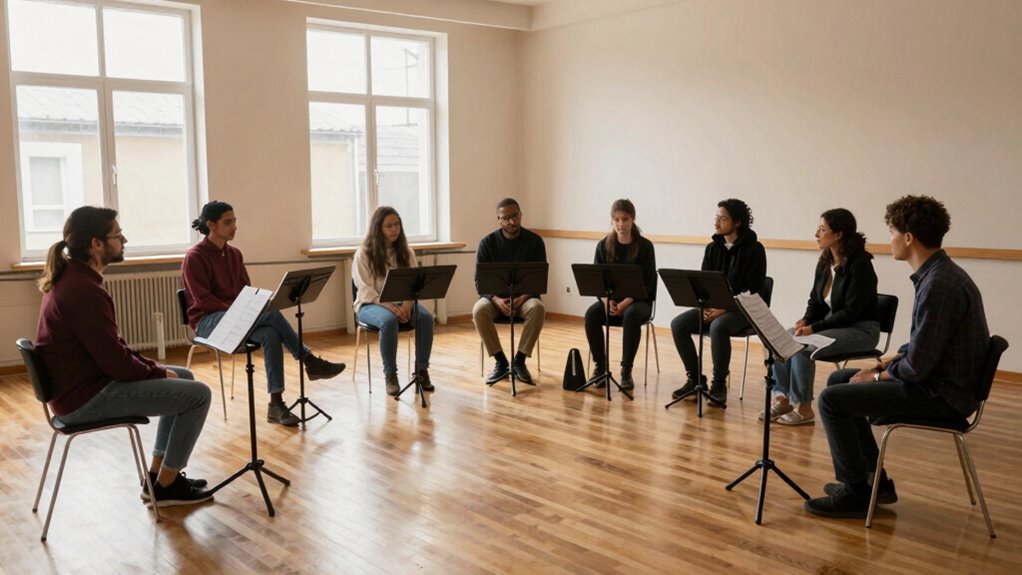
Effective rehearsals don’t happen by chance; they’re the result of careful planning and intentional practice. When you focus on how you use musical dynamics, you can make every moment of rehearsal more impactful and engaging. Dynamics aren’t just about volume—they’re about shaping the emotional contour of your performance. By deliberately practicing crescendos, decrescendos, and subtle shifts, you keep your rehearsals lively and meaningful. This not only refines your sound but also helps you connect with your audience more effectively when you perform. When you emphasize musical dynamics during practice, you create a dynamic experience for both your musicians and your listeners, heightening audience engagement and making your performances memorable.
To build better rehearsals without more gear or extra time, you need to be purposeful in your approach. Instead of running through pieces mechanically, break down sections and assign clear focus points. For example, decide that during one rehearsal, you’ll center on how well your group communicates emotional nuances through dynamics. This small shift in focus makes your practice more meaningful, and over time, it leads to more nuanced performances. You’ll find that even with limited time, your rehearsals become more productive because each session has a targeted goal, rather than just playing through the music repeatedly. Recognizing musical dynamics as a key element in performance can transform the way your team approaches practice. Incorporating musical expression into your rehearsals can also foster a deeper emotional connection among your musicians.
Engagement isn’t only for your audience—it’s also about keeping your team motivated and attentive. During rehearsals, involve your musicians actively. Ask them to listen for how their dynamic choices affect the overall mood. Encourage them to experiment with different levels of volume and intensity, which keeps everyone engaged and invested. When musicians see how their dynamic control shapes the emotional landscape, they become more aware of their role in mesmerizing the audience. This heightened awareness makes rehearsals more interactive and less monotonous.
Finally, remember that effective rehearsals are about quality, not quantity. Use your limited time wisely by focusing on specific elements like musical dynamics and audience engagement. Challenge your team to think beyond notes and rhythms—push them to consider how their expressive choices influence the story they tell. When you plan with intention and emphasize these aspects, your rehearsals become more efficient, more engaging, and ultimately, more successful. Your audience will notice the difference, and your performances will resonate more deeply with those watching.
As an affiliate, we earn on qualifying purchases.
Frequently Asked Questions
How Can I Keep Rehearsals Engaging for Everyone?
To keep rehearsals engaging, incorporate warm-up routines that energize everyone and set a focused tone. Use creative exercises to challenge your team and foster collaboration, making rehearsals more dynamic. Switch activities regularly to prevent boredom, encouraging participation and fresh ideas. By blending structured warm-ups with innovative exercises, you create an interactive environment where everyone stays motivated and invested, ultimately enhancing the quality and enjoyment of your rehearsals.
What Are the Best Ways to Handle Conflicts During Rehearsals?
When conflicts arise during rehearsals, use conflict resolution techniques rooted in emotional intelligence. Stay calm, listen actively, and acknowledge everyone’s feelings. Encourage open dialogue, helping everyone understand different perspectives. By managing emotions and fostering respect, you can de-escalate tension quickly. Address issues promptly and privately if needed, so the team stays focused and collaborative. This approach keeps rehearsals productive and maintains a positive environment for everyone involved.
How Do I Measure Rehearsal Progress Effectively?
You want to see real progress, but how? Start with clear goal setting for each rehearsal. Use progress tracking to measure how well you’re hitting those targets—whether it’s timing, cohesion, or technique. Keep notes, record sections, or mark improvements. As you monitor these signs, you’ll uncover the hidden progress that fuels motivation and guides your next steps. The secret? Consistent, intentional measurement makes success undeniable.
How Can I Improve Communication Among Team Members?
You can improve communication among team members by actively fostering positive team dynamics and implementing effective feedback strategies. Encourage open dialogue, listen attentively, and create a safe space for sharing ideas and concerns. Regularly check in with team members, ask for feedback, and respond constructively. This approach builds trust, clarifies expectations, and keeps everyone aligned, ultimately enhancing collaboration and rehearsal efficiency.
What Techniques Help Rehearse Complex Scenes Efficiently?
Did you know that thorough script analysis and scene breakdowns can make rehearsing complex scenes more efficient? By dissecting the script, you identify key moments and emotional beats, saving time during rehearsals. Focus on breaking scenes into manageable sections, then rehearse each part intensively. This approach helps you understand character motivations deeply, reducing the need for endless takes and making rehearsals more productive without extra gear or time.
emotional expression practice aids for musicians
As an affiliate, we earn on qualifying purchases.
As an affiliate, we earn on qualifying purchases.
Conclusion
By focusing on clear goals, efficient communication, and thoughtful planning, you can transform your rehearsals into powerful, productive sessions. Like a well-tuned engine, they’ll run smoothly and propel your performance forward. Remember, it’s not about having more gear or extra time, but about making the most of what you have. With these tips, you’ll build rehearsals that are as inspiring as they are effective, fueling your growth and success every step of the way.
active listening training for musicians
As an affiliate, we earn on qualifying purchases.
As an affiliate, we earn on qualifying purchases.
volume and intensity practice devices
As an affiliate, we earn on qualifying purchases.
As an affiliate, we earn on qualifying purchases.
Halloween Picks
halloween
As an affiliate, we earn on qualifying purchases.