

Practicing slowly helps you master techniques by allowing your body and mind to absorb each movement fully, which improves focus, precision, and muscle memory. It reduces the risk of errors and injury, helping you build true skill and sustainable progress. Slower practice also clarifies subtle misalignments and reinforces good habits early on. If you keep exploring, you’ll discover how slowing down can release your full potential in a way rushing never can.

Get audio and creator gear delivered free with Prime
- Fast, free delivery on millions of items
- Prime Video, Amazon Music and more included
- Member-only deals all year
Key Takeaways
- Slower practice enhances focus, allowing for better correction and refinement of technique.
- It strengthens neural pathways and muscle memory, leading to more automatic and precise movements.
- Practicing slowly reduces the risk of injury and promotes sustainable, long-term progress.
- Slowing down reveals subtle errors and misalignments, ensuring higher-quality skill development.
- It fosters deeper understanding and mastery, making faster performance more effective eventually.
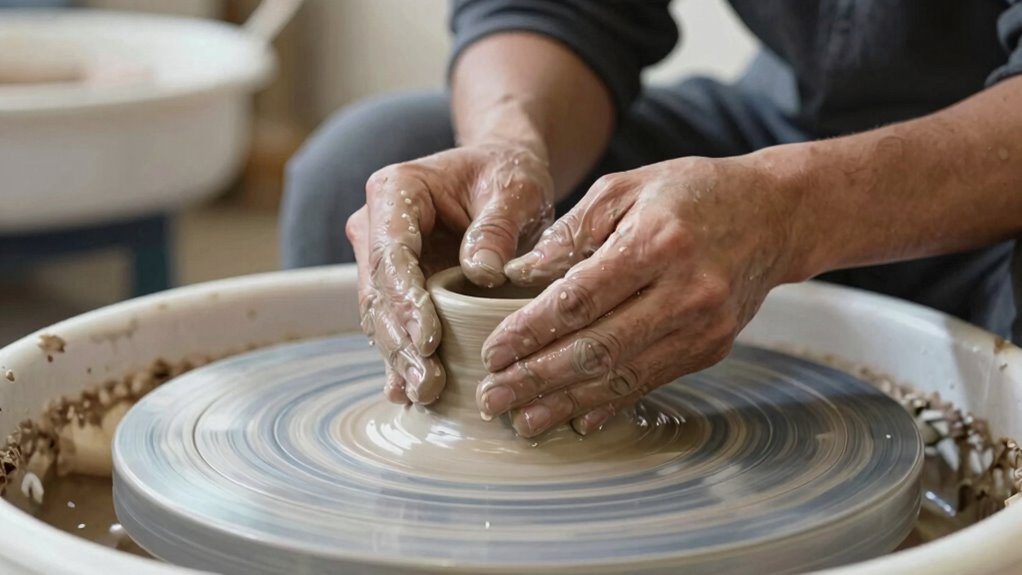
Have you ever wondered why slowing down your practice sessions often leads to better results? It’s a question that puzzles many, especially when quick repetitions seem more efficient. But when you intentionally slow down, you give your body and mind a chance to truly absorb each movement. This deliberate pace reduces muscle fatigue—you’re not rushing so your muscles get a break, preventing the tiredness that can lead to sloppy execution. Instead of pushing through with fatigue building up, you’re training smarter, allowing your muscles to engage properly without strain. This way, your practice becomes more sustainable and effective over time.
Slowing down also sharpens your mental focus. When you move at a slower speed, you become more aware of the details in your movements. You notice subtle misalignments, areas where tension creeps in, or parts of the motion that feel less controlled. This heightened awareness ensures that each repetition is precise, reinforcing good habits and correcting errors before they become ingrained. As your focus improves, your ability to execute complex techniques with consistency also increases. It’s like giving your mind a magnifying glass to scrutinize every aspect of your practice, rather than rushing past it. Additionally, understanding learning processes can help you optimize your training strategy for sustainable growth.
Moreover, practicing slowly allows you to build a stronger neural connection with each movement. When you slow down, your brain has the opportunity to process and encode the correct motor patterns more thoroughly. This deliberate practice enhances muscle memory, making your skills more automatic and reliable. Over time, these carefully crafted movements transfer seamlessly into faster, more dynamic performance, but only if you start with a solid foundation at a slower pace. Proper technique is fundamental to long-term progress and safety. Recognizing the importance of muscle memory highlights how deliberate, slower practice can lead to more durable skill development. Developing technique mastery through mindful repetition can also accelerate overall skill acquisition.
Another benefit is that slower practice reduces the risk of injury. When you’re moving quickly, it’s easier to lose control, strain muscles, or adopt poor form. Practicing at a measured speed encourages proper technique, which is essential for long-term progress and safety. It also prevents burnout caused by overexertion, keeping your motivation high and your sessions sustainable. You’ll find that by prioritizing quality over quantity, your progress accelerates naturally, even if it feels counterintuitive at first. Furthermore, incorporating mindful repetition can reinforce these good habits and promote better retention.
In the end, slowing down isn’t about taking it easy or losing momentum. It’s about being intentional with your focus and effort. When you slow down, you give yourself the space to develop muscle strength, mental clarity, and technical mastery—all crucial ingredients for meaningful growth. This approach often produces better results in the long run than mindlessly rushing through repetitions. So next time you practice, consider reducing your speed; you might just unlock a new level of proficiency that’s otherwise hidden behind the rush.
slow practice exercise equipment
As an affiliate, we earn on qualifying purchases.
As an affiliate, we earn on qualifying purchases.
Frequently Asked Questions
Does Practicing Slowly Improve Long-Term Retention?
Yes, practicing slowly improves long-term retention. When you slow down, you benefit from consistency, allowing you to master each step thoroughly. This approach enhances focus, helping you notice mistakes and correct them before moving on. Over time, this deliberate practice strengthens neural connections, making skills more durable. By practicing slowly, you build a solid foundation, which ultimately leads to better performance and lasting memory retention.
Can Slowing Down Help Reduce Performance Anxiety?
You might find that slowing down helps reduce performance anxiety, especially when you incorporate mindfulness techniques and stress reduction methods. It’s no coincidence that taking a deliberate, mindful approach allows you to breathe easier and focus on the present moment. By practicing slowly, you create space to calm your mind, diminish nerves, and build confidence. This intentional pacing can transform anxiety into a sense of control and steady resilience.
Is Slow Practice Effective for All Skill Levels?
Slow practice is effective for all skill levels because it allows you to focus on speed, precision, and technique. As a beginner, slowing down helps you learn proper form and build confidence. For advanced players, it refines muscle memory and control. By adopting a speed focus during slow practice, you guarantee steady progress and prevent errors, making it a valuable approach regardless of your experience level.
How Does Slow Practice Influence Muscle Memory Development?
Slow practice enhances muscle memory by allowing you to focus on muscle engagement and precise movements. This deliberate approach helps you build stronger neural pathways, leading to better coordination and accuracy over time. When you practice slowly, you reinforce correct techniques, making it easier for your brain and muscles to remember what to do. As a result, your skills become more automatic and reliable during faster performances.
What Are Common Misconceptions About Slow Practice?
Did you know that 70% of musicians believe practicing fast is always better? One common misconception about slow practice is that it hinders progress, but it actually enhances technique myths like focusing solely on speed. People often think speed equals accuracy, yet slow practice emphasizes precision and muscle memory, leading to better long-term mastery. Slowing down isn’t about losing progress; it’s about building a stronger, more reliable foundation.
As an affiliate, we earn on qualifying purchases.
Conclusion
So, next time you’re tempted to rush through practice, remember that slowing down isn’t a sign of weakness. It’s a sign of mastery. It’s a way to understand better, to remember longer, and to perform smarter. Practice slow, practice deep, practice precise. Because in the end, slowing down isn’t a setback — it’s the secret to truly progressing, truly improving, and truly mastering what you do. Keep it slow, keep it steady, keep it smart.
technique correction training aids
As an affiliate, we earn on qualifying purchases.
As an affiliate, we earn on qualifying purchases.
As an affiliate, we earn on qualifying purchases.
Evergreen bestsellers Picks
bestsellers
As an affiliate, we earn on qualifying purchases.