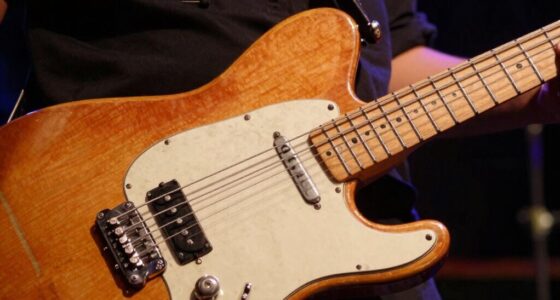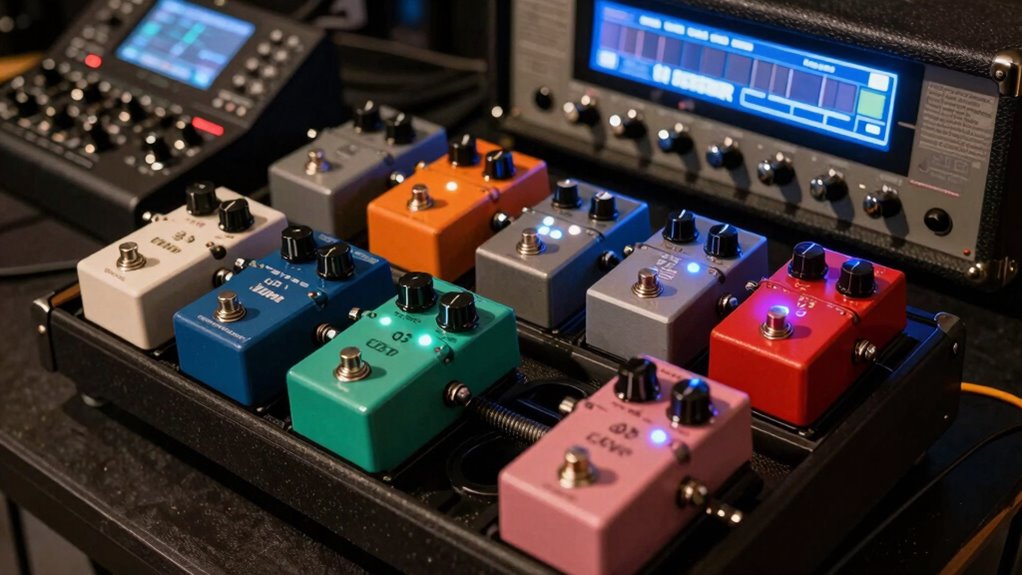
As a gigging player, amp modelers let you emulate classic and modern amp sounds from a single device, making your setup more portable. Pedalboards organize effects like distortion, delay, and modulation for quick tone tweaks, while noise management tools keep your sound clear. Reverb units add space and depth, from subtle ambiance to lush echoes. Combining these tools creates a versatile, professional tone—if you want to learn how to maximize their potential, keep exploring these options.

Get audio and creator gear delivered free with Prime
- Fast, free delivery on millions of items
- Prime Video, Amazon Music and more included
- Member-only deals all year
Key Takeaways
- Amp modelers replicate classic and modern amp tones, reducing the need for multiple physical amps during gigs.
- Pedalboards organize effects like distortion, delay, and modulation for quick tone changes on stage.
- Proper signal chain management minimizes noise and ensures clean, professional sound in live performances.
- Reverb units add depth and ambiance, enhancing overall sound quality and creating spacious effects.
- Integrating EQ and compression with effects delivers a versatile, polished tone suitable for various gig settings.
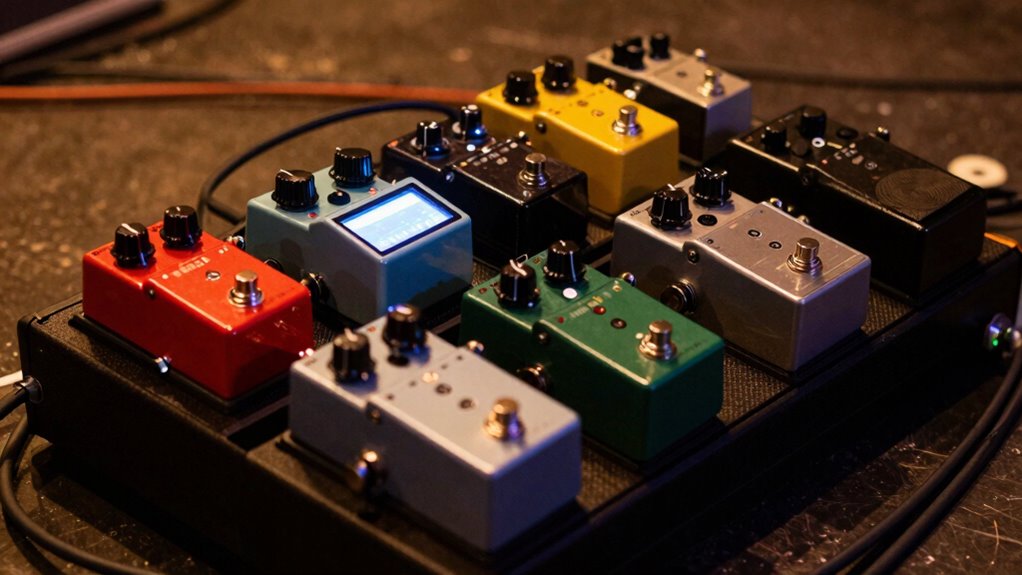
If you’re a gigging musician looking to streamline your rig and achieve versatile sounds, understanding amp modelers, pedalboards, and reverb units is essential. These tools help you craft the perfect tone while keeping your setup manageable. When aiming for vintage tones, amp modelers are invaluable because they emulate classic amplifier sounds with precision. You can dial in the warmth of a vintage tube amp or the gritty crunch of a vintage combo, all from a single device. This flexibility allows you to switch between styles effortlessly during a set, saving you from lugging around multiple amps. Plus, many amp modelers include noise reduction features that help eliminate unwanted hum and hiss, which is especially useful when you’re using multiple pedals or playing at high gain levels. Noise reduction not only clears up your tone but also prevents distractions during your performance, ensuring your sound remains clean and professional. Additionally, understanding how to manage signal chains effectively can further improve your tone and reduce noise issues. Proper signal chain management can optimize your tone and minimize unwanted noise, making your live performance smoother. Implementing proper cable connections and maintaining your gear regularly can also prevent many common noise problems. Pedalboards further enhance your rig’s versatility by organizing various effects into one compact unit. With a well-designed pedalboard, you can easily access everything from distortion and delay to modulation effects. This setup gives you quick control over your tone, letting you switch from a shimmering clean sound to a heavy, distorted riff with a tap of your foot. When incorporating vintage tones, pedals like analog delay or overdrive can replicate classic sounds, adding character and authenticity to your performance. Combining these with amp modelers creates a seamless workflow—you can select the ideal amp model and then tweak your pedals to suit the style. Noise reduction pedals or gates integrated into your pedalboard help manage unwanted noise, especially when stacking high-gain effects or multiple pedals. Reverb units are essential for adding space and depth to your sound, whether you’re aiming for a subtle ambiance or a lush, spacious vibe. Modern reverb units are versatile enough to emulate everything from spring and plate reverbs to more ambient, hall-like spaces. When you’re after vintage tones, some reverb units are designed to mimic the classic reverb sounds from vintage amps, giving your tone an authentic retro feel. They also often include noise reduction features to prevent reverb tails from adding unwanted noise to your signal. Incorporating sound-shaping tools like EQ and compression can further refine your tone and ensure clarity in live settings. By understanding how to integrate your effects effectively, you can achieve a cohesive and polished sound. Combining a quality reverb with your amp modeler and pedalboard gives your sound dimension and polish, making your tone stand out in a live setting. Overall, mastering these components empowers you to deliver a wide palette of sounds with clarity and efficiency, no matter how demanding your gig might be.
As an affiliate, we earn on qualifying purchases.
Frequently Asked Questions
How Do I Choose the Right Amp Modeler for My Style?
To choose the right amp modeler for your style, consider its compatibility with your current gear and how well it offers tone customization. Try out different models to see which one matches your preferred sound and playing techniques. Focus on features like amp simulations, effects, and user interface. A modeler that adapts to your style and integrates seamlessly will boost your performance on stage.
What Power Supply Is Best for Pedalboards?
Think of your pedalboard as a symphony orchestra—your power supply keeps everything in harmony. The best power supply options are those with isolated outputs, reducing ground loops and noise. Look for models with noise filtering techniques that keep unwanted hum at bay. This guarantees clean, reliable power, so your pedals sing instead of squeal. Choose wisely, and you’ll enjoy seamless performance on every gig.
How Do I Prevent Signal Loss in Complex Pedal Setups?
To prevent signal loss in complex pedal setups, use high-quality cables with good shielding to minimize interference. Keep cable runs short where possible, and avoid running signals near power supplies or noisy equipment. Regularly check your connections, and consider investing in a buffer pedal or true bypass pedals to preserve tone. Also, choose power supplies that guarantee consistent voltage, as poor power can affect battery life and signal integrity.
Can Reverb Units Be Used With Acoustic Guitars?
Can reverb units be used with acoustic guitars? Absolutely. Think of your acoustic as a canvas, and the reverb as the brushstroke that adds depth. Spring reverb offers a vintage, warm feel perfect for intimate performances, while Hall reverb creates lush, spacious soundscapes ideal for larger venues. Both types enhance your tone, making your acoustic sound richer and more immersive. Just make certain your reverb unit’s settings complement your playing style.
How Do I Program Multiple Sounds on a Single Amp Modeler?
To program multiple sounds on a single amp modeler, start by customizing your tones through tone customization settings, adjusting parameters to your liking. Save each configuration as a preset, and use the preset management feature to easily switch between different sounds during gigs. This way, you can quickly access your desired tone without hassle, ensuring seamless shift for various songs or styles.
As an affiliate, we earn on qualifying purchases.
Conclusion
Understanding amp modelers, pedalboards, and reverb units can transform your gigging setup. Did you know that nearly 65% of live performers now rely on digital modeling for quick, versatile tone changes? By mastering these tools, you’ll enhance your sound, streamline your rig, and stay ready for any stage. Keep experimenting and refining your gear — your perfect tone is within reach, and these innovations make it easier than ever to achieve it.
As an affiliate, we earn on qualifying purchases.
As an affiliate, we earn on qualifying purchases.
Fall Picks
fall essentials
As an affiliate, we earn on qualifying purchases.