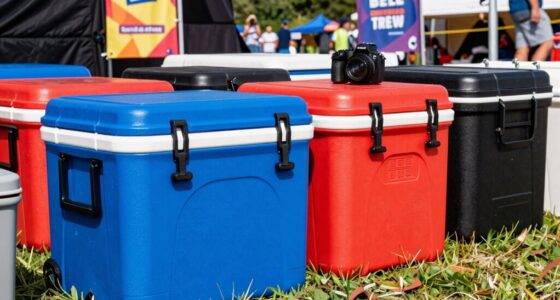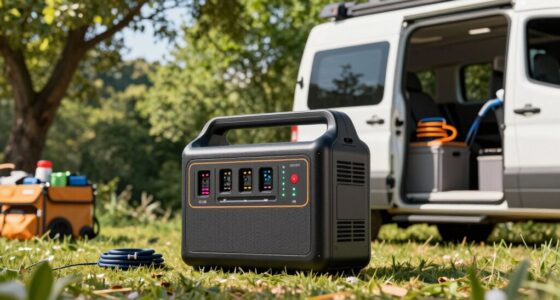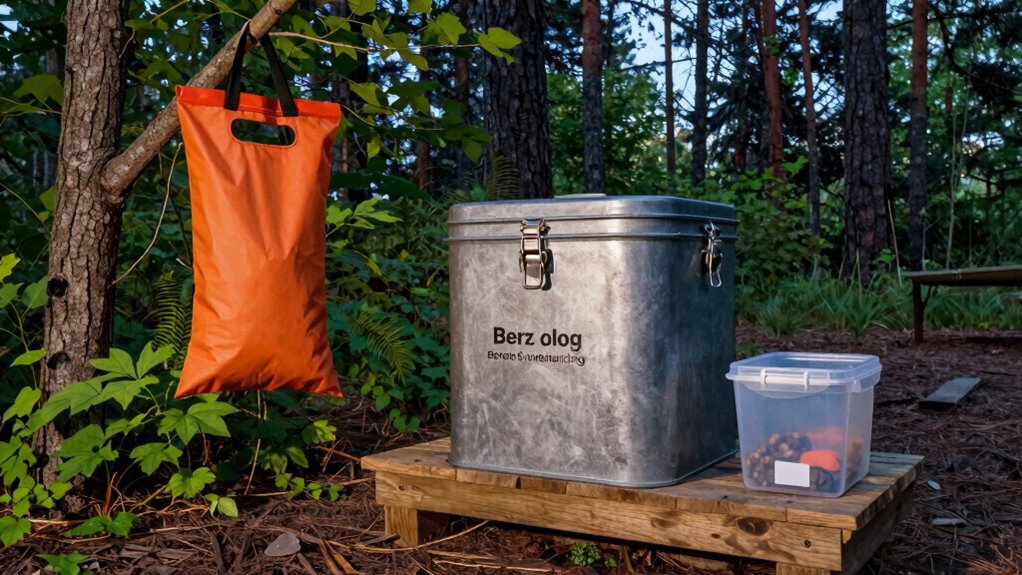
To keep wildlife away while camping, store your food in sturdy, airtight containers that are hard for animals to open. Hang these from a tree at least 10 feet off the ground and 4 feet from the trunk, or use bear-proof containers if available. Keep your food sealed and stored in odor-proof bags, away from your tent and sleeping area. Following these tips helps prevent animals from becoming attracted to your camp—and there’s more to learn for added security.
Key Takeaways
- Use sturdy, airtight, tamper-resistant containers made of hard plastic or metal to prevent animals from accessing food.
- Store food in odor-proof bags or dedicated containers to minimize scent leakage attracting wildlife.
- Hang food from a tree or suspend it at least 10 feet high and 4 feet away from the trunk to deter animals.
- Keep food away from tents and sleeping areas, in a cool, sheltered spot outside your campsite.
- Follow local regulations and use recommended wildlife deterrents to ensure safe, environmentally responsible storage.
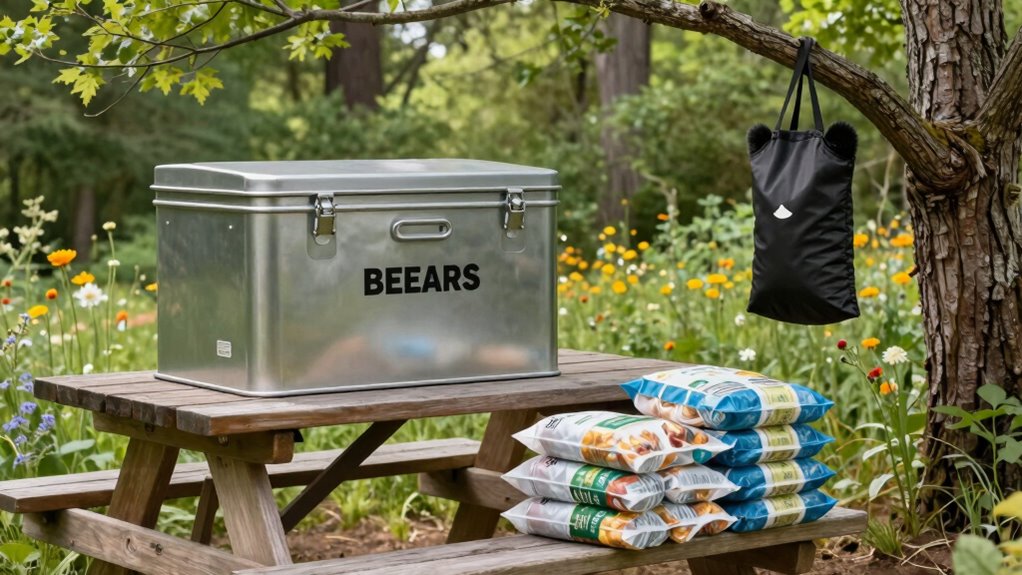
When camping, proper food storage is essential to keep your meals fresh and safe while preventing wildlife from becoming a problem. Wildlife deterrents play a vital role in this process because animals are naturally curious and can quickly be attracted to the smell of food. The key is to use safe container choices that prevent animals from accessing your provisions. You want to avoid leaving food out in the open, as even small amounts of scent can lure animals like raccoons, bears, or squirrels to your campsite. Instead, invest in sturdy, secure containers designed specifically for outdoor use. These containers should be airtight, durable, and resistant to tampering, ensuring that no animal can get through them.
When selecting containers, look for ones made from hard plastic or metal with locking lids. Soft bags or flimsy plastic wrap aren’t reliable because animals can easily tear into them. A good rule of thumb is to choose containers that require some effort to open, so wildlife is discouraged from trying. You might also consider using bear-proof containers if you’re in an area with larger wildlife; these are built to withstand significant force and are often mandated by park regulations. Remember, the goal isn’t just to keep your food safe but also to prevent animals from associating human scent with food sources, which can lead to dangerous encounters or animals becoming dependent on human food.
In addition to choosing the right containers, you should store these containers in a way that minimizes scent leakage. Keep your food containers in a sealed, odor-proof bag or a dedicated food bag to contain smells. When not actively cooking or eating, store your food in a cool, sheltered location away from tents or sleeping areas. If possible, hang your food from a tree branch or suspend it in a bear bag, at least 10 feet off the ground and 4 feet from the trunk. This method adds an extra layer of security by making it tougher for animals to reach your food. Proper food storage techniques also help prevent the spread of odors that attract wildlife. Always check local guidelines, as some parks or wilderness areas might have specific rules about food storage and wildlife deterrents.
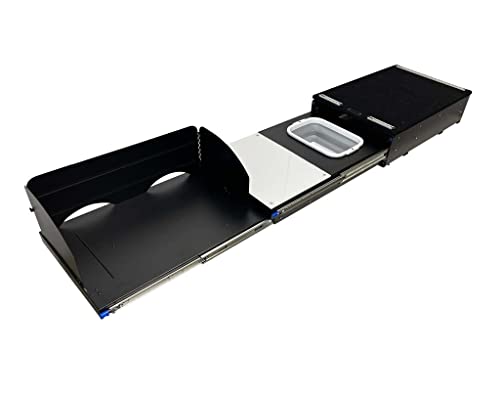
Overland Vehicle Systems Camp Cargo Box Kitchen with Slide Out Sink, Cooking Shelf and Work Station - Aircraft Grade Aluminum with Stainless Steel Hardware - for SUV, Truck, or Trailer
Overland Vehicle Systems Cargo Camp Kitchen is a perfect addition for camping/overlanding out of your SUV, Truck, or...
As an affiliate, we earn on qualifying purchases.
Frequently Asked Questions
What Are the Best Materials for Bear-Proof Containers?
You should choose bear-resistant containers made from durable storage materials like heavy-duty plastic or metal. Look for containers specifically labeled as bear-proof, which are designed to withstand bear attempts to access them. These sturdy storage materials prevent bears from breaking in, keeping your food safe. Always guarantee the containers are properly sealed and stored away from your sleeping area to reduce the risk of attracting bears.
How Can I Tell if Food Has Attracted Animals?
Imagine your campsite turning into a wildlife scent buffet—if you notice paw prints around your food storage, chew marks, or strange noises at night, animals are attracted. Check for animal signs like disturbed containers, scat, or fur. If your food disappears faster than you can say “snack attack,” it’s a clear sign animals have found your stash. Stay alert, and keep your food sealed tight to avoid turning your camp into a wildlife extravaganza.
Are There Eco-Friendly Food Storage Options?
Yes, eco-friendly food storage options exist. You can use reusable storage bags made from durable, biodegradable materials to keep your food fresh and reduce waste. Additionally, consider composting food scraps responsibly to minimize odor and attract animals. These options help protect the environment while keeping your campsite tidy, making your camping experience more sustainable and animal-safe.
How Do I Store Food Safely in Hot Weather?
A stitch in time saves nine, so when storing food in hot weather, act quickly. You should minimize wildlife attractants by keeping food sealed tightly and using scent barriers like odor-proof containers. Store your food in a cool, shaded spot away from animal paths, and avoid leaving leftovers out. Regularly check your storage to prevent food scent buildup, ensuring animals stay away and your camp stays safe.
What Are Common Mistakes to Avoid When Storing Food?
You should avoid common mistakes like using improper containers or insecure packaging that animals can easily access. Always choose proper containers that seal tightly and are made of durable materials. Don’t leave food out in the open or forget to secure packaging, especially in hot weather when scents attract animals. Double-check that lids are tight and packaging is intact to keep your food safe and prevent unwanted visitors.

SylvanSport Outdoor Camp Kitchen System for Easy Cooking, Clean Up, Camping Meal Prep, Glamping and Camping Essentials, Dine-o-Max Large Version
FULL CAMP KITCHEN: The Ultimate Camping Kitchen with Two Solid Bamboo Countertops for outdoor cooking provides 8.8 square...
As an affiliate, we earn on qualifying purchases.
Conclusion
Now that you know how to store your food properly, you’re almost ready for a safe, worry-free camping trip. But remember, even the best precautions can sometimes be tested by curious creatures lurking nearby. Stay vigilant, keep your food sealed tight, and never underestimate the cleverness of animals. With these tips, you’re set to enjoy your adventure—just be prepared for the unexpected visitor that might be waiting around the corner. Your wilderness experience awaits!
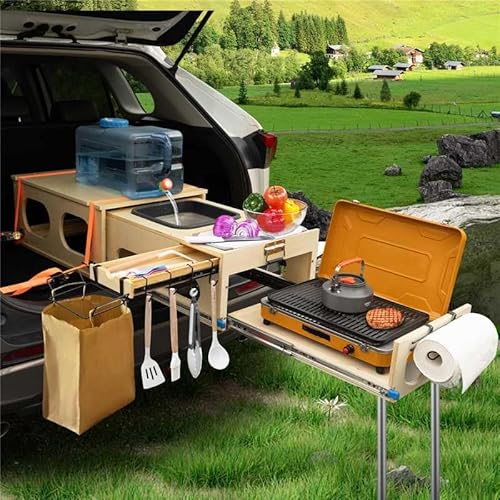
SHIWAGIN Overland Kitchen Slide-Out System, All-in-One Camp Kitchen Box with Sink, Chopping and Cooking Features, Folding Camping Table for SUV, Overlanding & Car Camping, Quick 1-Minute Setup
All-in-One Slide-Out Camp Kitchen: Transform your camping experience with the Jagahaha Overland Kitchen. Designed with a slide-out system,...
As an affiliate, we earn on qualifying purchases.

Aimondow Folding Storage Box with Table, 3 in 1 Camping Collapsible Bins with Parking Warning Sign, Multifunctional Foldable Container, Outdoor Storage Bin for Picnic, Home, Office, Car
Multi-functional Design: The folding storage box table has multiple functions and is an essential outdoor camping accessory. It...
As an affiliate, we earn on qualifying purchases.