
To choose the right lithium power station for emergency backup without overbuying, start by evaluating your device energy needs and calculating the total power required. Consider the capacity you need for short-term or long-term outages, and match it to the backup duration you want. Balance capacity with portability, knowing larger units store more energy but are heavier. If you keep these factors in mind, you’ll find a station that’s perfect for your needs—more details lie ahead.

Get audio and creator gear delivered free with Prime
- Fast, free delivery on millions of items
- Prime Video, Amazon Music and more included
- Member-only deals all year
Key Takeaways
- Assess your device power needs and calculate the total energy required for essential appliances.
- Choose a battery capacity that matches your backup duration without excessive overcapacity.
- Understand battery chemistry to select a durable, efficient power station suited for emergencies.
- Prioritize portability features if mobility is important; balance size and weight with capacity needs.
- Consider whether a stationary or portable unit best fits your emergency scenario to avoid unnecessary expense.
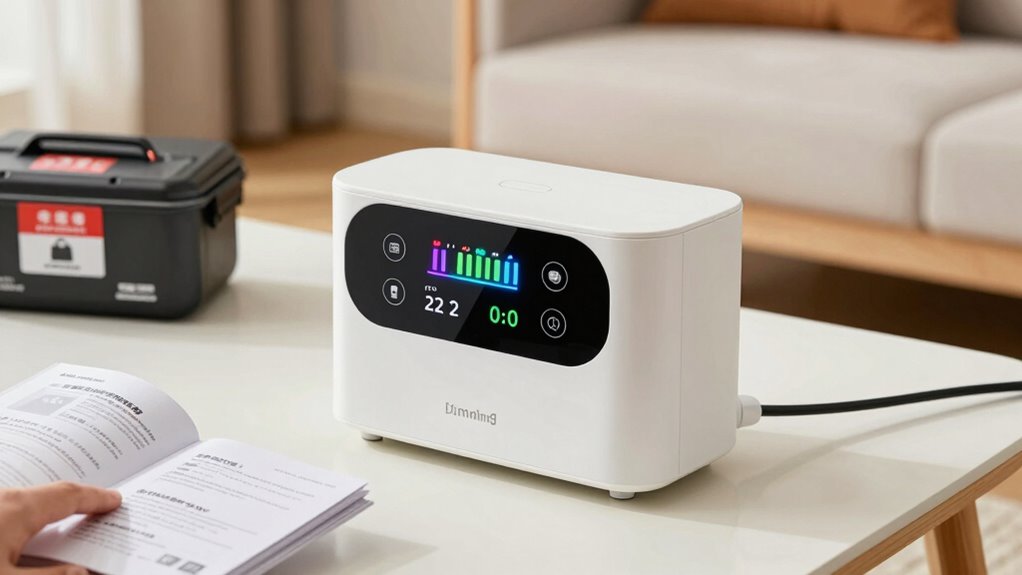
When selecting a lithium power station, it’s crucial to understand your specific energy needs and how different models meet those requirements. One of the most critical factors to evaluate is battery capacity. This determines how much energy the station can store and, consequently, how long it can power your essential devices during an outage. If you’re preparing for short-term emergencies, a smaller capacity might suffice, allowing for a more compact and lightweight unit. However, if you want to run multiple appliances or keep your devices powered for extended periods, you’ll need a model with a larger battery capacity. Take stock of the devices you plan to use, note their power consumption, and calculate the total energy you’ll need to keep everything running comfortably. This step guarantees you avoid overbuying a high-capacity station that’s unnecessary for your needs, saving you money and reducing bulk.
Additionally, understanding battery chemistry can help you select a more durable and efficient power station tailored to your emergency requirements.
In addition to capacity, portability features play a critical role in choosing the right lithium power station. During emergencies, you might need to move the station quickly or carry it to different locations, so lightweight design, handles, and compact form factors matter. Look for models with built-in carrying handles, ergonomic designs, or even wheels if you expect to transport it frequently. Some units are designed with foldable or retractable features that make storage and movement easier. Remember, a larger capacity often means increased weight, so balance your power needs with portability. If you anticipate needing to carry the station over long distances or through difficult terrain, prioritize models with strong, comfortable grips and manageable weight. Conversely, if you plan to keep the station stationary in a fixed location, you can opt for heavier, higher-capacity options without much concern.
Considering both battery capacity and portability features helps you fine-tune your choice. A station with sufficient capacity ensures you won’t run out of power when you need it most, while good portability features guarantee you can access that power wherever and whenever you need it. Always think about the trade-offs: larger capacity units tend to be heavier and less portable, but they provide more power. Smaller, lightweight models are easier to handle but may not support longer-term backup needs. By evaluating your specific requirements, such as how many devices you need to run and how mobile you need to be, you can select a lithium power station that strikes the right balance between capacity and portability without overbuying or underpowering your emergency setup.
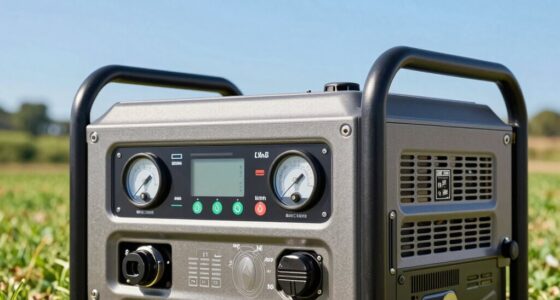
portable lithium power station for emergencies
As an affiliate, we earn on qualifying purchases.
As an affiliate, we earn on qualifying purchases.
Frequently Asked Questions
How Long Do Lithium Power Stations Typically Last on a Single Charge?
A lithium power station typically lasts between 5 to 10 years on a single charge. Its battery lifespan depends on the number of charge cycles, usually around 300 to 500 cycles before capacity drops markedly. If you use it daily, expect shorter durations, but for emergency backup, it can reliably power devices for hours or days. Proper maintenance and avoiding deep discharges help maximize its lifespan and charge cycle efficiency.
Are Lithium Power Stations Safe to Store Long-Term?
Yes, lithium power stations are safe to store long-term when you follow proper storage safety practices. To preserve battery lifespan, keep them in a cool, dry place, avoiding extreme temperatures and humidity. Regularly check the power station’s condition and avoid full discharges. Proper storage safety guarantees your lithium power station remains reliable and ready for emergencies without risking damage or safety hazards over time.
Can Lithium Power Stations Be Charged With Solar Panels?
Yes, lithium power stations can be charged with solar panels. Check the solar panel compatibility to guarantee it matches your station’s input specifications. Using solar panels is a great way to keep your power station charged sustainably. Keep in mind that charging times vary depending on the panel’s wattage and sunlight conditions. By choosing the right setup, you’ll enjoy reliable, eco-friendly power during emergencies or outdoor adventures.
What Maintenance Is Required for Lithium Power Stations?
Think of your lithium power station as a garden that needs regular tending. To extend its battery lifespan, you should follow a simple maintenance schedule—keep it charged, avoid deep discharges, and store it properly when not in use. Regularly check for firmware updates and clean vents to prevent dust buildup. These small acts guarantee your power station stays reliable, ready to serve when you need it most.
How Do I Ensure Compatibility With My Household Devices?
To guarantee compatibility with your household devices, check the lithium power station’s voltage compatibility to match your devices’ requirements. Also, verify plug compatibility to ensure the power station’s outlets fit your device plugs. If needed, use appropriate adapters or converters. Always read the specifications carefully, and consider consulting the manufacturer’s guidelines to make sure your devices will work safely and efficiently with the power station during emergencies.
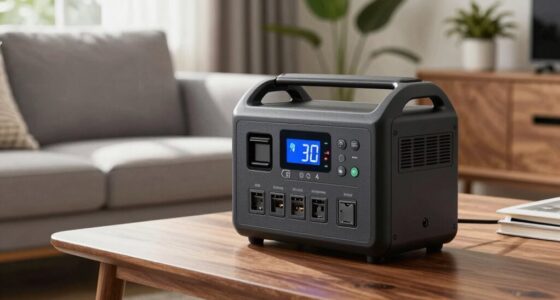
compact backup power station with high capacity
As an affiliate, we earn on qualifying purchases.
As an affiliate, we earn on qualifying purchases.
Conclusion
Don’t let the fear of overpaying hold you back—selecting the right lithium power station is about balancing capacity with your actual needs. By evaluating your essential devices and understanding your power requirements, you avoid overspending while ensuring reliable backup power. Remember, a well-chosen station provides peace of mind without unnecessary costs. So, take the time to evaluate your needs carefully—you’ll be prepared for emergencies without overbuying, and that’s what truly counts.
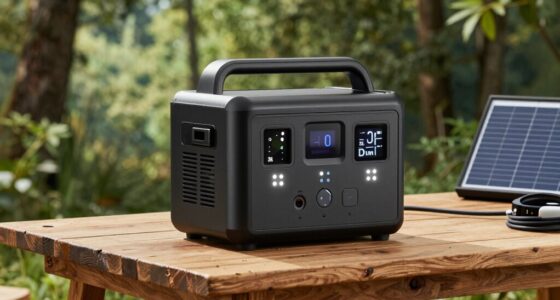
lightweight lithium battery generator
As an affiliate, we earn on qualifying purchases.
As an affiliate, we earn on qualifying purchases.
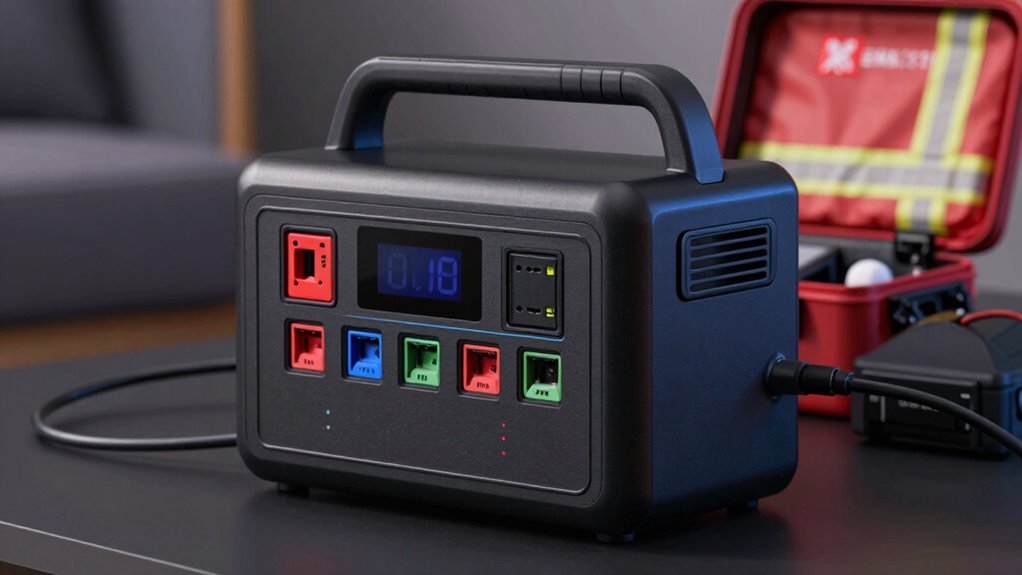
emergency portable power station with handles
As an affiliate, we earn on qualifying purchases.
As an affiliate, we earn on qualifying purchases.
Halloween Picks
halloween
As an affiliate, we earn on qualifying purchases.