
To save hours on a show run, plan your route carefully by choosing truck stops with good amenities, minimal congestion, and quick fueling options. Use GPS or routing software to find the fastest paths and avoid unnecessary backtracking. Schedule refueling and breaks efficiently, and stay flexible with real-time traffic updates. By combining these strategies, you’ll minimize driving time and stay on schedule—keep going to discover more tips for optimizing your route.
Key Takeaways
- Use GPS and routing software to identify the fastest, least congested routes with real-time traffic updates.
- Strategically sequence stops to minimize backtracking and ensure timely arrivals at priority destinations.
- Select truck stops with efficient amenities and quick refueling options to reduce downtime.
- Build buffers into your schedule for potential delays and maintain flexibility for rerouting.
- Plan stops and routes to maximize fuel efficiency, reducing unnecessary mileage and conserving time.
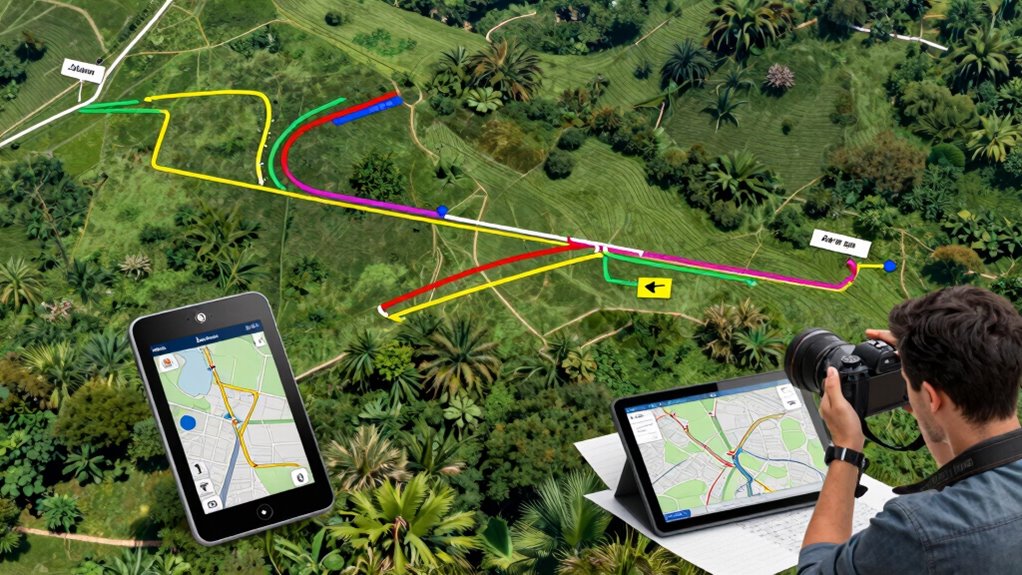
Planning a show run route is a essential step in ensuring a smooth and successful event. When you’re managing multiple stops, your goal is to optimize efficiency while minimizing delays, and that’s where understanding truck stop logistics becomes fundamental. By carefully selecting your stops and the order you visit them, you can streamline your entire route. This involves knowing which truck stops offer the best amenities, fueling options, and parking facilities, so you can plan refueling and breaks without wasting time. Good truck stop logistics allow you to avoid unnecessary detours and crowded locations, helping you stick to your schedule and reduce stress during the run.
Fuel efficiency strategies are also indispensable when planning your route. Every mile counts, and the more efficiently you use fuel, the more money and time you save. To do this, consider routes with steady traffic flow and minimal stop-and-go driving, which can drain fuel faster. Use GPS or routing software that accounts for current traffic conditions to identify the quickest paths and avoid congestion. Also, plan your refueling stops strategically—filling up at locations that offer competitive prices and quick service can keep your schedule on track. Combining these stops with rest breaks at truck stops that provide amenities like showers, food, and secure parking maximizes your time management.
As you chart your route, pay close attention to the sequencing of stops. Prioritize high-priority destinations early if they have strict deadlines, and set a logical order that reduces backtracking. Mapping out the most direct route minimizes unnecessary mileage, which directly impacts fuel consumption and overall efficiency. Don’t forget to factor in potential delays such as construction or weather, and build in buffer time to handle unforeseen issues without throwing off your entire schedule.
Furthermore, staying flexible is key. Use real-time traffic updates to adjust your route on the fly, especially if a particular truck stop becomes crowded or if an accident causes congestion. Having multiple route options prepared can save you hours of driving and keep your show run on schedule. Remember, the goal is not just to reach each destination but to do so in a way that conserves fuel, maximizes time, and reduces driver fatigue. When you combine meticulous planning of truck stop logistics with solid fuel efficiency strategies, you set yourself up for a seamless, cost-effective show run that keeps everyone happy and on time.
Frequently Asked Questions
How Do I Prioritize Stops in a Show Run Route?
You should prioritize stops in your show run route by focusing on route optimization and stop sequencing. Start by listing all stops and then arrange them based on proximity to minimize backtracking. Use mapping tools to visualize the most efficient sequence, ensuring high-priority stops are earlier in the day. This approach reduces driving time, conserves fuel, and keeps your schedule on track, making your show run smoother and more productive.
What Tools Are Best for Mapping a Show Run?
You should use tools like Google Maps, Route4Me, or OptimoRoute for mapping your show run. These platforms excel in fleet management and route optimization, helping you visualize stops efficiently. Investigate their features to see which best suits your needs. By leveraging these tools, you can plan a streamlined route, save hours of driving, and guarantee your fleet operates at peak efficiency.
How Can I Incorporate Real-Time Traffic Updates?
You can easily incorporate real-time traffic updates by using navigation apps that offer live traffic alerts. These apps dynamically adjust your route based on current conditions, helping you avoid delays. Enable notifications for traffic alerts, and keep the app running during your drive. This way, you stay informed about accidents, congestion, or road closures, allowing you to reroute quickly and save hours of driving time on your show run.
What’s the Ideal Duration for a Show Run?
The ideal duration for a show run is typically between 4 to 6 hours, balancing efficiency and driver fatigue. You should consider vehicle maintenance needs and driver scheduling when planning this time frame. Keep routes manageable to avoid overworking your drivers and ensure their safety. Regularly check real-time traffic updates to adjust the schedule proactively, helping you stay on track without risking vehicle wear and tear or driver exhaustion.
How Do I Handle Unexpected Road Closures?
Imagine you’re in a Hitchcock thriller when a road closure pops up. Stay calm and quickly consult your GPS or map app for alternative detour strategies. Keep an emergency plan in mind, like knowing nearby routes or backup roads, so you can adapt swiftly. Communicate with your team if needed, and always have a backup plan ready. This proactive approach keeps your show run on schedule despite unexpected obstacles.
Conclusion
By mastering your show run route, you’re like a modern-day Odysseus, steering the busy roads with purpose and precision. Remember, a well-planned route isn’t just about saving hours—it’s about working smarter, not harder. Keep your eyes on the prize, adapt as needed, and enjoy the journey. With careful planning, you’ll find yourself arriving ahead of schedule, confident as a hero returning home after a successful voyage.