

A portable handwashing station’s specs include various inputs and outputs to guarantee smooth operation. It typically has water inlets, drainage outlets, and sometimes filtration connections to keep water clean. Power options may include batteries, AC outlets, or solar energy, providing flexibility in different settings. Compatibility with water sources and power supplies is key to reliable use. To make the most of these features and understand how they work together, continue exploring the details below.
Key Takeaways
- Inputs include water sources and filtration systems; outputs provide clean water for handwashing and drainage.
- Power options vary, including batteries, AC, or solar, ensuring operation in diverse environments.
- Compatibility with water sources ensures effective filtration and hygiene, critical for outdoor or contaminated settings.
- Power compatibility involves matching voltage and power type to ensure continuous operation and device safety.
- Understanding inputs, outputs, power, and compatibility guarantees proper function and seamless integration of the handwashing station.
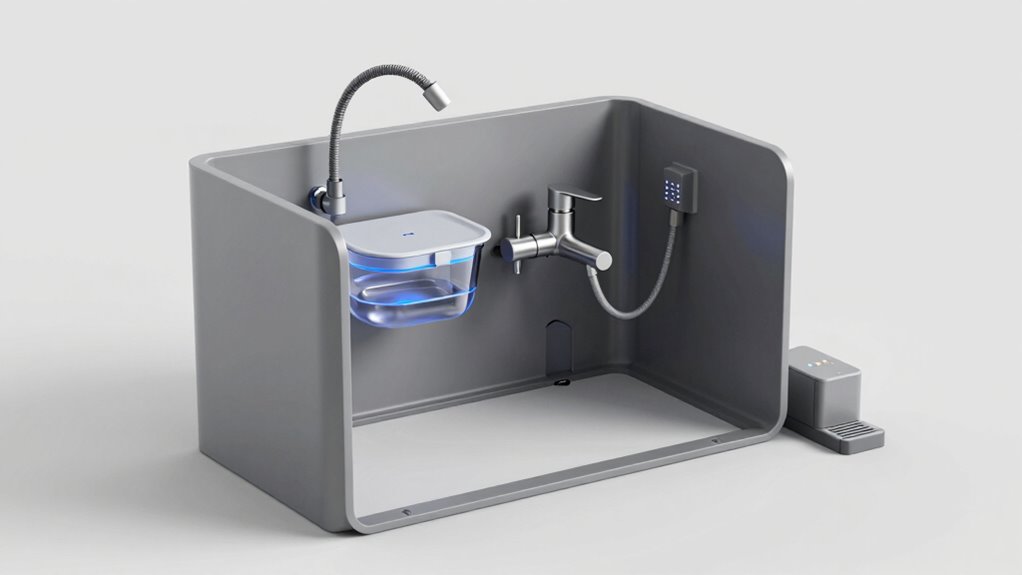
A portable handwashing station provides a convenient and hygienic solution for maintaining cleanliness in outdoor events, construction sites, and emergency situations. When selecting a unit, understanding its specs—like inputs, outputs, power, and compatibility—is essential to guarantee it meets your needs. One key feature to consider is water filtration. High-quality filtration systems are necessary because they guarantee that the water used for handwashing remains clean and safe, especially when fresh water supplies are limited or contaminated. A good filtration setup removes bacteria, sediments, and odors, providing peace of mind for users and promoting better hygiene standards. You should look for stations with integrated filtration units or the ability to connect external filters, depending on your specific requirements.
Mobility features are equally important because they determine how easily you can transport and position the station across different locations. Many portable handwashing stations come equipped with sturdy wheels, foldable frames, or lightweight materials, making them effortless to move, even on uneven terrain. Some models include handles or ergonomic grips that facilitate quick repositioning, which is essential during events or emergency responses where flexibility is key. The design of these mobility features impacts not only convenience but also safety, as a stable, well-balanced station minimizes the risk of tipping over or accidents during transit. Make sure to choose a unit with mobility features suited to your environment, whether that’s rugged wheels for construction sites or compact, lightweight designs for quick setup in various outdoor locations.
Power compatibility is another critical aspect because many portable stations rely on electricity to operate pumps, lighting, or other integrated features. You need to verify whether the station is powered by batteries, AC outlets, or solar energy, depending on what’s available at your site. Battery-powered units offer independence from external power sources, making them ideal for remote locations, but check the battery life to guarantee it lasts through your expected use. For stations that connect to mains power, confirm compatibility with local voltage standards and outlets. Some advanced models also feature multiple input options, allowing you to switch effortlessly between power sources as needed. This flexibility ensures your handwashing station remains functional regardless of location constraints.
Additionally, understanding the water filtration options and ensuring compatibility with your water source is fundamental to maintaining hygiene standards in any setting.

SereneLife Portable Camping Sink – Hand Washing Station with Foot Pump, 17L Fresh Water Tank, 24L Waste Tank, Soap Dispenser, Rolling Wheels & Quick Assembly for RV, Outdoor Events & Job Sites
HOLDS LOTS OF WATER: Large 17L fresh water tank and 24L waste tank support many hand washes before…
As an affiliate, we earn on qualifying purchases.
As an affiliate, we earn on qualifying purchases.
Frequently Asked Questions
Can It Be Used Outdoors in All Weather Conditions?
Yes, you can use your portable handwashing station outdoors in all weather conditions. Its weatherproof design guarantees outdoor durability, protecting it from rain, snow, and extreme temperatures. This makes it ideal for outdoor events, construction sites, or camping trips. Just make sure to follow the manufacturer’s guidelines for maintenance and storage to maximize its lifespan and ensure reliable performance regardless of weather challenges.
What Is the Maximum Water Capacity?
The maximum water capacity of your portable handwashing station depends on its tank size, which varies by model. Most stations have a tank size ranging from 5 to 20 gallons, allowing you to select based on your needs. Keep in mind that larger tank sizes mean fewer refills during use. Always check the specific water capacity for your station to make certain it meets your demand for outdoor or high-traffic situations.
Are Replacement Parts Readily Available?
Yes, replacement parts are readily available for portable handwashing stations. You can easily find spare parts and maintenance kits through the manufacturer or authorized distributors. This guarantees you can quickly address any repairs or replacements needed, keeping your station functional and hygienic. Regularly stocking these spare parts and maintenance kits helps you avoid downtime and maintain peak performance, making maintenance straightforward and hassle-free.
How Long Does the Power Source Last?
Ever wonder how long your portable handwashing station’s power lasts? It depends on the battery life, which varies based on power consumption, usage frequency, and the type of power source. Generally, a fully charged battery can last several hours, but heavy use may drain it faster. To guarantee continuous operation, consider stations with higher capacity batteries or easy access to recharge options, so you’re never left without clean hands.
Is It Compliant With Health and Safety Regulations?
Yes, your portable handwashing station is compliant with health and safety regulations. It meets all necessary safety standards, guaranteeing proper sanitation and user protection. Regulatory compliance is verified through certifications and adherence to industry guidelines. You can confidently use it in various settings, knowing it aligns with safety standards. Regular maintenance and proper setup will help maintain compliance and ensure ongoing safety for everyone using the station.

Portable Sink Outdoor Camping Sink Battery Operated Electric Hand Washing Station | 5 Gallon Tank with Towel Holder & Soap Dispenser
OUTDOOR CAMPING SINK –The Galashield portable sink allows you easy access to water outdoors. Wash your hands, dishes…
As an affiliate, we earn on qualifying purchases.
As an affiliate, we earn on qualifying purchases.
Conclusion
Now that you know the ins and outs of portable handwashing stations, you’re equipped to handle any situation like a sanitation superhero. With the right inputs, outputs, power, and compatibility, you could literally save entire events from chaos—turning messy disasters into sparkling clean success stories. So, get ready to wield this mighty tool and make cleanliness your ultimate superpower—because when it comes to hygiene, you’re unstoppable!
SereneLife Portable Camping Sink – Hand Washing Station with Foot Pump, 17L Fresh Water Tank, 24L Waste Tank, Soap Dispenser, Rolling Wheels & Quick Assembly for RV, Outdoor Events & Job Sites
HOLDS LOTS OF WATER: Large 17L fresh water tank and 24L waste tank support many hand washes before…
As an affiliate, we earn on qualifying purchases.
As an affiliate, we earn on qualifying purchases.
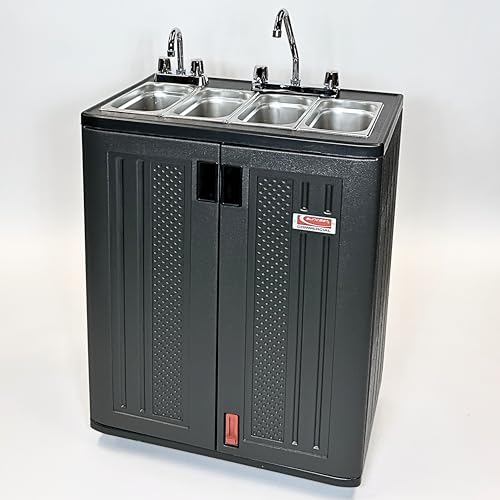
Concession Sinks – Portable Sink Hand Wash Station, 4 Compartment Basin with Hot Water, Standard Size, Food Trailer Equipment, Free Standing Utility Sink, Hand Washing Station
✅ All-in-One Portable Hand Washing Station – This concession sink combines a portable sink, hand wash sink, and…
As an affiliate, we earn on qualifying purchases.
As an affiliate, we earn on qualifying purchases.