Choosing the right studio headphones for creators comes down to balancing accuracy, comfort, and budget — and the wrong pick can make your mixes sound great on your ears but terrible everywhere else. My top choice is the Sony MDR7506, a long-standing industry standard that delivers honest, detailed monitoring at a mid-range price. The Audio-Technica ATH-M50X is the strongest step-up option with better bass response and swiveling earcups, while the TASCAM TH-02 is the standout budget buy for creators just starting out. The main tradeoff you’ll face is between flat, neutral tuning for mixing versus more colored, enjoyable sound for casual listening — plus whether you want wired reliability or wireless convenience like the Beats Studio Pro. Read on for the full ranked breakdown of all ten models.

Get audio and creator gear delivered free with Prime
- Fast, free delivery on millions of items
- Prime Video, Amazon Music and more included
- Member-only deals all year
Complete the kit


Key Takeaways
- The Sony MDR7506 earned the top spot because its neutral, slightly bright tuning translates mixes accurately across speakers, and its price sits comfortably below premium rivals like the DT 770 PRO.
- The Audio-Technica lineup (M20x, M30x, M40x, M50x) forms a clear value ladder — each step up adds bass control and comfort, with the M40x hitting the sweet spot of price-to-accuracy for most creators.
- The Beyerdynamic DT 770 PRO is the comfort king with plush velour pads, but its 80-ohm impedance means mobile devices and budget audio interfaces may struggle to drive it properly.
- The Beats Studio Pro is the odd one out in this lineup: great for wireless editing and content consumption, but its bass-forward tuning makes it a risky choice for mixing decisions.
- Under $50, the TASCAM TH-02 and ATH-M20x both work for beginners, but neither isolates well enough for recording vocals in untreated rooms — the HD 280 Pro does that job far better.
| TASCAM TH-02 Professional Studio Monitor Headphones, Wired, Over Ear |  | Best Ultra-Budget Pick | Design: Foldable, over-ear | Back Type: Closed-back dynamic | Connectivity: Wired | VIEW LATEST PRICE | See Our Full Breakdown |
| Sony MDR7506 Professional Large Diaphragm Headphones |  | Best Industry Classic | Driver Size: 40 mm | Frequency Response: 10 Hz – 20 kHz | Cord Length: 9.8 feet | VIEW LATEST PRICE | See Our Full Breakdown |
| Sennheiser HD 280 Pro Headphones, Black |  | Best Noise Isolation | Type: Closed-back dynamic | Noise Attenuation: Up to 32 dB | Cord Length: 3.3 to 9.8 feet (coiled) | VIEW LATEST PRICE | See Our Full Breakdown |
| Audio-Technica ATH-M20x Professional Studio Monitor Headphones, White |  | Best for Beginners | Driver Size: 40 mm | Design: Circumaural, closed-back | Cable Exit: Single-side | VIEW LATEST PRICE | See Our Full Breakdown |
| Audio-Technica ATH-M50X Professional Studio Monitor Headphones, Black |  | Best Overall | Driver Size: 45 mm | Design: Circumaural, closed-back | Swiveling Earcups: 90 degrees | VIEW LATEST PRICE | See Our Full Breakdown |
| Beats Studio Pro Wireless Over-Ear Headphones, Sand Gray | 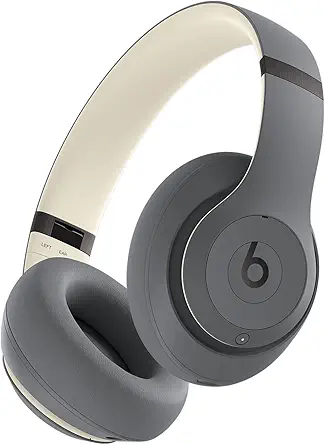 | Best Wireless Option for Creators on the Move | Battery Life: Up to 40 hours | Active Noise Cancelling: Yes, with transparency mode | Connectivity: Bluetooth, USB-C, 3.5mm audio cable | VIEW LATEST PRICE | See Our Full Breakdown |
| Audio-Technica ATH-M30x Professional Studio Monitor Headphones |  | Best Value for Home Studios | Driver Size: 40 mm | Design: Circumaural, closed-back | Cable: Single side cable exit | VIEW LATEST PRICE | See Our Full Breakdown |
| Beyerdynamic DT 770 PRO 80 Ohm Over-Ear Studio Headphones |  | Best Premium Tracking Headphones | Impedance: 80 Ohm | Design: Over-ear, closed-back | Ear Pads: Velour, replaceable | VIEW LATEST PRICE | See Our Full Breakdown |
| Audio-Technica ATH-M40x Professional Studio Monitor Headphones |  | Best Overall for Mixing on a Budget | Driver Size: 40 mm | Design: Circumaural, closed-back | Swiveling Earcups: 90 degrees | VIEW LATEST PRICE | See Our Full Breakdown |
| Beyerdynamic DT 270 Pro Closed-Back Wired Studio Headphones |  | Best for Podcasters and Long Recording Sessions | Connection: Wired | Type: Closed-back over-ear | Cable: 3m included | VIEW LATEST PRICE | See Our Full Breakdown |
| studio headphones for creator | Design | Color | Driver Size |
|---|---|---|---|
| TASCAM TH-02 Professional Stud | Foldable, over-ear | — | — |
| Sony MDR7506 Professional Larg | Closed-ear, foldable | — | 40 mm |
| Sennheiser HD 280 Pro Headphon | Ergonomic, collapsible | Black | — |
| Audio-Technica ATH-M20x Profes | Circumaural, closed-back | White | 40 mm |
| Audio-Technica ATH-M50X Profes | Circumaural, closed-back | Black | 45 mm |
| Beats Studio Pro Wireless Over | Wireless over-ear | Sand Gray | — |
| Audio-Technica ATH-M30x Profes | Circumaural, closed-back | Black | 40 mm |
| Beyerdynamic DT 770 PRO 80 Ohm | Over-ear, closed-back | — | — |
| Audio-Technica ATH-M40x Profes | Circumaural, closed-back | Black | 40 mm |
| Beyerdynamic DT 270 Pro Closed | — | Black | — |
More Details on Our Top Picks
TASCAM TH-02 Professional Studio Monitor Headphones, Wired, Over Ear
At this price, the TASCAM TH-02 exists to answer one question: can you start recording today without spending real money? The answer is yes — the closed-back design and included 1/8″ to 1/4″ adapter mean it plugs straight into an audio interface with nothing else to buy. Compared with the Audio-Technica ATH-M20x, the TH-02 sacrifices some low-end control and build refinement, but it costs far less, which matters when you’re buying three pairs for a podcast setup or outfitting a small team. The foldable frame makes it a reasonable grab-and-go spare. The tradeoff is honest: sound is pleasantly bass-forward rather than flat, so treat it as a tracking and reference pair, not a final-mix tool. Heat buildup during long sessions is also real.
Pros:- Extremely affordable, ideal for buying multiples for guests or a team
- Snap-on 1/4″ adapter works with interfaces out of the box
- Foldable with padded ear cups for the price
- Comfortable enough for casual monitoring sessions
Cons:- Bass-forward tuning is not accurate for mixing
- Heat buildup during long closed-back sessions
- Build quality reflects the budget price point
Best for: Beginner podcasters and home recorders who need a functional wired pair (or several) for the least possible money
Not ideal for: Anyone mixing tracks for release — the bass-tilted tuning isn’t neutral enough for critical decisions
- Design:Foldable, over-ear
- Back Type:Closed-back dynamic
- Connectivity:Wired
- Adapter:1/8″ to 1/4″ snap-on included
- Sound Profile:Rich bass, crisp highs
- Intended Use:Recording, podcasting, DJing, music production
Our verdict“Buy these if you need working studio headphones for almost nothing; skip them the moment mixing accuracy becomes your priority.”
Sony MDR7506 Professional Large Diaphragm Headphones
The Sony MDR7506 is the pair you’ll see hanging around necks in broadcast booths and recording studios everywhere, and that ubiquity is itself a feature — it’s a shared reference sound that engineers have trusted for decades. The 40 mm drivers with neodymium magnets deliver a detailed, slightly bright signature that exposes flaws in vocal recordings, which is why it pairs so well with podcasting and vocal tracking. Compared with the Sennheiser HD 280 Pro, the MDR7506 offers more presence in the highs but noticeably less passive noise isolation, so loud rooms are not its strength. The 9.8-foot cord gives you room to move at a desk, though it’s permanently attached — a failure point the ATH-M50x avoids entirely with its detachable cable.
Pros:- Decades-long industry-standard tuning you can trust as a reference
- Bright, detailed highs that expose vocal and dialogue flaws
- Long 9.8-foot cord suits desk-based workflows
- Foldable and built to survive daily professional use
Cons:- Non-detachable cable is the most common failure point
- Less noise isolation than the Sennheiser HD 280 Pro
- Stock ear pads wear out and feel dated compared with newer designs
Best for: Podcasters, vocal trackers, and video editors who want the industry-standard reference sound at a midrange price
Not ideal for: Producers working in untreated, noisy spaces — isolation is weaker than closed-back rivals like the HD 280 Pro
- Driver Size:40 mm
- Frequency Response:10 Hz – 20 kHz
- Cord Length:9.8 feet
- Connectivity:Wired
- Includes:1/4″ adapter
- Design:Closed-ear, foldable
- Magnet Type:Neodymium
Our verdict“If you want the headphones most professionals already agree on for vocal and dialogue work, this is the safest midrange buy.”
Sennheiser HD 280 Pro Headphones, Black
Where the Sony MDR7506 lets room noise leak in, the Sennheiser HD 280 Pro shuts it out with up to 32 dB of passive attenuation — a number that makes this the practical choice for tracking drums, recording in shared apartments, or editing in cafés. The sound leans warm and natural rather than analytical, which suits long editing sessions where listener fatigue matters more than surgical detail. Its quietest superpower compared with nearly everything else in this lineup is replaceable ear pads, headband padding, and cord, meaning a five-year ownership cost that undercuts cheaper pairs you’d throw away. The tradeoff: the clamp force that enables that isolation feels tight for larger heads, and the coiled cord can drag on a desk.
Pros:- Up to 32 dB passive noise attenuation beats every other wired pick here
- Replaceable pads, headband, and cord extend lifespan indefinitely
- Warm, natural tuning is easy on the ears for long sessions
- Collapsible and lightweight for transport
Cons:- Tight clamping fit causes discomfort for some users
- Coiled cord behavior varies from 3.3 to 9.8 feet and can tug
- Warm tuning hides some fine detail compared with brighter rivals
Best for: Creators tracking loud instruments or editing in noisy, untreated spaces who need serious passive isolation
Not ideal for: Listeners with larger heads or anyone wanting a relaxed fit — the tight clamp gets uncomfortable over hours
- Type:Closed-back dynamic
- Noise Attenuation:Up to 32 dB
- Cord Length:3.3 to 9.8 feet (coiled)
- Frequency Response:Extended
- Design:Ergonomic, collapsible
- Replaceable Parts:Earpads, headband padding, audio cord
- Color:Black
Our verdict“This is the isolation pick for noisy environments, provided your head tolerates the firm clamp.”
Audio-Technica ATH-M20x Professional Studio Monitor Headphones, White
The ATH-M20x is the entry point into Audio-Technica’s respected M-series, and its biggest appeal is predictable, honest tuning at a beginner-friendly price. Compared with the TASCAM TH-02, it gives up some portability — no folding hinge — but gains tighter low-frequency control and a more durable professional build, which is why it makes more sense as your only pair rather than a backup. The circumaural design with single-side cable exit keeps the cord out of your way while recording, a small detail beginners won’t appreciate until they’ve fought a Y-cable during a take. The white finish is purely cosmetic but does set it apart visually. What you give up versus the ATH-M50x is the detachable cable and the last layer of clarity — reasonable cuts at this tier.
Pros:- Accurate-enough tuning for learning to mix
- Circumaural isolation keeps click tracks and bleed under control
- Single-sided cable exit is practical during recording takes
- Durable build with a 2-year warranty
Cons:- Non-detachable cable is a durability risk
- Does not fold for transport
- Lacks the clarity and features of the M40x and M50x above it
Best for: First-time producers and podcasters buying their one serious pair on a tight budget
Not ideal for: Advancing mixers — once you outgrow entry-level tuning, the M40x and M50x are the natural upgrades
- Driver Size:40 mm
- Design:Circumaural, closed-back
- Cable Exit:Single-side
- Color:White
- Warranty:2 years
- Connectivity:Wired
Our verdict“The most sensible first studio headphone: honest sound, real build quality, and nothing you’re paying extra for.”
Audio-Technica ATH-M50X Professional Studio Monitor Headphones, Black
The ATH-M50x earns the top spot because it solves the problems every other pair here compromises on. Its detachable cable alone justifies the price jump over the Sony MDR7506 and Sennheiser HD 280 Pro — the single most common way studio headphones die is a snapped cord, and here it’s a cheap replacement. The 45 mm drivers (larger than the M20x and M7506’s 40 mm) deliver deep, accurate bass and a clarity that holds up for real mixing decisions, not just tracking. The 90-degree swiveling earcups make one-ear DJ checks and vocal tracking noticeably easier. Tradeoffs exist: it’s bulky for commuting, the stock pads get warm over marathon sessions, and isolation depends on getting a proper seal — glasses wearers may fight that. For creators who mix, track, and edit in one pair, nothing else in this lineup matches its balance.
Pros:- Detachable cable makes the most common failure a cheap fix
- 45 mm drivers deliver mixing-grade bass depth and clarity
- 90-degree swiveling earcups excel for tracking and DJ-style cueing
- Build quality withstands daily professional abuse
Cons:- Bulky and wired, poorly suited to portable or mobile use
- Isolation depends heavily on achieving a proper seal
- Stock ear pads run warm during very long sessions
Best for: Serious creators who want one pair for tracking, mixing, and editing without upgrade-itis
Not ideal for: Glasses wearers who can’t get a full seal, and anyone wanting a portable commute pair — it’s big and wired-only
- Driver Size:45 mm
- Design:Circumaural, closed-back
- Swiveling Earcups:90 degrees
- Cable:Detachable
- Color:Black
- Series:M50x
- Warranty:2 years
Our verdict“If your budget allows one pair, this is the one — it’s the only model here that does tracking and mixing equally well.”
Beats Studio Pro Wireless Over-Ear Headphones, Sand Gray
Most headphones in this roundup are wired studio tools, so the Beats Studio Pro earns its place as the pick for creators who split time between the desk and the outside world. The 40-hour battery and effective ANC make it a genuinely usable option for editing on a train or blocking out a noisy café, something the Beyerdynamic DT 770 PRO simply cannot do. Bluetooth, USB-C, and a 3.5mm cable input give it rare flexibility for consumer-grade headphones.
The tradeoff is honesty: the tuning is more flattering than flat. Compared with the Audio-Technica ATH-M40x, the Beats color the low end, which can hide mixing problems rather than reveal them. The premium price also buys convenience, not reference accuracy.
Pros:- Up to 40 hours of battery with 10-minute Fast Fuel top-ups
- Active noise cancelling plus transparency mode for travel
- Triple connectivity: Bluetooth, USB-C, and 3.5mm analog
- Comfortable over-ear fit for long editing sessions
Cons:- Tuning is consumer-flattering rather than studio-flat
- Premium price exceeds most dedicated monitor headphones here
Best for: Creators who travel or edit outside a studio and want one pair for both casual listening and rough mixes
Not ideal for: Mixing engineers who need a neutral reference — the tuned bass response masks balance issues the ATH-M40x would expose
- Battery Life:Up to 40 hours
- Active Noise Cancelling:Yes, with transparency mode
- Connectivity:Bluetooth, USB-C, 3.5mm audio cable
- Compatibility:Apple and Android
- Fast Fuel Charging:10-minute charge for 4 hours of playback
- Design:Wireless over-ear
- Color:Sand Gray
Our verdict“Buy these as a versatile wireless workhorse for mobile creation, not as your primary mixing reference.”
Audio-Technica ATH-M30x Professional Studio Monitor Headphones
Sitting between the budget ATH-M20x and the flagship ATH-M50x, the ATH-M30x hits the sweet spot for creators who want honest monitoring without flagship pricing. The mid-range clarity is its standout trait — vocals and spoken-word content come through with detail that cheaper options smear, which matters enormously for podcasters checking their own recordings.
The foldable design and single-side cable exit make it more portable and less tangled than the M40x’s dual-cable options. The compromise is at the frequency extremes: bass depth falls short of both the M50x and the Beyerdynamic DT 770 PRO, so electronic music producers chasing sub-bass decisions may want to step up. Build quality is also more plastic-heavy than its price-mates.
Pros:- Excellent mid-range clarity for vocals and speech
- Strong sound isolation for untreated rooms
- Foldable, portable design with tangle-reducing single-side cable
Cons:- Lacks deep bass extension compared with higher-end models
- Build feels less durable than the ATH-M50x or Beyerdynamic alternatives
Best for: Podcasters and home-studio vocalists who need clear midrange monitoring at a mid-tier price
Not ideal for: Bass-heavy music producers — the rolled-off low end makes sub-80Hz mixing decisions unreliable
- Driver Size:40 mm
- Design:Circumaural, closed-back
- Cable:Single side cable exit
- Foldable:Yes
- Color:Black
- Type:Wired studio monitor
Our verdict“The smart middle child of Audio-Technica’s lineup — buy it for voice work and skip it if your mixes live in the low end.”
Beyerdynamic DT 770 PRO 80 Ohm Over-Ear Studio Headphones
The DT 770 PRO is the tracking workhorse of this lineup. Its closed-back isolation keeps click tracks and guide audio from bleeding into your microphone — something the Beats Studio Pro’s consumer noise cancelling was never designed to address — while the velour ear pads stay comfortable through multi-hour sessions that would make the pleather-padded ATH-M30x feel clammy.
The 80-ohm impedance is the defining tradeoff: paired with an audio interface or headphone amp, it rewards you with a wide, detailed soundstage that closed-back rivals rarely match. Plugged straight into a laptop, it can sound thin and underpowered. The non-detachable 3m cable is another annoyance, though the replaceable pads and famously durable frame offset it.
Pros:- Excellent passive isolation minimizes mic bleed during tracking
- Velour ear pads stay comfortable and cool through long sessions
- Legendary German build quality with replaceable parts
- Wide, detailed soundstage for a closed-back design
Cons:- Needs an audio interface or headphone amp to perform properly
- Fixed 3m cable cannot be swapped if damaged
Best for: Producers and engineers with an audio interface who track vocals or instruments and need serious isolation
Not ideal for: Mobile creators plugging into phones or laptops — the 80-ohm impedance demands amplification to sound its best
- Impedance:80 Ohm
- Design:Over-ear, closed-back
- Ear Pads:Velour, replaceable
- Cable:3m straight, fixed
- Adapter:1/4-inch included
- Best Use:Recording and monitoring
Our verdict“If you track through an interface, this is the comfort-and-isolation benchmark; if you don’t own an amp, look elsewhere.”
Audio-Technica ATH-M40x Professional Studio Monitor Headphones
For pure mixing honesty per dollar, the ATH-M40x is the pick I’d put at the top of a value ranking. Its flat tuning is arguably closer to neutral than the more famous ATH-M50x, which flatters the low end slightly — a real advantage when your goal is hearing problems, not enjoying music. The detachable cables (both coiled and straight included) solve the failure point that kills most budget headphones, and the 90-degree swiveling earcups make one-ear DJ checks effortless.
Compared with the ATH-M30x below it, you gain detachability and more balanced bass; compared with the DT 770 PRO, you lose some long-session comfort and isolation. It’s also weightier than consumer pairs, and Audio-Technica publishes fewer specs than some competitors.
Pros:- Genuinely flat tuning for trustworthy mixing decisions
- Detachable coiled and straight cables extend the headphone’s lifespan
- 90-degree swiveling earcups for one-ear monitoring
- Pro-grade build with robust materials
Cons:- Heavier and less travel-friendly than consumer headphones
- No carrying case or extra accessories included
- Published specs are sparse compared with rivals like Beyerdynamic
Best for: Mixing-focused creators and DJs who want accurate flat tuning and replaceable cables without flagship pricing
Not ideal for: Traveling creators — no case is included, the robust build is heavier than consumer options, and it’s strictly wired
- Driver Size:40 mm
- Design:Circumaural, closed-back
- Swiveling Earcups:90 degrees
- Cable Type:Detachable; coiled and straight cables included
- Materials:Pro-grade ear pads and headband
- Tuning:Flat for accurate monitoring
- Color:Black
Our verdict“The most trustworthy mixing tool in this price bracket — flat, repairable, and built for people who mix rather than just listen.”
Beyerdynamic DT 270 Pro Closed-Back Wired Studio Headphones
The DT 270 Pro targets a narrower brief than its DT 770 PRO sibling: lightweight comfort during long spoken-word sessions. Where the 770 is a studio tank bested by an amp, the 270’s priority is a relaxed fit you forget you’re wearing through a three-hour podcast block, paired with closed-back isolation that keeps your voice-tracking clean.
That focus comes at a cost. There’s no wireless option like the Beats Studio Pro offers, no detachable cable like the ATH-M40x, and no published frequency specs to verify its accuracy against rivals. The entry-level positioning also suggests lighter-duty materials than Beyerdynamic’s pro flagships. For podcast monitoring it’s a sensible pick; for music mixing, the M40x’s flat tuning is the safer tool.
Pros:- Excellent sound isolation for clean vocal recording
- Lightweight, comfortable fit for marathon sessions
- Purpose-built for podcasting and home studio workflows
Cons:- Wired only, with no detachable cable option
- Entry-level build may not survive heavy daily abuse
Best for: Podcasters and voiceover artists recording long sessions who value comfort and isolation over mixing precision
Not ideal for: Music mixers and mobile creators — no flat-tuning pedigree, no wireless, and lighter build than the DT 770 PRO
- Connection:Wired
- Type:Closed-back over-ear
- Cable:3m included
- Intended Use:Studio, recording, podcasting
- Fit:Lightweight, extended-wear design
- Color:Black
Our verdict“A comfort-first choice for spoken-word creators; anyone mixing music should spend up for the M40x or DT 770 PRO instead.”

How We Picked
I ranked these headphones through the lens of a working creator: someone who records, edits, and mixes in the same pair, often in a less-than-perfect room. That meant judging frequency accuracy first — a headphone that flatters bass will wreck your low-end mix decisions — followed by isolation for tracking vocals and podcasting, comfort over long editing sessions, and build durability for daily transport. Price-to-performance weighed heavily too, because a $100 pair that gets 90% of the job done beats a $300 pair with marginal gains for most home studios.
The ranking order reflects a simple logic: models that deliver honest, translatable sound at accessible prices sit highest, while specialized or compromised options rank lower regardless of brand prestige. That’s why the MDR7506 and M40x land near the top, the DT 770 PRO earns a premium slot despite its impedance demands, and the Beats Studio Pro — strong as a consumer headphone — falls toward the bottom when judged strictly as a studio tool. Every model still earns a place for a specific creator type, which the breakdowns make clear.
| studio headphones for creator | Design | Color |
|---|---|---|
| TASCAM TH-02 Professional Stud | Foldable, over-ear | — |
| Sony MDR7506 Professional Larg | Closed-ear, foldable | — |
| Sennheiser HD 280 Pro Headphon | Ergonomic, collapsible | Black |
| Audio-Technica ATH-M20x Profes | Circumaural, closed-back | White |
| Audio-Technica ATH-M50X Profes | Circumaural, closed-back | Black |
| Beats Studio Pro Wireless Over | Wireless over-ear | Sand Gray |
| Audio-Technica ATH-M30x Profes | Circumaural, closed-back | Black |
| Beyerdynamic DT 770 PRO 80 Ohm | Over-ear, closed-back | — |
| Audio-Technica ATH-M40x Profes | Circumaural, closed-back | Black |
| Beyerdynamic DT 270 Pro Closed | — | Black |
Factors to Consider When Choosing Studio Headphones For Creators
Before you commit to a pair, it helps to understand what actually separates a good studio headphone from a good-sounding one. These are the factors that shaped my rankings and the mistakes I see creators make most often.Flat Response vs. Fun Sound
The single biggest mistake new creators make is buying headphones that sound pleasant instead of headphones that sound accurate. Consumer headphones boost bass and scooped mids, which means your mix will sound finished on them and thin on every other system. A flat, neutral response — like the MDR7506 or M40x tuning — tells you the truth about your levels, EQ choices, and problem frequencies. If you also want an enjoyable listening pair, buy a cheap second headphone rather than compromising your main monitoring pair. Your mixes will thank you on car speakers, earbuds, and club systems alike.
Impedance and What Drives It
Impedance determines how much power a headphone needs to reach listening volume, and it’s the spec most buyers ignore. The DT 770 PRO’s 80-ohm rating sounds great on paper, but plugged straight into a phone or laptop it can sound quiet and lifeless — it rewards a dedicated audio interface or headphone amp. Lower-impedance models like the ATH-M20x or TH-02 run loud from anything with a headphone jack, which matters if you record on the go. Match the headphone to your actual signal chain, not just its reputation on forums. Buying more headphone than your gear can drive is wasted money.
Closed-Back vs. Open-Back Design
Every headphone in this roundup is closed-back, and that’s deliberate: creators typically need isolation so the headphone’s sound doesn’t bleed into a vocal or podcast microphone. Closed-back designs trap sound inside the earcup, making them the safe default for recording and tracking. The tradeoff is a slightly narrower, less natural soundstage than open-back headphones provide, which some mixers eventually graduate to for final decisions. If you only record yourself occasionally and mostly mix, an open-back pair as a second reference can reveal reverb and stereo placement detail that closed-backs mask. Start closed, expand later.
Comfort and Long Session Reality
Editing sessions routinely run three to six hours, and clamping pressure or sweaty earpads will end your workflow faster than any frequency response flaw. Over-ear designs with replaceable pads — like the velour pads on the DT 770 PRO — age far better than glued-on foam that turns to dust in a year. Weight matters too: heavier headphones cause neck fatigue that you don’t notice until it’s already ruined your concentration. Check whether replacement pads and cables are available before buying, because cables are the first component to fail on wired studio headphones. A repairable headphone is a five-year tool; a sealed one is a two-year consumable.
Durability and Field Use
If your headphones travel between a home studio, a co-working space, and client sessions, foldability and replaceable cables move from nice-to-have to dealbreaker. The ATH-M50X’s collapsible design and detachable cable are a big part of why it’s a session standard, while fixed-cable models like the MDR7506 eventually die from cable damage alone — though at least its cable is cheap to resolder. Plastic builds aren’t automatically bad; flexible plastic survives drops better than brittle metal. What matters is whether the failure points (hinges, cable entry, pads) can be repaired or replaced. Budget for a case regardless, because drivers don’t survive backpack life unprotected.
When Wireless Makes Sense (and When It Doesn’t)
Wireless headphones like the Beats Studio Pro solve a real problem for creators who edit video on the couch, monitor remote interviews, or take calls between sessions — the 40-hour battery and ANC genuinely help in noisy environments. But Bluetooth compression and ANC coloration make them unreliable for mixing decisions, and latency can make them unusable for tracking. The practical answer for many creators is a two-headphone setup: wireless for editing and everyday use, wired for anything involving audio quality judgment. If you can only afford one pair, wired wins for studio work every time. Treat wireless as a convenience layer, not a monitoring tool.
Frequently Asked Questions
Can I mix properly on $50 studio headphones like the TASCAM TH-02?
You can make decent mixes on budget headphones, but you’ll need reference tracks and a lot of cross-checking on other systems to compensate for their looser bass and weaker isolation. The TH-02 and ATH-M20x give you a reasonably honest midrange for the price, which is more than consumer headphones at the same cost offer. The real limitation is low-end confidence: cheap drivers blur frequencies below 100 Hz, so bass balance becomes guesswork. If your projects are voiceovers, podcasts, or rough drafts, budget headphones are genuinely fine. The moment you’re releasing music commercially, stepping up to an M40x or MDR7506 pays for itself in fewer revision cycles.
Is the ATH-M50X actually better than the cheaper ATH-M40x for studio work?
Not necessarily — this is one of the most persistent myths in the creator space. The M50X has a slightly boosted low end and more aggressive overall character, which many people enjoy listening to but which makes it marginally less neutral than the M40x for mixing decisions. The M50X does win on features: collapsible earcups and a detachable cable, both valuable for traveling creators. If you work from one desk, the M40x is arguably the better studio tool at a lower price. If you move around, the M50X’s practical advantages justify the premium. Judge them on workflow, not on the assumption that more expensive means more accurate.
Will the 80-ohm Beyerdynamic DT 770 PRO work with my laptop or phone?
It will make sound, but probably not enough of it — and at low volumes the bass and dynamics suffer first, which defeats the purpose of buying a premium headphone. Modern laptops and phones output relatively weak amplification, and the DT 770 PRO 80 Ohm really wants a dedicated interface or headphone amp to perform. If your chain includes an audio interface like a Scarlett or similar, its headphone output usually drives the 80-ohm version acceptably. If you’re monitoring straight from a phone for mobile recording, choose a low-impedance model instead. Buying the DT 770 PRO without the gear to feed it is the most common regret purchase in this category.
Do I need noise isolation if my studio is a bedroom or spare room?
Yes, and probably more than you think — untreated rooms leak computer fans, street noise, and household sounds into both your recording and your perception of the mix. Strong passive isolation, like the HD 280 Pro’s closed design, keeps outside noise out and your headphone bleed out of the microphone during vocal takes. Weak isolation forces you to raise monitoring volume, which fatigues your ears faster and skews your balance judgments late in a session. Isolation also matters for creators recording in shared spaces or on location. Don’t underestimate it as a spec — it affects tracking quality as much as the drivers do.
Are the Beats Studio Pro ever the right choice for a creator?
They are, if your creation work is video-first rather than audio-first. Video editors who spend hours in timeline review, remote collaborators on calls, and creators working in cafés or on transit get real value from the ANC, 40-hour battery, and multipoint connectivity. The catch is tuning: the bass-forward signature that makes them enjoyable for casual listening will mislead you on low-end mix levels and overall balance. My practical take is that they work well as a comfort-and-convenience pair layered on top of a wired monitoring pair, not as your only studio reference. If music mixing is your primary output, spend the same money on the MDR7506 or DT 770 PRO instead.
Conclusion
The right pick here depends entirely on what you make and where you make it. For best overall, the Sony MDR7506 remains the safest studio investment in this lineup — accurate, durable, and priced below its performance class. The best value award goes to the Audio-Technica ATH-M40x, which delivers near-premium accuracy at a mid-range price, with the TASCAM TH-02 as the obvious pick for beginners on tight budgets. If you want the best premium experience and have the interface to drive it, the Beyerdynamic DT 770 PRO is the most comfortable long-session headphone here, while the HD 280 Pro is the best for recording and isolation in untreated rooms. For specific needs: the ATH-M50X suits traveling creators who need foldability and a detachable cable, and the Beats Studio Pro fits video editors and call-heavy creators who value wireless convenience over mix-critical accuracy. Match the headphone to your actual workflow, and any of these ten will serve you well.
Columbus Day / Indigenous Peoples' Day Picks
long weekend sales
As an affiliate, we earn on qualifying purchases.