Finding the best 16-channel digital mixer for live sound can be challenging with so many options offering different features and performance levels. The StudioLive Series III SE 16 stands out as the overall best due to its intuitive interface and versatile connectivity. For those prioritizing portability, the Mackie DL16SE offers professional sound with a compact design, while the Yamaha MG16XU provides reliable effects and build quality at an accessible price. Each of these choices balances control, sound quality, and ease of use differently, making the right pick depend on your specific needs and setup. Continue reading for a detailed breakdown of these and other top contenders, along with key considerations to help you choose the best fit for your live sound environment.

Get audio and creator gear delivered free with Prime
- Fast, free delivery on millions of items
- Prime Video, Amazon Music and more included
- Member-only deals all year
Complete the kit


Key Takeaways
- The top mixers combine extensive connectivity options with user-friendly interfaces, making live adjustments smoother.
- Built-in effects and USB recording features are common among the best picks, but they vary widely in quality and complexity.
- Price often correlates with added features; premium models include advanced control and remote operation capabilities.
- Portability and size matter for mobile setups, with some models offering rack-mountable or lightweight designs.
- Choosing the right mixer depends heavily on your workflow: whether you need simple controls or advanced digital routing.
| 16 Channel Professional Audio Mixer Console with USB Interface and Phantom Power |  | Best Overall for Versatility and Professional Features | Number of Channels: 16 | Connectivity Technology: Interface, Aux, XLR, USB, Bluetooth | Power Source: Corded Electric | VIEW LATEST PRICE | See Our Full Breakdown |
| Berlingtone 16 Channel Professional Bluetooth Studio Audio Mixer |  | Best for Streaming and Recording with Multiple Mic Inputs | Channels: 16 | Microphone Inputs: 14 | Phantom Power: 48V | VIEW LATEST PRICE | See Our Full Breakdown |
| XTUGA 16 Channel Audio Mixer, Professional Sound Board DJ Mixer |  | Best for Versatile Device Compatibility and Mobile Use | Channels: 16 | Connectivity: Bluetooth, USB, MP3, XLR | Phantom Power: +48V | VIEW LATEST PRICE | See Our Full Breakdown |
| StudioLive Series III SE 16 Digital Console Mixer with Fender Studio Pro |  | Best for Advanced Digital Networking and Large-Scale Installations | Channels: 40 | Mix Buses: 26 | Connectivity: AVB Ethernet, USB 2.0 | VIEW LATEST PRICE | See Our Full Breakdown |
| Yamaha MG16XU 16-Input 6-Bus Mixer with Effects |  | Best for Natural Sound and Studio-Grade Preamps | Channels: 16 | Bus: 6 | Effects: SPX digital | VIEW LATEST PRICE | See Our Full Breakdown |
| Mackie ProFX16v3 16-Channel Mixer with USB Recording and Effects |  | Best Overall | Channels: 16 | Effects: 24 built-in effects | Preamps: Onyx Preamps with 60 dB gain | VIEW LATEST PRICE | See Our Full Breakdown |
| Soundcraft Ui16 Remote-Controlled 16-Input Digital Mixer |  | Best for Remote Control and Flexibility | Inputs: 8 XLR combo, 4 XLR mic, 2 instrument | Outputs: 4 XLR Aux, 2 headphone, main XLR/quarter-inch | Connectivity: Wi-Fi, Ethernet, USB media | VIEW LATEST PRICE | See Our Full Breakdown |
| 16 Channel Audio Mixer Professional Sound Mixing Board with 99 DSP Effects, 7-band EQ, Bluetooth, USB, MP3 Recording |  | Best for Versatility and Effects | Channels: 16 | DSP Effects: 99 | EQ Adjustment: 7-band main, 3-band per channel | VIEW LATEST PRICE | See Our Full Breakdown |
| Mackie DL16SE 16-Channel Digital Rack Mixer |  | Best for Studio and Live Hybrid Use | Channels: 16 | Connectivity Technology: Wi-Fi | Power Source: Corded electric | VIEW LATEST PRICE | See Our Full Breakdown |
| W IN-MIX DX16 Professional 16-Channel DJ Mixer with 99 DSP Effects, 7-Band EQ, 48V Phantom Power, Bluetooth & USB Recording |  | Best for DJs and Live Performers | Channels: 16 | Effects: 99 DSP effects | EQ: 7-band master, 3-band per channel | VIEW LATEST PRICE | See Our Full Breakdown |
| Allen & Heath CQ-18T Digital Mixer with 7-inch Touchscreen, WiFi, and Bluetooth | 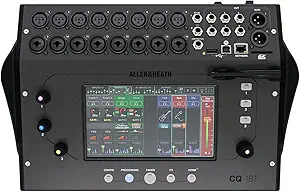 | Best Overall for Versatile Control and Connectivity | Inputs: 16 mic/line (8 combi), plus stereo line input | Display: 7-inch capacitive touchscreen | Connectivity: WiFi (2.4GHz/5GHz), Bluetooth | VIEW LATEST PRICE | See Our Full Breakdown |
| Behringer X AIR XR18 18-Channel Digital Mixer with Wi-Fi and USB Interface | 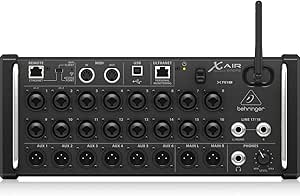 | Best Wireless Control for Compact Needs | Channels: 18 | Bus: 12 | Preamp: 16 Midas-designed | VIEW LATEST PRICE | See Our Full Breakdown |
| 16-Channel Audio Mixer with DSP, Bluetooth, USB, and 48V Phantom Power |  | Best for Versatile Small-Venue and Studio Use | Channels: 16 | DSP Effects: 99 | Bluetooth Range: 33 ft | VIEW LATEST PRICE | See Our Full Breakdown |
| ALTO TMD16 16-Channel Digital Mixer with Bluetooth |  | Best Compact Mixer for Small Venues and Mobile Use | Channels: 16 | Mic Preamps: 10 | Display: 7-inch color | VIEW LATEST PRICE | See Our Full Breakdown |
| 16-channel digital mixer for live sound | Channels | Connectivity |
|---|---|---|
| 16 Channel Professional Audio | — | — |
| Berlingtone 16 Channel Profess | 16 | Bluetooth, USB MP3, PC |
| XTUGA 16 Channel Audio Mixer | 16 | Bluetooth, USB, MP3, XLR |
| StudioLive Series III SE 16 Di | 40 | AVB Ethernet, USB 2.0 |
| Yamaha MG16XU 16-Input 6-Bus M | 16 | USB |
| Mackie ProFX16v3 16-Channel Mi | 16 | Analog inputs and outputs |
| Soundcraft Ui16 Remote-Control | — | Wi-Fi, Ethernet, USB media |
| 16 Channel Audio Mixer Profess | 16 | Bluetooth, USB, MP3 |
| Mackie DL16SE 16-Channel Digit | 16 | — |
| W IN-MIX DX16 Professional 16- | 16 | 14 XLR/6.35mm, Bluetooth, USB |
| Allen & Heath CQ-18T Digital M | — | WiFi (2.4GHz/5GHz), Bluetooth |
| Behringer X AIR XR18 18-Channe | 18 | Wi-Fi, USB |
| 16-Channel Audio Mixer with DS | 16 | — |
| ALTO TMD16 16-Channel Digital | 16 | USB and Bluetooth |
More Details on Our Top Picks
16 Channel Professional Audio Mixer Console with USB Interface and Phantom Power
This mixer stands out for its extensive connectivity options, combining XLR, 1/4″ inputs, USB, and Bluetooth, making it highly adaptable for both live performances and streaming. Compared with the Yamaha MG16XU, it offers more flexible input options and built-in effects, but its complex controls might challenge beginners. The inclusion of dedicated EQ, effects, and monitoring features ensures sound customization, though its lack of detailed power specs could raise questions about output capacity. Its rugged, compact design makes it suitable for stage and studio environments alike.
Ideal for professionals who need a versatile, all-in-one solution, but not suited for those seeking straightforward operation or detailed technical specs.
Pros: Multiple input types including Bluetooth; Built-in effects and EQ; Compact, rugged build; USB streaming and recording capabilities.
Cons: Complex controls require learning curve; No included accessories or detailed power specs.
Verdict: Best for experienced users who want a flexible, feature-rich mixer for live and studio use.- Number of Channels:16
- Connectivity Technology:Interface, Aux, XLR, USB, Bluetooth
- Power Source:Corded Electric
- Output Connector Type:USB Type B, XLR
- Audio Input Interface:Aux, XLR, USB, Bluetooth
- Item Weight:6.33 kg
Our verdict“Best Overall for Versatility and Professional Features — a strong pick in this lineup.”
Berlingtone 16 Channel Professional Bluetooth Studio Audio Mixer
This mixer excels for its 14 microphone inputs with 48V phantom power and high-quality 24-bit effects, making it ideal for studio recordings and live sound control. Unlike the Yamaha MG16XU, it emphasizes microphone flexibility with extensive phantom-powered channels but is unpowered, which means you must supply external power, adding complexity. Its Bluetooth and USB MP3 playback features cater to seamless streaming and playback, though the unpowered design could limit portability without an external power source. It’s well-suited for professional studios or live venues where mic input capacity is critical.
Best suited for users who prioritize microphone options and studio effects, but not for those needing a powered mixer for mobile setups.
Pros: 14 mic inputs with phantom power; Bluetooth and USB MP3 playback; High-quality 24-bit effects; Professional-grade input flexibility.
Cons: Unpowered design requires external power; No info on included accessories; Slightly complex for beginners unfamiliar with audio gear.
Verdict: Ideal for studio or fixed-location live sound setup demanding high mic capacity.- Channels:16
- Microphone Inputs:14
- Phantom Power:48V
- Digital Effect:24-bit
- Power:Unpowered
- Connectivity:Bluetooth, USB MP3, PC
Our verdict“Best for Streaming and Recording with Multiple Mic Inputs — a strong pick in this lineup.”
XTUGA 16 Channel Audio Mixer, Professional Sound Board DJ Mixer
The XTUGA CT160 supports multiple devices with Bluetooth, MP3, USB, and XLR inputs, making it a flexible choice for live performances and streaming. Its slim and durable design is advantageous over larger rack-mount options like the StudioLive Series III SE 16, which offers more channels and advanced networking but at the expense of portability. While its interference-free sound quality and compatibility with various formats make it appealing, the limited detail on user reviews and the potential learning curve for beginners suggest it’s best for those comfortable with audio gear.
Best for mobile performers or small venues needing reliable multi-source integration, but not for users requiring extensive digital networking or high channel count.
Pros: Supports multiple external sources, Bluetooth streaming; High-quality, interference-free sound; Slim, durable design.
Cons: Limited detailed info on pricing and reviews; Potential complexity for novices.
Verdict: Suited for versatile, device-compatible live setups with moderate channel needs.- Channels:16
- Connectivity:Bluetooth, USB, MP3, XLR
- Phantom Power:+48V
- Supported formats:MP3, WAV, WMA
- Dimensions:1.4 inches thick
Our verdict“Best for Versatile Device Compatibility and Mobile Use — a strong pick in this lineup.”
StudioLive Series III SE 16 Digital Console Mixer with Fender Studio Pro
The StudioLive Series III SE 16 offers a significant jump in features with 40 channels, 26 mix buses, integrated recording, and AVB Ethernet networking. It’s tailored for complex live environments or studio setups requiring extensive routing and remote control. Compared to simpler mixers like the Yamaha MG16XU, it provides much greater scalability and control, but its complex setup and higher price tag make it less suitable for small venues or beginners. Its software suite and remote capabilities are stellar for professional users who need detailed control.
Best for large venues, multi-room setups, or studios needing extensive connectivity, but not for users seeking a portable, straightforward mixer.
Pros: Massive channel and bus count; Advanced network integration; Integrated recording and remote control; Professional software support.
Cons: Complex setup requiring technical knowledge; High cost; Larger footprint.
Verdict: For large-scale, networked live sound or studio applications where power and complexity are justified.- Channels:40
- Mix Buses:26
- Connectivity:AVB Ethernet, USB 2.0
- Recording:Integrated
- Software:PreSonus Capture, Universal Control
Our verdict“Best for Advanced Digital Networking and Large-Scale Installations — a strong pick in this lineup.”
Yamaha MG16XU 16-Input 6-Bus Mixer with Effects
The Yamaha MG16XU provides high-quality D-PRE preamps and SPX digital effects, making it ideal for users prioritizing natural sound and professional studio quality. Its 16 channels and 6 buses make it comparable to other mixers like the B0FDQF2VJX, but with a focus on high-quality preamps and effects rather than connectivity variety. Its durable metal chassis ensures longevity in busy environments, although it lacks a built-in recording interface unless connected via USB. Its straightforward interface benefits users familiar with Yamaha’s reputation for sound fidelity.
Best for musicians and engineers who prioritize sound clarity and effects, but not for those needing extensive digital networking or Bluetooth streaming.
Pros: Studio-grade D-PRE preamps; Versatile EQ and high-pass filters; Built-in digital effects; Durable construction.
Cons: No standalone recording without USB; Slightly complex for absolute beginners.
Verdict: Perfect for studio-quality live mixing with an emphasis on sound fidelity and effects.- Channels:16
- Bus:6
- Effects:SPX digital
- Preamp:D-PRE
- Connectivity:USB
- Chassis:Impact-resistant metal
Our verdict“Best for Natural Sound and Studio-Grade Preamps — a strong pick in this lineup.”
Mackie ProFX16v3 16-Channel Mixer with USB Recording and Effects
The Mackie ProFX16v3 stands out for its simplicity and reliable performance, making it ideal for smaller venues and bands that need straightforward operation. Compared to the Soundcraft Ui16, it offers a more user-friendly interface with fewer setup complexities but lacks remote control options. Its Onyx preamps deliver clean gain, and the built-in GigFX effects provide enhanced sound shaping, all while maintaining a manageable size. However, it doesn’t support remote operation or extensive network integration, limiting flexibility for larger or more complex setups. This model makes the most sense for live performers who prioritize ease of use over advanced connectivity. Pros: Intuitive interface, high-quality preamps, built-in effects, USB recording capability. Cons: Limited channel expansion beyond 16, no remote control, no advanced networking features.
Verdict: An excellent choice for small to medium live acts seeking reliable, easy-to-use mixing with recording features.- Channels:16
- Effects:24 built-in effects
- Preamps:Onyx Preamps with 60 dB gain
- Recording:USB interface
- Connectivity:Analog inputs and outputs
- Dimensions:Approx. 18 x 12 x 4 inches
Soundcraft Ui16 Remote-Controlled 16-Input Digital Mixer
The Soundcraft Ui16 excels in remote operation, allowing control via Wi-Fi or Ethernet, which makes it perfect for venues needing flexible, on-the-fly adjustments. It surpasses the Mackie ProFX16v3 in connectivity, offering extensive I/O options, a 31-band graphic EQ, and built-in effects, but it introduces complexity that might challenge beginners. Its remote control capability, combined with professional-grade processing, makes it a top choice for engineers who want to manage the mix from anywhere in the room. However, its setup can be tricky for less tech-savvy users, and a stable network connection is essential for optimal performance. This makes it best suited for tech-savvy sound engineers or venues with dedicated IT support. Pros: Remote control via Wi-Fi/Ethernet, extensive connectivity, professional effects, detailed EQ. Cons: Complex setup, relies on network stability, higher price point.
Verdict: Ideal for venues that need remote operation and extensive control, though less suited for quick setups or beginners.- Inputs:8 XLR combo, 4 XLR mic, 2 instrument
- Outputs:4 XLR Aux, 2 headphone, main XLR/quarter-inch
- Connectivity:Wi-Fi, Ethernet, USB media
- Effects:3 Lexicon FX busses
- Equalizer:31-band graphic EQ
- Control:Remote via app or web browser
Our verdict“Best for Remote Control and Flexibility — a strong pick in this lineup.”
16 Channel Audio Mixer Professional Sound Mixing Board with 99 DSP Effects, 7-band EQ, Bluetooth, USB, MP3 Recording
This mixer offers a comprehensive set of features for versatile live sound and recording, standing out with 99 DSP effects and a 7-band EQ for precise sound shaping. Unlike the simpler Mackie ProFX16v3, it provides extensive control over individual channels, making it suitable for complex setups like DJ performances or multi-instrument recording. Its Bluetooth and USB connectivity enable seamless device integration, but its weight and feature-rich design can be overwhelming for casual users or those seeking quick setup. It’s best for sound engineers or performers who need a highly customizable and effect-rich mixing environment. Pros: Extensive effects, flexible EQ control, Bluetooth & USB connectivity, versatile input options. Cons: Heavy and bulky, complex interface for beginners, potentially overwhelming feature set.
Verdict: A solid pick for those who want maximum control and effects, especially in performance or recording environments demanding detailed sound shaping.- Channels:16
- DSP Effects:99
- EQ Adjustment:7-band main, 3-band per channel
- Connectivity:Bluetooth, USB, MP3
- Power:Independent 48V phantom power
- Inputs:XLR, stereo line, unbalanced 1/4″
Mackie DL16SE 16-Channel Digital Rack Mixer
The Mackie DL16SE offers a professional-grade digital experience with Wi-Fi control via the Master Fader SE app and a built-in 16×16 USB interface, positioning it between portable mixers and larger studio systems. Its wireless control makes it more flexible than the ProFX16v3 but introduces a heavier setup that may be less portable. Its Onyx+ preamps and effects provide studio-quality sound, comparable to the Soundcraft Ui16, but the reliance on Wi-Fi means a stable network is critical. This unit is perfect for users who want studio-quality control with the convenience of remote operation, especially in fixed installations or semi-permanent setups. It’s less suited for quick, on-the-go gigs without a reliable Wi-Fi environment. Pros: Wireless control, professional Onyx+ preamps, 16×16 USB interface, versatile effects. Cons: Wi-Fi dependency, relatively heavy, setup can be complex for newcomers.
Verdict: A strong choice for those seeking studio-grade digital mixing with remote control capabilities, but less ideal for portable, quick setups.- Channels:16
- Connectivity Technology:Wi-Fi
- Power Source:Corded electric
- Output Connectors:XLR, headphone
- Audio Input:XLR
- Dimensions:Approx. 14 x 15 inches
Our verdict“Best for Studio and Live Hybrid Use — a strong pick in this lineup.”
W IN-MIX DX16 Professional 16-Channel DJ Mixer with 99 DSP Effects, 7-Band EQ, 48V Phantom Power, Bluetooth & USB Recording
The W IN-MIX DX16 is tailored for DJs and performers needing a rugged, effect-rich mixer with independent EQ and multiple connectivity options. Its 99 DSP effects and Bluetooth streaming offer instant sound customization, while the 48V phantom power supports condenser mics, making it suitable for live vocal or instrument use. Compared to the other options, its metal construction emphasizes durability on the road. However, its focus on DJ features means it may lack the advanced remote control and extensive I/O flexibility found in the Soundcraft Ui16 or Mackie DL16SE. It’s perfect for mobile DJs or performers who prioritize effects and rugged build over network features or studio-level control. Pros: Durable construction, effects-rich, independent channel EQ, versatile input options. Cons: XLR cables sold separately, setup can be complex, not ideal for fixed installations without DJ needs.
Verdict: A robust, effect-packed mixer best suited for mobile DJs and live performers demanding durability and instant sound shaping.- Channels:16
- Effects:99 DSP effects
- EQ:7-band master, 3-band per channel
- Phantom Power:48V on all channels
- Connectivity:14 XLR/6.35mm, Bluetooth, USB
- Build:Metal
Allen & Heath CQ-18T Digital Mixer with 7-inch Touchscreen, WiFi, and Bluetooth
The Allen & Heath CQ-18T stands out for its large 7-inch capacitive touchscreen, which simplifies navigation compared to the smaller, more basic displays on models like the ALTO TMD16. Its integrated WiFi and Bluetooth enable seamless wireless control and streaming, making it ideal for complex live setups where flexibility matters. While the touchscreen offers extensive control options, it introduces a learning curve that might challenge beginners. The support for USB and SD card recording adds versatility, especially for those needing on-the-fly playback or backups. Compared to the Behringer X AIR XR18, it provides more tactile control options, but at a higher cost and complexity. This pick is perfect for advanced users who prioritize control and connectivity over simplicity, accepting a steeper learning curve and higher price.
Pros:- Large 7-inch touchscreen simplifies complex adjustments
- Built-in WiFi and Bluetooth for flexible wireless operation
- Supports multiple recording formats with USB and SD cards
- Flexible input options suitable for various setups
Cons:- Complex interface may require time to master
- Higher price point may deter casual or amateur users
Best for: Professional live sound engineers and advanced users needing extensive control and connectivity options
Not ideal for: Beginners or casual performers who prefer straightforward interfaces and minimal setup
- Inputs:16 mic/line (8 combi), plus stereo line input
- Display:7-inch capacitive touchscreen
- Connectivity:WiFi (2.4GHz/5GHz), Bluetooth
- Recording/Playback:USB interface and SD card support
- Effects:4 FX engines
- Controls:3 SoftKeys, 3 SoftRotaries
Our verdict“A strong choice for seasoned live sound professionals seeking maximum control and connectivity, despite its complexity and cost.”
Behringer X AIR XR18 18-Channel Digital Mixer with Wi-Fi and USB Interface
The Behringer X AIR XR18 excels in wireless control, offering high-quality Midas-designed preamps and a straightforward setup that appeals to both studio and live performers. Its built-in Wi-Fi router provides a self-contained wireless environment, unlike the Allen & Heath CQ-18T, which relies on external devices for control. The 18 channels and 16 preamps deliver excellent sound quality, but the interface can feel cluttered for users unfamiliar with digital mixers. Its USB interface supports multi-channel recording, making it suitable for small to medium venues. Unlike the ALTO TMD16, it offers more comprehensive connectivity options but requires firmware updates to access some advanced features like auto-mixing. This mixer is ideal for mobile bands or venues seeking wireless control without sacrificing sound quality, though it’s less suited for those who need extensive onboard effects or complex routing.
Pros:- Wireless control via tablet enhances convenience
- High-quality Midas-designed preamps for excellent sound
- Built-in Wi-Fi router simplifies setup
- Multi-channel USB interface supports direct recording
Cons:- Requires firmware updates for some features
- Can be complex for first-time users
- Limited output options beyond main XLRs
Best for: Musicians and small venue operators needing reliable wireless control with good sound quality
Not ideal for: Beginners or users who require extensive onboard effects and advanced routing features
- Channels:18
- Bus:12
- Preamp:16 Midas-designed
- Connectivity:Wi-Fi, USB
- Outputs:2 XLR main outputs
Our verdict“A practical choice for small venues or mobile setups that value wireless control and quality, but it demands some familiarity with digital mixers.”
16-Channel Audio Mixer with DSP, Bluetooth, USB, and 48V Phantom Power
This 16-channel mixer combines a wide array of features, including 99 DSP effects and Bluetooth streaming, making it a flexible tool for both live performances and studio work. Its independent channel controls, combined with 48V phantom power, support microphones and instruments comfortably. The extensive DSP and graphic EQ options on the master bus allow for detailed sound shaping, but the feature set can overwhelm beginners who may struggle with the interface’s complexity. Unlike the ALTO TMD16, which emphasizes tactile controls, this model leans heavily on digital effects and software control, potentially limiting quick adjustments in live situations. It’s best suited for users who need a multifunctional mixer capable of handling various audio sources with precise effects, accepting a steeper learning curve and limited portability for larger venues.
Pros:- Versatile with Bluetooth, USB, and multiple input types
- Built-in 99 DSP effects for detailed sound customization
- Independent channel controls and EQ for precise adjustments
- Supports 48V phantom power for microphones
Cons:- Complex interface may challenge newcomers
- Limited suitability for large venues
- No detailed info on build quality or durability
Best for: Small bands, karaoke setups, and studio operators seeking extensive effects and flexible input options
Not ideal for: Beginners or those requiring a simple, easy-to-use mixer for quick setups
- Channels:16
- DSP Effects:99
- Bluetooth Range:33 ft
- Power Supply:48V Phantom Power
- Inputs:XLR, 1/4″, USB, Bluetooth
- EQ:7-band graphic EQ on master, 3-band EQ on channels
Our verdict“A capable option for small-scale live and studio applications that demand extensive effects and input versatility, with some complexity to manage.”
ALTO TMD16 16-Channel Digital Mixer with Bluetooth
The ALTO TMD16 excels in portability and ease of use, offering a 7-inch color display, tactile controls, and preset effects. Its dedicated hardware controls make quick adjustments straightforward, contrasting with the more software-heavy interfaces of models like the Behringer X AIR XR18. While its 16 channels and onboard effects suit small venues, the limited number of mic preamps (10) may constrain larger setups. The unit’s durable metal chassis and compact design make it ideal for mobile musicians or small event spaces, but it might fall short in larger, more complex audio environments requiring extensive routing options. This mixer is a solid choice for those prioritizing simplicity, portability, and quick recall of presets, accepting some limitations in input count and expandability.
Pros:- Professional-quality sound with onboard effects
- Tactile controls and large color display for quick adjustments
- Lightweight, portable, and durable design
- Bluetooth connectivity for streaming and remote control
Cons:- Limited to 10 mic preamps, restricting larger setups
- Learning curve for advanced features
- Less suitable for large or complex live sound environments
Best for: Small venue operators, mobile performers, and event hosts needing a portable, easy-to-use mixer
Not ideal for: Large venues or users needing extensive routing and a high number of mic preamps
- Channels:16
- Mic Preamps:10
- Display:7-inch color
- Connectivity:USB and Bluetooth
- Effects:16 presets
- Main Outputs:XLR
Our verdict“An excellent choice for small venues or mobile setups that value portability and ease of operation, with some compromises on input count.”

How We Picked
I evaluated these digital mixers based on factors most relevant to live sound professionals: performance, ease of use, build quality, connectivity options, and value for money. I prioritized models with robust preamps, reliable digital effects, and flexible routing to handle various live scenarios. Ease of setup and remote control capabilities were also key, especially for larger venues or mobile setups. The ranking reflects a balance between overall functionality and accessibility, ensuring each product offers a distinct advantage for different types of users. Products with significant tradeoffs—such as higher cost for marginal gains or complex interfaces for basic needs—were carefully considered to provide meaningful options for every buyer profile.Factors to Consider When Choosing Best 16-channel Digital Mixer For Live Sound
Selecting the best 16-channel digital mixer for live sound involves weighing several critical factors. Beyond basic features, understanding how each element impacts your workflow and sound quality can help avoid costly mistakes and mismatched expectations. This guide highlights key considerations to keep in mind, from connectivity to control interfaces, ensuring you find a model that enhances your live performances without unnecessary complexity or expense.Connectivity and Expandability
Look for mixers offering a variety of input and output options, including XLR, TRS, and digital connections. Expandability through USB, AES/EBU, or network interfaces can future-proof your setup, especially if you plan to integrate external effects or record directly to a computer. Poor connectivity options can limit your flexibility on stage, making it vital to match the mixer’s ports to your existing gear and future needs.
Ease of Use and Interface
An intuitive interface minimizes setup time and allows quick adjustments during performances. Touchscreens, dedicated control knobs, and clear labeling make a significant difference, especially in high-pressure live environments. Beware of overly complex digital menus that require extensive training; a well-designed user experience is often more valuable than a long list of features.
Sound Quality and Preamps
High-quality preamps are essential for capturing clean, natural sound from microphones and instruments. Good preamp headroom reduces distortion, especially at high gain levels. When evaluating models, check user reviews and technical specs for preamp quality—cheap or noisy preamps can undermine even the most feature-rich mixer.
Built-in Effects and Processing
Many digital mixers include onboard effects like reverb, delay, and EQ. The best options offer versatile, high-quality effects that are easy to access and tweak. However, unnecessary effects can add complexity or latency, so consider whether these features are essential for your live setup or if you prefer to add effects externally.
Portability and Size
If mobility is a priority, opt for compact, lightweight models that fit easily in a gig bag or rack space. Rack-mountable designs add flexibility for larger setups, but they may weigh more and require additional accessories. Balance your need for portability with the potential for expanding your system in the future.
Remote Control and Connectivity
Remote control via Wi-Fi or Ethernet can streamline adjustments during performances, especially for larger venues. Some models offer dedicated apps that let you tweak settings from a tablet or laptop, saving time and reducing stage clutter. Consider this feature if you frequently perform in environments where quick access to controls is a priority.
Frequently Asked Questions
Can I use a 16-channel digital mixer for both live sound and recording?
Yes, many 16-channel digital mixers include USB interfaces or audio over Ethernet, allowing seamless integration with recording software. These features enable you to record multi-track sessions directly from the mixer, making them suitable for both live sound reinforcement and studio recording. Be sure to verify the quality of the built-in audio interface if recording fidelity is a priority.
What’s the most important feature to consider if I perform in different venues?
Versatility in connectivity and remote control capabilities are key when moving between venues. A mixer with multiple input/output options, Wi-Fi control, and flexible routing makes adapting to different acoustics and setups easier. Prioritizing these features helps ensure consistent sound quality regardless of the environment.
Are digital mixers easier to learn than analog models?
Digital mixers often come with more advanced features and menus, which can initially seem complex. However, they typically offer more intuitive control via touchscreens, presets, and remote apps, which can speed up learning curves once you familiarize yourself with the interface. For beginners, choosing a model with a straightforward layout and good support resources can make the transition smoother.
How much should I spend for a reliable 16-channel digital mixer?
Expect to spend between $800 and $2000 for a high-quality, feature-rich digital mixer suitable for live sound. Cheaper options may lack important features like high-grade preamps, reliable connectivity, or remote control. Investing more often results in better sound quality, durability, and future-proofing, but balance your budget with your specific needs and performance environment.
Is it worth investing in a rack-mountable digital mixer?
Rack-mountable models offer advantages in professional setups, including better organization and integration into larger sound systems. They tend to be more durable and easier to incorporate into permanent or semi-permanent racks. However, they are usually heavier and more expensive, so consider your mobility needs and whether the added features justify the investment for your particular use case.
Conclusion
For general live sound needs, the StudioLive Series III SE 16 emerges as the best overall choice, offering a perfect blend of performance, versatility, and ease of use. If you prioritize budget and simplicity, the Yamaha MG16XU provides reliable sound with onboard effects at an accessible price. For those who require portability without sacrificing control, the Mackie DL16SE stands out as a compact, professional-grade option. Beginners should focus on models with intuitive interfaces and strong support, while experienced users may find value in premium features like remote control and extensive routing options. Your ideal choice depends on your specific workflow, venue size, and future plans, but this roundup aims to help you make a confident decision based on real needs.
Halloween Picks
halloween
As an affiliate, we earn on qualifying purchases.