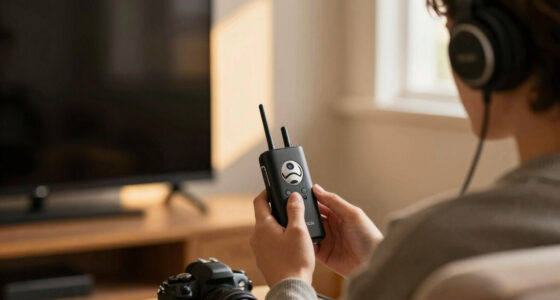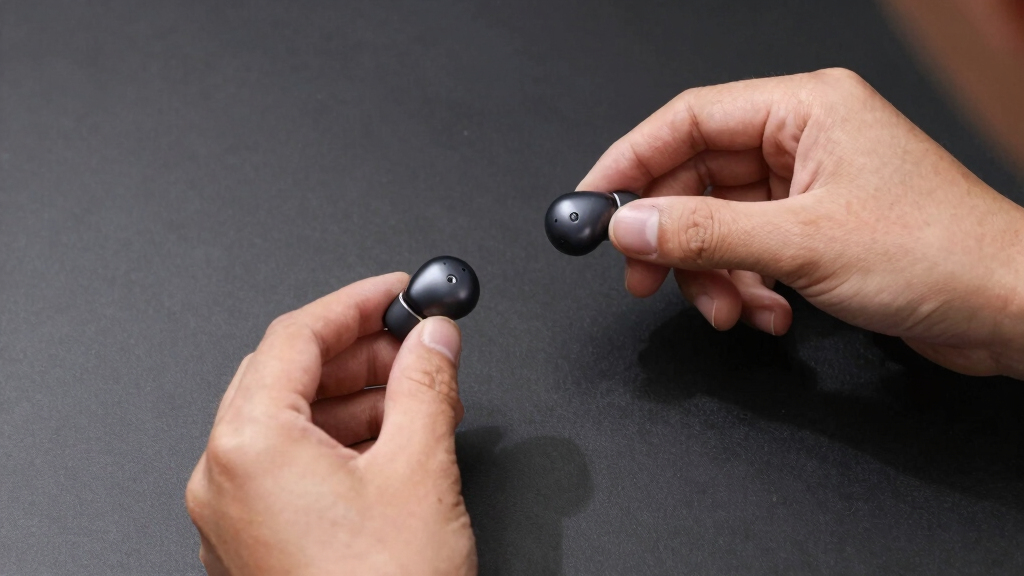
Choosing the best wireless in-ear monitoring system depends on your specific performance needs, budget, and setup. The Phenyx Pro PTM-33-4B stands out as the best overall for its reliable multi-channel operation and durability. For those prioritizing low latency and extended range, the POGOLAB UHF System offers impressive performance. Meanwhile, the Xvive U4 balances affordability with solid sound quality for smaller setups. These options reveal tradeoffs: higher-end systems often deliver better stability and sound, but at a higher price, while budget models may sacrifice some reliability. Keep reading for a detailed breakdown to match your needs.

Get audio and creator gear delivered free with Prime
- Fast, free delivery on millions of items
- Prime Video, Amazon Music and more included
- Member-only deals all year
Complete the kit


Key Takeaways
- Multi-channel UHF systems like the Phenyx Pro excel in larger venues with complex setups.
- Latency and range are critical factors for live performers; higher-end systems generally outperform budget options.
- Ease of use and setup simplicity distinguish beginner-friendly models from professional-grade gear.
- Sound quality and stability often improve with higher frequency systems like 5.8GHz compared to 2.4GHz options.
- Budget options can be suitable for smaller gigs or studio use but may lack long-term reliability in demanding environments.
| Phenyx Pro 4-Channel UHF Mono Wireless In-Ear Monitor System PTM-33-4B |  | Best Overall for Reliable Multiple Mixes | Model Number: PTM-33-4B | Frequency Range: UHF 4×25 channels | Range: 140-164 ft | VIEW LATEST PRICE | See Our Full Breakdown |
| POGOLAB Wireless In-Ear Monitor System, UHF 7-Channel, 48kHz/24Bit, 1ms Low Latency, 164ft Range, Rechargeable Transmitter & Belt Receiver |  | Best for Low Latency and High-Fidelity Performance | Channels: 7 | Frequency Response: 35Hz–16.5kHz | Bit Depth: 24-bit | VIEW LATEST PRICE | See Our Full Breakdown |
| Xvive U4 Wireless In-Ear Monitor System Set |  | Best for Long Range and Low Latency on a Budget | Wireless Frequency: 2.4GHz | Range: 90 feet | Channels: 6 | VIEW LATEST PRICE | See Our Full Breakdown |
| Xvive U45 Wireless In-Ear Monitor System 5.8GHz with Transmitter and Bodypack Receiver |  | Best for Reliable 5.8GHz Connectivity with Clear Sound | Frequency: 5.8 GHz | Range: 100 ft / 30.5 m | Frequency Response: 20Hz – 20kHz | VIEW LATEST PRICE | See Our Full Breakdown |
| Donner Wireless In-Ear Monitor System with Transmitter and Color Screen Receiver, 2.4G IEM for Live Performance and Studio |  | Best for High-Fidelity and Extended Use | Frequency: 2.4 GHz | Sampling Rate: 192kHz | SNR: 110dB | VIEW LATEST PRICE | See Our Full Breakdown |
| Wireless In-Ear Monitor System, 4 Pack Mono IEM System |  | Best Overall for Live Performers Needing Versatility | Frequency Range: 520 MHz-580 MHz | Number of Receivers: 4 | Transmission Range: 330 feet | VIEW LATEST PRICE | See Our Full Breakdown |
| JOYO Wireless In-Ear Monitor System 2.4G with Transmitter and Receiver |  | Best for Practice, Rehearsals, and Studio Use | Frequency: 2.4GHz | Audio Quality: 48kHz/16bit | Latency: <5ms | VIEW LATEST PRICE | See Our Full Breakdown |
| 5.8GHz Wireless In-Ear Monitor System, Stereo IEM for Stage |  | Best for Live Stage Performers Requiring Interference Resistance | Wireless Frequency: 5.8GHz | Audio Resolution: 48kHz/24-bit | Latency: <5ms | VIEW LATEST PRICE | See Our Full Breakdown |
| LEKATO Wireless In-Ear Monitor System MS-02, 2.4G Stereo, Low Latency, Upgraded |  | Best for Live Performers Needing Low Latency and Multiple Receiver Support | Latency: <4.5ms | Sampling Rate: 24bit/48KHz | Wireless Range: 100 feet | VIEW LATEST PRICE | See Our Full Breakdown |
| Wireless In-Ear Monitor System with Transmitter and Receiver (M6S) |  | Best for Stage Performers with Long Battery Life and Easy Setup | Frequency Band: 2.4GHz | Audio Processor: 24-bit/48KHz | Battery Life: 10 hours | VIEW LATEST PRICE | See Our Full Breakdown |
| LEKATO Wireless In-Ear Monitor System 2.4GHz, Stereo with Transmitter and Receiver |  | Best for Small to Medium Venues with Multi-User Support | Frequency Band: 2.4GHz | Transmission Type: Stereo | Battery Life: 5 hours | VIEW LATEST PRICE | See Our Full Breakdown |
| Xvive U45 Wireless In-Ear Monitor System with 5.8GHz Transmitter and Receiver (Black) |  | Best for Stable, Interference-Free Live Performance on the 5.8GHz Band | Frequency: 5.8GHz | Range: 100 feet | Battery Life: 5 hours | VIEW LATEST PRICE | See Our Full Breakdown |
| AOKEO AK-680 Wireless In-Ear Monitor System, 5.8G Professional Stereo IEM Monitoring with Transmitter & Bodypack Receiver |  | Best for Long-Lasting, Professional-Grade Performance with Universal Connectivity | Frequency: 5.8GHz | Battery Life: 12 hours | Connectivity: USB-C, 3.5mm, 6.35mm adapters | VIEW LATEST PRICE | See Our Full Breakdown |
| wireless in-ear monitoring system | Battery Life | Latency |
|---|---|---|
| Phenyx Pro 4-Channel UHF Mono | — | — |
| POGOLAB Wireless In-Ear Monito | up to 5 hours | — |
| Xvive U4 Wireless In-Ear Monit | Up to 5 hours | Less than 5ms |
| Xvive U45 Wireless In-Ear Moni | Up to 5 hours | — |
| Donner Wireless In-Ear Monitor | up to 10 hours | less than 6ms |
| Wireless In-Ear Monitor System | — | — |
| JOYO Wireless In-Ear Monitor S | Over 8 hours | <5ms |
| 5.8GHz Wireless In-Ear Monitor | Over 5 hours | <5ms |
| LEKATO Wireless In-Ear Monitor | 6-8 hours | <4.5ms |
| Wireless In-Ear Monitor System | 10 hours | — |
| LEKATO Wireless In-Ear Monitor | 5 hours | <12ms |
| Xvive U45 Wireless In-Ear Moni | 5 hours | — |
| AOKEO AK-680 Wireless In-Ear M | 12 hours | Ultra-low |
More Details on Our Top Picks
Phenyx Pro 4-Channel UHF Mono Wireless In-Ear Monitor System PTM-33-4B
The Phenyx Pro PTM-33-4B stands out as the best overall choice for performers who need multiple independent mixes, thanks to its 4-channel UHF system that minimizes interference and provides a stable connection across 140-164 feet. Compared with the Xvive U4, which offers a shorter range and fewer channels, the PTM-33-4B excels in larger stage environments but only supports mono monitoring, making stereo options unavailable. Its compact, rack-mountable design suits touring setups, while the need for line-of-sight and mono-only output can be limitations in complex stage layouts. This system is ideal for stage performers and sound engineers prioritizing reliable, interference-free mono monitoring with multiple mixes, but it’s less suited for those wanting stereo sound or wireless flexibility in tight spaces.
Pros:- Provides multiple independent mixes for versatile stage setups
- Long-range, interference-free UHF connection ensures stability
- Compact, rack-mountable for touring and stage use
Cons:- Mono only, no stereo monitoring option
- Requires clear line of sight for optimal range
- Limited to stage and live performance environments
Best for: Performers and sound engineers needing reliable, interference-free mono monitoring with multiple mixes on stage
Not ideal for: Musicians requiring stereo monitoring or those working in environments with obstructed sightlines
- Model Number:PTM-33-4B
- Frequency Range:UHF 4×25 channels
- Range:140-164 ft
- Number of Receivers:4
- Power Supply:AC adapter included
- Connectivity:1/4″ TS jack
Our verdict“Best suited for live performers and engineers seeking reliable mono mixes with minimal interference.”
POGOLAB Wireless In-Ear Monitor System, UHF 7-Channel, 48kHz/24Bit, 1ms Low Latency, 164ft Range, Rechargeable Transmitter & Belt Receiver
The POGOLAB UHF 7-Channel System makes a compelling case for performers demanding top-tier audio fidelity with ultra-low latency, comparable to the Xvive U45. While the U45 offers a 5.8GHz connection, the POGOLAB’s 7-channel UHF setup provides potentially better stability and less crowded spectrum, especially in environments with Wi-Fi interference. Its 48kHz/24-bit audio ensures clear, high-fidelity sound, ideal for critical listening. However, its battery life of up to 5 hours may fall short for longer gigs, and it lacks detailed weight info, which may matter for mobility. This system targets professional performers and sound engineers who prioritize low latency and high audio quality but can accept shorter performance durations without additional charging.
Pros:- Ultra-low latency for real-time monitoring
- High-fidelity 48kHz/24-bit audio quality
- Stable UHF connection with 7 channels
Cons:- Battery life limited to around 5 hours
- No detailed weight info provided
- Requires line-of-sight for optimal stability
Best for: Professional performers and sound engineers needing ultra-low latency and high-fidelity sound for live shows
Not ideal for: Musicians with extended performances over 5 hours or those seeking detailed weight specifications for lightweight setups
- Channels:7
- Frequency Response:35Hz–16.5kHz
- Bit Depth:24-bit
- Sample Rate:48kHz
- Range:164ft
- Battery Life:up to 5 hours
Our verdict“Ideal for professionals demanding top-quality audio and minimal latency in live performance settings.”
Xvive U4 Wireless In-Ear Monitor System Set
The Xvive U4 provides a solid wireless solution for smaller venues and touring musicians needing a dependable, low-latency system at an accessible price point. Its 2.4GHz frequency offers over 90 feet of range, but compared to the Xvive U45, which extends to 100 feet, the U4’s slightly shorter range may be a consideration. Its sub-5ms latency ensures minimal delay, making it suitable for real-time monitoring. However, with only 6 channels, it may not handle more complex setups as well as multi-channel systems. Battery life of approximately 5 hours means frequent recharging for extended gigs. This pick is best for smaller bands or solo performers who prioritize affordability without sacrificing performance.
Pros:- Long wireless range suitable for various venues
- Low latency for real-time feedback
- Rechargeable batteries with extended usage
Cons:- Limited to 6 channels, less flexibility for complex setups
- Battery life may require frequent recharging during long gigs
Best for: Musicians and performers in small to medium venues seeking reliable low-latency wireless monitoring
Not ideal for: Large ensemble setups needing numerous channels or extended performance durations without recharging
- Wireless Frequency:2.4GHz
- Range:90 feet
- Channels:6
- Latency:Less than 5ms
- Battery Life:Up to 5 hours
Our verdict“A practical, affordable choice for small-scale performances with reliable wireless coverage.”
Xvive U45 Wireless In-Ear Monitor System 5.8GHz with Transmitter and Bodypack Receiver
The Xvive U45 excels in providing a dependable 5.8GHz connection with a maximum range of 100 feet and clear, detailed audio from 20Hz to 20kHz. Its broad frequency response and high-quality 24-bit/48kHz sound ensure a professional monitoring experience. Compared to the POGOLAB system, which boasts a higher sample rate, the U45’s straightforward setup and reliable channel scan make it an attractive choice for stage and studio use. Its main drawback is a limited 5-hour battery life, which may be insufficient for longer sessions or gigs. This system suits performers and studio users who need a stable, high-quality wireless setup with simple operation.
Pros:- Reliable wireless connection with channel scan feature
- High-quality, crystal-clear audio with broad frequency response
- Long battery life with quick USB-C charging
Cons:- Limited to 5 hours of battery life, less for all-day gigs
- Requires manual channel matching after scan
Best for: Stage performers and studio musicians needing reliable 5.8GHz wireless connectivity and excellent audio quality
Not ideal for: Prolonged performances exceeding 5 hours or environments with dense RF interference, where longer battery life or more advanced features are required
- Frequency:5.8 GHz
- Range:100 ft / 30.5 m
- Frequency Response:20Hz – 20kHz
- Audio Quality:24-bit/48kHz, 110 dB SNR
- Battery Life:Up to 5 hours
Our verdict“Ideal for stage and studio users who prioritize stable wireless performance and excellent sound quality in a straightforward package.”
Donner Wireless In-Ear Monitor System with Transmitter and Color Screen Receiver, 2.4G IEM for Live Performance and Studio
The Donner CV-3 distinguishes itself through its high-fidelity audio at 192kHz and a vivid color screen, making it well-suited for users who want detailed monitoring and real-time control. While the Xvive U4 offers a more affordable alternative, the Donner system’s broader compatibility with 1/4″, 1/8″, and XLR interfaces appeals to studio and stage professionals needing versatile connectivity. Its impressive 10-hour battery life far surpasses other options, though the reliance on rechargeable batteries requires regular charging, and potential interference at 2.4GHz in crowded RF environments can be a concern. This system is best for serious performers and studio engineers seeking high-fidelity sound and extended operational time without sacrificing portability.
Pros:- High-fidelity audio with 192kHz sampling rate
- Long battery life supports extended use
- Interactive color screen for real-time monitoring
Cons:- Limited to 2.4 GHz, potential interference in crowded RF areas
- Requires frequent recharging of batteries
- May be more complex for beginners
Best for: Performers and studio engineers prioritizing high-fidelity sound and long-lasting operation in versatile environments
Not ideal for: Users working in extremely crowded RF environments or seeking simple, low-cost systems for casual use
- Frequency:2.4 GHz
- Sampling Rate:192kHz
- SNR:110dB
- Latency:less than 6ms
- Battery Life:up to 10 hours
- Material:Zinc alloy
Our verdict“Best suited for professionals seeking detailed audio, extended operation, and advanced features in a portable design.”
Wireless In-Ear Monitor System, 4 Pack Mono IEM System
This UHF system stands out for its exceptional combination of high-fidelity sound and extended wireless range, making it ideal for live performances where freedom of movement is essential. Compared with the 5.8GHz system, it offers a more affordable, widely compatible solution, though it requires a clear line of sight for optimal operation. Its durable design and multiple receivers facilitate seamless monitoring for band members or stage crew. The main tradeoff is that UHF frequencies can be crowded, which might necessitate manual frequency adjustments in busy environments. This system excels for performers who prioritize reliable, long-range connectivity and multi-user setups, but it isn’t suited for environments with heavy RF congestion.
Pros:- High-fidelity sound with zero latency ensures real-time monitoring
- Flexible frequency options and IR sync for easy setup
- Durable, lightweight metal transmitter and plastic receivers suit live use
- Long wireless range up to 330 feet for maximum stage freedom
Cons:- Requires a clear line of sight for best performance, limiting usability indoors
- Limited to UHF band, which may need manual tuning in RF-dense environments
Best for: Musicians and stage crews who need a flexible, multi-operator wireless monitoring solution in crowded RF settings
Not ideal for: Studio users or small venue performers who prefer simple, plug-and-play systems without frequency management
- Frequency Range:520 MHz-580 MHz
- Number of Receivers:4
- Transmission Range:330 feet
- Power Supply:Includes power adapter
- Materials:Metal transmitter, ABS plastic receivers
- Included:Transmitter, 4 bodypack receivers, earphones, antennas, user manual
Our verdict“This system is well-suited for live performers and sound engineers who need reliable, multi-user wireless monitoring with extensive range and durability.”
JOYO Wireless In-Ear Monitor System 2.4G with Transmitter and Receiver
The JOYO JW-07 delivers solid audio clarity and low latency with a stable 2.4GHz connection over 40-60 feet, making it a practical choice for practice and studio monitoring. Compared to the 5.8GHz or UHF options, it offers easier setup and fewer interference concerns, but its shorter range limits live stage applications. Its 12-channel banks support multiple instruments and groups, though a single transmitter cannot connect to multiple receivers simultaneously—limiting multi-user flexibility. Battery life exceeds 8 hours, reducing the need for frequent recharging during long sessions. This pick makes the most sense for musicians or DJs seeking reliable, low-latency wireless monitoring in controlled environments, not for large-stage performances requiring extensive range.
Pros:- High audio clarity with low <5ms latency ensures tight timing
- Stable wireless connection over 40-60 feet supports practice environments
- Long battery life of over 8 hours for extended use
- Supports multiple channels and groups for versatile monitoring
Cons:- One transmitter cannot connect to multiple receivers simultaneously, limiting group use
- Limited range makes it less suitable for large stage or outdoor use
Best for: Musicians, DJs, or producers needing dependable wireless sound during rehearsals and studio sessions
Not ideal for: Performers on large stages or outdoor venues where longer range and interference resistance are priorities
- Frequency:2.4GHz
- Audio Quality:48kHz/16bit
- Latency:<5ms
- Range:40-60ft
- Battery Life:Over 8 hours
- Channels:12 Channel banks, 4 groups
Our verdict“Ideal for studio and rehearsal settings where stable, low-latency wireless monitoring is needed without the complexity of long-range setup.”
5.8GHz Wireless In-Ear Monitor System, Stereo IEM for Stage
This 5.8GHz system delivers high-resolution 48kHz/24-bit stereo audio with ultra-low latency, making it particularly suitable for high-pressure live performances and rehearsals. It features auto pairing for multiple receivers, simplifying setup for bands with multiple members. Compared with the 2.4GHz models, it offers increased resistance to interference, which can be critical in crowded RF environments. However, it tends to be pricier and may appeal more to users already comfortable with wireless audio gear. The 100-foot range ensures plenty of stage coverage, but some users might find the higher cost a deterrent if they only need basic monitoring. This system is best for performers who prioritize stable, high-quality audio during live shows and are willing to invest in interference-resistant technology.
Pros:- Stable and interference-resistant 5.8GHz wireless connection
- High-quality lossless stereo audio with ultra-low latency
- Auto pairing for multiple receivers streamlines setup
- Long wireless range up to 100 feet supports large stage coverage
Cons:- Higher price point compared to 2.4GHz systems
- Requires familiarity with wireless setup, potentially challenging for beginners
Best for: Stage performers and sound engineers demanding interference-free, high-resolution wireless audio
Not ideal for: Budget-conscious users or those primarily working indoors in RF-dense environments where cost is a concern
- Wireless Frequency:5.8GHz
- Audio Resolution:48kHz/24-bit
- Latency:<5ms
- Wireless Range:100ft
- Battery Life:Over 5 hours
- Included Items:Wireless Receiver, Wireless Transmitter, Audio Cable, USB-C, manual
Our verdict“This system is perfect for performers needing reliable, interference-free wireless audio during live stage acts willing to invest in premium features.”
LEKATO Wireless In-Ear Monitor System MS-02, 2.4G Stereo, Low Latency, Upgraded
The LEKATO MS-02 offers ultra-low latency under 4.5ms and supports up to four receivers simultaneously, making it a strong contender for live stage use where real-time monitoring is vital. Its 24bit/48KHz sound quality and easy mono/stereo switching provide flexibility for various performance needs. Compared to the JOYO system, it supports more receivers at once, but its earbuds are sold separately, adding to the total cost and setup complexity. The LED battery indicator and mute function enhance usability, but pairing can be tricky for newcomers. This model is best suited for seasoned performers or sound techs who need quick, reliable, multi-user monitoring with low latency.
Pros:- Ultra-low latency (<4.5ms) for real-time monitoring
- Supports up to 4 receivers simultaneously
- Easy mono/stereo switching for versatile use
- Long battery life of up to 8 hours
Cons:- Earbuds are sold separately, increasing overall cost
- Pairing process may be complex for some users
- Limited to 4 receivers at once limits larger group setups
Best for: Experienced performers and sound engineers who need multi-receiver support with ultra-low latency
Not ideal for: Beginners or casual musicians who prefer all-in-one, plug-and-play solutions
- Latency:<4.5ms
- Sampling Rate:24bit/48KHz
- Wireless Range:100 feet
- Battery Life:6-8 hours
- Supports:Up to 4 receivers
- Input Modes:Mono/Stereo
Our verdict“This system is ideal for experienced performers needing reliable, low-latency multi-receiver wireless monitoring with flexible audio modes.”
Wireless In-Ear Monitor System with Transmitter and Receiver (M6S)
The M6S system, operating on 2.4GHz, offers clear sound with good bass, low noise, and a notably long 10-hour battery life, making it suitable for lengthy performances and rehearsals. Its automatic pairing simplifies setup, and supporting multiple receivers allows for flexible stage arrangements. Compared to the 5.8GHz or UHF options, it provides a good balance of ease of use and performance, though some might find its setup process less straightforward due to initial configuration steps. The 3-hour recharge time is acceptable for most users, but it requires planning around charging. This system makes a strong case for stage performers who prioritize long battery life and straightforward operation, but less so for environments with RF congestion or large-scale outdoor events.
Pros:- Long battery life of up to 10 hours supports extended performances
- Automatic pairing reduces setup time
- Supports multiple receivers for flexible stage coverage
- Good sound clarity with low noise
Cons:- Requires 3 hours to fully recharge, needing planning
- Setup can be complex for first-time users
- Limited to 2.4GHz, which may encounter interference in crowded environments
Best for: Stage performers and live sound crews seeking a long-lasting, easy-to-setup wireless monitoring system
Not ideal for: Outdoor events in RF-heavy environments or users needing extensive range beyond 100 feet
- Frequency Band:2.4GHz
- Audio Processor:24-bit/48KHz
- Battery Life:10 hours
- Charging Time:3 hours
- Number of Receivers:Up to 6
- Included Items:Wireless receiver, transmitter, in-ear headphones, cable, 6.35mm jack, user manual
Our verdict“This system is perfect for stage performers who need a reliable, long-lasting wireless setup with straightforward operation and multiple receiver support.”
LEKATO Wireless In-Ear Monitor System 2.4GHz, Stereo with Transmitter and Receiver
This option stands out for its ability to support up to six receivers simultaneously, making it an excellent choice for band rehearsals, small gigs, or church services where multi-user monitoring is needed. Compared with the Xvive U45, which operates on 5.8GHz, the LEKATO’s 2.4GHz band may be more prone to interference but offers reliable stereo sound at a lower cost. Its auto-pairing feature simplifies setup, and the 5-hour battery life ensures long sessions. However, the system’s range can be impacted by obstacles, and it’s best suited for smaller venues where interference is manageable. The necessity for stereo sources and limited range in complex environments are notable tradeoffs.
Pros:- Supports up to 6 receivers simultaneously, ideal for small groups
- Auto-pairing feature simplifies setup in live environments
- High-quality stereo sound with low latency for clear audio
Cons:- Limited to small/medium venues due to potential interference
- Requires stereo audio source for best performance
- Range may be affected by obstacles
Best for: Musicians or worship teams who need multiple in-ear monitors at small to medium venues
Not ideal for: Large outdoor concerts where interference and range are more challenging to control
- Frequency Band:2.4GHz
- Transmission Type:Stereo
- Battery Life:5 hours
- Wireless Range:100 feet
- Supported Devices:Up to 6 receivers
- Frequency Response:20Hz-20kHz
- Dynamic Range:105 dB
- Latency:<12ms
Our verdict“This system is perfect for smaller setups where multi-user support and ease of use are priorities, but less suited for large or complex environments.”
Xvive U45 Wireless In-Ear Monitor System with 5.8GHz Transmitter and Receiver (Black)
The Xvive U45 is designed for performers who need a reliable, interference-free connection, particularly in environments crowded with Wi-Fi or other wireless signals. Unlike the LEKATO system, which operates on 2.4GHz and can face interference issues, the U45’s 5.8GHz frequency provides a more stable link, making it ideal for live shows where consistency is critical. Its auto channel scan enhances reliability, and the 100-foot range offers freedom of movement. The 5-hour battery life is comparable to LEKATO’s, but the need for rechargeable batteries for both units adds some maintenance considerations. Overall, it’s a robust choice for performers prioritizing a stable connection over multi-user support.
Pros:- Stable connection using 5.8GHz frequency reduces interference
- Auto channel scan ensures reliable connectivity during shows
- Wide 100ft range allows freedom of movement
Cons:- Limited to 5 hours of battery per charge, similar to LEKATO
- Requires rechargeable batteries for both transmitter and receiver, adding maintenance
- Less suited for multi-user setups compared to LEKATO
Best for: Performers and sound engineers needing interference-free audio for live performances
Not ideal for: Musicians working in environments where ultra-long battery life or multi-receiver setups are required
- Frequency:5.8GHz
- Range:100 feet
- Battery Life:5 hours
- Includes:Transmitter, Receiver, USB Cable, 1/4″ to XLR Adapter, Bag
- Support:Auto channel scan
- Design:Compact, portable
Our verdict“Ideal for solo performers or bands seeking a dependable, interference-free wireless system in high-demand live settings.”
AOKEO AK-680 Wireless In-Ear Monitor System, 5.8G Professional Stereo IEM Monitoring with Transmitter & Bodypack Receiver
The AOKEO AK-680 makes a compelling case for professionals needing superior audio fidelity, ultra-low latency, and extended battery life. Its 12-hour runtime far exceeds the other two systems, making it ideal for all-day rehearsals, recording sessions, or lengthy performances. Compared to the LEKATO and Xvive systems, the AK-680 offers universal connectivity options—USB-C, 3.5mm, 6.35mm—making it compatible with a broad range of devices. Its lightweight, clip-on receiver design is a plus for comfort and mobility. The main tradeoff is its higher price point, which may deter casual users, and setup can require some technical familiarity. For serious performers or studios, this model provides a seamless, high-fidelity experience.
Pros:- Ultra-low latency and interference-free audio transmission
- Long battery life of up to 12 hours supports extended use
- Universal connectivity with multiple adapters for diverse devices
- Lightweight, clip-on design enhances comfort during long sessions
Cons:- Higher cost may be prohibitive for casual users
- Setup requires some technical knowledge for optimal pairing
- Limited detailed specifications in raw data
Best for: Professional musicians, studio engineers, or performers who need all-day reliability and universal device compatibility
Not ideal for: Amateurs or budget-conscious users who don’t require ultra-long battery life or extensive connectivity options
- Frequency:5.8GHz
- Battery Life:12 hours
- Connectivity:USB-C, 3.5mm, 6.35mm adapters
- Design:Lightweight, clip-on receiver
- Latency:Ultra-low
- Compatibility:Universal
Our verdict“This system is best for professionals seeking durable, high-fidelity monitoring with long battery life and broad device support, though at a higher price point.”

How We Picked
These products were evaluated based on core performance criteria such as audio fidelity, signal stability, latency, and range. Ease of setup and use, build quality, and durability were also key considerations, especially for live performance demands. Value and price point played a role, ensuring options for different budgets without sacrificing essential features. The ranking reflects a balance between professional-grade reliability and affordability, ensuring each system suits a specific user profile, from beginners to seasoned performers.| wireless in-ear monitoring system | Latency |
|---|---|
| Phenyx Pro 4-Channel UHF Mono | — |
| POGOLAB Wireless In-Ear Monito | — |
| Xvive U4 Wireless In-Ear Monit | Less than 5ms |
| Xvive U45 Wireless In-Ear Moni | — |
| Donner Wireless In-Ear Monitor | less than 6ms |
| Wireless In-Ear Monitor System | — |
| JOYO Wireless In-Ear Monitor S | <5ms |
| 5.8GHz Wireless In-Ear Monitor | <5ms |
| LEKATO Wireless In-Ear Monitor | <4.5ms |
| Wireless In-Ear Monitor System | — |
| LEKATO Wireless In-Ear Monitor | <12ms |
| Xvive U45 Wireless In-Ear Moni | — |
| AOKEO AK-680 Wireless In-Ear M | Ultra-low |
Factors to Consider When Choosing Best Wireless In-ear Monitoring System
Selecting the right wireless in-ear monitoring system involves understanding several critical factors that influence performance, usability, and longevity. Beyond basic features, buyers should consider how their setup, environment, and personal needs align with the system’s capabilities. Making an informed choice ensures smooth performances without signal dropouts or latency issues, especially during live shows or recording sessions.Frequency Band and Signal Stability
Frequency selection directly impacts signal reliability and interference. UHF systems generally offer more stable connections in crowded RF environments, making them ideal for large venues. Conversely, 2.4GHz and 5.8GHz systems are more susceptible to interference but often cost less and are easier to set up. Consider your typical environment and choose a frequency band that minimizes dropouts and noise for consistent monitoring.
Range and Latency
Range matters if you perform on large stages or outdoor settings. A system with a longer range provides more flexibility and reduces the need for multiple transmitters. Latency, the delay between source and receiver, affects timing accuracy—crucial for musicians syncing with backing tracks or other performers. Look for systems that advertise low latency (under 10ms) if timing precision is important to your performance.
Ease of Use and Setup
For beginners or those who need quick setup, user-friendly interfaces and simple pairing processes are essential. More advanced systems may include features like multiple channels, digital displays, or remote control via apps, which benefit experienced users. Weigh your comfort level with technical features against the complexity of your typical setup to choose a system that saves time and reduces frustration.
Build Quality and Durability
Live performances demand gear that withstands movement, sweat, and occasional knocks. Higher-quality systems tend to have robust transmitters and receivers with weather-resistant or ruggedized housings. Cheaper options might be more fragile, requiring careful handling or more frequent replacement. Investing in durable hardware pays off in the long run, especially for touring or regular gigging.
Sound Quality and Battery Life
Clear, reliable sound is non-negotiable for performers. Systems with better audio fidelity and noise rejection will help you monitor accurately. Additionally, consider battery life—long-lasting batteries ensure uninterrupted performance, especially during extended sets. Many high-end systems offer rechargeable batteries, but always check for quick charging features or backup power options.
Frequently Asked Questions
How do I choose between UHF and 2.4GHz wireless systems?
UHF systems generally provide more stable signals with less interference, making them suitable for large venues and crowded RF environments. 2.4GHz systems are easier to set up and more affordable but can be more susceptible to interference from Wi-Fi and other devices. Your choice depends on your typical performance environment; for complex RF settings, UHF is usually preferable.
What is the typical range I should look for in a wireless in-ear monitor system?
The ideal range depends on your stage size and performance environment. For most indoor venues, 100-200 feet is sufficient. Larger outdoor settings might require systems offering 300 feet or more. Always check the manufacturer’s specifications, but remember that obstacles and RF interference can reduce actual usable range.
How important is latency in a wireless in-ear system?
Latency impacts how quickly you hear your monitor audio after it’s played. For live performance, latency below 10 milliseconds is generally acceptable, ensuring your monitoring remains in sync with your playing or singing. Higher latency can cause noticeable delays, affecting timing and coordination, especially for drummers or vocalists.
Are multi-channel systems worth the extra cost?
Multi-channel systems offer flexibility for bands or performers needing to monitor different mixes simultaneously. They reduce interference by switching channels and improve overall stability in complex setups. However, they tend to be more expensive and require more setup time. If you perform solo or in small groups, a single-channel system may be sufficient.
Should I prioritize sound quality or affordability?
While budget systems can be suitable for practice or small gigs, investing in higher-quality audio ensures better clarity and fewer signal issues during live performances. If you’re a professional or perform regularly in large venues, prioritizing sound fidelity and system stability justifies spending more. Balance your budget with your performance needs to find the best fit.
Conclusion
The best overall choice for most performers is the Phenyx Pro 4-Channel UHF Mono Wireless In-Ear Monitor System thanks to its reliable multi-channel operation and durability. For those on a tighter budget, the Xvive U4 offers surprisingly good sound at a lower price point. If advanced features and top-tier stability are your priority, the AOKEO AK-680 or POGOLAB UHF System stand out as premium picks. Beginners will appreciate systems with straightforward setup, while touring professionals should focus on systems with extended range, low latency, and rugged build quality. Matching these options to your specific needs ensures a seamless monitoring experience on stage.
As an affiliate, we earn on qualifying purchases.Fall Picks
fall essentials