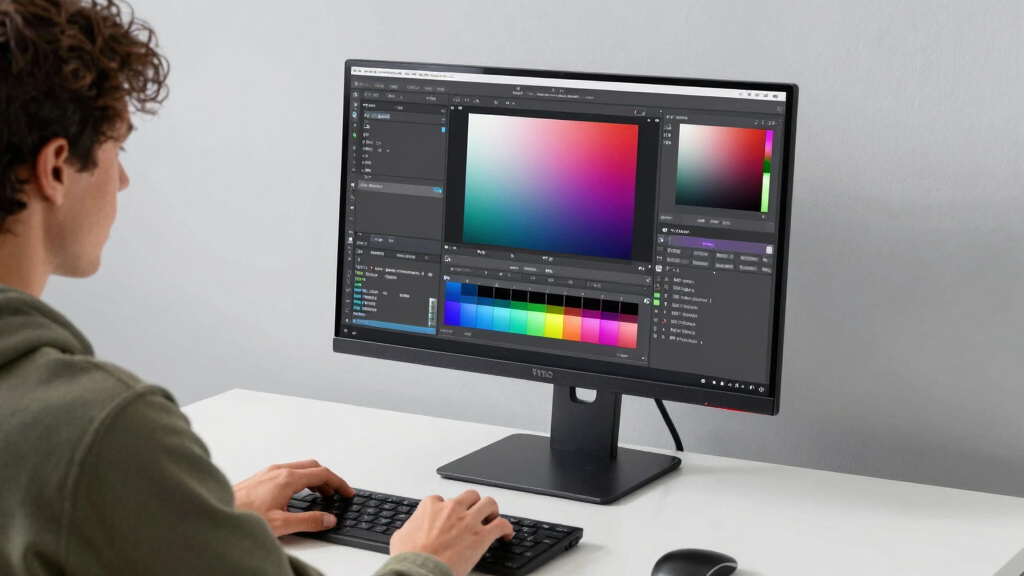

Finding the best color-accurate monitor for creators involves balancing precision, affordability, and usability. The ASUS ProArt PA278QV stands out as a versatile, reliable choice for most professionals, offering excellent color fidelity at a reasonable price. For those prioritizing ultra-high resolution, the Dell 27 Monitor S2725QC delivers stunning 4K clarity with strong color accuracy. Creators often face tradeoffs between color precision, screen size, refresh rate, and budget, making it challenging to select the ideal model. Continue reading to explore the full lineup and find the perfect fit for your creative needs.

Get audio and creator gear delivered free with Prime
- Fast, free delivery on millions of items
- Prime Video, Amazon Music and more included
- Member-only deals all year
Complete the kit



Key Takeaways
- Top monitors offer factory-calibrated color accuracy suitable for professional work, but calibration tools can enhance precision further.
- Higher resolution screens, like 4K and 5K, improve detail but typically come at a higher price point, impacting affordability.
- USB-C connections are increasingly common and facilitate easier workspace setups for creators working with laptops.
- Refresh rate varies among options; higher rates benefit video editing and animation workflows, while standard rates suit photo editing.
- Size and ergonomics are important—larger screens improve workflow, but may require more desk space and higher budgets.
| ASUS ProArt PA278QV 27 Inch 1440p QHD Professional Monitor |  | Best Overall for Color Accuracy and Versatility | Display Size: 27 inches | Resolution: 2560 x 1440 (QHD) | Color Coverage: 100% sRGB & 100% Rec. 709 | VIEW LATEST PRICE | See Our Full Breakdown |
| ViewSonic VP2756A 27-Inch 2K IPS Monitor with USB-C and 120Hz |  | Best Value with High Refresh Rate and Excellent Color Fidelity | Size: 27 inches | Resolution: 2560 x 1440 (2K) | Color Coverage: 100% sRGB, Rec. 709 | VIEW LATEST PRICE | See Our Full Breakdown |
| Dell 27 Monitor S2725QC 4K UHD IPS with 120Hz Refresh Rate |  | Best for Vivid 4K Visuals and HDR-Ready Content | Size: 27 inches | Resolution: 3840 x 2160 (4K UHD) | Color Coverage: 99% sRGB | VIEW LATEST PRICE | See Our Full Breakdown |
| ASUS ProArt PA27JCV 27-Inch 5K USB-C Professional Monitor for Mac |  | Best for High-Resolution, Color-Accurate Mac Work | Display Size: 27 inches | Resolution: 5120 x 2880 (5K) | Color Gamut: 99% DCI-P3, 100% sRGB, 95% Adobe RGB | VIEW LATEST PRICE | See Our Full Breakdown |
| ASUS ProArt PA279CRV 27 Inch 4K UHD USB-C HDR Professional Monitor for Mac |  | Best for 4K HDR Creators on Mac | Display Size: 27 inches | Resolution: 3840 x 2160 (4K UHD) | Color Coverage: 99% DCI-P3, 99% Adobe RGB | VIEW LATEST PRICE | See Our Full Breakdown |
| Asus ProArt Display PA248QV 24.1-inch WUXGA Monitor |  | Best Overall for Color Accuracy and Professional Use | Display Size: 24.1 inches | Resolution: 1920 x 1200 | Color Gamut: 100% sRGB, 100% Rec. 709 | VIEW LATEST PRICE | See Our Full Breakdown |
| ViewSonic VP2766-2K 27 Inch ColorPro QHD IPS Monitor with 120Hz and USB-C |  | Best for Versatile Creative Work with High-Resolution and Color Accuracy | Size: 27 inches | Resolution: 2560 x 1440 (QHD) | Refresh Rate: 120Hz | VIEW LATEST PRICE | See Our Full Breakdown |
| ASUS ProArt PA247CV 24-Inch 1080p USB-C Professional Monitor |  | Best for Budget-Conscious Creators Needing Reliable Color | Display Size: 24 inches | Resolution: 1920 x 1080 | Color Gamut: 100% sRGB, 100% Rec. 709 | VIEW LATEST PRICE | See Our Full Breakdown |
| color-accurate monitor for creator | Resolution | Connectivity | Calibration | Display Size |
|---|---|---|---|---|
| ASUS ProArt PA278QV 27 Inch 14 | 2560 x 1440 (QHD) | DisplayPort, HDMI, DVI-D, Mini DP, USB hub | — | 27 inches |
| ViewSonic VP2756A 27-Inch 2K I | 2560 x 1440 (2K) | USB-C, HDMI, DisplayPort | Delta E<2, factory calibrated | — |
| Dell 27 Monitor S2725QC 4K UHD | 3840 x 2160 (4K UHD) | USB-C (up to 65W) | — | — |
| ASUS ProArt PA27JCV 27-Inch 5K | 5120 x 2880 (5K) | USB-C with 96W PD | Calman verified, Delta E<2 | 27 inches |
| ASUS ProArt PA279CRV 27 Inch 4 | 3840 x 2160 (4K UHD) | USB-C with 96W PD | Calman verified, Delta E<2 | 27 inches |
| Asus ProArt Display PA248QV 24 | 1920 x 1200 | DisplayPort, HDMI, D-sub, 4 USB 3.0 ports | Calman Verified, ΔE < 2 | 24.1 inches |
| ViewSonic VP2766-2K 27 Inch Co | 2560 x 1440 (QHD) | — | Pantone Validated | — |
| ASUS ProArt PA247CV 24-Inch 10 | 1920 x 1080 | DisplayPort over USB-C, HDMI, USB 3.1 | Calman Verified, Delta E < 2 | 24 inches |
More Details on Our Top Picks
ASUS ProArt PA278QV 27 Inch 1440p QHD Professional Monitor
The ASUS ProArt PA278QV earns its top spot by combining high color fidelity with extensive connectivity options, making it ideal for creative professionals who need precise color reproduction and flexible workflows. Its factory calibration with Delta E < 2 and 100% sRGB & Rec. 709 coverage ensure accurate results for photo editing, graphic design, and video work. Compared with the ViewSonic VP2756A, it offers slightly better color accuracy at a similar price point, though it lacks the built-in USB-C dock. Its ergonomic stand supports tilt, pivot, swivel, and height adjustments, which is a step above many budget options, but the 27-inch size requires ample desk space and may be too large for compact setups. This monitor provides a balanced mix of professional-grade features without the premium of 5K or 4K models, making it a versatile choice for those seeking reliable color accuracy across diverse projects.
Pros:- High color accuracy with Delta E < 2 and full sRGB/Rec. 709 coverage
- Factory calibrated for immediate use out of the box
- Multiple connectivity options including DisplayPort, HDMI, DVI-D, and USB hub
- Extensive ergonomic adjustments for comfortable long-term use
Cons:- Premium price may be prohibitive for casual or hobbyist users
- Requires ample space due to its 27-inch size
Best for: Creative professionals who want a reliable, calibrated monitor with flexible connectivity and ergonomic design.
Not ideal for: Casual users or those with limited desk space who don’t need professional-grade color accuracy or extensive adjustment options.
- Display Size:27 inches
- Resolution:2560 x 1440 (QHD)
- Color Coverage:100% sRGB & 100% Rec. 709
- Color Accuracy:Delta E < 2
- Connectivity:DisplayPort, HDMI, DVI-D, Mini DP, USB hub
- Adjustments:Tilt, pivot, swivel, height
Our verdict“This monitor is best suited for creative professionals who need accuracy and flexibility without stepping up to ultra-high resolutions or premium pricing.”
ViewSonic VP2756A 27-Inch 2K IPS Monitor with USB-C and 120Hz
The ViewSonic VP2756A stands out for its combination of professional-grade color accuracy and a smooth 120Hz refresh rate, making it suitable for both editing and multimedia tasks. Its factory calibration with Delta E < 2 and 100% sRGB plus Rec. 709 coverage ensure trustworthy color reproduction, comparable to the ASUS ProArt PA278QV but with the added benefit of a high refresh rate that benefits motion-sensitive work and casual gaming. Its built-in 90W USB-C dock simplifies connectivity, reducing clutter. Unlike the 4K Dell S2725QC, this model offers a more manageable resolution for most creators, and its ergonomic stand provides tilt, pivot, swivel, and height adjustments for long hours of comfortable use. It balances professional accuracy with enhanced visual fluidity, making it an appealing mid-range choice.
Pros:- Excellent color accuracy with Delta E < 2 and full sRGB/Rec. 709 coverage
- 120Hz refresh rate enhances motion clarity for video editing or casual gaming
- Built-in 90W USB-C dock reduces cable clutter
- Fully adjustable ergonomic stand for long-term comfort
Cons:- Limited to 27 inches, which may not suit all workspace sizes
- Higher price than entry-level calibrated monitors
Best for: Creative professionals who want calibrated color with a high refresh rate and simplified connectivity at a slightly lower price point.
Not ideal for: Users needing 4K resolution or gaming-focused setups, as the 2K resolution may not meet their demands.
- Size:27 inches
- Resolution:2560 x 1440 (2K)
- Color Coverage:100% sRGB, Rec. 709
- Calibration:Delta E<2, factory calibrated
- Refresh Rate:120Hz
- Connectivity:USB-C, HDMI, DisplayPort
Our verdict“This monitor offers a compelling balance of color fidelity and fluid visuals for creators seeking high-quality performance without the 4K premium.”
Dell 27 Monitor S2725QC 4K UHD IPS with 120Hz Refresh Rate
The Dell S2725QC delivers striking 4K visuals with vibrant color coverage, setting it apart from the 2K options like the ViewSonic by emphasizing resolution and image detail. Its 99% sRGB coverage and HDR readiness make it suitable for creators working on high-resolution projects requiring vibrant, true-to-life colors. The 120Hz refresh rate offers smooth motion, beneficial for fast-paced editing or multimedia consumption. Unlike the ASUS ProArt PA278QV, it sacrifices some ergonomic flexibility for a sleeker design and higher resolution. Its USB-C port, supporting up to 65W, simplifies connectivity, but the lack of detailed stand adjustability may be a drawback for prolonged use. This monitor appeals to those prioritizing resolution and color vibrancy over extensive calibration features.
Pros:- Vivid 4K UHD visuals with 99% sRGB coverage
- HDR-ready for enhanced dynamic range
- 120Hz refresh rate for smooth motion
- Single USB-C cable with power delivery simplifies setup
Cons:- Limited stand adjustment options
- Higher price due to 4K and HDR features
Best for: Creators needing high-resolution, vibrant visuals, and HDR support for editing and viewing detailed content.
Not ideal for: Those seeking extensive ergonomic adjustment or professional calibration, as it focuses more on display quality than workspace flexibility.
- Size:27 inches
- Resolution:3840 x 2160 (4K UHD)
- Color Coverage:99% sRGB
- HDR:HDR ready
- Refresh Rate:120Hz
- Connectivity:USB-C (up to 65W)
Our verdict“Ideal for creators prioritizing high-resolution, vibrant imagery with smooth motion, but less so for those who need full ergonomic flexibility.”
ASUS ProArt PA27JCV 27-Inch 5K USB-C Professional Monitor for Mac
The ASUS ProArt PA27JCV excels by offering a 5K resolution and professional-grade color accuracy, making it a prime choice for high-precision tasks like photo retouching and detailed graphic work. Its factory calibration and Calman verification with Delta E < 2 ensure exact color reproduction, outperforming most 4K monitors in pixel density and detail clarity. The wide gamut coverage, including 99% DCI-P3 and 95% Adobe RGB, provides extensive color options for creative workflows. Compared to the 4K Dell S2725QC, it delivers significantly sharper images, but its higher price and Mac-centric design limit its appeal for casual or Windows users. Its USB-C port with 96W power delivery and auto KVM switch provide streamlined connectivity, ideal for professional Mac users.
Pros:- Stunning 5K resolution with sharp detail and clarity
- Factory calibrated and Calman verified for accuracy
- Wide color gamut including DCI-P3 and Adobe RGB
- USB-C with 96W power delivery and auto KVM switch
Cons:- Premium price level may be prohibitive for some
- Designed mainly for professional workflows, not gaming
Best for: Mac-based creative professionals needing ultra-high resolution and calibrated color accuracy for detailed work.
Not ideal for: Budget-conscious users or those working primarily with Windows who do not require 5K resolution.
- Display Size:27 inches
- Resolution:5120 x 2880 (5K)
- Color Gamut:99% DCI-P3, 100% sRGB, 95% Adobe RGB
- Calibration:Calman verified, Delta E<2
- Connectivity:USB-C with 96W PD
- Additional Features:Auto KVM switch
Our verdict“This monitor is best for Mac users demanding ultra-detailed visuals and precise, wide-gamut color reproduction.”
ASUS ProArt PA279CRV 27 Inch 4K UHD USB-C HDR Professional Monitor for Mac
The ASUS ProArt PA279CRV offers a 4K UHD resolution combined with HDR and wide color coverage, making it well-suited for creators working in high-resolution, color-accurate environments. Its factory calibration with Delta E < 2 and coverage of 99% DCI-P3 and Adobe RGB makes it ideal for detailed editing and color grading. The versatile USB-C port supports 96W power delivery, simplifying cable management, while ergonomic adjustments support comfortable long sessions. Compared to the 27-inch 2K ViewSonic VP2756A, the PA279CRV provides higher resolution and HDR support. Its extended warranty and calibration verification from Calman add reassurance for professional workflows, though it is priced for serious users rather than casual hobbyists. Designed primarily for Mac and creative workflows, it emphasizes accuracy over gaming or casual use.
Pros:- High-resolution 4K UHD display with HDR support
- Factory calibrated with Delta E < 2 and wide color coverage
- USB-C with 96W Power Delivery simplifies connectivity
- Extended 5-year warranty enhances reliability
Cons:- Premium pricing restricts accessibility for casual users
- Designed mainly for professional use, with limited focus on gaming
Best for: Mac-based creatives needing a 4K HDR display with extensive color coverage and professional calibration.
Not ideal for: Budget users or those who prioritize gaming or general-use features over professional color accuracy.
- Display Size:27 inches
- Resolution:3840 x 2160 (4K UHD)
- Color Coverage:99% DCI-P3, 99% Adobe RGB
- Calibration:Calman verified, Delta E<2
- Connectivity:USB-C with 96W PD
- Additional Features:HDR support
Our verdict“This monitor is tailored for Mac professionals seeking a high-resolution, color-accurate HDR display for detailed work.”
Asus ProArt Display PA248QV 24.1-inch WUXGA Monitor
The Asus ProArt PA248QV stands out for its balance of accurate color reproduction and flexible connectivity, making it a top choice for those who need dependable color fidelity in a professional setting. Its factory calibration with Calman Verified and ΔE < 2 ensures precise colors right out of the box, comparable to the ViewSonic VP2766-2K, but at a slightly lower resolution. While it’s VESA compatible and offers comprehensive ergonomic adjustments, the absence of built-in speakers and the premium pricing for a 24-inch monitor are notable tradeoffs. Compared with larger or higher-resolution options, this model prioritizes consistent color accuracy over size or ultra-high resolution, making it ideal for detailed editing work where color precision is paramount.
Pros:- High color accuracy with factory calibration and Calman Verified status
- Extensive connectivity options including multiple USB 3.0 ports and VESA mount
- Ergonomic design with tilt, swivel, pivot, and height adjustments
Cons:- Limited to 1920×1200 resolution, which may be less sharp than 4K options
- No built-in speakers, requiring external audio solutions
- Higher price point for a 24-inch monitor may deter budget-conscious buyers
Best for: Creative professionals who need reliable, factory-calibrated color accuracy in a compact, ergonomic monitor
Not ideal for: Casual users or those seeking a budget-friendly or larger display, as its higher price and smaller size may not meet their needs
- Display Size:24.1 inches
- Resolution:1920 x 1200
- Color Gamut:100% sRGB, 100% Rec. 709
- Calibration:Calman Verified, ΔE < 2
- Connectivity:DisplayPort, HDMI, D-sub, 4 USB 3.0 ports
- Adjustments:Tilt, swivel, pivot, height
Our verdict“This monitor is best suited for professionals who prioritize color accuracy and ergonomic flexibility over size or resolution.”
ViewSonic VP2766-2K 27 Inch ColorPro QHD IPS Monitor with 120Hz and USB-C
The ViewSonic VP2766-2K excels by combining a 27-inch 2K resolution with factory-calibrated color accuracy validated by Pantone, making it ideal for detailed editing and color-sensitive tasks. Its 2560×1440 resolution offers a sharper image than the Asus PA248QV, and with a 120Hz refresh rate, it provides smoother visuals, although it’s not suited for high-end gaming like gaming-focused monitors. The inclusion of USB-C with 90W Power Delivery and multiple ports makes it a flexible choice for creators with modern workflows. When compared to the ASUS ProArt PA247CV, this model offers a larger screen and higher refresh rate, but it is significantly more expensive, which might be a barrier for casual users. Its combination of resolution, color accuracy, and connectivity makes it a standout for those needing both precision and versatility.
Pros:- Sharp 2K QHD resolution with accurate, factory-calibrated colors validated by Pantone
- Versatile connectivity including USB-C with 90W Power Delivery and HDMI 2.1
- Ergonomic stand with tilt, swivel, pivot, and height adjustments for comfort
- Built-in dual 3W speakers for basic audio needs
Cons:- Premium price may be prohibitive for casual or budget-conscious buyers
- Limited to 120Hz refresh rate, not suitable for high-end gaming
- Larger size may require more desk space
Best for: Creative professionals who want a high-resolution, color-accurate display with flexible connectivity and smooth visuals
Not ideal for: Gamers or users on a tight budget, as the higher price and 120Hz refresh rate are less critical for typical office tasks or casual use
- Size:27 inches
- Resolution:2560 x 1440 (QHD)
- Refresh Rate:120Hz
- Color Coverage:100% sRGB
- Calibration:Pantone Validated
- Ports:USB-C (90W), HDMI 2.1, USB-A, audio out
Our verdict“This monitor is ideal for creators needing a high-resolution, color-accurate display with flexible, modern connectivity options.”
ASUS ProArt PA247CV 24-Inch 1080p USB-C Professional Monitor
The ASUS ProArt PA247CV offers dependable color accuracy at a more accessible price point, making it suitable for beginners or those with limited budgets. Its 24-inch IPS panel covers 100% sRGB and Rec. 709, with factory calibration and Calman Verified status, comparable to the higher-priced ASUS PA278QV but with a lower resolution of 1080p. While it lacks the pixel density and detail of 4K or QHD models, its wide viewing angles and extensive connectivity—including USB-C with 65W Power Delivery—make it versatile for multi-display setups. Compared to the other two models, this monitor sacrifices resolution but maintains excellent color fidelity, ideal for standard editing tasks or secondary displays where size and resolution are less critical.
Pros:- Excellent color accuracy with factory calibration and Calman Verified status
- Wide viewing angles thanks to IPS panel technology
- Multiple connectivity options including USB-C with 65W Power Delivery
- Supports multi-monitor daisy-chain setups
Cons:- Limited to 1080p resolution, which may be insufficient for high-detail work
- No built-in speakers, requiring external audio solutions
- Smaller screen size compared to larger or 4K options
Best for: Budget-conscious creators or professionals who primarily work on detailed color tasks without needing high resolution
Not ideal for: Users requiring ultra-high resolution or large screen real estate, as 1080p may feel limited for detailed editing or multitasking
- Display Size:24 inches
- Resolution:1920 x 1080
- Color Gamut:100% sRGB, 100% Rec. 709
- Calibration:Calman Verified, Delta E < 2
- Connectivity:DisplayPort over USB-C, HDMI, USB 3.1
- Power Delivery:65W
Our verdict“This monitor is best for budget-conscious creators who need reliable color accuracy without the need for ultra-high resolution or large screens.”

How We Picked
These monitors were selected based on their ability to deliver high color accuracy, measured through factory calibration reports and delta E values. Compatibility with professional color workflows, including support for industry-standard color spaces like Adobe RGB and DCI-P3, was a key factor. Usability features such as adjustable stands, connectivity options, and screen size were evaluated to ensure they meet diverse creator needs. Price-to-performance ratios and build quality also influenced the rankings, prioritizing models that offer reliable performance without excessive cost.| color-accurate monitor for creator | Connectivity | Calibration |
|---|---|---|
| ASUS ProArt PA278QV 27 Inch 14 | DisplayPort, HDMI, DVI-D, Mini DP, USB hub | — |
| ViewSonic VP2756A 27-Inch 2K I | USB-C, HDMI, DisplayPort | Delta E<2, factory calibrated |
| Dell 27 Monitor S2725QC 4K UHD | USB-C (up to 65W) | — |
| ASUS ProArt PA27JCV 27-Inch 5K | USB-C with 96W PD | Calman verified, Delta E<2 |
| ASUS ProArt PA279CRV 27 Inch 4 | USB-C with 96W PD | Calman verified, Delta E<2 |
| Asus ProArt Display PA248QV 24 | DisplayPort, HDMI, D-sub, 4 USB 3.0 ports | Calman Verified, ΔE < 2 |
| ViewSonic VP2766-2K 27 Inch Co | — | Pantone Validated |
| ASUS ProArt PA247CV 24-Inch 10 | DisplayPort over USB-C, HDMI, USB 3.1 | Calman Verified, Delta E < 2 |
Factors to Consider When Choosing Best Color-accurate Monitor For Creators
Choosing the best color-accurate monitor involves several key considerations beyond basic specs. Creators should focus on color accuracy, resolution, connectivity, and ergonomics to match their workflow and workspace environment. Making informed choices helps avoid common pitfalls like under-calibrated displays or inadequate color spaces, which can compromise work quality. Balancing these factors with budget constraints will ensure you get a monitor that supports your creative goals effectively.Color Accuracy and Calibration
Look for monitors that come factory-calibrated with low delta E values, ideally below 2. This ensures colors are true-to-life straight out of the box, reducing the need for extensive manual calibration. Consider models supporting wide color gamuts like Adobe RGB or DCI-P3, which are essential for professional photo and video editing. Remember that even high-end monitors may benefit from periodic calibration to maintain color consistency over time.
Resolution and Screen Size
Higher resolutions like 4K or 5K provide sharper images and more workspace, which is vital for detailed editing work. However, they also come with higher costs and may demand more powerful hardware. Screen size should match your workspace and workflow—larger screens improve productivity but require more desk space. For most creators, a 27-inch display strikes a good balance between detail and manageability.
Connectivity Options
USB-C has become the standard for modern monitors, enabling single-cable connections for power, data, and video. This simplifies desk setups and improves workflow efficiency. Check for multiple input options, including HDMI and DisplayPort, to ensure compatibility with various devices. Adequate port selection can future-proof your workspace as your equipment evolves.
Ergonomics and Build Quality
An adjustable stand with tilt, swivel, and height adjustments lets you optimize your viewing angle, reducing fatigue during long editing sessions. Consider build quality, especially if you plan to use the monitor intensively. Vivid, uniform backlighting and anti-glare coatings also contribute to a more comfortable viewing experience, especially in bright environments.
Budget and Long-term Value
High color accuracy often comes at a premium, but investing in a quality display can pay off through improved work quality and fewer calibration issues. Balance your budget with the features you need most—prioritize color accuracy and resolution over extras like high refresh rates unless your workflow demands it. Remember that a reliable, well-calibrated monitor can last several years, making it a worthwhile long-term investment.
Frequently Asked Questions
Do I need a color calibration device for my monitor?
While factory calibration provides a good starting point, a dedicated calibration device can fine-tune your monitor for even better accuracy. Regular calibration ensures that your colors remain consistent over time, especially important for professional work where color precision is critical. If you work in print, photography, or high-end video production, investing in calibration tools is highly recommended.
Is higher resolution always better for color accuracy?
Higher resolution displays like 4K or 5K do offer sharper images and more workspace, which benefits detailed editing. However, resolution alone doesn’t guarantee better color accuracy. The monitor’s calibration, color gamut support, and factory setup are equally important. Combining high resolution with professional-grade calibration yields the best results for creators.
Can I use a gaming monitor for professional color work?
Many gaming monitors offer high refresh rates and good color support, but they often lack the precise factory calibration or wide color gamuts necessary for professional work. For critical color tasks, dedicated professional monitors are preferable, even if they have similar specs. Relying solely on gaming displays can lead to inaccuracies in color-sensitive projects.
What is the ideal screen size for color-accurate work?
Most creators find that a 27-inch display strikes a good balance between detail and workspace without overwhelming their desk. Larger screens, like 32 inches or more, can improve workflow but may require more space and higher costs. Smaller monitors are less ideal for detailed color work, as they limit the workspace and can make color matching more difficult.
Should I prioritize 4K or 5K resolution?
Both resolutions provide excellent detail, but 5K monitors are rarer and tend to be more expensive. 4K remains the most practical option for most creators, offering sharp images and broad compatibility. Your choice should also consider your hardware capabilities and whether your editing software benefits significantly from higher resolution; otherwise, 4K is generally sufficient.
Conclusion
For most creators seeking an all-around, reliable display, the ASUS ProArt PA278QV offers excellent color accuracy and value. Those working with ultra-high-resolution projects or needing the best detail should consider premium options like the Dell 27 Monitor S2725QC or the ASUS ProArt PA27JCV. Beginners or budget-conscious users will find the ASUS ProArt PA247CV a strong choice, while professionals focused on precise color workflows should prioritize models supporting wide gamuts and factory calibration. Ultimately, your ideal monitor depends on your specific workflow and budget, but these selections cover the most critical needs for creative work in 2026.
As an affiliate, we earn on qualifying purchases.Halloween Picks
halloween